

- Englist



Comprehensive Guide to Petroleum Coke Refinery Processes and Applications

Petroleum Coke Refinery: A Comprehensive Overview
Petroleum coke (petcoke) is a carbon-rich solid derived from the refining of crude oil. A petroleum coke refinery, therefore, isn't a standalone facility, but rather the critical processes within a larger oil refinery that produce this valuable byproduct. Understanding the production, uses, and market dynamics of petcoke is crucial for businesses involved in energy, metallurgy, and various industrial applications. This article will delve into the intricacies of petcoke production, refinery processes, quality control, and its role in the global economy. For high-quality graphite solutions related to these processes, visit NL Graphite.
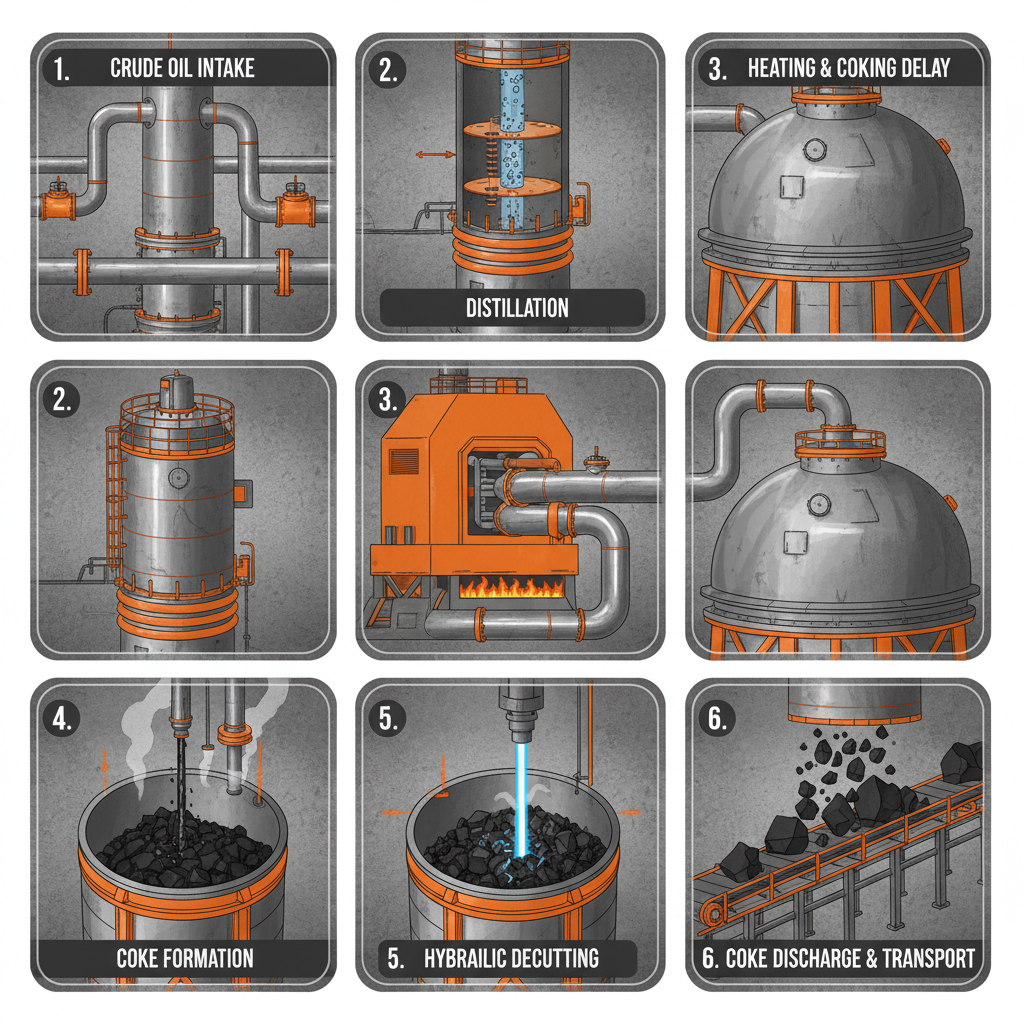
The Process of Petroleum Coke Production
Petroleum coke is primarily produced through two main processes within a refinery: Delayed Coking and Fluid Coking. Delayed coking involves heating heavy crude oil residues in a coke drum until they crack into lighter products and a solid residue – petcoke. Fluid coking uses a fluidized bed reactor to achieve a similar result. The type of process and the crude oil feedstock significantly influence the final petcoke characteristics, particularly its sulfur and metal content. Refineries continually optimize these processes to maximize yields of valuable products while minimizing coke production, as managing and selling petcoke is an additional logistical challenge.
Types of Petroleum Coke and Their Applications
Petcoke is broadly categorized into two main types: Green Petcoke and Calcined Petcoke. Green petcoke is the raw product directly from the coking process. It contains higher levels of moisture, sulfur, and volatile matter. It's commonly used in power plants (where sulfur emissions are less regulated) and cement production. Calcined petcoke undergoes a high-temperature heating process to reduce moisture and volatile content, and lower sulfur levels. This makes it ideal for aluminum smelting, titanium dioxide production, and other metallurgical applications where purity is paramount. NL Graphite offers materials crucial for these metallurgical processes.
Key Distinctions: Green vs. Calcined Petcoke – Calcination significantly enhances the purity and performance of petcoke for critical industrial applications.
Petroleum Coke Quality Specifications
Maintaining consistent petcoke quality is vital for end-users. Key specifications include: sulfur content, ash content, volatile matter, moisture content, and fixed carbon. Lower sulfur content is generally preferred, especially for aluminum smelting. The specific requirements vary depending on the intended application. Refineries employ rigorous quality control measures throughout the coking process to meet these specifications, including continuous monitoring of feedstock and product streams, and regular laboratory analysis. Accurate quality control directly impacts the value of the petcoke produced.
Environmental Considerations in Petcoke Handling
Handling petcoke presents environmental challenges due to its dustiness and potential for sulfur dioxide emissions. Refineries and storage facilities implement dust control measures like covered conveyer systems, water sprays, and enclosed storage buildings. Furthermore, proper management of petcoke piles is crucial to prevent runoff and groundwater contamination. Sustainable practices in petcoke handling are becoming increasingly important as environmental regulations tighten.
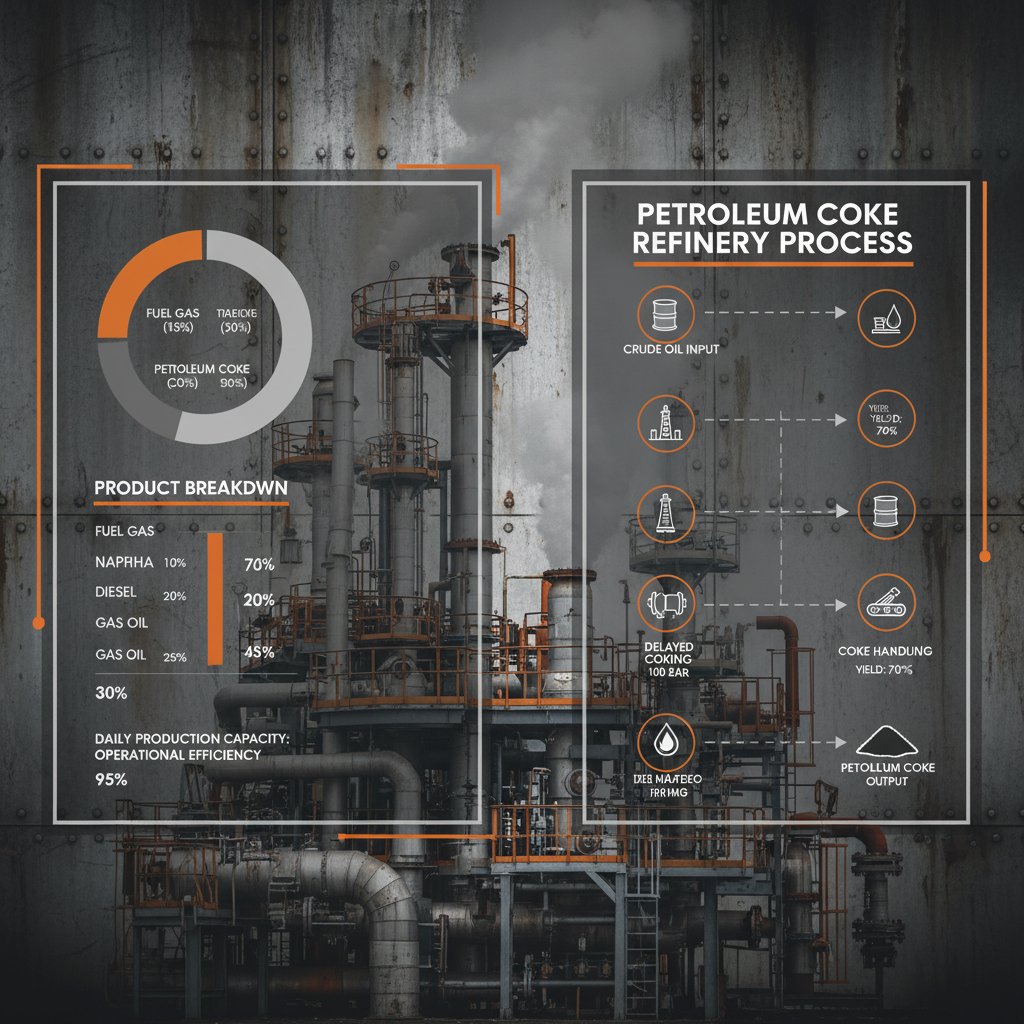
The Future of Petroleum Coke and Refinery Integration
The demand for petcoke is evolving, driven by changes in the aluminum industry and the increasing adoption of alternative energy sources. Refineries are exploring ways to optimize petcoke production and find value-added applications, such as using it as a feedstock for carbon fiber production. The integration of advanced process control technologies and data analytics will be essential for maximizing efficiency and minimizing environmental impact in petroleum coke refinery operations. NL Graphite continues to innovate materials that support these evolving refinery processes.
Conclusion: Adapting to the Changing Landscape of Petcoke
The petcoke market is dynamic, shaped by refinery operations, industrial demand, and environmental considerations. Understanding the intricacies of production, quality, and applications is crucial for stakeholders. Continued innovation and sustainable practices will be vital for ensuring the long-term viability of this important byproduct of oil refining.
Frequently Asked Questions (FAQs)
What are the main challenges in handling green petcoke?
Green petcoke presents several handling challenges. Its high moisture content can lead to clumping and sticking, making it difficult to convey and store. It's also extremely dusty, posing a respiratory hazard and creating environmental concerns. The relatively high sulfur content in green petcoke contributes to potential sulfur dioxide emissions during handling and combustion. Effective dust suppression and moisture control are crucial for mitigating these challenges. Furthermore, green petcoke can undergo spontaneous combustion if not stored properly.
How does the sulfur content of petcoke affect its use?
Sulfur content is a critical factor determining petcoke's suitability for various applications. High sulfur content can negatively impact the performance of aluminum smelters, leading to reduced efficiency and increased emissions. In power plants, burning high-sulfur petcoke requires costly flue gas desulfurization systems to comply with environmental regulations. Calcined petcoke typically has lower sulfur content than green petcoke, making it preferred for applications where sulfur is a concern. The specific sulfur limit depends on the end-user’s requirements and environmental regulations.
What is the role of graphite in petcoke processing?
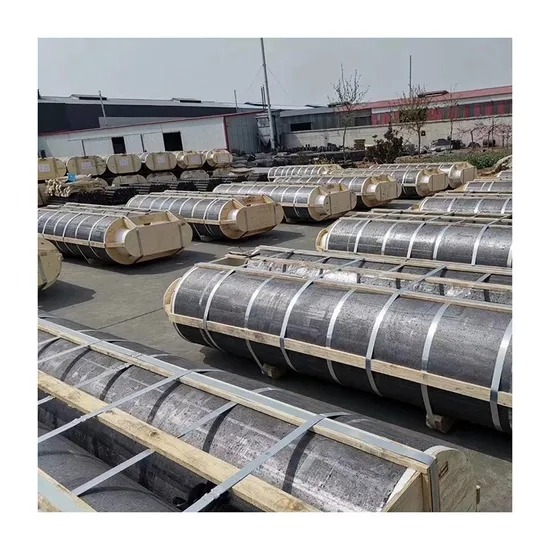
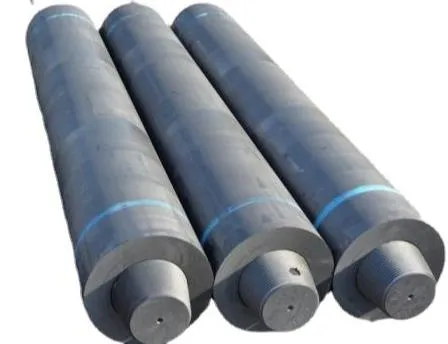
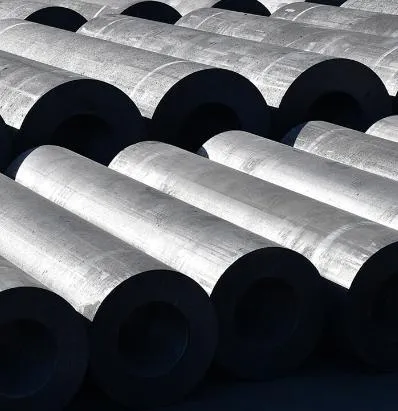
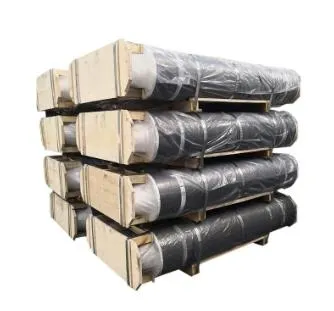
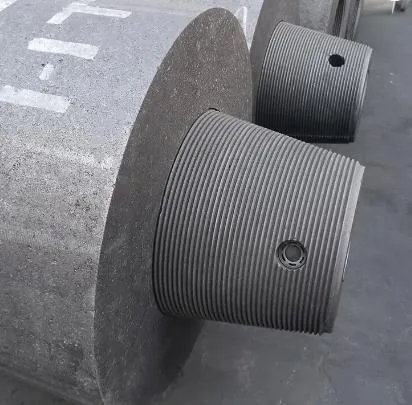
Graphite plays a vital role in certain petcoke processing applications, particularly in the manufacturing of electrodes for aluminum smelting. High-purity graphite is used to create the anodes consumed during the electrolytic process. The quality and properties of the graphite directly impact the efficiency of the smelting operation. NL Graphite provides high-performance graphite solutions for this demanding application.
Are there any emerging technologies for utilizing petcoke?
Several emerging technologies are exploring new avenues for utilizing petcoke. One promising area is its use as a feedstock for producing carbon fiber, a lightweight and high-strength material with applications in aerospace, automotive, and construction. Another area of research involves gasifying petcoke to produce synthetic gas (syngas), which can then be used to generate electricity or produce chemicals. These technologies could potentially reduce reliance on fossil fuels and create new markets for petcoke.
 Pervious
 Next
Next