

- Englist



Navigating the Global Petcoke Market A Guide for Petcoke Traders

Navigating the Global Petcoke Market: A Guide for Traders
The global petcoke market is a complex and dynamic landscape, crucial for industries like cement, aluminum, and power generation. Understanding the nuances of this market, identifying reliable petcoke traders, and optimizing sourcing strategies are essential for businesses dependent on this vital commodity. This article delves into the key aspects of the petcoke trade, covering market trends, factors influencing pricing, and tips for successful procurement. We'll also highlight the importance of choosing the right partner like NL Graphite for consistent quality and reliable supply.

Understanding Petcoke: Types, Uses, and Global Demand
Petcoke, a byproduct of oil refining, exists primarily in two forms: green petcoke and calcined petcoke. Green petcoke is raw and contains a high moisture content, making it less desirable for many applications. Calcined petcoke, produced by heating green petcoke, boasts lower moisture and sulfur content, making it suitable for demanding processes like aluminum smelting and cement production. Global demand for petcoke is heavily influenced by economic growth in developing nations, particularly in Asia, where cement and aluminum industries are rapidly expanding. Fluctuations in crude oil prices also directly impact petcoke availability and cost.
Key Highlights: Petcoke is a critical fuel source for numerous industries. Understanding the differences between green and calcined petcoke is vital for selecting the appropriate grade for specific applications.
Finding Reliable Petcoke Traders: Key Considerations
Selecting a reputable petcoke trader is paramount. Prioritize traders with a proven track record of consistent quality, reliable supply, and competitive pricing. Due diligence is crucial: verify their sourcing practices, assess their logistical capabilities, and examine their financial stability. Strong relationships with producers and efficient transportation networks are indicators of a reliable partner. Furthermore, look for traders who offer comprehensive quality control measures and adhere to stringent environmental regulations. NL Graphite excels in these areas, offering a secure and transparent supply chain.
Essential Trader Attributes:
• Proven track record of reliability
• Strong relationships with petcoke producers
• Efficient logistics and transportation network
• Comprehensive quality control processes
Factors Influencing Petcoke Pricing
Petcoke pricing is subject to several factors. Crude oil prices are a primary driver, as they impact refining margins and consequently, petcoke availability. Supply and demand dynamics, particularly from key consuming regions like Asia, significantly influence pricing. Transportation costs, including freight rates and port charges, add to the overall expense. Sulfur content is another critical factor, with lower sulfur petcoke commanding a premium. Geopolitical events and regulatory changes can also introduce volatility into the market. Staying informed about these factors is crucial for making informed purchasing decisions.
Geographical Considerations in Petcoke Trade
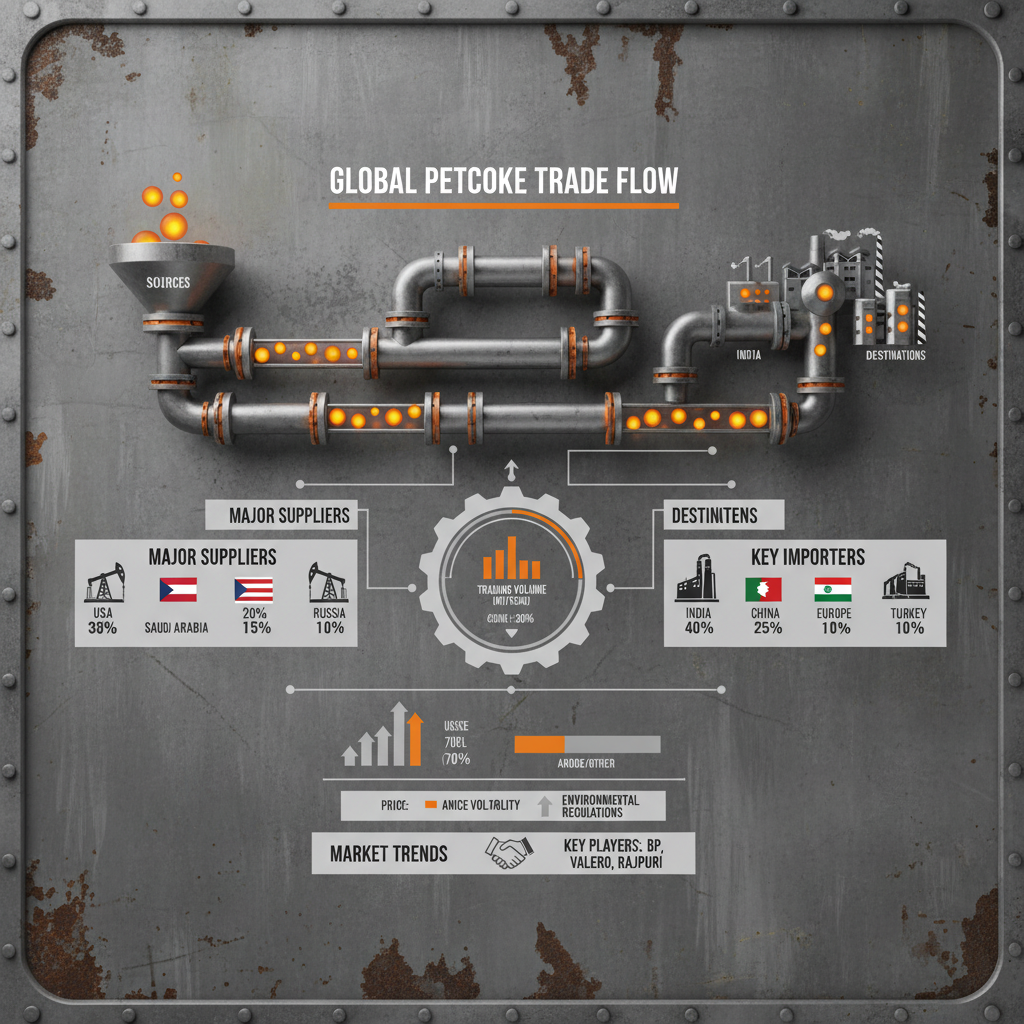
The petcoke trade is heavily concentrated in specific regions. The United States, with its large refining capacity, is a major producer. China and India are the largest consumers, driving significant import demand. The Middle East also plays a key role as both a producer and a transit hub. Understanding the logistical complexities of each region – port infrastructure, transportation networks, and regulatory requirements – is essential for successful trading. Effective risk management, including currency fluctuations and geopolitical instability, is also crucial.
Optimizing Your Petcoke Procurement Strategy
To optimize your petcoke procurement strategy, consider diversifying your supplier base to mitigate risk. Negotiate long-term contracts with favorable pricing terms. Implement robust quality control procedures to ensure consistent product specifications. Utilize hedging strategies to protect against price volatility. Stay informed about market trends and regulatory changes. Partnering with an experienced petcoke trader like NL Graphite can provide valuable insights and streamline your sourcing process.
Conclusion: Navigating the Petcoke Market with Confidence
The global petcoke market presents both opportunities and challenges. By understanding the key drivers, identifying reliable petcoke traders, and implementing a well-defined procurement strategy, businesses can secure a stable and cost-effective supply of this critical commodity. NL Graphite is committed to providing its clients with exceptional service and high-quality petcoke to meet their specific needs.
Frequently Asked Questions (FAQs)
What is the typical lead time for petcoke delivery?
Lead times for petcoke delivery can vary significantly depending on the origin, destination, and transportation method. Generally, expect a lead time of 4-8 weeks for international shipments. Factors such as port congestion, vessel availability, and customs clearance can influence delivery schedules. Reliable traders like NL Graphite can provide accurate lead time estimates and manage the logistics efficiently to ensure timely delivery. Planning well in advance is crucial to avoid potential disruptions to your operations.
What quality control measures are typically employed for petcoke?
Comprehensive quality control measures are essential for ensuring petcoke meets specified requirements. These typically include sampling and analysis to determine moisture content, ash content, sulfur content, volatile matter, and fixed carbon. Particle size distribution is also often assessed. Independent laboratory testing is commonly used to verify quality. Reputable petcoke traders provide certificates of analysis (COAs) with each shipment, detailing the results of these tests.
How can I mitigate the risk of price volatility in the petcoke market?
Mitigating price volatility requires a proactive approach. Consider negotiating long-term contracts with fixed or indexed pricing. Utilize hedging strategies, such as futures contracts, to lock in prices. Diversify your supplier base to reduce reliance on a single source. Regularly monitor market trends and geopolitical events that could impact pricing. Working with a knowledgeable petcoke trader can provide valuable insights and support in developing effective risk management strategies.
What are the environmental considerations associated with petcoke?
Petcoke handling and use can raise environmental concerns, particularly regarding dust emissions and sulfur dioxide (SO2) emissions during combustion. Responsible petcoke traders prioritize sourcing from suppliers that employ dust control measures and offer low-sulfur petcoke options. Implementing appropriate pollution control technologies at the point of combustion is crucial to minimize environmental impact. Adhering to local and international environmental regulations is essential for sustainable petcoke usage.
 Pervious
 Next
Next