

- Englist



Comprehensive Guide to Amorphous Graphite Powder and Its Diverse Applications

Amorphous Graphite Powder: A Comprehensive Guide
Amorphous graphite powder is a versatile material finding increasing application across various industries. Its unique properties – high purity, excellent conductivity, and chemical inertness – make it a crucial component in battery manufacturing, lubricants, plastics, and more. This article provides a detailed overview of amorphous graphite powder, its applications, benefits, and where to source high-quality products. Understanding its characteristics and potential uses is key to leveraging its advantages in your specific application. For reliable sourcing and expert guidance, explore NL Graphite, a leading supplier of graphite materials.
What is Amorphous Graphite Powder?
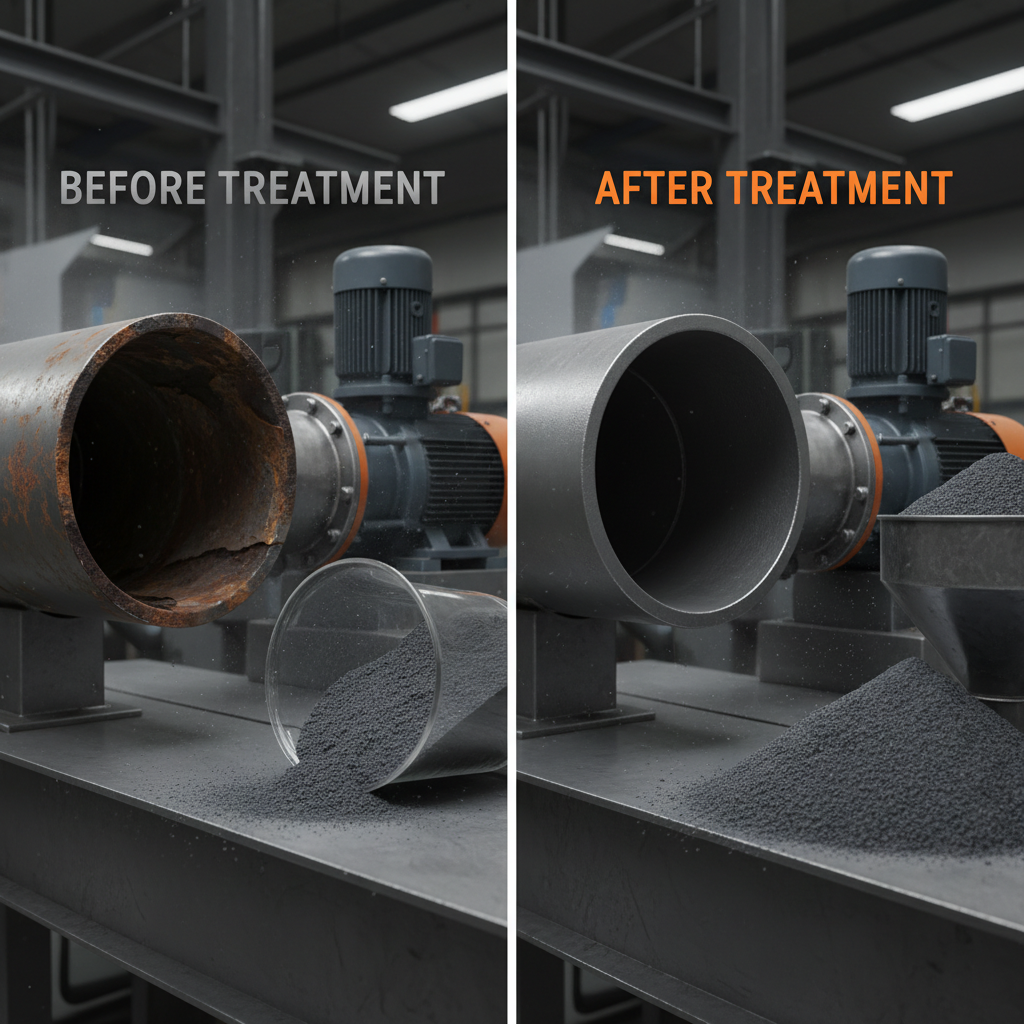
Unlike crystalline graphite, which has a highly ordered structure, amorphous graphite powder lacks long-range order. This structural difference significantly influences its properties. The absence of a crystalline lattice makes it easier to process and disperse, and can also provide different electrical and thermal conductivities compared to crystalline forms. It’s produced through methods like thermal decomposition of organic materials or controlled milling of graphite. This makes it a cost-effective option where extreme structural integrity isn't paramount, yet desirable conductive properties are needed.
Key Highlights: Amorphous graphite powder offers a balance of cost-effectiveness, ease of processing, and useful conductivity, making it suitable for diverse applications.
Key Applications of Amorphous Graphite Powder
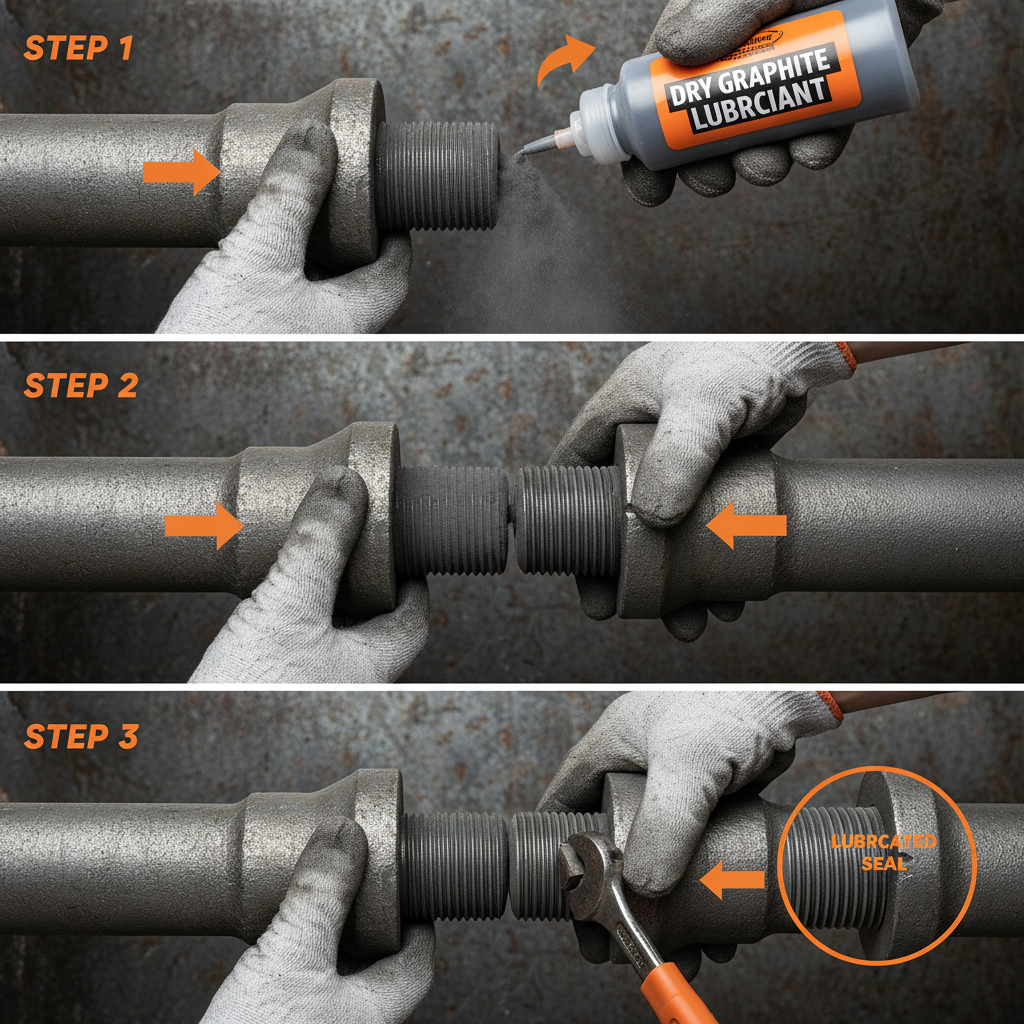
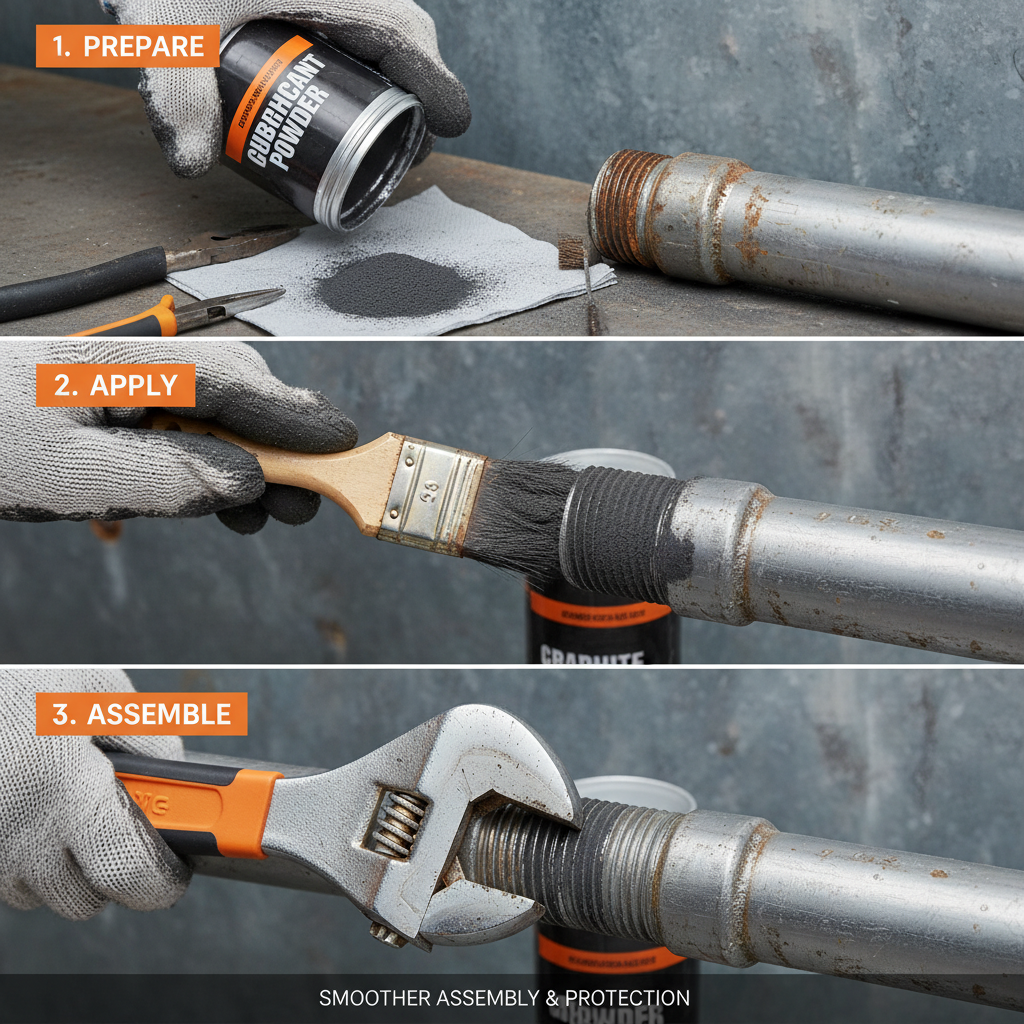
The versatility of amorphous graphite powder leads to its adoption in several industries. A significant application is in the production of lithium-ion batteries, where it serves as an anode material. Its high surface area enhances battery capacity and performance. It's also a vital component in lubricants, reducing friction and wear in machinery. Furthermore, it is widely used as a conductive filler in plastics and rubber, providing electrostatic discharge (ESD) protection and enhancing material strength. Other applications include refractories, brake linings, and powder metallurgy.
Application Areas:
• Lithium-ion batteries (Anode material)
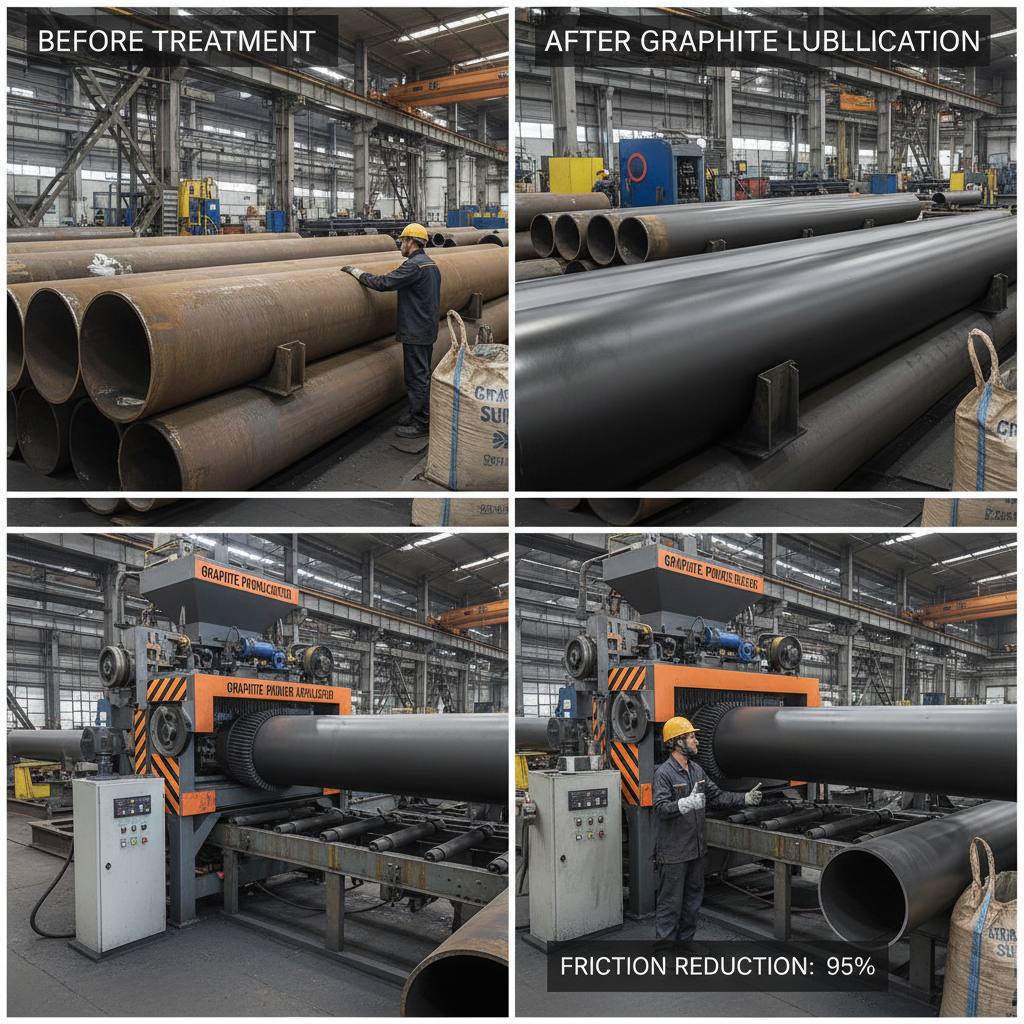
• Lubricants (Friction reduction)
• Plastics & Rubber (Conductive filler)
• Refractories & Powder Metallurgy
Amorphous vs. Crystalline Graphite Powder: A Comparison
Choosing between amorphous and crystalline graphite powder depends on the specific application requirements. Crystalline graphite offers higher strength and conductivity but can be more challenging to process. Amorphous graphite excels in applications requiring ease of dispersion and lower cost. Here's a detailed comparison:
Choosing the Right Amorphous Graphite Powder
Selecting the optimal amorphous graphite powder involves considering several factors. Particle size distribution is crucial; finer powders offer better dispersion but may increase costs. Purity levels are vital for applications requiring high conductivity or chemical inertness. Surface treatment, such as oxidation, can enhance compatibility with certain matrices. Reputable suppliers like NL Graphite offer various grades to meet specific needs. Requesting a technical data sheet (TDS) and a safety data sheet (SDS) is highly recommended.
Product Specifications – NL Graphite Amorphous Graphite
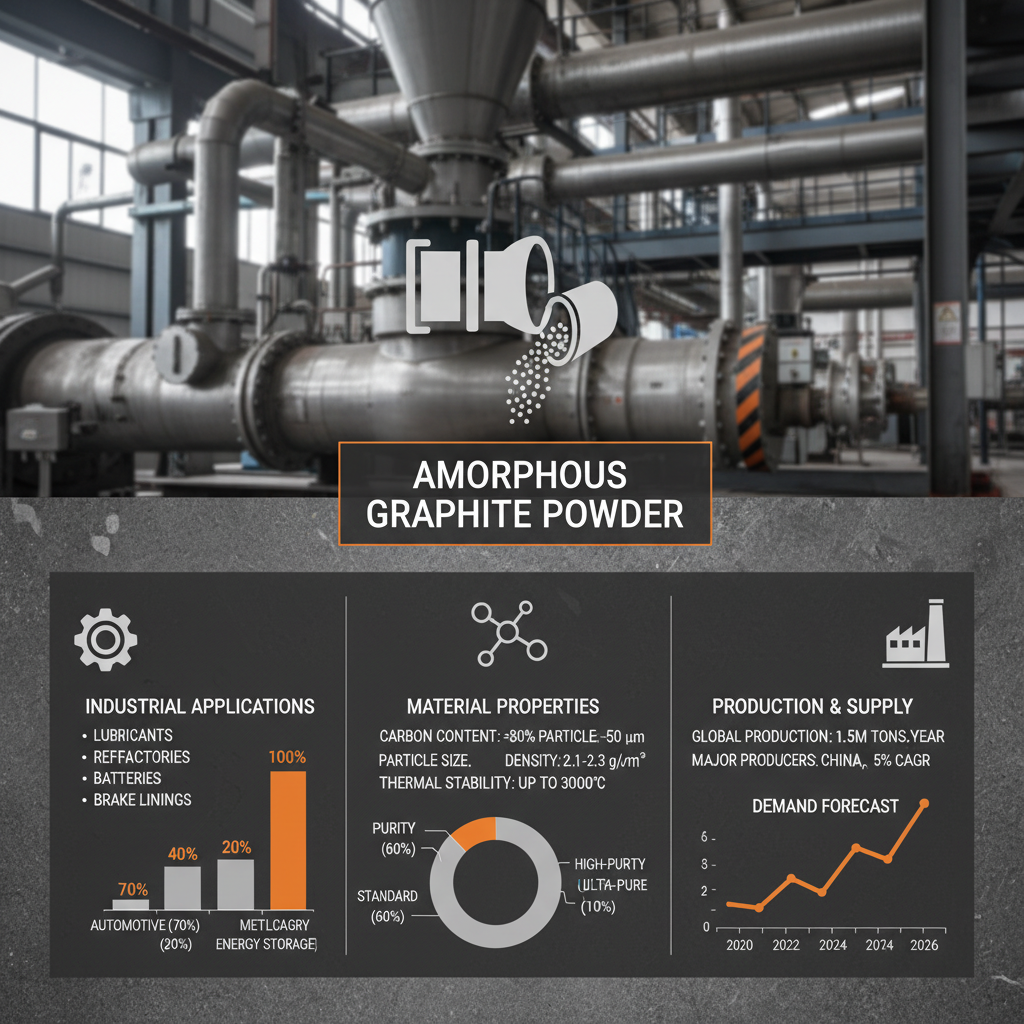
Here are typical specifications for our amorphous graphite powder:
Conclusion: Harnessing the Potential of Amorphous Graphite Powder
Amorphous graphite powder offers a compelling combination of properties and cost-effectiveness, making it an invaluable material across numerous industries. By carefully selecting the appropriate grade and sourcing from a trusted supplier like NL Graphite, you can unlock its full potential and enhance your product performance. Investing in quality graphite powder is an investment in innovation and efficiency.
Frequently Asked Questions (FAQs)
What are the safety precautions when handling amorphous graphite powder?
While generally considered non-toxic, amorphous graphite powder can cause mild respiratory irritation if inhaled. It’s crucial to handle it in a well-ventilated area and wear a dust mask or respirator to prevent inhalation. Avoid contact with eyes and skin; use safety glasses and gloves. Refer to the Safety Data Sheet (SDS) provided by the supplier for detailed safety information and handling guidelines. Proper storage in a dry environment is also essential to prevent dust formation.
How is amorphous graphite powder typically stored?
Amorphous graphite powder should be stored in a cool, dry, and well-ventilated area. It is important to keep the material sealed in its original packaging or in a tightly closed container to prevent moisture absorption and contamination. Exposure to moisture can cause the powder to clump and affect its performance. Avoid storing it near strong oxidizing agents or heat sources. Proper storage ensures the powder retains its quality and properties for extended use.
Can amorphous graphite powder be used in conductive inks?
Yes, amorphous graphite powder is a common component in conductive inks, particularly for applications where cost-effectiveness is paramount. Its particle size and surface properties can be tailored to achieve desired ink viscosity and conductivity. However, crystalline graphite or graphene often provide higher conductivity for demanding applications. Choosing the correct grade and incorporating appropriate binders and solvents are crucial for formulating a high-performance conductive ink.
Where can I purchase high-quality amorphous graphite powder?
You can purchase high-quality amorphous graphite powder from reputable suppliers like NL Graphite. We offer a range of grades and particle sizes to meet your specific application requirements. We also provide technical support and detailed product specifications to ensure you select the best material for your needs. Contact us today to discuss your requirements.
 Pervious
 Next
Next