

- Englist



Comprehensive Guide to Petroleum Coke Production Processes and Applications

Petroleum Coke Production: A Comprehensive Overview
Petroleum coke (petcoke) is a carbon-rich solid derived from oil refining processes. It's a crucial component in several industries, including aluminum production, steelmaking, and the manufacturing of titanium dioxide. This article provides a detailed look into the petroleum coke production process, its different types, applications, and current market trends. Understanding the complexities of petcoke production is vital for businesses relying on this material and those involved in the energy sector. NL Graphite is a leading provider of high-quality graphite and carbon solutions, including petcoke-related products.

The Petroleum Coke Production Process
Petroleum coke is produced as a byproduct of two primary oil refining processes: Delayed Coking and Fluid Catalytic Cracking (FCC). Delayed coking involves heating heavy oil residues at high temperatures to break down complex hydrocarbons into simpler compounds, leaving behind petcoke. FCC units use catalysts to crack heavy hydrocarbons into gasoline and other lighter products, also generating petcoke as a byproduct. The quality of petcoke largely depends on the type of crude oil processed and the specific refining techniques employed. After production, the petcoke undergoes handling, storage, and transportation processes to reach its end-users.
Types of Petroleum Coke
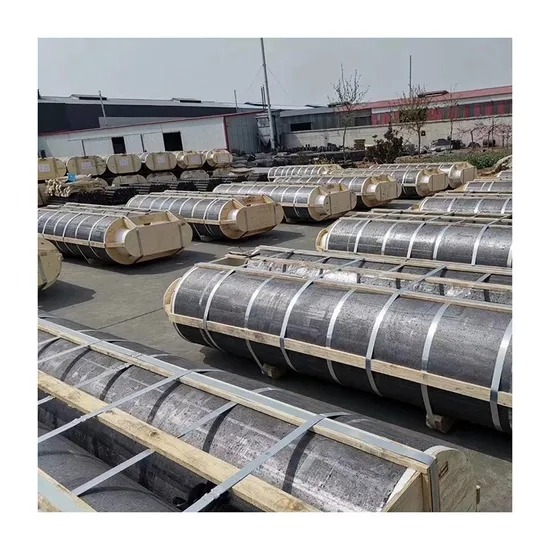
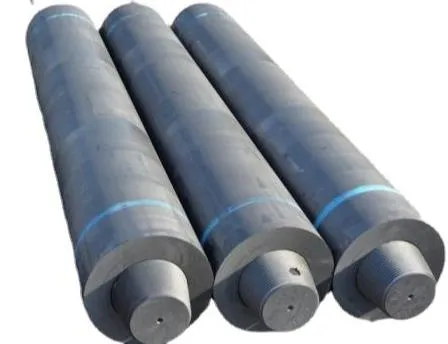
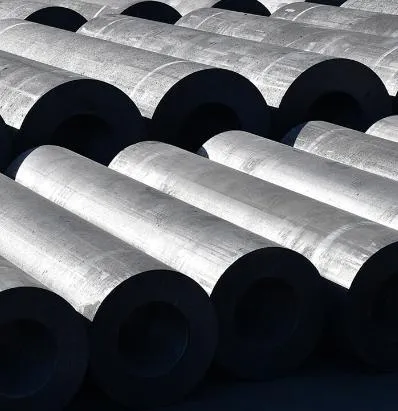
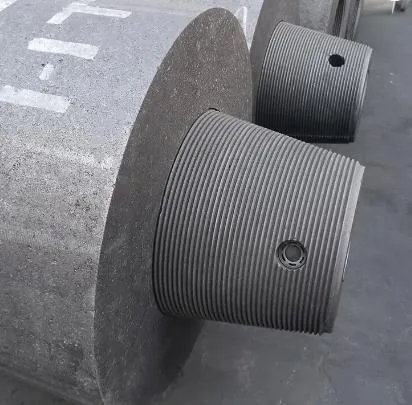
There are two main types of petcoke: Needle Coke and Sponge Coke. Needle coke is characterized by its highly crystalline structure, forming needle-like crystals. This type is primarily used in the production of graphite electrodes for the steel and aluminum industries due to its excellent electrical conductivity. Sponge coke, on the other hand, has a porous, sponge-like structure. It's commonly used as a fuel source in cement kilns, power plants, and various other industrial applications. The key differences between the two are summarized below:
Key Applications of Petroleum Coke
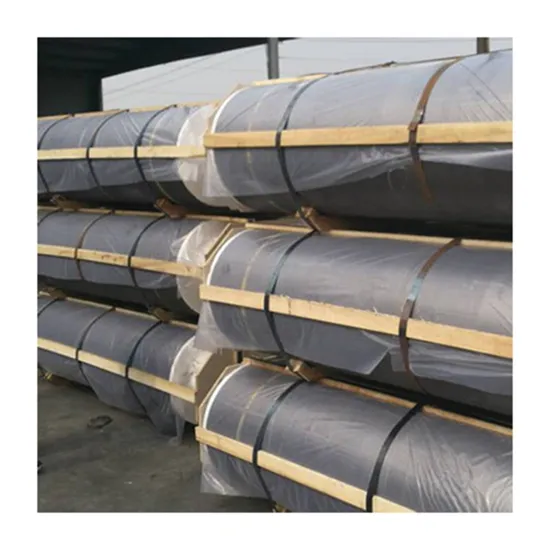
Petroleum coke finds applications across diverse industries. The aluminum industry is the largest consumer, using it as a crucial component in the production of anodes. Steelmaking utilizes petcoke as a carbon raiser and in the production of electrodes. It's also employed in the manufacturing of titanium dioxide, a widely used pigment in paints, plastics, and paper. Additionally, petcoke serves as a fuel source in cement kilns, power plants, and various other industrial processes. NL Graphite provides tailored solutions for petcoke applications, ensuring consistent quality and performance.
Petroleum Coke Production: Environmental Considerations
The production and use of petcoke are associated with environmental concerns, primarily related to air pollution. Petcoke can contain sulfur, which, when burned, releases sulfur dioxide, a major contributor to acid rain. Dust emissions during handling and storage are also a concern. Consequently, strict environmental regulations are in place to control emissions from petcoke-fired facilities. Advanced technologies, such as scrubbers and dust collection systems, are employed to minimize environmental impact. Sustainable practices and responsible handling of petcoke are crucial for mitigating these concerns.
Global Petroleum Coke Market Trends
The global petroleum coke market is influenced by factors such as crude oil prices, refinery capacity, and demand from key end-use industries. Asia-Pacific is the largest consumer of petcoke, driven by rapid industrialization and growing demand for aluminum. North America and Europe are also significant markets. Recent trends include a growing focus on lower-sulfur petcoke to meet stringent environmental regulations and increased demand for needle coke due to the expanding graphite electrode market. Supply chain disruptions and geopolitical factors can also impact market dynamics.
Conclusion: The Future of Petroleum Coke
Petroleum coke remains a vital component in numerous industries, offering essential properties and applications. While environmental concerns are paramount, ongoing advancements in technology and responsible practices are paving the way for more sustainable production and use. NL Graphite is committed to providing high-quality petcoke solutions while prioritizing environmental responsibility and innovation.
Frequently Asked Questions (FAQs)
What are the main factors affecting the price of petroleum coke?
Several factors influence the price of petroleum coke. Crude oil prices play a significant role, as they impact refinery margins and the availability of feedstock for petcoke production. Demand from key industries like aluminum and cement also affects pricing. Supply disruptions, geopolitical events, and transportation costs can all contribute to price fluctuations. Environmental regulations and the sulfur content of the petcoke also impact its market value, with lower-sulfur varieties typically commanding higher prices. Market volatility and global economic conditions further influence petcoke pricing dynamics.
How is petcoke transported?
Petroleum coke is typically transported by rail, truck, or ocean-going vessels. Bulk handling systems are used to load and unload the material. Due to its dusty nature, proper containment and dust control measures are essential during transportation to prevent environmental pollution and ensure worker safety. Covered railcars and enclosed conveyors are commonly used. For long-distance transport, ocean-going vessels are often the most cost-effective option.
What are the potential health hazards associated with petcoke handling?
Prolonged exposure to petcoke dust can pose health risks, including respiratory problems and eye irritation. The dust may contain trace amounts of heavy metals and other harmful substances. Workers handling petcoke should wear appropriate personal protective equipment (PPE), such as respirators, safety glasses, and gloves. Adequate ventilation and dust control measures are crucial to minimize exposure. Regular health monitoring of workers involved in petcoke handling is also recommended.
 Pervious
 Next
Next