

- Englist



Detailed Comparison of Carbon vs Graphite Rod Properties and Applications

Carbon vs Graphite Rod: A Detailed Comparison
When selecting a material for demanding applications like fishing rods, sporting goods, or industrial components, the choice often comes down to carbon fiber versus graphite. While often used interchangeably, these materials possess distinct characteristics that influence their performance and suitability. This article provides a comprehensive comparison, detailing the properties, manufacturing processes, advantages, and disadvantages of each, helping you make an informed decision for your specific needs. We will explore how NL Graphite provides high-quality graphite and carbon fiber solutions.
Understanding the Fundamental Differences
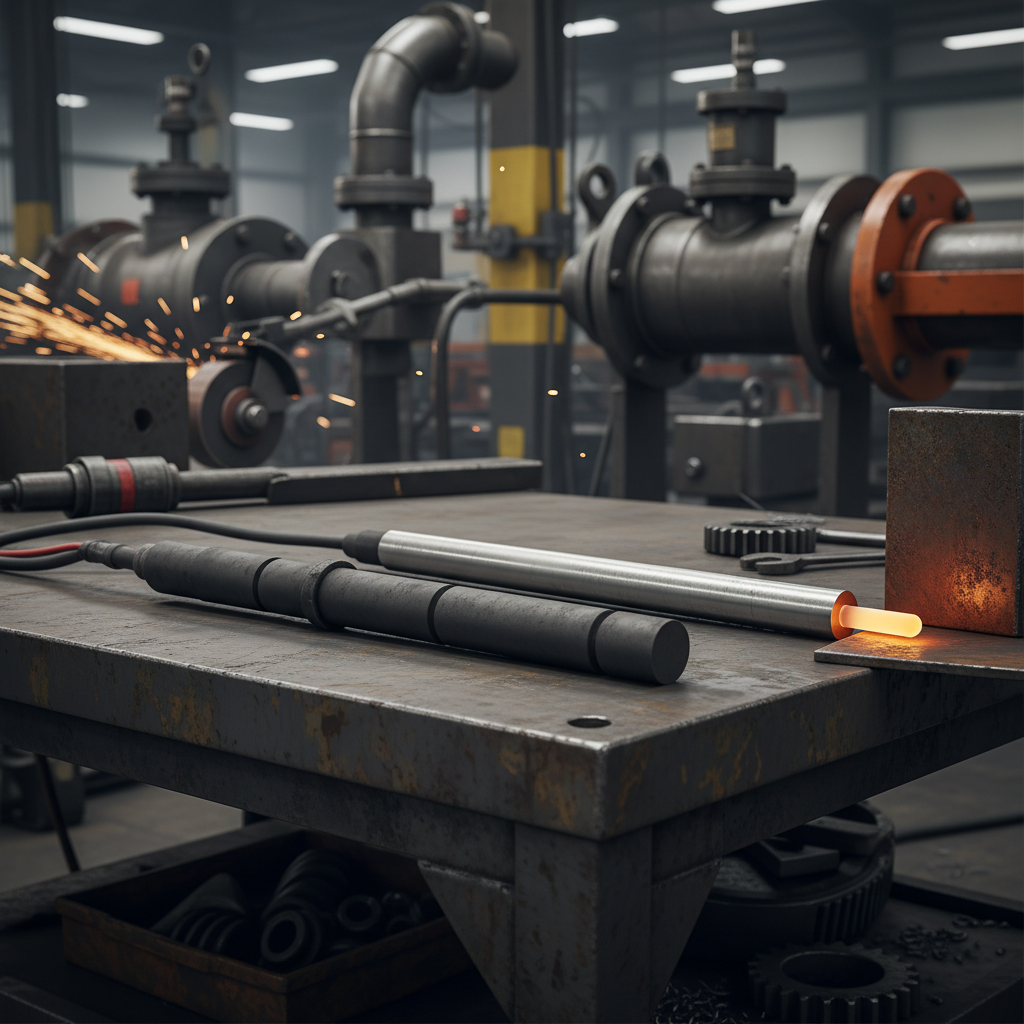
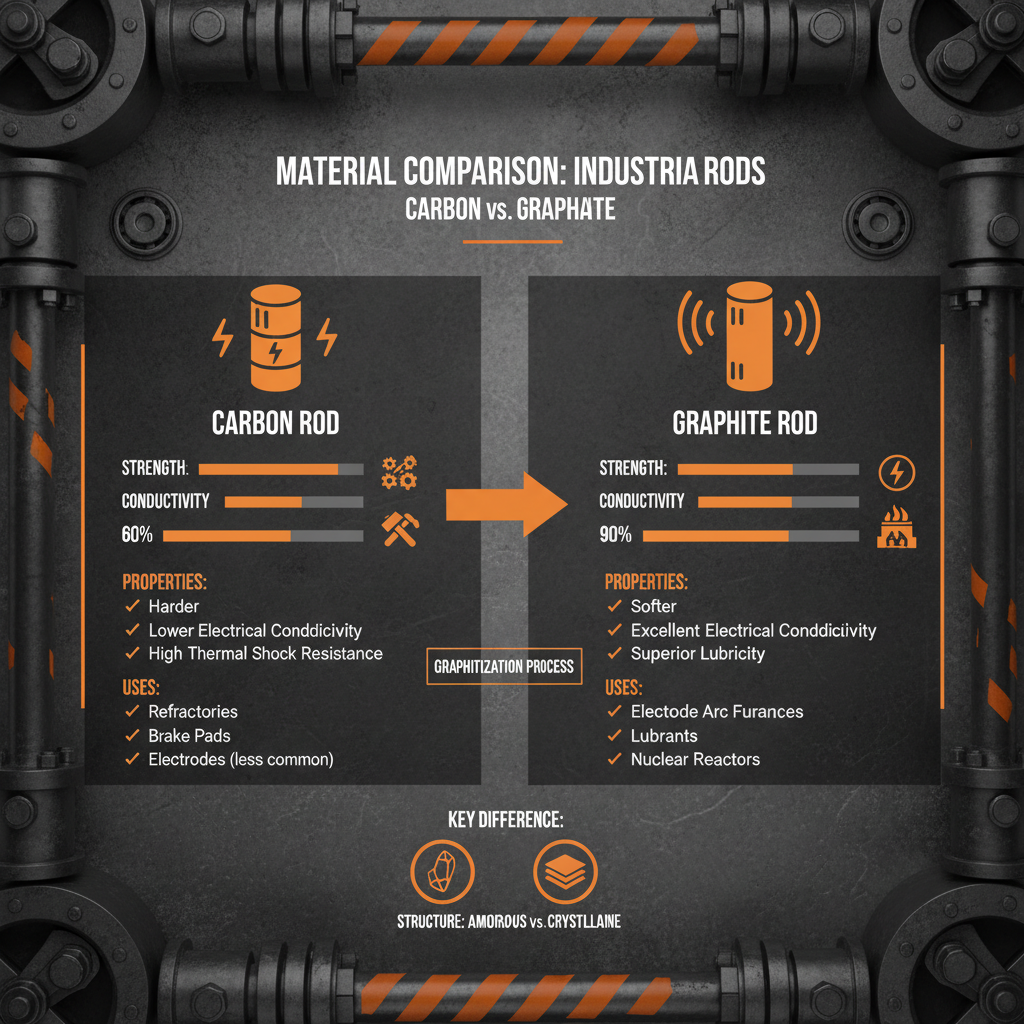
The core difference lies in the raw material. Graphite is a naturally occurring form of carbon, while carbon fiber is manufactured. Graphite consists of layers of carbon atoms arranged in a hexagonal lattice, making it soft and slippery. Carbon fiber is created by processing organic polymers (like polyacrylonitrile) into long, thin strands of carbon atoms. This manufacturing process allows for precise control over the fiber's properties, such as tensile strength and modulus of elasticity. The resulting carbon fiber rods are notably stronger and stiffer than those made from natural graphite.
Key Takeaway: Graphite is a naturally occurring mineral, while carbon fiber is an engineered material offering superior performance characteristics.
Carbon vs Graphite Rod: A Comparative Analysis
Let’s delve deeper into a detailed comparison of carbon fiber rods versus graphite rods, focusing on key attributes. Strength, stiffness, weight, cost, and applications all play a role in determining the best choice. Carbon fiber generally exhibits higher tensile strength and a greater modulus of elasticity, meaning it's stronger and stiffer for a given weight. However, graphite can be more forgiving and less brittle than carbon fiber, making it suitable for applications where impact resistance is crucial. NL Graphite provides a range of both materials to cater to diverse application needs.
Key Differences at a Glance:
• Strength: Carbon fiber significantly stronger than graphite.
• Stiffness: Carbon fiber is stiffer, offering better responsiveness.
• Weight: Both are lightweight, but carbon fiber generally lighter.
• Cost: Graphite is typically more affordable than carbon fiber.
Detailed Property Comparison
A tabular comparison clearly illustrates the performance differences between carbon and graphite rods. These values are approximate and can vary based on manufacturing processes and specific material grades. When looking for specific material properties, consulting with experts like those at NL Graphite can offer invaluable insights.
Applications of Carbon and Graphite Rods
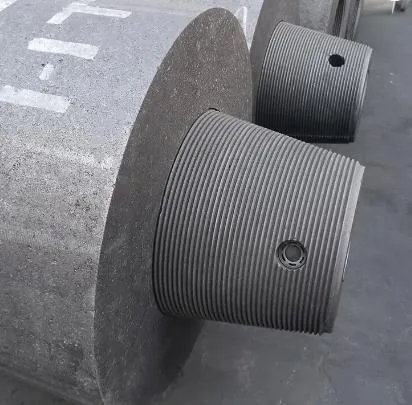
The application dictates the optimal material. Carbon fiber rods excel in applications requiring high strength-to-weight ratio and stiffness, such as aerospace components, high-performance sporting goods (fishing rods, golf clubs), and automotive parts. Graphite rods, due to their lower cost and good electrical conductivity, are frequently utilized in electrodes, brushes for electric motors, and lubricants. The team at NL Graphite can help assess your application and recommend the most appropriate material.
Choosing the Right Material: Key Considerations
Selecting between carbon and graphite rods requires careful consideration of your project’s specific needs. Prioritize strength and stiffness? Carbon fiber is the clear choice. Budget constraints a primary concern? Graphite offers a cost-effective alternative. Are impact resistance and electrical conductivity critical? Graphite may be more suitable. Furthermore, factors like the operating environment (temperature, humidity, exposure to chemicals) should be considered. NL Graphite’s team of experts can provide tailored guidance based on your unique requirements.
Conclusion: Making an Informed Decision
Ultimately, the decision between carbon fiber and graphite rods hinges on a careful evaluation of your application's demands. Both materials offer unique benefits and drawbacks. By understanding their properties, costs, and applications, you can make a well-informed choice. NL Graphite is your trusted partner for high-quality graphite and carbon fiber solutions, providing expert advice and reliable products.
Frequently Asked Questions (FAQs)
What are the primary advantages of carbon fiber over graphite?
Carbon fiber boasts significantly higher tensile strength and a greater modulus of elasticity compared to graphite. This translates to lighter components with superior stiffness and load-bearing capacity. While graphite is a good conductor, carbon fiber often provides a better strength-to-weight ratio for structural applications. The manufacturing process of carbon fiber allows for greater control over the material’s properties, enabling customization for specific performance requirements.
Is graphite a suitable alternative when carbon fiber is too expensive?
Yes, graphite serves as a cost-effective alternative when carbon fiber’s higher price point is a concern. While it doesn't match carbon fiber's strength and stiffness, graphite provides adequate performance for many applications where those properties aren't paramount. It's also a good choice for applications where electrical conductivity is important. NL Graphite offers a range of graphite grades to suit various budgets and performance needs.
What industries commonly utilize carbon fiber rods?
Carbon fiber rods are extensively used in industries demanding high performance and lightweight materials. This includes aerospace, automotive (for structural components and body panels), sporting goods (fishing rods, golf clubs, bicycle frames), and medical equipment (prosthetics, imaging equipment). The material's strength and stiffness make it ideal for applications requiring both durability and reduced weight.
How does the manufacturing process affect the properties of carbon fiber rods?
The manufacturing process significantly influences the properties of carbon fiber rods. Factors like the type of precursor material, the carbonization temperature, and the fiber alignment all play a crucial role. Different manufacturing techniques result in varying fiber orientations (unidirectional, woven, etc.), each offering distinct strength and stiffness characteristics. NL Graphite employs advanced manufacturing processes to ensure consistent quality and performance.
 Pervious
 Next
Next