

- Englist


Explore the Superior Strength of Graphlite Carbon Rods for Advanced Applications

Understanding Graphlite Carbon Rods: A Deep Dive
In the world of high-performance materials, graphlite carbon rods stand out for their exceptional strength, lightweight properties, and versatility. These rods are finding increasing applications across diverse industries, from aerospace and automotive to sporting goods and medical devices. This article explores the characteristics, manufacturing processes, applications, and benefits of graphlite carbon rods, providing a comprehensive overview for engineers, designers, and anyone interested in advanced composite materials. Choosing the right carbon fiber rod is critical for optimal performance, and we'll help you understand the key considerations.
What are Graphlite Carbon Rods?
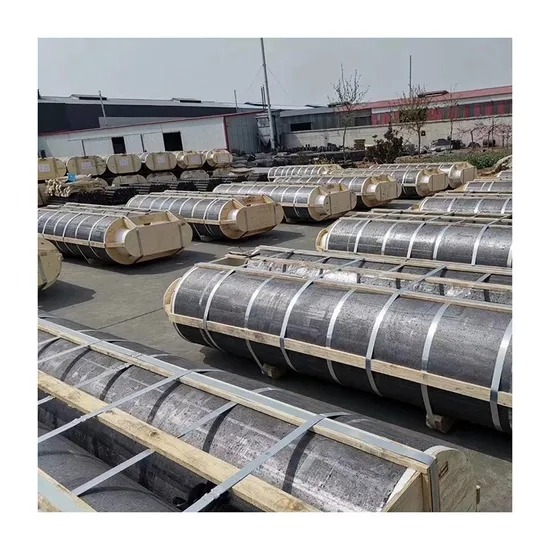
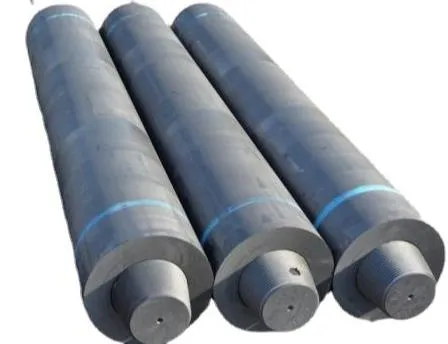
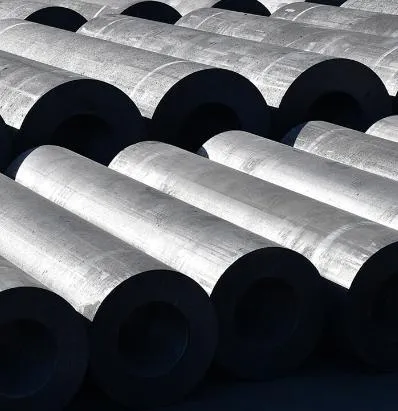
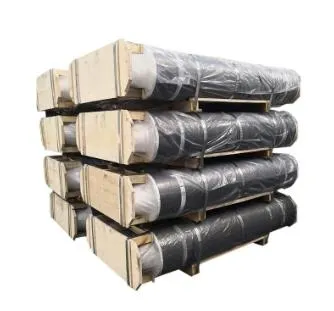
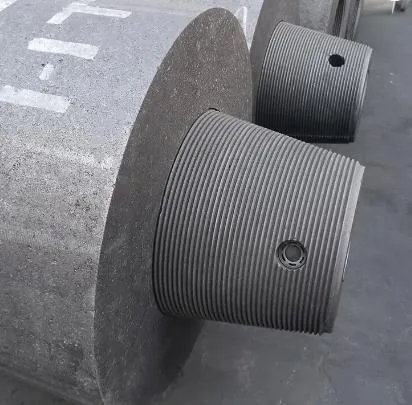
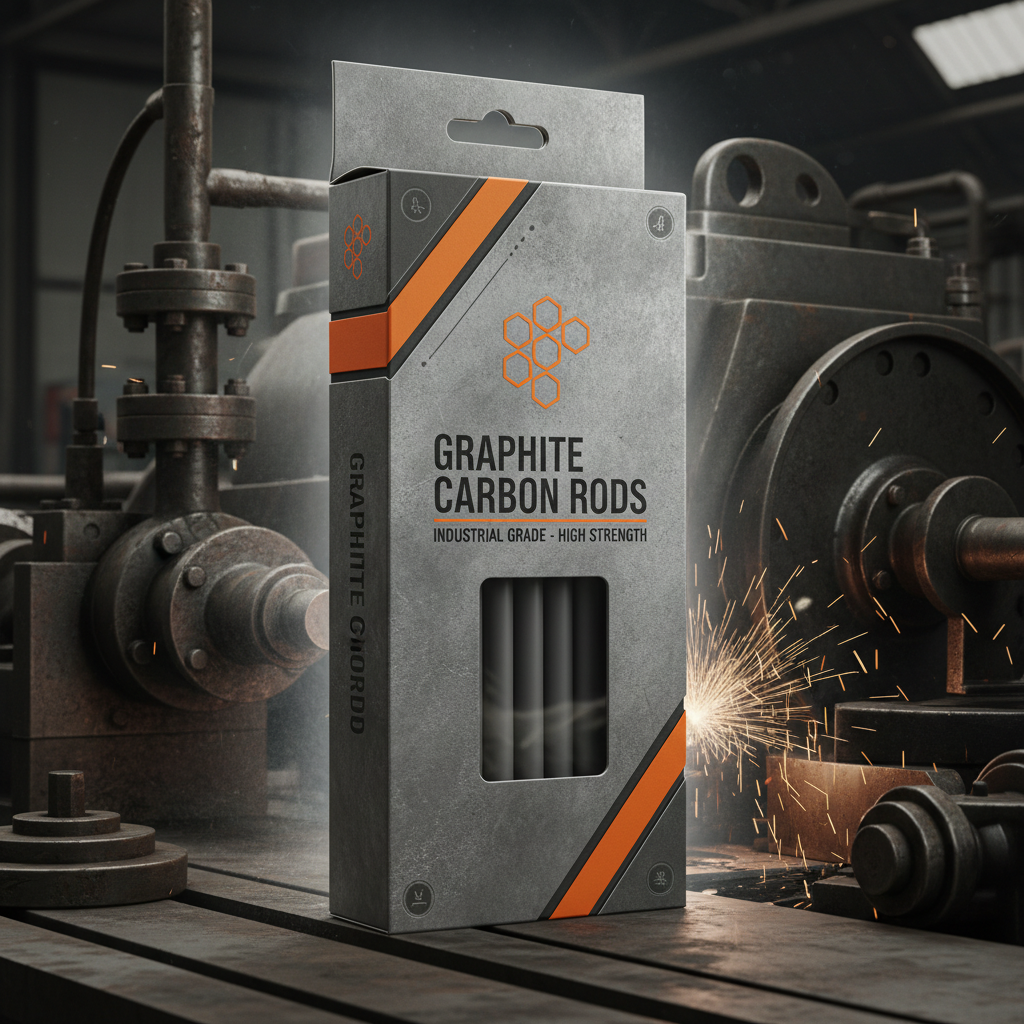
Graphlite carbon rods, also known as carbon fiber rods, are composite materials made from the combination of carbon fibers and a resin matrix. The carbon fibers provide the strength and stiffness, while the resin binds the fibers together and transfers load between them. NL Graphite specializes in producing high-quality graphlite carbon rods tailored to specific customer requirements. The precise composition and manufacturing process dictate the final properties of the rod, including tensile strength, modulus of elasticity, and weight. They are valued for their superior strength-to-weight ratio, making them ideal for applications where minimizing weight is critical.
Key Highlights: Graphlite carbon rods offer exceptional strength, are remarkably lightweight, and boast excellent corrosion resistance, making them a superior alternative to traditional materials like steel and aluminum.
The Manufacturing Process of Graphlite Carbon Rods
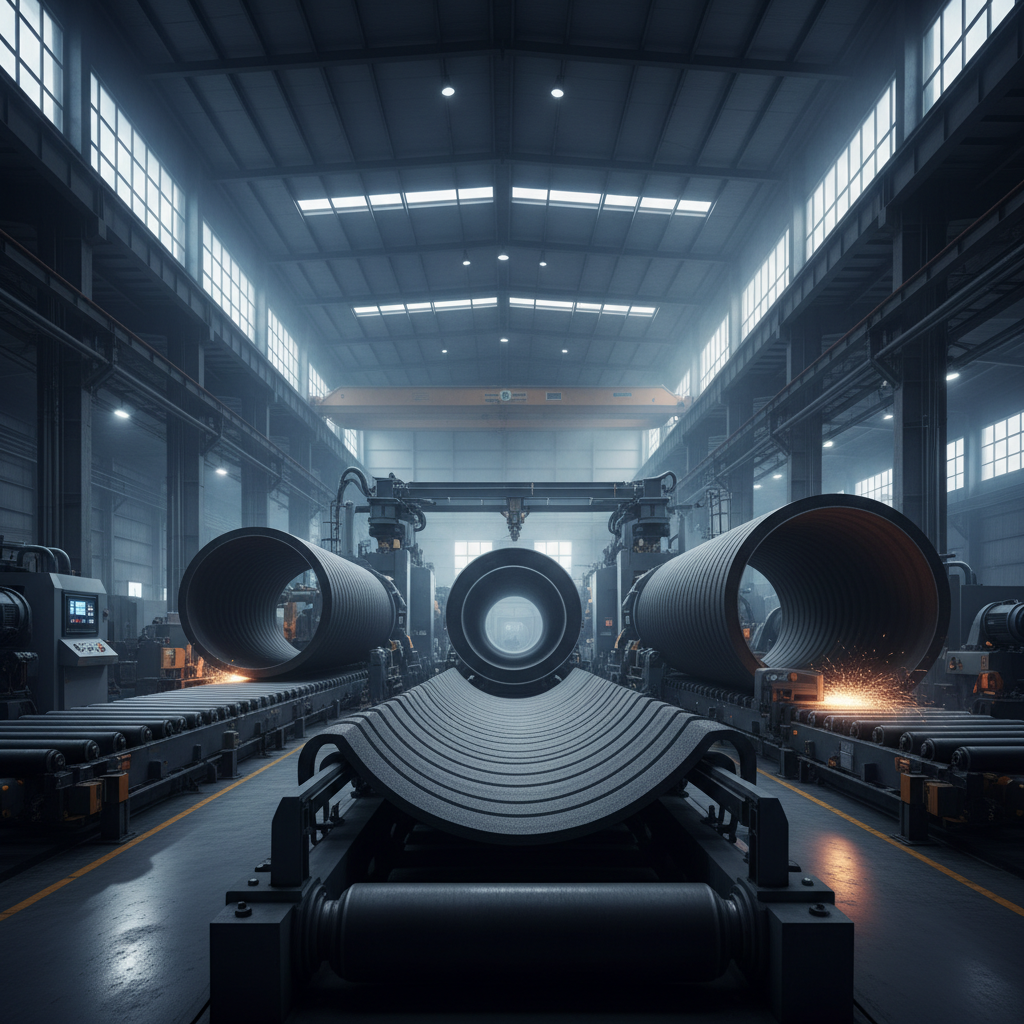
The creation of graphlite carbon rods is a complex process involving several key steps. It begins with the production of carbon fibers, typically from polyacrylonitrile (PAN). These fibers are then aligned and impregnated with a resin matrix, such as epoxy or polyester. Common manufacturing methods include pultrusion, filament winding, and resin transfer molding. Pultrusion is particularly effective for producing continuous, constant-profile rods. The resin is then cured, solidifying the composite material. Quality control is paramount throughout the process, ensuring the rods meet stringent performance standards. NL Graphite's advanced manufacturing techniques guarantee consistently high-quality products.
Manufacturing Process Overview:
• Carbon Fiber Production
• Resin Impregnation
• Shaping (Pultrusion, Filament Winding, Resin Transfer Molding)
• Resin Curing
• Quality Control
Graphlite Carbon Rods: Key Properties and Advantages
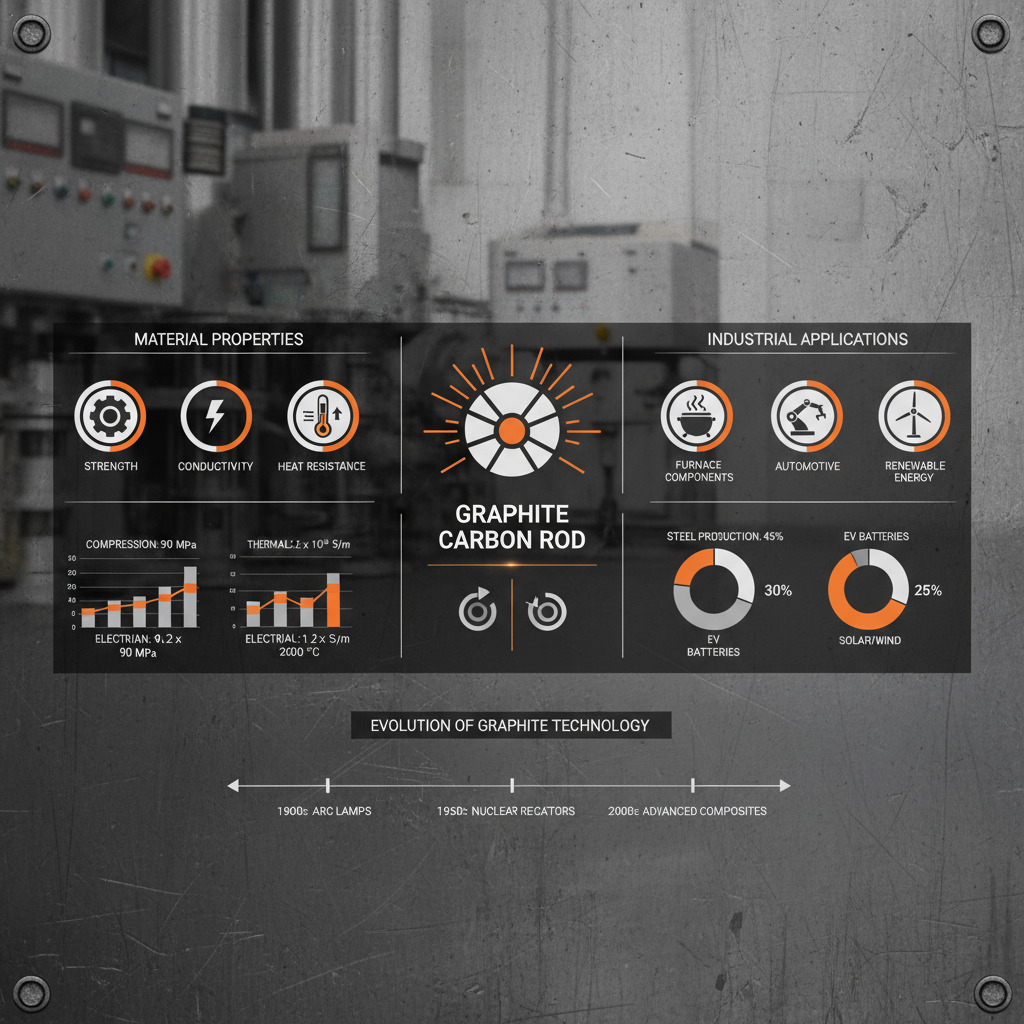
Graphlite carbon rods offer a compelling combination of properties. Their high tensile strength allows them to withstand significant pulling forces, while their low density contributes to their lightweight nature. They also exhibit excellent stiffness, resisting bending and deformation. Crucially, carbon fiber is highly resistant to corrosion, making these rods suitable for harsh environments. Furthermore, they possess excellent fatigue resistance, meaning they can withstand repeated stress cycles without failure. Compared to traditional materials, graphlite carbon rods provide a significant performance advantage in applications where weight and strength are critical.
Applications of Graphlite Carbon Rods
The unique properties of graphlite carbon rods make them ideal for a wide range of applications. In the aerospace industry, they are used in aircraft components to reduce weight and improve fuel efficiency. The automotive industry utilizes them in high-performance vehicles and racing cars. Sporting goods, such as golf clubs, fishing rods, and bicycle frames, benefit from their lightweight strength. Medical devices, including imaging equipment and surgical instruments, also incorporate carbon fiber rods. Additionally, they find applications in robotics, drones, and industrial automation. NL Graphite provides customized solutions for diverse industry needs.
Choosing the Right Graphlite Carbon Rod for Your Application
Selecting the appropriate graphlite carbon rod depends heavily on the specific application requirements. Factors to consider include the required tensile strength, stiffness, weight, and operating environment. The type of resin matrix also plays a crucial role in determining the rod's properties. For example, epoxy resins offer superior strength and stiffness, while polyester resins are more cost-effective. Diameter and length are also important parameters. NL Graphite’s team of engineers can provide expert guidance in selecting the optimal carbon fiber rod for your needs.
Conclusion: The Future is Carbon Fiber
Graphlite carbon rods represent a significant advancement in materials science. Their exceptional properties make them indispensable in numerous industries, driving innovation and enabling new possibilities. NL Graphite is committed to providing high-quality carbon fiber solutions and expert support to help you achieve your engineering goals. Investing in carbon fiber technology is an investment in performance, efficiency, and sustainability.
Frequently Asked Questions (FAQs)
What is the typical lifespan of a graphlite carbon rod?
The lifespan of a graphlite carbon rod varies depending on the application, load conditions, and environmental factors. However, with proper use and maintenance, these rods can last for many years. Factors that can affect lifespan include exposure to UV radiation, extreme temperatures, and corrosive chemicals. Regular inspections for cracks, delamination, or other signs of damage are crucial. NL Graphite can provide recommendations for maximizing the lifespan of your carbon fiber components.
Are graphlite carbon rods electrically conductive?
Carbon fiber itself is electrically conductive. However, the electrical conductivity of a graphlite carbon rod depends on the resin matrix used. Some resins are more conductive than others. For applications requiring electrical conductivity, specialized carbon fiber rods with conductive resins are available. Conversely, for applications requiring electrical insulation, non-conductive resins are used. NL Graphite offers carbon fiber rods tailored to specific electrical requirements.
Can graphlite carbon rods be cut or machined?
Yes, graphlite carbon rods can be cut and machined, but it requires specialized tools and techniques. Traditional metalworking tools can damage the carbon fibers. Diamond-coated cutting blades and abrasive grinding wheels are commonly used. Care must be taken to avoid delamination or fiber pull-out. NL Graphite offers cutting and machining services to ensure precise and damage-free processing of carbon fiber components.
What are the environmental benefits of using carbon fiber rods?
Carbon fiber rods offer several environmental benefits. Their lightweight nature reduces fuel consumption in transportation applications. Their durability and corrosion resistance extend the lifespan of products, reducing the need for replacements. Furthermore, carbon fiber manufacturing processes are becoming increasingly sustainable, with a focus on reducing waste and energy consumption. Using carbon fiber supports a move towards more sustainable materials and manufacturing practices.
 Pervious
 Next
Next