

- Englist



Pet Coke Manufacturers and Petroleum Coke Uses A Comprehensive Guide

Pet Coke Manufacturers and Petroleum Coke Uses
Petroleum coke (pet coke) is a carbon-rich solid derived from oil refining and is a crucial byproduct in the petroleum industry. It finds diverse applications across numerous sectors, from aluminum production to steel manufacturing and even the creation of anodes. This article explores the leading pet coke manufacturers, delves into its wide-ranging uses, and provides insights into its importance in global trade. Understanding the characteristics and applications of pet coke is essential for businesses involved in these industries. NL Graphite is a reputable source for high-quality petroleum coke.
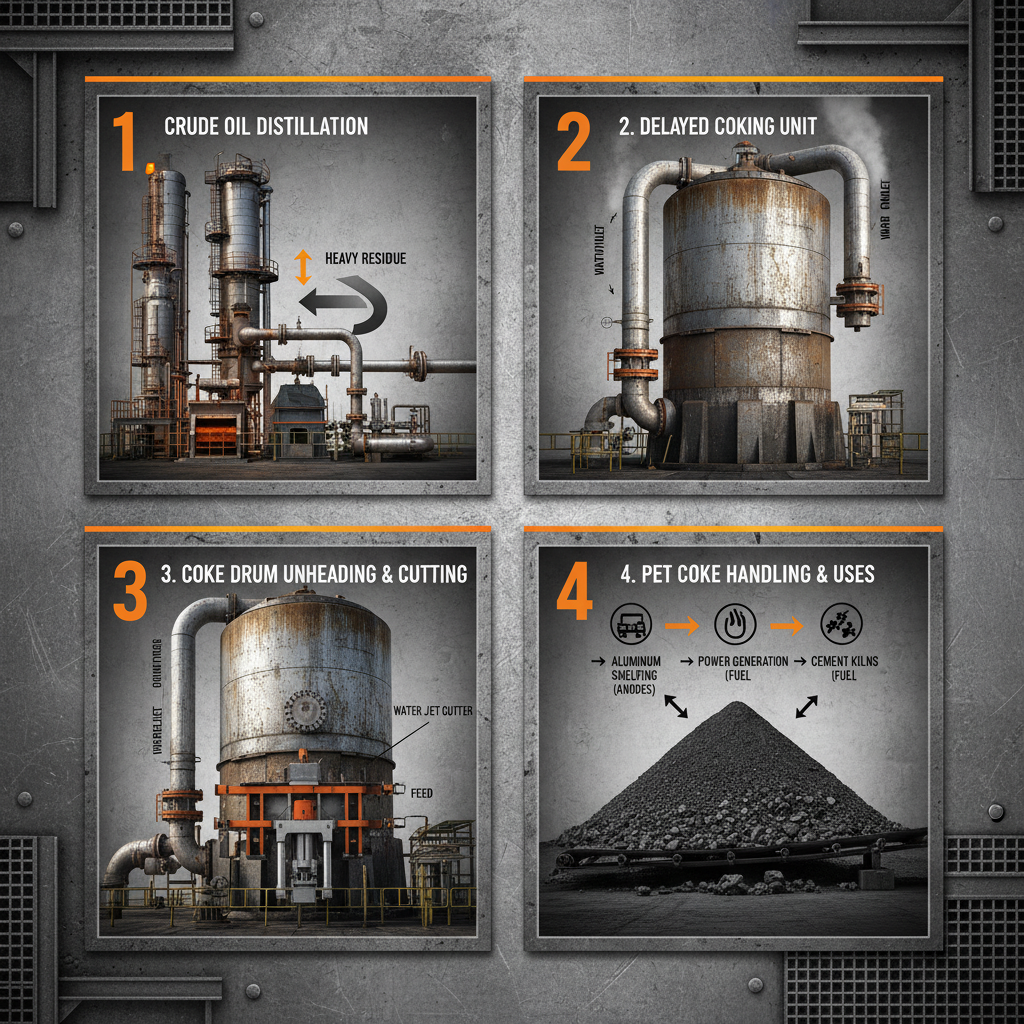
Understanding Petroleum Coke: Production & Types
Petroleum coke is created as a final byproduct of the coking process in oil refineries. Refineries use a process called delayed coking to convert heavy oil residue into lower-value products like pet coke, gas oil, and naphtha. There are two primary types of pet coke: green pet coke and calcined pet coke. Green pet coke is obtained directly from the delayed coking process and contains a higher moisture content and volatile matter. Calcined pet coke undergoes further processing at high temperatures (typically over 1000°C) to remove impurities and reduce moisture, resulting in a higher carbon content and enhanced electrical conductivity. The type of pet coke required depends on the specific application.
Key Pet Coke Manufacturers Globally
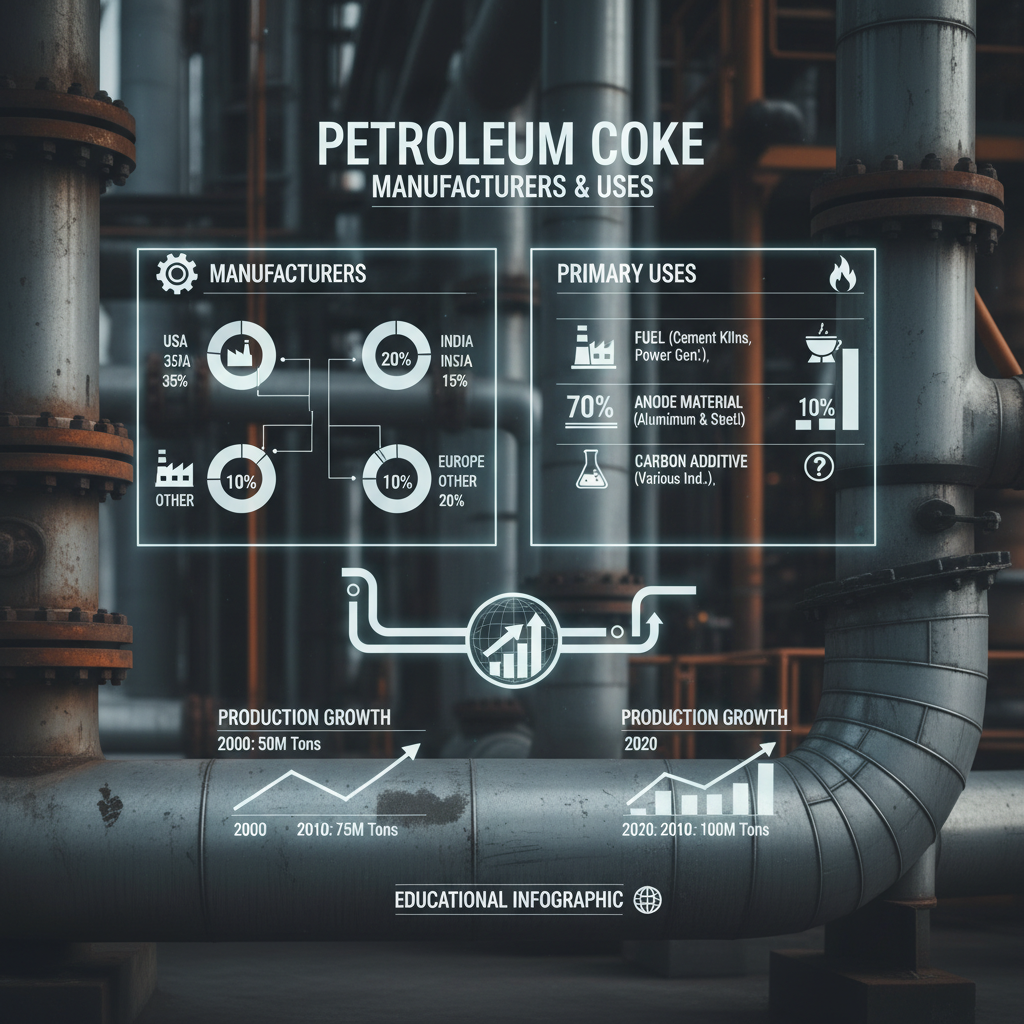
The global pet coke market is dominated by a handful of major manufacturers, primarily located in countries with significant oil refining capacity. Some of the leading pet coke manufacturers include:
Petroleum Coke Uses: A Diverse Range of Applications
Petroleum coke boasts a remarkably diverse range of applications, owing to its high carbon content and thermal conductivity. Key uses include:
- Aluminum Production: The largest single use of calcined pet coke is as the carbon anode material in aluminum smelting.
- Steel Manufacturing: Used as a carbon raiser and in the production of blast furnace coke.
- Power Generation: Used as a fuel source in power plants, though this application is facing increasing environmental scrutiny.
- Cement Production: Used as a partial replacement for coal, reducing costs and emissions.
- Titanium Dioxide Production: Used as a feedstock in the production of titanium dioxide pigment.
- Foundry Applications: Used in the production of various castings.
Green Pet Coke vs. Calcined Pet Coke: A Comparative Analysis
Selecting between green and calcined pet coke depends on the end application. Calcined pet coke, with its higher carbon content and lower impurities, is often preferred for applications demanding high purity and conductivity, like aluminum production. Green pet coke, being less processed, is more cost-effective and is often utilized in applications where purity is less critical. Below is a comparison:
Green Pet Coke vs. Calcined Pet Coke
• Carbon Content: Green (80-90%), Calcined (98-99%)
• Moisture Content: Green (5-15%), Calcined (
• Volatile Matter: Green (5-10%), Calcined (
• Cost: Green (Lower), Calcined (Higher)
Global Trade Dynamics of Petroleum Coke
The petroleum coke market is globally interconnected, with significant trade flows driven by regional refining capacities and demand from end-use industries. Major exporting countries include the United States, China, and India. Importing countries are primarily in Asia, particularly China, India, and Southeast Asian nations, where aluminum and steel production are prominent. Fluctuations in oil prices, environmental regulations, and geopolitical factors can all impact the trade dynamics of pet coke. NL Graphite provides reliable supply and logistical support for its clients worldwide.
Conclusion: The Vital Role of Petroleum Coke in Modern Industry
Petroleum coke remains a critical feedstock for numerous industries, supporting aluminum production, steel manufacturing, and power generation. Understanding the different types of pet coke, the key manufacturers, and global trade patterns is crucial for businesses operating in these sectors. NL Graphite offers consistent quality and reliable supply of petroleum coke to meet the diverse needs of our global clientele.
Frequently Asked Questions (FAQs)
What are the environmental concerns associated with pet coke?
Pet coke combustion releases sulfur dioxide (SO2) and nitrogen oxides (NOx), contributing to air pollution and acid rain. It also contains trace amounts of heavy metals. Due to these concerns, stricter regulations are being implemented regarding its use as a fuel source, particularly in densely populated areas. Efforts are underway to develop cleaner technologies and alternative fuel sources to mitigate these environmental impacts. Proper handling and storage are also crucial to prevent dust emissions.
How is the quality of pet coke assessed?
Pet coke quality is assessed based on several parameters, including carbon content, sulfur content, ash content, moisture content, and volatile matter. These parameters are determined through laboratory analysis. Higher carbon content and lower levels of impurities are generally indicative of higher quality pet coke, particularly for applications like aluminum production. Detailed specifications are often required by buyers to ensure the pet coke meets their specific needs.
What are the key factors influencing pet coke pricing?
Several factors influence pet coke pricing, including crude oil prices, refining margins, supply and demand dynamics, transportation costs, and sulfur content (lower sulfur content generally commands a premium). Geopolitical events and environmental regulations can also impact prices. Demand from major consuming industries, such as aluminum and steel, also plays a significant role. Market volatility can lead to fluctuations in pet coke prices.
What is the future outlook for the pet coke market?
The future of the pet coke market is complex, with both challenges and opportunities. Increasing environmental concerns and stricter regulations may limit its use as a fuel source. However, demand from the aluminum and steel industries is expected to remain strong. The development of carbon capture and storage technologies could potentially mitigate environmental concerns and support continued pet coke utilization. Innovation in refining processes and the search for alternative materials will also shape the market's evolution.
 Pervious
 Next
Next