

- Englist



Professional Graphite Powder Supplier for Industrial Excellence

Finding the Right Graphite Powder Supplier for Industrial Excellence
In the modern industrial landscape, the quality of raw materials often dictates the success of the final product. For sectors ranging from lubrication and metallurgy to battery technology, partnering with a reliable graphite powder supplier is not just a procurement choice, but a strategic advantage. High-purity graphite powder provides essential properties such as superior electrical conductivity, thermal stability, and an incredibly low coefficient of friction. However, with numerous options in the global market, distinguishing a premium supplier from a mediocre one requires a deep understanding of material grades and quality control standards. This guide will explore the critical factors in selecting a partner that ensures consistency and performance for your specific applications.
The Role of a Professional Graphite Powder Supplier in Quality Control
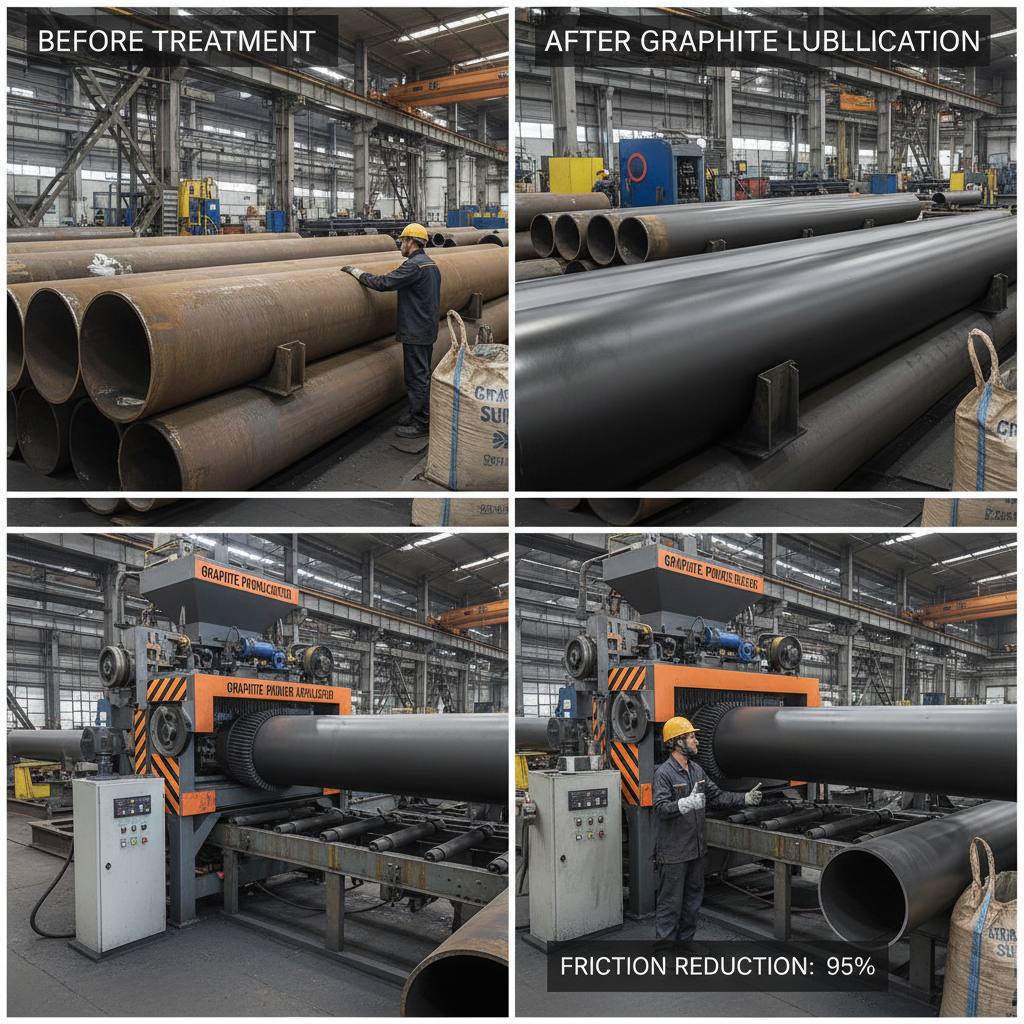
Quality control is the cornerstone of any reputable graphite powder supplier. The performance of graphite is heavily dependent on its carbon content, particle size distribution, and the absence of metallic impurities. A professional supplier employs advanced testing methods, such as Laser Diffraction for particle size analysis and ICP-OES for purity verification. By maintaining strict adherence to international standards, they ensure that every batch delivered is uniform, preventing costly downtime or product failure in your manufacturing line. When the purity levels fluctuate even slightly, it can affect the conductivity of an electrode or the lubrication efficiency of a dry lubricant, making consistency the most valuable asset a supplier can offer.
Quality Checklist: Always verify if your supplier provides a COA (Certificate of Analysis) for every shipment, detailing the Fixed Carbon percentage, Ash content, and Average particle size.
Comparing Natural vs. Synthetic Graphite from Your Supplier
One of the first decisions a buyer must make is whether to source natural or synthetic graphite. A versatile graphite powder supplier should be able to provide both, depending on the application. Natural graphite is mined and processed, offering a cost-effective solution with excellent lubricating properties. Synthetic graphite, on the other hand, is produced through the graphitization of petroleum coke at extreme temperatures, resulting in higher purity and a more controlled crystalline structure. While synthetic options are generally more expensive, they are indispensable for high-tech applications like lithium-ion batteries and specialized semiconductor components.
Industrial Applications Powered by a Graphite Powder Supplier
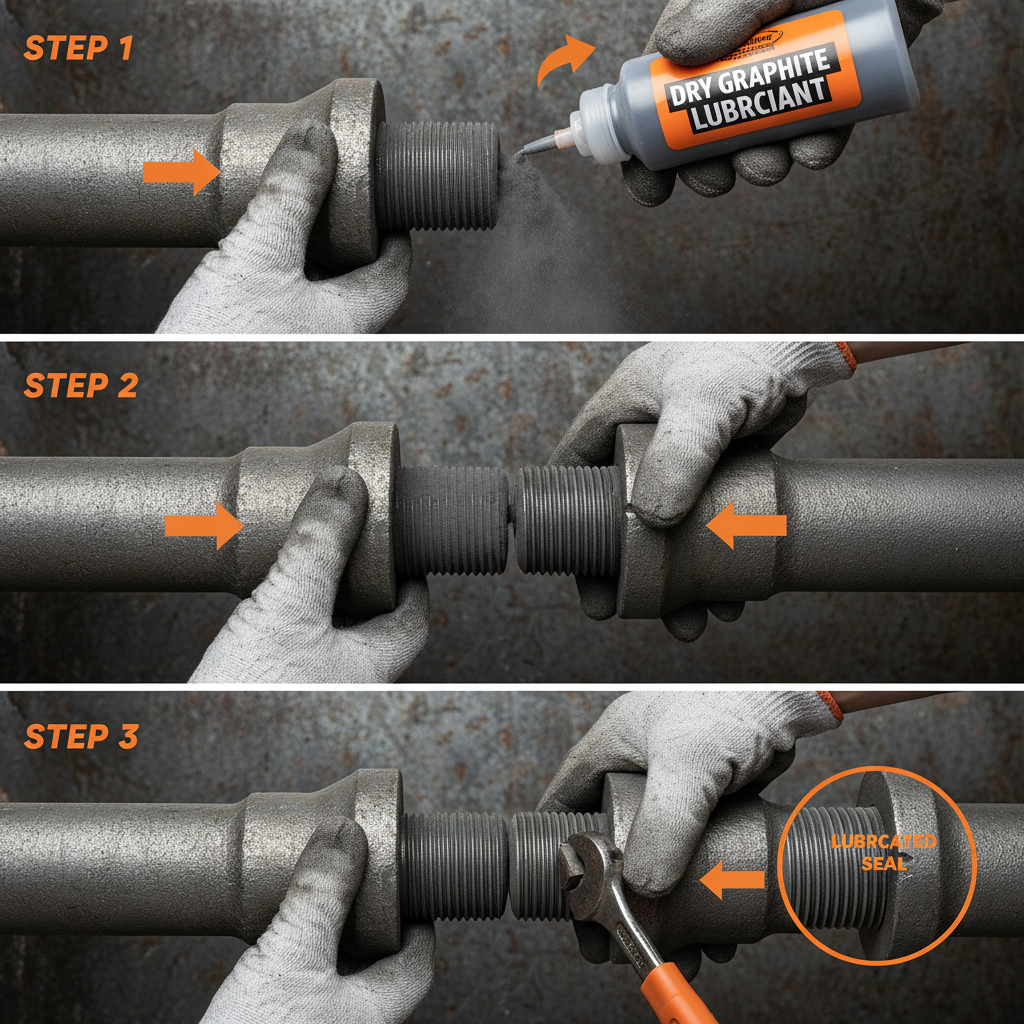
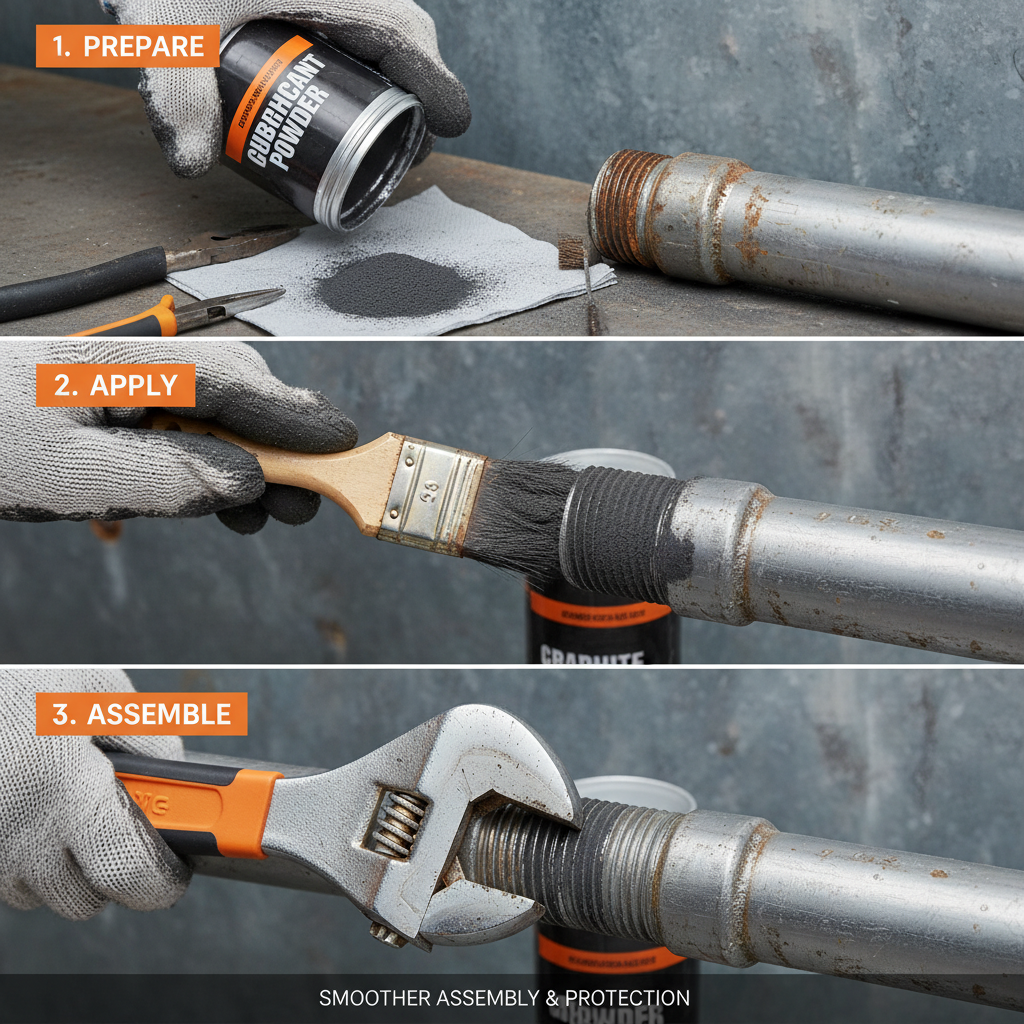
The versatility of graphite powder allows it to permeate almost every industrial sector. In the automotive industry, it is widely used as a high-temperature lubricant for locks and bearings where oil-based products would fail. In the energy sector, the demand for high-purity powder is surging due to the growth of EV batteries. Furthermore, in the metallurgical industry, graphite powder is essential for creating molds and crucibles that can withstand extreme heat without reacting with the molten metal. By working with a specialized graphite powder supplier, companies can customize the particle size—ranging from coarse powder to nano-scale—to optimize the material's interaction with other compounds in a composite.
Logistics and Supply Chain Stability for Graphite Powder
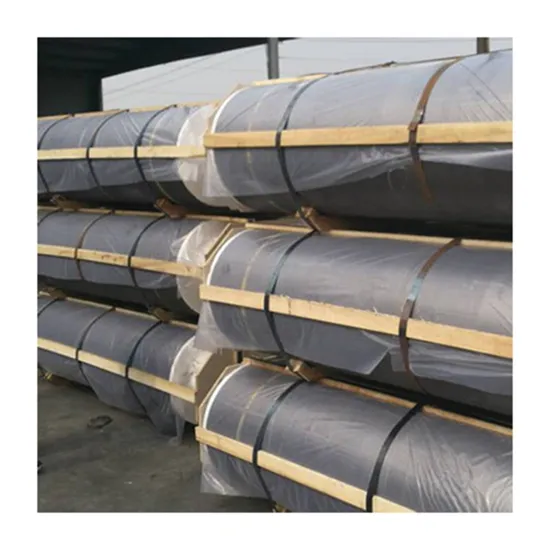
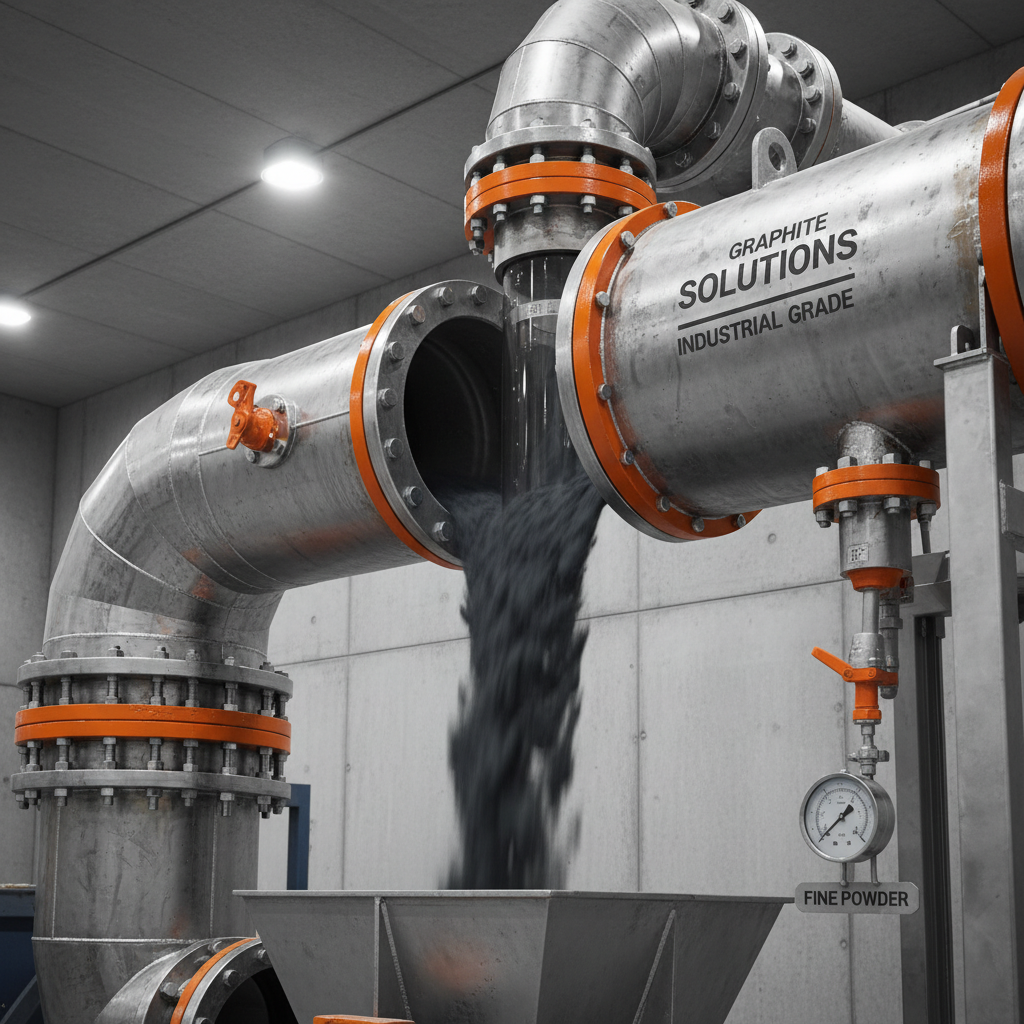
When sourcing from a global graphite powder supplier, logistics are as important as the product itself. Graphite powder is a fine material that can be prone to contamination if not packaged correctly. Premium suppliers use moisture-proof, multi-layered vacuum packaging to ensure the powder remains dry and free from impurities during transit. Additionally, supply chain stability—the ability to provide a steady stream of material regardless of market fluctuations—is critical. A supplier with diverse sourcing channels and robust inventory management can shield your production line from the volatility of raw material prices and geopolitical trade shifts.
Technical Specifications of Premium Graphite Powder
To truly evaluate a graphite powder supplier, one must look at the technical specifications. The "grade" of the powder refers to its purity and physical structure. For instance, "Ultra-Fine" powder is often required for precision coatings, whereas "Coarse" powder is preferred for certain refractory bricks. The table below outlines the typical specifications you should expect from a top-tier supplier to ensure the material meets industrial performance benchmarks.
Sustainable Sourcing and Environmental Responsibility
In today's regulatory environment, sustainability is a non-negotiable factor when selecting a graphite powder supplier. Ethical mining practices and the reduction of carbon footprints during processing are now key metrics for corporate social responsibility (CSR). Forward-thinking suppliers are investing in "green" graphitization processes and closed-loop water systems to minimize environmental impact. By partnering with a supplier that prioritizes eco-friendly production, companies not only ensure compliance with international environmental laws but also enhance their brand image as a sustainable entity in the global supply chain.
Conclusion: Optimizing Your Production with a Top Graphite Powder Supplier
Choosing the right graphite powder supplier is a critical step in maintaining the integrity and efficiency of industrial processes. From ensuring the highest purity levels to guaranteeing supply chain stability and sustainable sourcing, a professional partner brings value far beyond the product itself. By carefully analyzing technical specifications and comparing natural versus synthetic options, businesses can optimize their product performance and reduce long-term operational costs. Invest in quality, consistency, and expertise to drive your industrial success forward.
Frequently Asked Questions (FAQs)
How do I determine the correct particle size for my application?
Determining the correct particle size depends on the desired end-result. For lubrication, a medium-to-fine powder is typically used to ensure a smooth layer. For conductive coatings or battery anodes, ultra-fine or nano-powder is required to increase the surface area and enhance electrical contact. We recommend consulting with your graphite powder supplier and providing a sample of your application environment. Most professional suppliers can provide a range of sample sizes for testing before you commit to a bulk order, ensuring the material integrates perfectly with your current formulation.
What is the difference between "flaky" and "amorphous" graphite powder?
Flaky graphite consists of plate-like crystals that slide over each other easily, making it the ideal choice for lubrication and heat transfer. Amorphous graphite, on the other hand, lacks a defined crystalline structure and is often used in specialized chemical reactions or as a filler where a specific shape is not required. Your supplier can help you choose between these based on whether you need the "slippery" nature of flakes or the uniform blending capabilities of amorphous powder. This distinction is vital for the physical properties of your final product.
How should graphite powder be stored to prevent contamination?
Graphite powder should be stored in a cool, dry, and well-ventilated area. Because it is a fine powder, it can easily absorb moisture from the air or attract dust and metallic particles, which can compromise its purity. It is best kept in its original sealed packaging until use. If transferred to internal containers, ensure they are made of non-reactive materials (like high-density polyethylene) and are airtight. Proper storage prevents clumping and ensures that the high-purity standards provided by your graphite powder supplier are maintained until the moment of application.
Can graphite powder be customized for specific industrial needs?
Yes, most premium suppliers offer customization services. This includes adjusting the purity levels (by further refining the carbon content), modifying the particle size distribution to meet a specific micron range, or even pre-mixing the graphite with other additives to create a composite powder. Customization is particularly important for aerospace and medical device manufacturing, where tolerances are extremely tight. By collaborating closely with a technical supplier, you can develop a proprietary grade of graphite that gives your product a competitive edge in performance and durability.
 Pervious
 Next
Next