

- Englist



Comprehensive Analysis of Global Petcoke Prices Trends and Influencing Factors

Understanding Global Petcoke Prices
Petcoke, a byproduct of oil refining, is a crucial carbon material utilized in various industries, including aluminum production, steel manufacturing, and cement production. Fluctuations in global petcoke prices significantly impact the cost structures of these sectors. This article provides a comprehensive overview of the factors influencing petcoke pricing, recent trends, regional variations, and future outlook. Understanding these dynamics is essential for businesses reliant on petcoke as a raw material. We will explore supply and demand, geopolitical influences, and transportation costs, providing a detailed analysis for informed decision-making.
Factors Influencing Global Petcoke Prices
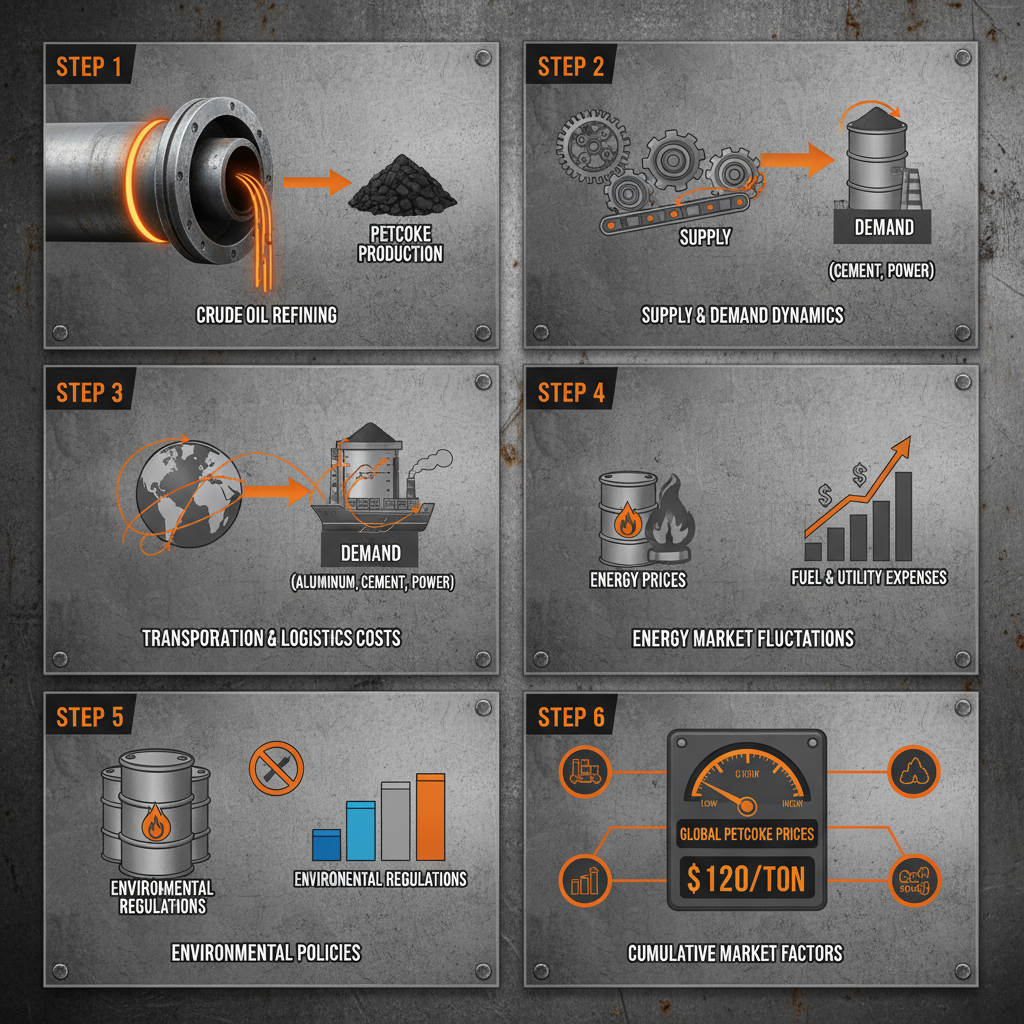
Several key factors dictate the price of petcoke on a global scale. The most significant is the price of crude oil, as petcoke is a byproduct of the refining process. Increased crude oil prices generally lead to higher petcoke prices, while a decline in oil prices tends to lower them. Secondly, demand from the aluminum industry, which is the largest consumer of petcoke, plays a vital role. Strong aluminum demand pushes prices upward, and vice versa. Supply disruptions, whether due to refinery maintenance or geopolitical events, can also create price volatility. Finally, transportation costs, including shipping rates and inland transportation, add to the overall cost, particularly for buyers located far from production centers. NL Graphite provides consistent quality and logistical expertise to mitigate these costs.
Key Highlights: The price of petcoke is fundamentally linked to crude oil prices and aluminum demand. Supply disruptions and transportation costs are also significant factors.
Regional Variations in Petcoke Pricing
Petcoke prices differ significantly across regions due to variations in supply, demand, and transportation costs. The United States, being a major oil refining hub, is a significant producer and exporter of petcoke. Consequently, US prices tend to be competitive. However, prices in Asia, particularly in China and India (major aluminum producers), are often higher due to strong demand and longer transportation distances. Europe typically experiences prices somewhere between those of the US and Asia. The availability of alternative fuel sources and environmental regulations can also influence regional pricing. Understanding these regional nuances is vital for sourcing strategies.
Regional Price Influencers:
• US: Major producer, competitive pricing
• Asia: High demand (China, India), higher prices
• Europe: Intermediate pricing, influenced by regulations
Recent Trends in Global Petcoke Prices
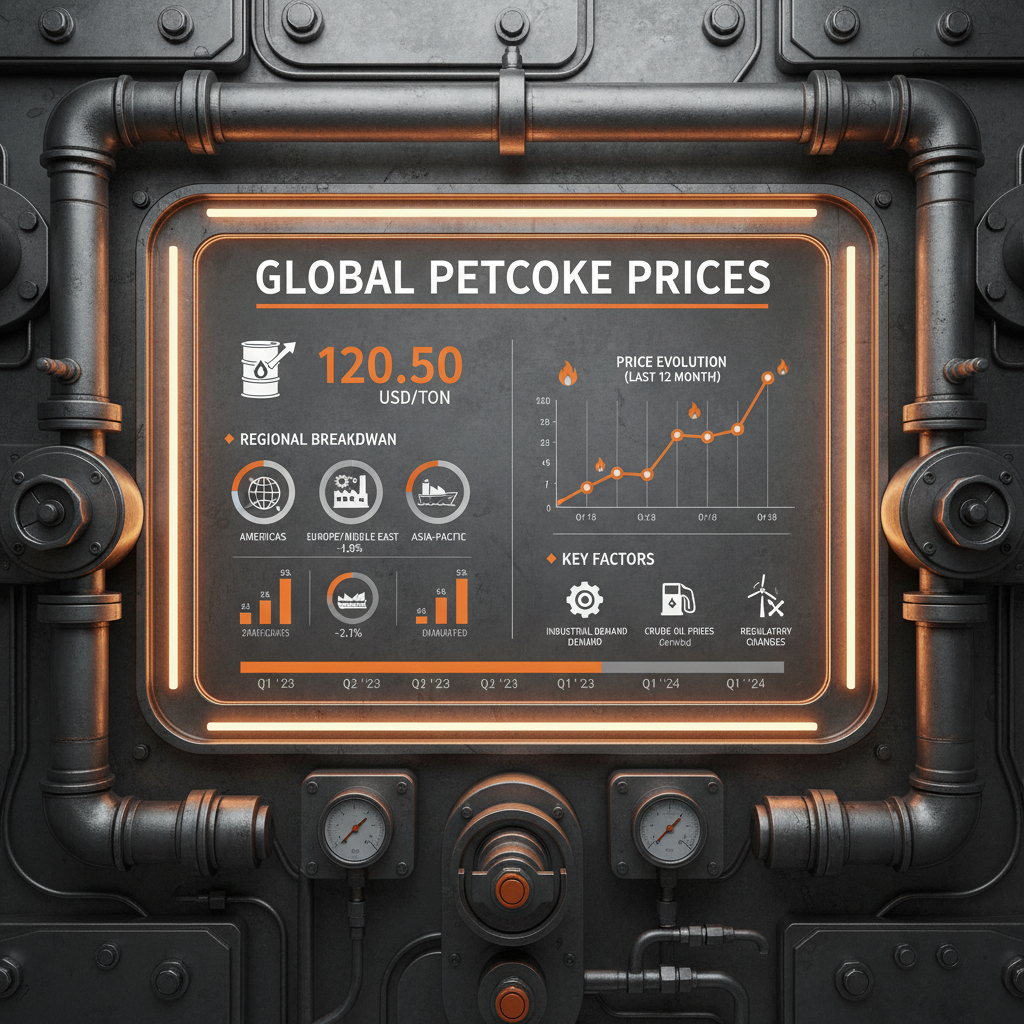
Over the past few years, global petcoke prices have exhibited considerable volatility. In 2022-2023, prices surged due to the energy crisis triggered by geopolitical events and supply chain disruptions. However, as of late 2023 and early 2024, prices have begun to stabilize and show a slight downward trend, influenced by easing energy concerns and increased supply from refineries. The ongoing transition towards greener energy sources and increased efficiency in aluminum production could potentially moderate future demand, putting downward pressure on prices. Monitoring these trends is crucial for strategic sourcing.
Future Outlook for Global Petcoke Prices
Looking ahead, the future of global petcoke prices remains uncertain. While short-term price fluctuations are expected to continue, driven by geopolitical events and economic conditions, long-term trends suggest a potential for gradual decline. The increasing adoption of alternative reducing agents in aluminum production, such as biomass and hydrogen, could decrease demand for petcoke. Furthermore, improvements in energy efficiency and the development of carbon capture technologies may also impact the petcoke market. However, the availability of cost-effective alternatives and the pace of technological innovation will ultimately determine the extent of this decline.
Product Specifications & Grading
Petcoke is not a homogenous product; different grades are available, each tailored to specific applications. Key specifications include carbon content, sulfur content, moisture content, and ash content. Higher carbon content is generally preferred for aluminum smelting, while lower sulfur content is crucial for environmental compliance. NL Graphite offers a range of petcoke grades to meet diverse customer needs.
Conclusion
Understanding the factors influencing global petcoke prices is critical for businesses reliant on this important material. By staying informed about market trends, regional variations, and future outlook, organizations can make strategic sourcing decisions and mitigate potential risks. NL Graphite offers reliable supply, competitive pricing, and expert guidance to help customers navigate the complexities of the petcoke market.
Frequently Asked Questions (FAQs)
What is the typical lead time for petcoke orders?
Lead times for petcoke orders can vary depending on the quantity, shipping destination, and current market conditions. Generally, lead times range from 2 to 6 weeks. However, large orders or shipments to remote locations may require longer lead times. It's crucial to plan ahead and place orders well in advance to ensure timely delivery. NL Graphite strives to provide efficient logistics and minimize lead times for our customers.
How can I mitigate the risk of price volatility in the petcoke market?
Mitigating price volatility involves diversifying your sourcing options, establishing long-term contracts with suppliers, and utilizing hedging strategies. Long-term contracts can provide price stability, while diversification reduces reliance on a single source. Hedging, through financial instruments, can protect against unexpected price increases. Regularly monitoring market trends and maintaining strong relationships with suppliers are also essential. NL Graphite can help develop tailored sourcing strategies.
What are the environmental considerations associated with petcoke usage?
Petcoke combustion can release sulfur dioxide and other pollutants, contributing to air pollution. Therefore, it's important to use petcoke in facilities equipped with emission control technologies, such as scrubbers and filters. Additionally, sourcing petcoke from suppliers committed to responsible environmental practices is crucial. The industry is increasingly exploring carbon capture and storage technologies to mitigate the environmental impact of petcoke combustion.
 Pervious
 Next
Next