

- Englist



Comprehensive Guide to Petroleum Coke Use and Industrial Applications

Petroleum Coke Use: A Comprehensive Guide
Petroleum coke, often shortened to petcoke, is a carbon-rich byproduct of oil refining. While sometimes viewed as a waste product, it boasts a wide range of industrial applications. Understanding its properties and uses is crucial for businesses operating in sectors like aluminum production, steel manufacturing, and more. This article delves into the diverse world of petroleum coke, exploring its production, grades, and applications. We'll also look at the key factors to consider when sourcing petcoke for your specific needs.
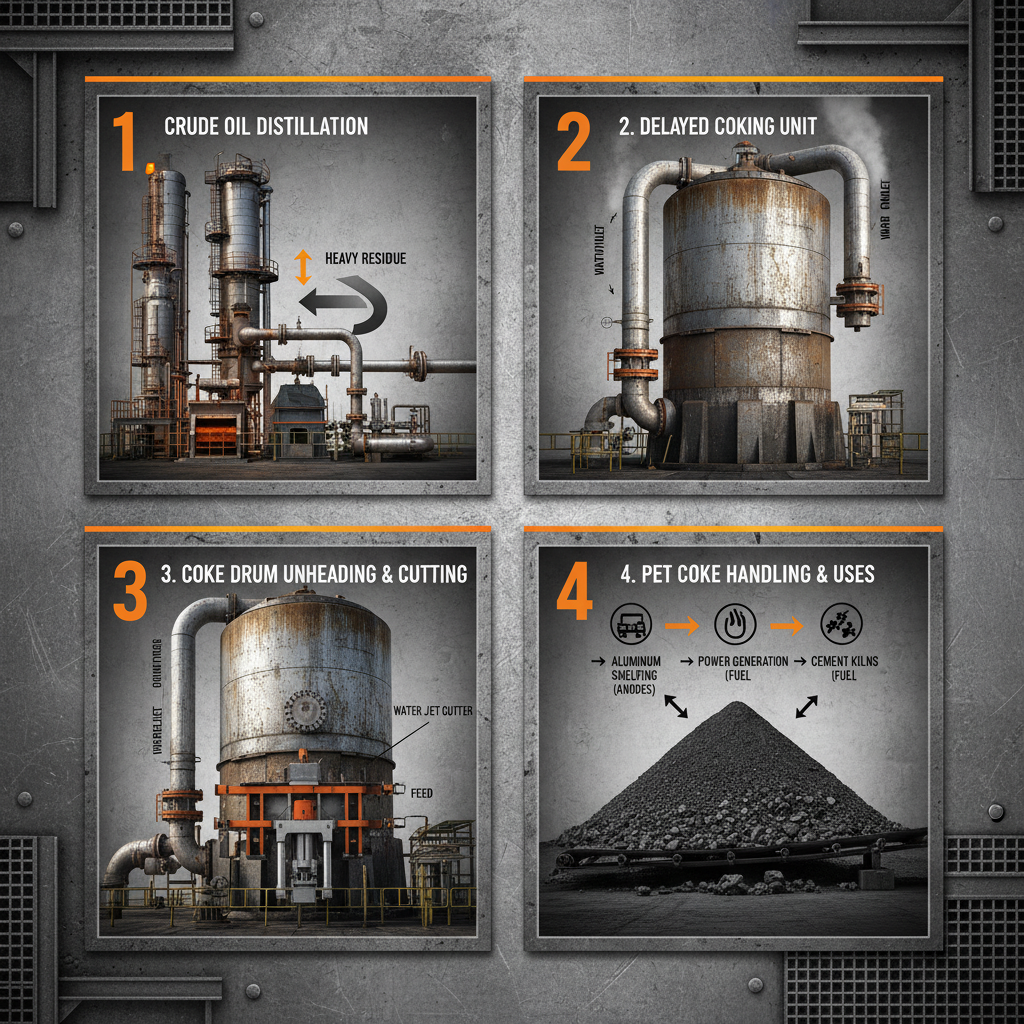
What is Petroleum Coke and How is it Produced?
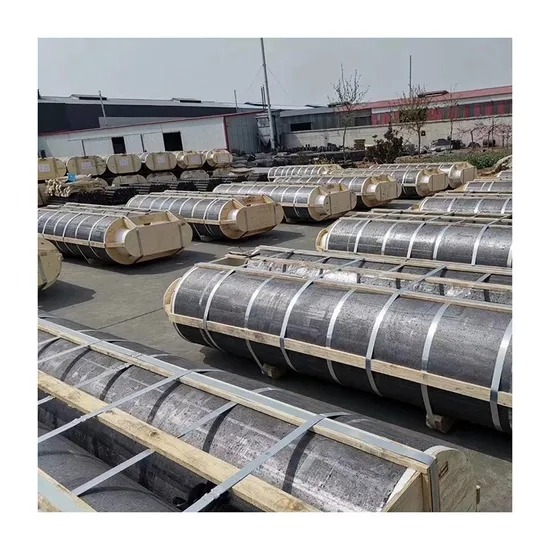
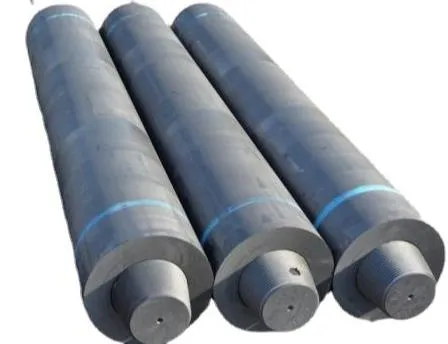
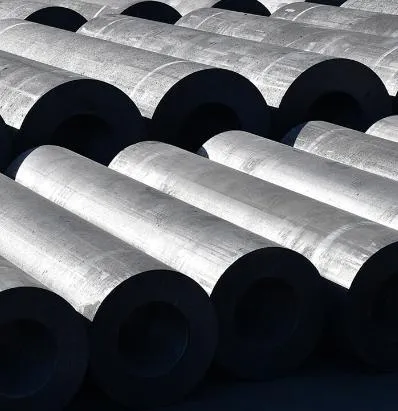
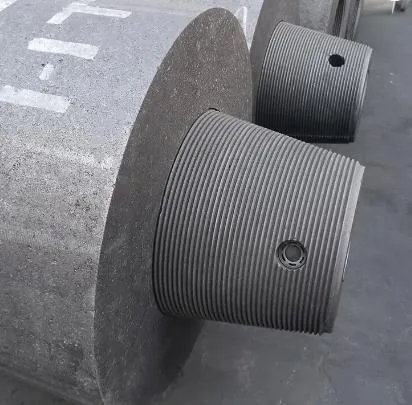
Petroleum coke is a solid carbonaceous material derived from the final stages of oil refining, specifically the delayed coking process. During this process, heavy residual oil is heated to high temperatures, causing it to crack into lighter hydrocarbons and solid coke. This coke is then quenched, crushed, and screened to various sizes. There are primarily two types of petcoke: needle coke and sponge coke. Needle coke is characterized by its acicular (needle-like) structure and is primarily used in the production of graphite electrodes for the aluminum industry. Sponge coke, which has a more porous structure, finds applications in a wider range of industries, including power generation and cement manufacturing. NL Graphite provides high quality petroleum coke solutions to various industrial clients.
Key Takeaways: Petroleum coke is a byproduct of oil refining, available in two main types (needle and sponge), and possesses valuable properties for numerous industrial applications.
Key Applications of Petroleum Coke
The versatility of petroleum coke stems from its high carbon content and relatively low cost. The primary application of petcoke is in the aluminum industry, where it serves as the carbon source for producing anodes, essential components in the electrolytic smelting process. Beyond aluminum, petcoke is widely used as a fuel source in power plants and cement kilns, offering a cost-effective alternative to coal. It’s also used in the production of titanium dioxide, a white pigment used in paints, plastics, and paper. Furthermore, it finds application in the steel industry as a recarburizer, adding carbon to molten steel to achieve desired properties.
Petroleum Coke Applications:
• Aluminum Production (Anodes)
• Power Generation (Fuel Source)
• Cement Manufacturing (Fuel Source)
• Titanium Dioxide Production
• Steel Industry (Recarburizer)
Petroleum Coke Use: Comparing Grades and Specifications
The suitability of petcoke for a specific application depends heavily on its grade and specifications. Factors like fixed carbon content, volatile matter, ash content, and sulfur content all play a crucial role. For aluminum production, high fixed carbon and low sulfur are essential. Power generation typically accepts a wider range of specifications, with a focus on calorific value. Understanding these parameters is vital when sourcing petcoke from suppliers. Here’s a comparative overview of typical specifications for different applications:
Environmental Considerations and Handling
While petcoke offers economic benefits, it’s essential to address environmental concerns. Petcoke can contain trace amounts of heavy metals, and its combustion can release sulfur dioxide and particulate matter. Responsible handling and proper emission controls are critical. Furthermore, dust control measures are necessary during storage and transportation to prevent air pollution. Choosing suppliers committed to sustainable practices and adhering to environmental regulations is paramount. NL Graphite prioritizes responsible sourcing and provides documentation on product specifications and environmental compliance.
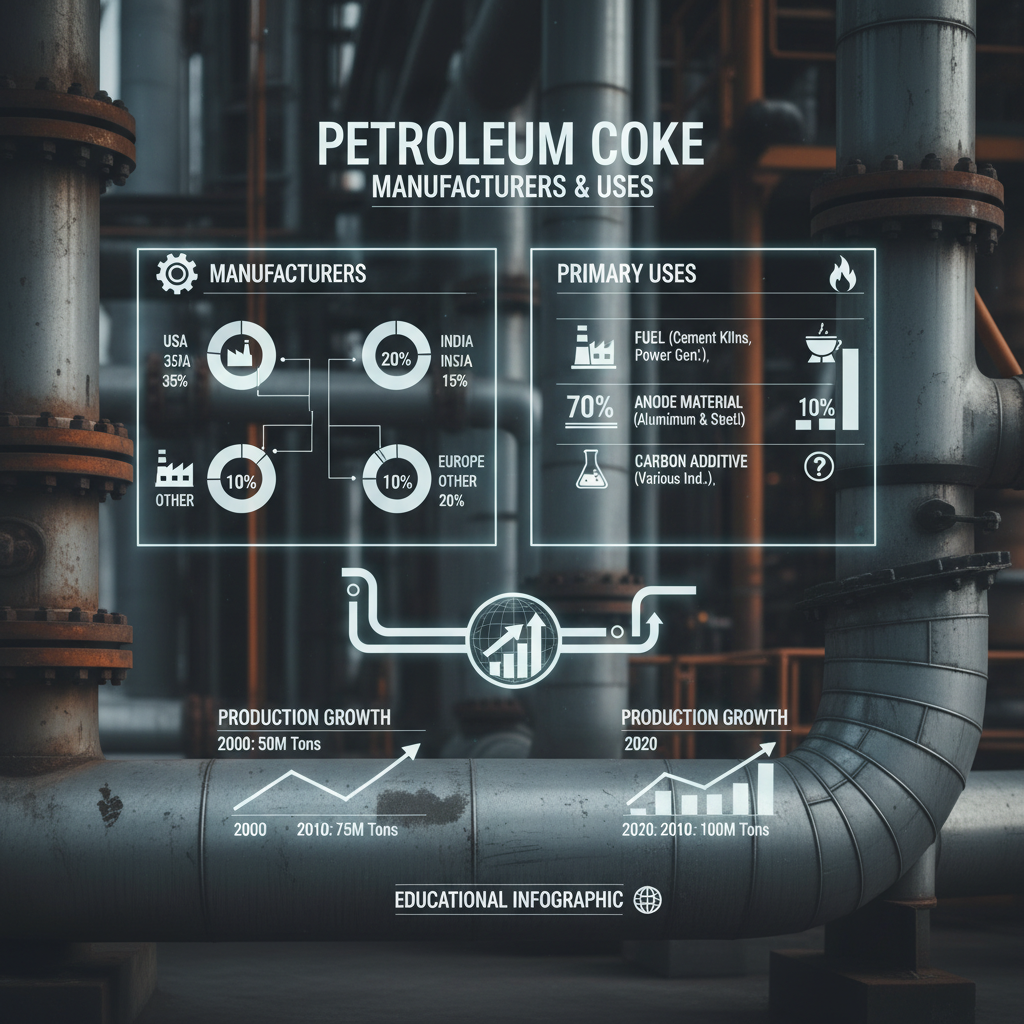
Sourcing Petroleum Coke: Key Considerations
When sourcing petcoke, consider factors beyond just price. Reliability of supply, consistent quality, and adherence to specifications are crucial. Verify the supplier's certifications and commitment to environmental responsibility. Assess their logistics capabilities and ability to meet your delivery requirements. Request detailed product data sheets and conduct independent testing to ensure the petcoke meets your specific application needs. Building a long-term relationship with a reputable supplier like NL Graphite can ensure a consistent supply of high-quality petcoke.
Conclusion: Maximizing Value with Informed Petcoke Use
Understanding the nuances of petroleum coke – from its production and grades to its diverse applications and environmental considerations – is vital for businesses seeking to optimize their operations. By prioritizing quality, sustainability, and a reliable supply chain, you can unlock the full potential of this valuable industrial material. Partner with a trusted supplier like NL Graphite to ensure consistent performance and responsible sourcing.
Frequently Asked Questions (FAQs)
What are the key differences between needle coke and sponge coke?
Needle coke, characterized by its crystalline, needle-like structure, is primarily used in the production of graphite electrodes for the aluminum smelting industry due to its high electrical conductivity. Sponge coke, on the other hand, has a porous, sponge-like structure and is more versatile, finding applications as a fuel source in power generation and cement manufacturing, as well as in the production of titanium dioxide. The key difference lies in their microstructure and resulting properties, making each type suitable for specific applications. Needle coke requires a more refined production process and commands a higher price point than sponge coke.
What is the typical sulfur content in petcoke, and why is it important?
Sulfur content in petcoke can vary significantly, ranging from less than 0.5% in high-quality grades used for aluminum production to up to 3.0% or more in lower-grade fuel-grade petcoke. Sulfur content is a critical factor because, when burned, sulfur dioxide (SO2) is released, contributing to air pollution and acid rain. Aluminum smelters require low-sulfur petcoke to minimize corrosion of anodes and ensure efficient operation. Power plants and cement kilns often utilize higher-sulfur petcoke but require flue gas desulfurization systems to comply with environmental regulations.
Is petcoke considered a renewable energy source?
No, petcoke is not considered a renewable energy source. It's a byproduct of oil refining, which relies on fossil fuels. While it can sometimes be used as a substitute for coal, reducing greenhouse gas emissions compared to coal in some scenarios, it still represents a carbon-intensive fuel. Ongoing research explores methods to capture and utilize the carbon from petcoke combustion, potentially mitigating its environmental impact, but currently, it remains a non-renewable energy source.
 Pervious
 Next
Next