

- Englist



Optimizing Cement Production through the Use of Petcoke in Cement Industry

Use of Petcoke in Cement Industry
The cement industry, a cornerstone of global infrastructure, is constantly seeking ways to optimize production processes and reduce costs. One crucial aspect of this optimization is fuel selection for the kiln, the heart of cement manufacturing. Petroleum coke (petcoke), a byproduct of oil refining, has emerged as a significant alternative fuel source in the cement industry, offering economic and performance advantages. This article will delve into the details of petcoke utilization in cement production, covering its properties, benefits, challenges, and future outlook. Understanding the role of petcoke is essential for industry professionals aiming for efficiency and sustainability.
What is Petcoke and Why is it Used in Cement Production?
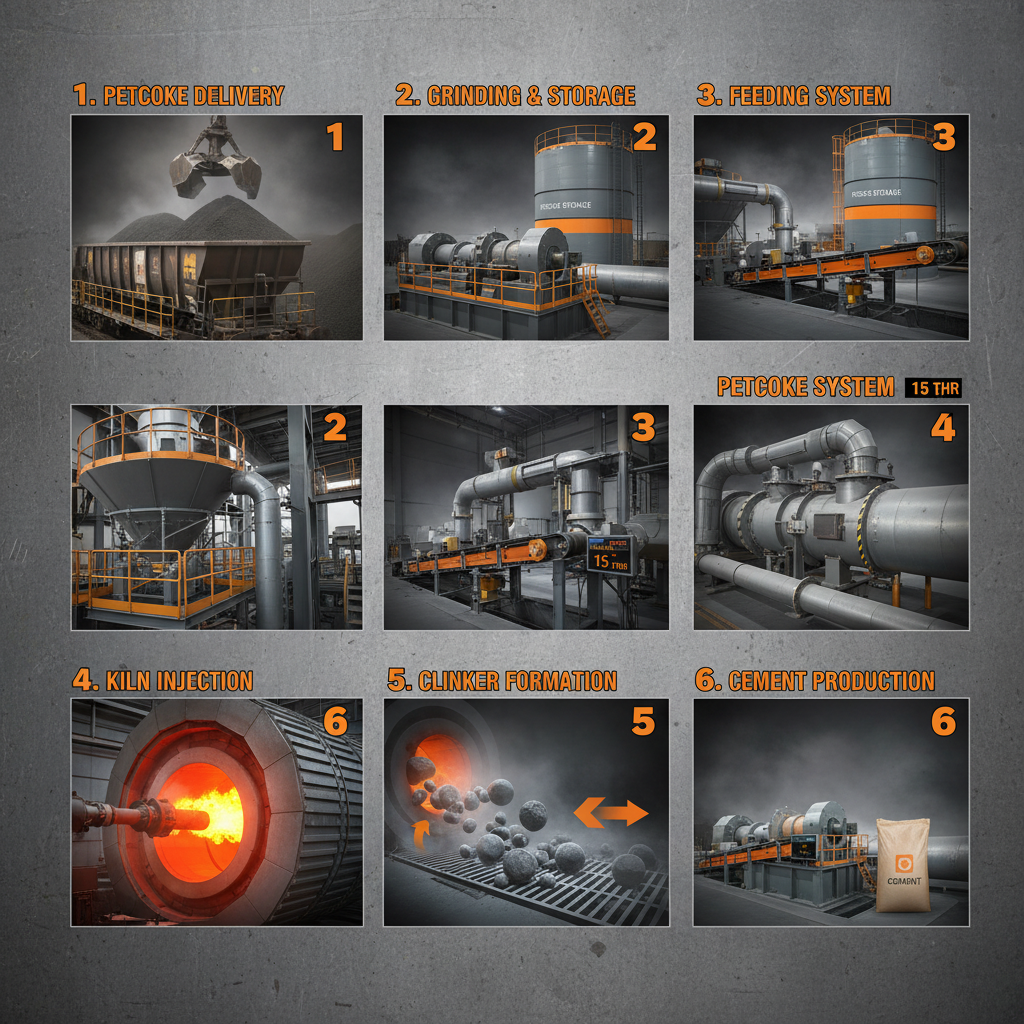
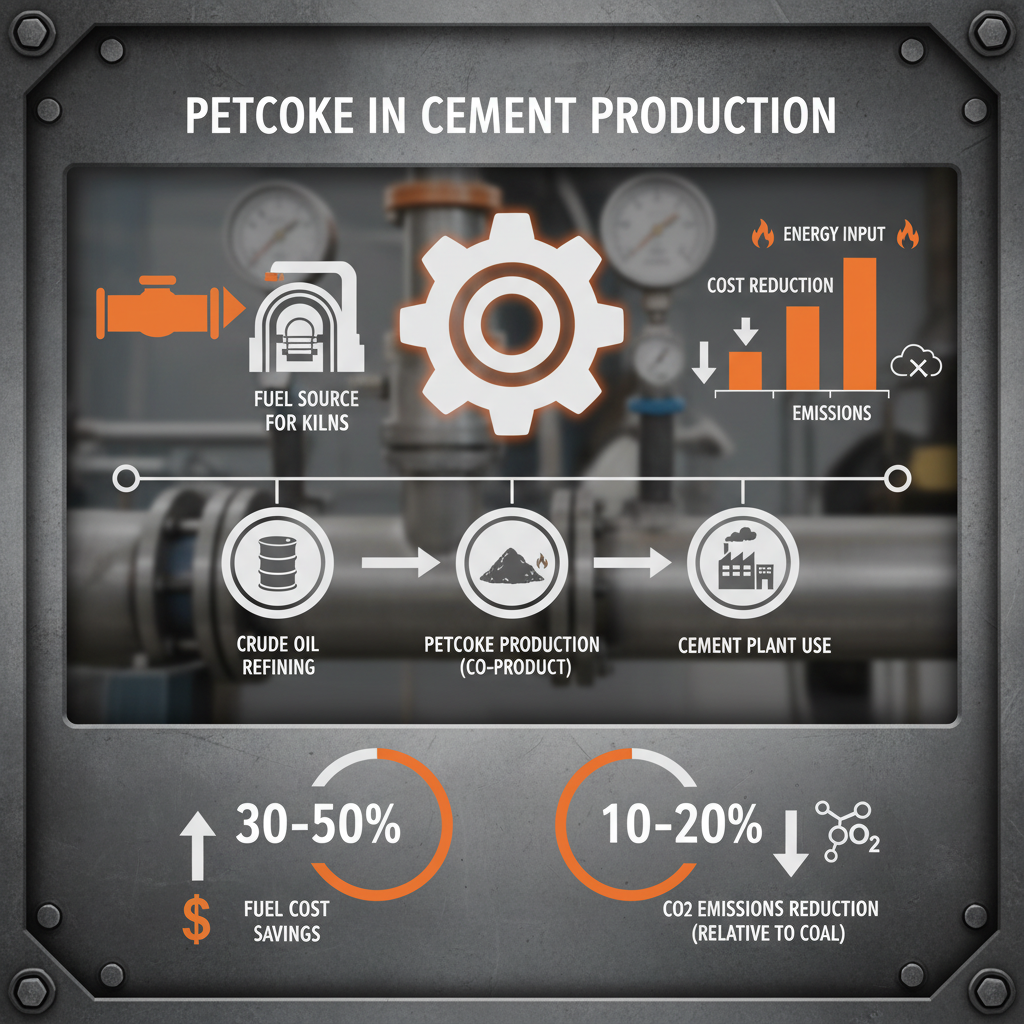
Petroleum coke, often shortened to petcoke, is a carbon-rich solid material derived as a byproduct of the oil refining process, specifically from the coking process used to upgrade heavy oil residues. It’s primarily composed of elemental carbon, with varying amounts of sulfur, nitrogen, and metals. In cement manufacturing, petcoke serves as a primary fuel source for the rotary kiln, providing the high temperatures necessary to initiate the chemical reactions that produce clinker – the key component of cement. Its high calorific value and lower cost compared to traditional fuels like coal make it an attractive alternative. This substitution helps reduce energy expenses and improves the overall economic viability of cement production.
Key Highlights: Petcoke offers a higher energy density than many alternative fuels and contributes to lower NOx emissions when properly burned. It is crucial to note that quality control and proper handling are vital for optimal performance and environmental compliance.
Petcoke vs. Traditional Fuels: A Comparative Analysis
Comparing petcoke to traditional fuels like coal and natural gas reveals significant differences in properties and performance. Petcoke generally boasts a higher heating value per unit weight, meaning more energy is produced for a given amount of fuel. However, its higher fixed carbon content also presents combustion challenges. The sulfur content, while variable, can be a concern for emissions control and requires effective scrubbing technologies. Natural gas offers cleaner combustion but comes with price volatility and supply constraints. The choice of fuel ultimately depends on economic factors, environmental regulations, and the specific characteristics of the cement plant. NL Graphite provides high-quality petcoke solutions for the cement industry.
Fuel Comparison:
• Heating Value: Petcoke (30-35 MJ/kg), Coal (24-30 MJ/kg), Natural Gas (50-55 MJ/kg)
• Sulfur Content: Petcoke (1-6%), Coal (0.5-4%), Natural Gas (negligible)
• Cost: Petcoke (typically lower than coal and natural gas)
• Emissions: Petcoke (requires effective sulfur control), Coal (higher CO2 & SOx), Natural Gas (lower emissions)
Challenges Associated with Petcoke Utilization
Despite its benefits, the use of petcoke is not without its challenges. The high ash content and irregular particle size distribution can lead to combustion instability and reduced efficiency. Furthermore, the potential for sulfur dioxide (SO2) emissions necessitates the installation and operation of flue gas desulfurization (FGD) systems, adding to capital and operating costs. Dust control is also crucial, as petcoke can generate significant dust during handling and storage. Effective dust suppression measures are essential for maintaining a safe and environmentally compliant operation. Careful selection of petcoke quality and implementation of appropriate combustion control strategies are key to mitigating these challenges.
Future Trends and Innovations in Petcoke Utilization
The future of petcoke in the cement industry is linked to advancements in combustion technology and emissions control. Research is focused on developing more efficient burners that can handle the challenges of petcoke combustion while minimizing pollutants. Furthermore, the integration of petcoke with other alternative fuels, such as biomass, is being explored to create synergistic effects and reduce the carbon footprint of cement production. The increasing emphasis on carbon capture, utilization, and storage (CCUS) technologies could also play a role in mitigating the environmental impact of petcoke-fired cement plants. NL Graphite is actively involved in exploring these innovations.
Petcoke Quality Specifications
Ensuring consistent petcoke quality is paramount for efficient and reliable cement production. Typical specifications include:
Conclusion
Petcoke remains a vital fuel source for the cement industry, offering significant economic advantages. While challenges related to emissions and combustion exist, ongoing technological advancements and optimized operational practices are paving the way for its continued and sustainable use. NL Graphite is committed to providing high-quality petcoke solutions and supporting the cement industry's drive towards efficiency and environmental responsibility.
Frequently Asked Questions (FAQs)
What are the environmental concerns associated with petcoke use?
The primary environmental concern is the potential for sulfur dioxide (SO2) emissions during combustion, contributing to acid rain and respiratory problems. However, effective flue gas desulfurization (FGD) systems can significantly reduce SO2 emissions. Another consideration is the carbon footprint associated with petcoke production and combustion, but this is comparable to or lower than that of coal. Furthermore, petcoke handling can generate dust, requiring careful dust control measures.
How does petcoke compare to coal in terms of emissions?
While both petcoke and coal produce emissions, petcoke generally offers a slight advantage in terms of NOx emissions when burned efficiently. However, petcoke can have higher sulfur content than some types of coal, potentially leading to higher SO2 emissions if not properly controlled. CO2 emissions are comparable, depending on the specific types of coal and petcoke used and the efficiency of the combustion process.
What is the role of NL Graphite in supplying petcoke for the cement industry?
NL Graphite is a trusted supplier of high-quality petcoke specifically tailored for the cement industry. We focus on providing consistent quality, reliable supply, and technical support to optimize petcoke utilization in cement production. We offer various grades of petcoke to meet specific customer requirements and environmental regulations.
What are the storage requirements for petcoke?
Petcoke should be stored in a dry, well-ventilated area away from sources of ignition. It’s essential to prevent moisture absorption, as this can lead to combustion issues. Enclosed storage facilities are recommended to minimize dust emissions and prevent contamination. Proper housekeeping and dust suppression measures are crucial during handling and storage.
 Pervious
 Next
Next