

- Englist


Optimizing Industrial Processes with the Right Graphite Rod Electrode Selection

Choosing the Right Graphite Rod Electrode for Your Application
Selecting the appropriate graphite rod electrode is crucial for ensuring efficient and high-quality results in various industrial processes. From electric arc furnaces to electrochemical machining, the properties of the electrode directly impact performance. This article will explore the key considerations, applications, and benefits of using high-quality graphite rod electrodes, with a focus on helping you make the best choice for your specific needs. Proper electrode selection leads to increased productivity and reduced operational costs.
Understanding Graphite Rod Electrodes
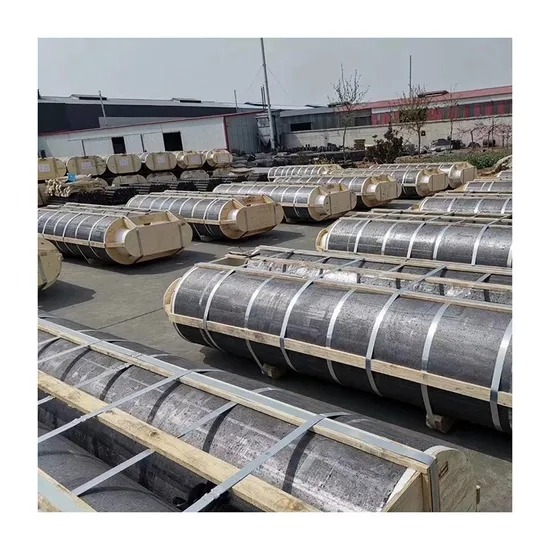
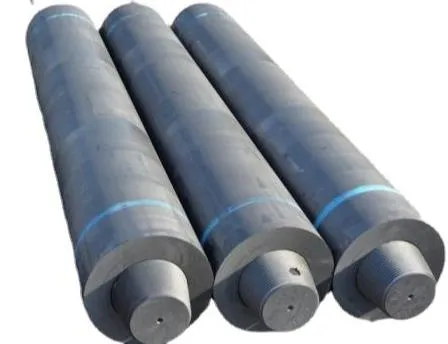
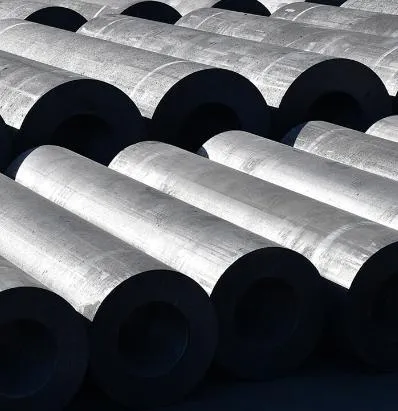
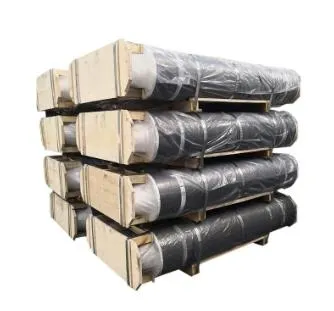
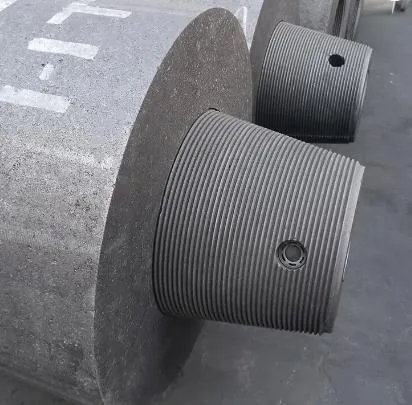
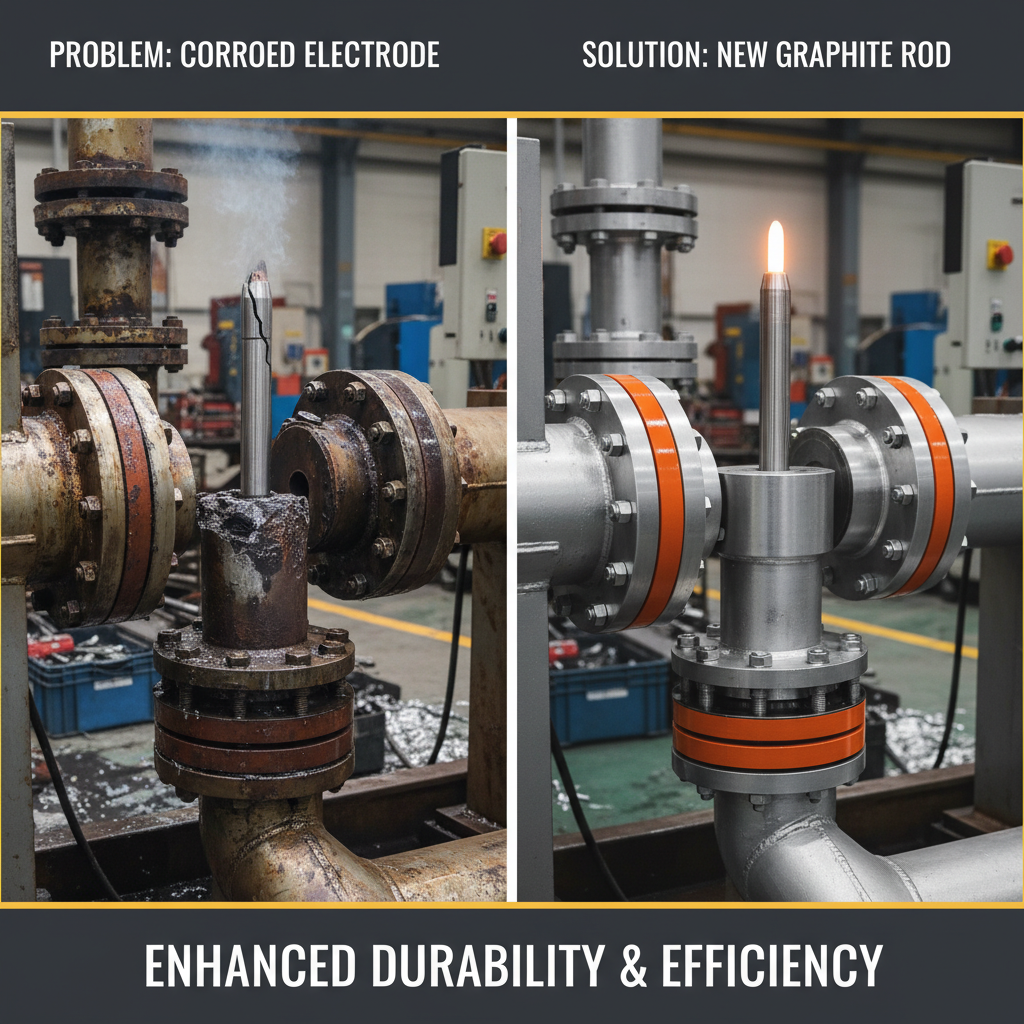
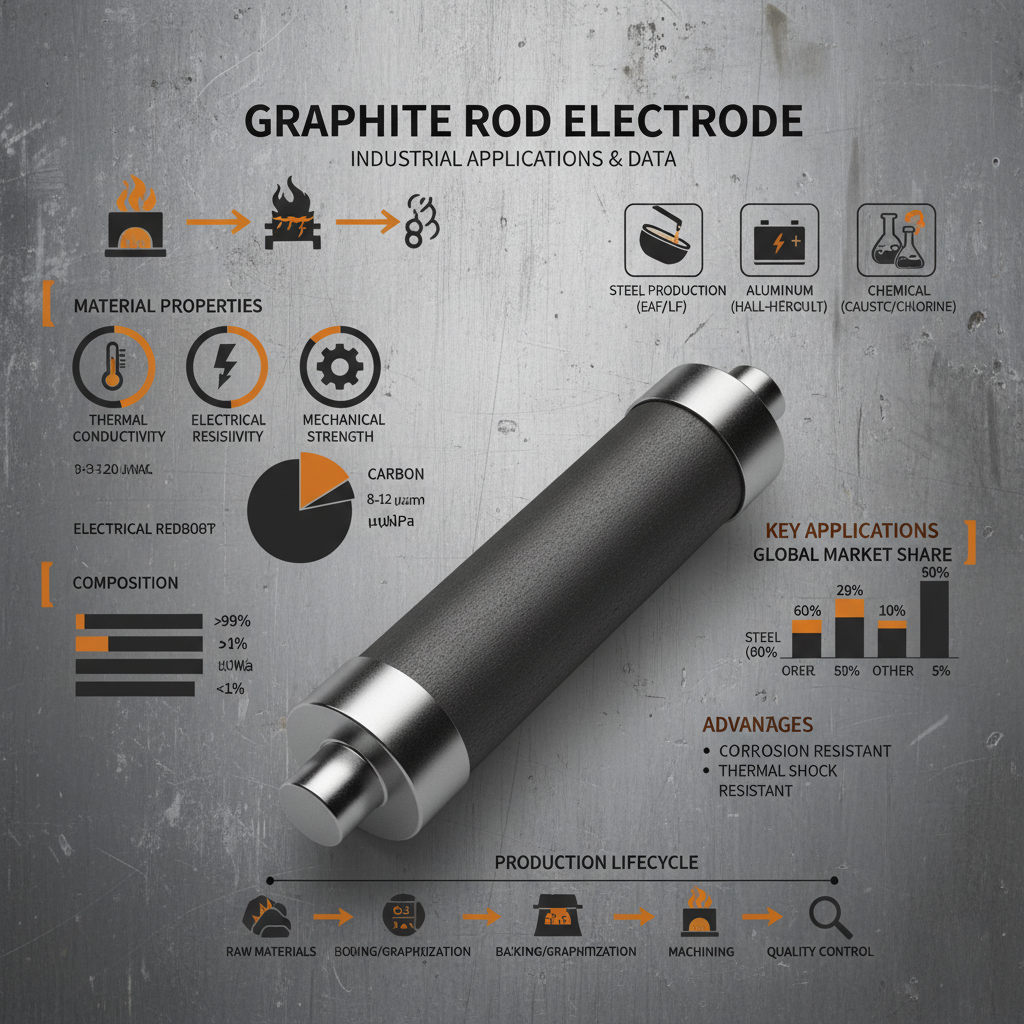
Graphite rod electrodes are typically manufactured from high-purity graphite, a crystalline form of carbon. Their unique properties – including excellent electrical conductivity, high thermal stability, and resistance to chemical corrosion – make them ideal for a range of demanding applications. The quality of the graphite, the manufacturing process, and specific additives all contribute to the electrode's performance characteristics. Different grades of graphite are available, tailored to suit specific industrial requirements. These electrodes serve as a vital component in processes needing a stable and conductive medium. NL Graphite specializes in providing customized graphite solutions for varied applications.
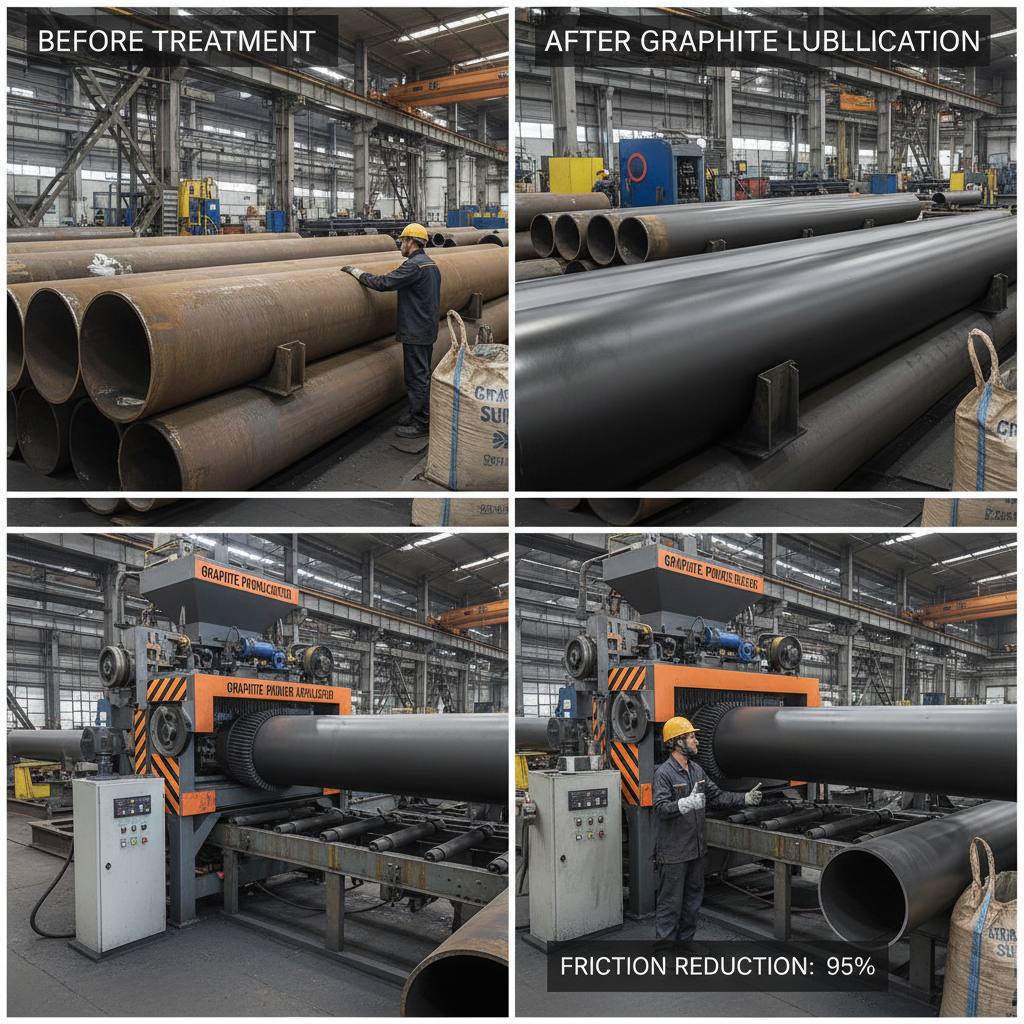
Key Properties: Excellent electrical conductivity, high thermal stability, resistance to chemical corrosion, and low friction coefficient.
Applications of Graphite Rod Electrodes
Graphite rod electrodes find widespread use across numerous industries. In electric arc furnaces (EAFs) used for steelmaking, they conduct the electric current needed to melt scrap metal. They are also critical in electrochemical machining (ECM), a precision manufacturing process. Other applications include electrolysis, resistance welding, and as heating elements. The demand for high-quality graphite electrodes is consistently growing, driven by the increasing need for efficient and sustainable industrial processes. The choice of electrode size, grade, and length depends heavily on the specific application.
Common Applications:
• Electric Arc Furnaces (EAFs)
• Electrochemical Machining (ECM)
• Electrolysis Processes
• Resistance Welding
Key Factors to Consider When Choosing a Graphite Rod Electrode
Selecting the optimal graphite rod electrode requires careful consideration of several factors. These include the electrical current requirements, the operating temperature, the chemical environment, and the desired electrode consumption rate. The electrode's grain size and density also play a significant role in its performance and longevity. Furthermore, the mechanical strength and resistance to thermal shock are crucial in applications involving rapid temperature changes. NL Graphite's experts can assist in evaluating these factors and recommending the most appropriate electrode for your specific application.
Benefits of Using High-Quality Graphite Electrodes
Investing in high-quality graphite rod electrodes delivers several significant benefits. These include improved process efficiency, reduced electrode consumption, enhanced product quality, and decreased downtime. Superior electrodes exhibit greater resistance to wear and tear, leading to longer service life and lower overall costs. Furthermore, they contribute to a more stable and reliable operation, minimizing the risk of disruptions and ensuring consistent performance. NL Graphite prioritizes delivering electrodes that meet these exacting standards.
Choosing the Right Supplier: Why Partner with NL Graphite?
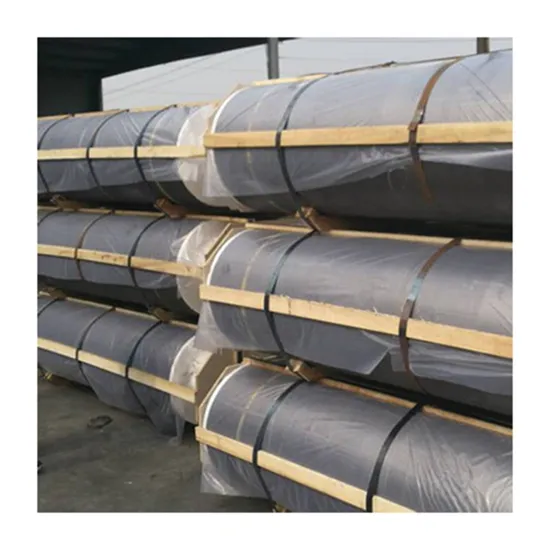
Selecting a reliable supplier is just as important as choosing the right electrode. NL Graphite is a leading manufacturer and supplier of high-quality graphite rod electrodes, offering a wide range of grades and sizes to meet diverse industrial needs. We provide expert technical support, customized solutions, and competitive pricing. Our commitment to quality and customer satisfaction makes us a trusted partner for businesses across various industries. We deliver consistent product quality and efficient service.
Conclusion: Ensuring Optimal Performance with the Right Electrode
Choosing the right graphite rod electrode is an investment in efficiency, reliability, and cost savings. By considering the factors outlined in this article and partnering with a trusted supplier like NL Graphite, you can ensure optimal performance and maximize the value of your industrial processes. Don't compromise on quality – choose NL Graphite for your graphite electrode needs.
Frequently Asked Questions (FAQs)
What is the typical lifespan of a graphite rod electrode?
The lifespan of a graphite rod electrode varies significantly depending on the application, operating conditions, and the quality of the electrode itself. Generally, electrodes in electric arc furnaces may last several weeks or months, while those used in ECM processes might have a shorter lifespan due to the higher material removal rates. Factors like current density, electrode diameter, and the presence of contaminants can all impact longevity. Regular monitoring of electrode consumption is crucial for optimal performance and to prevent unexpected downtime. NL Graphite offers expertise in calculating estimated electrode lifespan based on your specific process parameters.
How does the grain size of graphite affect electrode performance?
The grain size of the graphite significantly influences its properties. Larger grain sizes generally result in higher strength and better resistance to thermal shock, but may reduce electrical conductivity. Smaller grain sizes, on the other hand, enhance electrical conductivity and improve surface finish in applications like ECM. The optimal grain size depends on the specific application requirements. NL Graphite offers a range of graphite grades with varying grain sizes to meet diverse needs.
Can graphite electrodes be re-machined or re-tipped?
In some cases, graphite electrodes can be re-machined or re-tipped to extend their lifespan, particularly when only a small portion of the electrode is worn or damaged. However, this is not always feasible or cost-effective, as it can compromise the structural integrity of the electrode. The viability of re-machining depends on the extent of the damage, the electrode's design, and the specific application. NL Graphite can assess the feasibility of re-machining and provide expert guidance.
What safety precautions should be taken when handling graphite electrodes?
While graphite is generally considered a safe material, certain precautions should be taken when handling electrodes. Graphite dust can be irritating to the respiratory system and skin, so it's essential to wear appropriate personal protective equipment (PPE) such as dust masks and gloves. Avoid creating excessive dust during handling and machining. Additionally, ensure proper ventilation in the work area. Consult the Material Safety Data Sheet (MSDS) for detailed safety information.
 Pervious
 Next
Next