

- Englist



Understanding Calcined Petcoke Prices Trends and Influencing Factors

Calcined Petcoke Prices: A Comprehensive Guide
Understanding calcined petcoke prices is crucial for industries relying on this vital carbon material. Calcined petroleum coke (CPC) plays a significant role in aluminum production, steel manufacturing, and titanium dioxide pigment production. Fluctuations in price can significantly impact operational costs. This article provides a detailed overview of factors influencing CPC prices, current market trends, and where to source high-quality calcined petcoke. We will explore historical pricing data and future forecasts, offering valuable insights for procurement professionals.

Factors Influencing Calcined Petcoke Prices
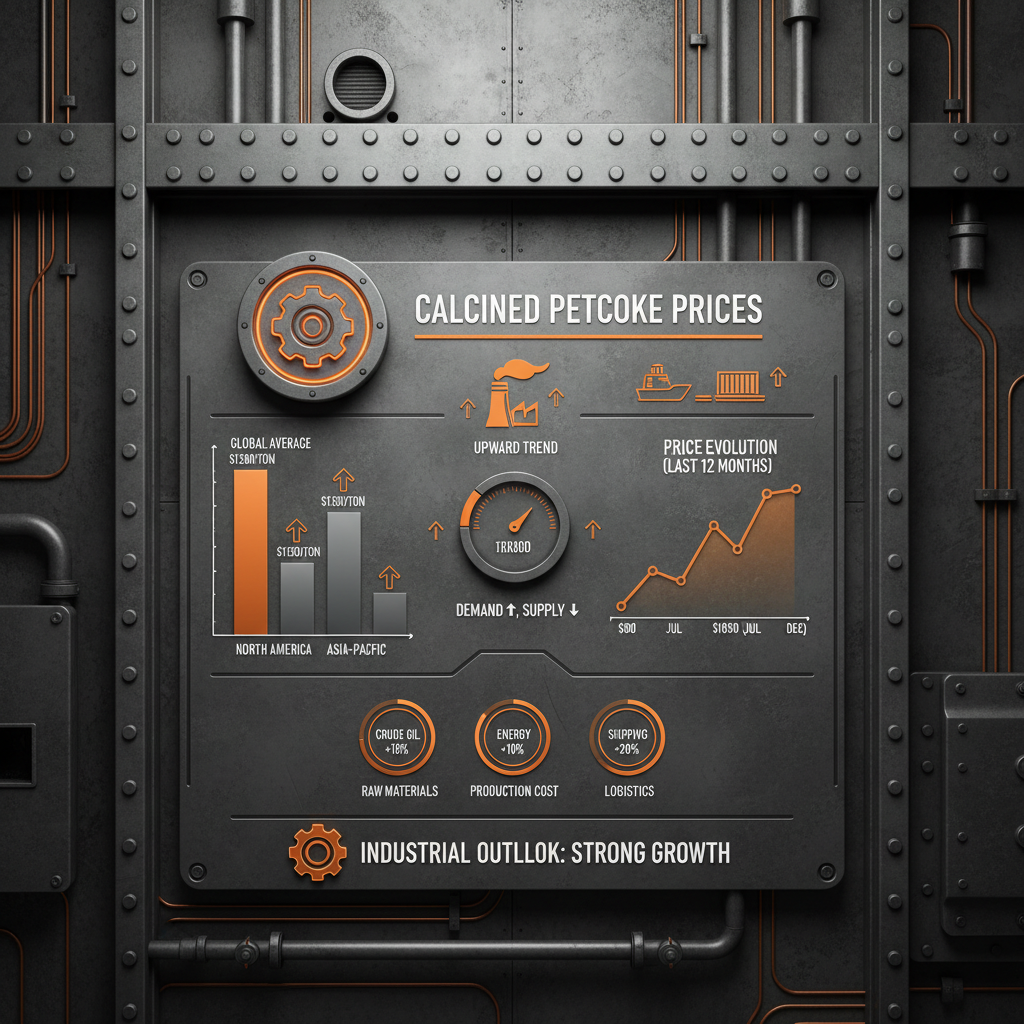
Several key factors contribute to the variability of calcined petcoke prices. Crude oil prices are a primary driver, as petroleum coke is a byproduct of oil refining. Increased crude oil prices typically lead to higher CPC prices. Supply and demand dynamics also play a critical role, with demand surging from the aluminum and steel industries often leading to price increases. Geopolitical events, particularly in oil-producing regions, can disrupt supply chains and impact prices. Furthermore, transportation costs, environmental regulations, and the sulfur content of the petcoke all contribute to the final price point. Quality specifications, such as fixed carbon content and grain size, also influence price; higher quality CPC commands a premium.
Key Highlights: Crude oil prices, supply & demand, geopolitical factors, transportation costs, and sulfur content are major determinants of calcined petcoke pricing.
Historical Calcined Petcoke Price Trends
Over the past decade, calcined petcoke prices have exhibited significant volatility. From 2010-2014, prices were relatively stable, averaging around $300-$400 per metric ton. However, in 2015-2016, prices plummeted due to a global oversupply of petroleum coke and a slowdown in the aluminum market. Prices bottomed out at around $150-$200 per ton. Since 2017, prices have gradually recovered, driven by increased demand and stricter environmental regulations on green petcoke. Recent years (2022-2023) have seen a substantial increase, influenced by energy market disruptions and supply chain challenges, reaching upwards of $500 - $700+ per metric ton depending on specifications and origin.
Price Trend Summary:
• 2010-2014: $300 - $400/ton
• 2015-2016: $150 - $200/ton (Oversupply)
• 2017-2021: Gradual Recovery
• 2022-2023: $500 - $700+/ton (Energy Market Disruptions)
Calcined Petcoke Prices: Regional Variations
Calcined petcoke prices vary significantly depending on the region. The US Gulf Coast, with its proximity to refineries, typically offers competitive pricing. China is a major consumer and producer, and prices there are heavily influenced by domestic policies and environmental regulations. Prices in Europe tend to be higher due to transportation costs and stricter environmental standards. India, another major consumer, also experiences price fluctuations based on import tariffs and domestic supply. Sourcing from different regions requires careful consideration of quality, shipping costs, and geopolitical risks.
Quality Specifications and Price Correlation
The quality of calcined petcoke directly impacts its price. Key specifications include Fixed Carbon (FC), Ash Content, Sulfur Content, and Volatile Matter. Higher FC content (typically 90%+) indicates a more valuable product for aluminum smelting. Lower Ash Content minimizes impurities. Stringent sulfur limits are increasingly important due to environmental regulations. Lower sulfur content commands a higher price premium. Grain size and morphology also influence performance in specific applications. NL Graphite specializes in providing consistently high-quality CPC meeting demanding specifications.
Sourcing Calcined Petcoke: Choosing a Reliable Supplier
Selecting a reputable supplier is paramount. Consider suppliers with established quality control processes, consistent supply capabilities, and competitive pricing. Look for suppliers who offer detailed product specifications and can provide certifications of analysis. Evaluate their logistics network and ability to deliver on time. NL Graphite is a trusted supplier of calcined petcoke, committed to providing high-quality products and exceptional customer service. We pride ourselves on our reliable supply chain and our ability to meet the diverse needs of our clients.
Conclusion: Navigating the Calcined Petcoke Market
Successfully navigating the calcined petcoke market requires a thorough understanding of pricing factors, regional variations, and quality specifications. Partnering with a reliable supplier like NL Graphite can provide access to consistent quality, competitive pricing, and expert support. Staying informed about market trends and maintaining strong supplier relationships are key to optimizing procurement strategies.
Frequently Asked Questions (FAQs)
What is the typical lead time for calcined petcoke orders?
Lead times can vary depending on the supplier, quantity, and destination. Generally, expect a lead time of 2-4 weeks for standard orders. Larger volumes or customized specifications may require longer lead times. It’s crucial to communicate your requirements well in advance and confirm availability with your supplier. NL Graphite strives to provide efficient order fulfillment and transparent communication regarding delivery schedules.
How is calcined petcoke typically transported?
Calcined petcoke is primarily transported by sea in bulk carriers. For smaller quantities, it can be transported in containers or by rail. Transportation costs can significantly impact the final price, so it’s important to consider shipping options and associated fees. The selection of transportation method will also depend on the destination and logistical constraints.
What are the common applications of calcined petcoke?
The primary applications of calcined petcoke include aluminum production (as anode material), steel manufacturing (as a carbon raiser and deoxidizer), and titanium dioxide pigment production. It is also used in the manufacturing of graphite electrodes and other carbon-based products. The specific grade and quality of calcined petcoke required vary depending on the application.
 Pervious
 Next
Next