

- Englist



Exploring Carbon Rod vs Graphite Material Properties and Application Differences

Carbon Rod vs Graphite: A Deep Dive into Material Properties and Applications
When selecting materials for demanding applications, engineers and manufacturers often face a crucial decision: carbon rod or graphite? Both are forms of carbon, but their distinct properties make them suitable for different purposes. This article provides a comprehensive comparison of carbon rods and graphite, exploring their characteristics, advantages, disadvantages, and ideal applications. Understanding these differences is paramount for optimizing performance and longevity in your specific project. We’ll explore everything from conductivity to tensile strength, helping you make an informed choice. Explore our range of high-quality graphite products to see how we can meet your material needs.
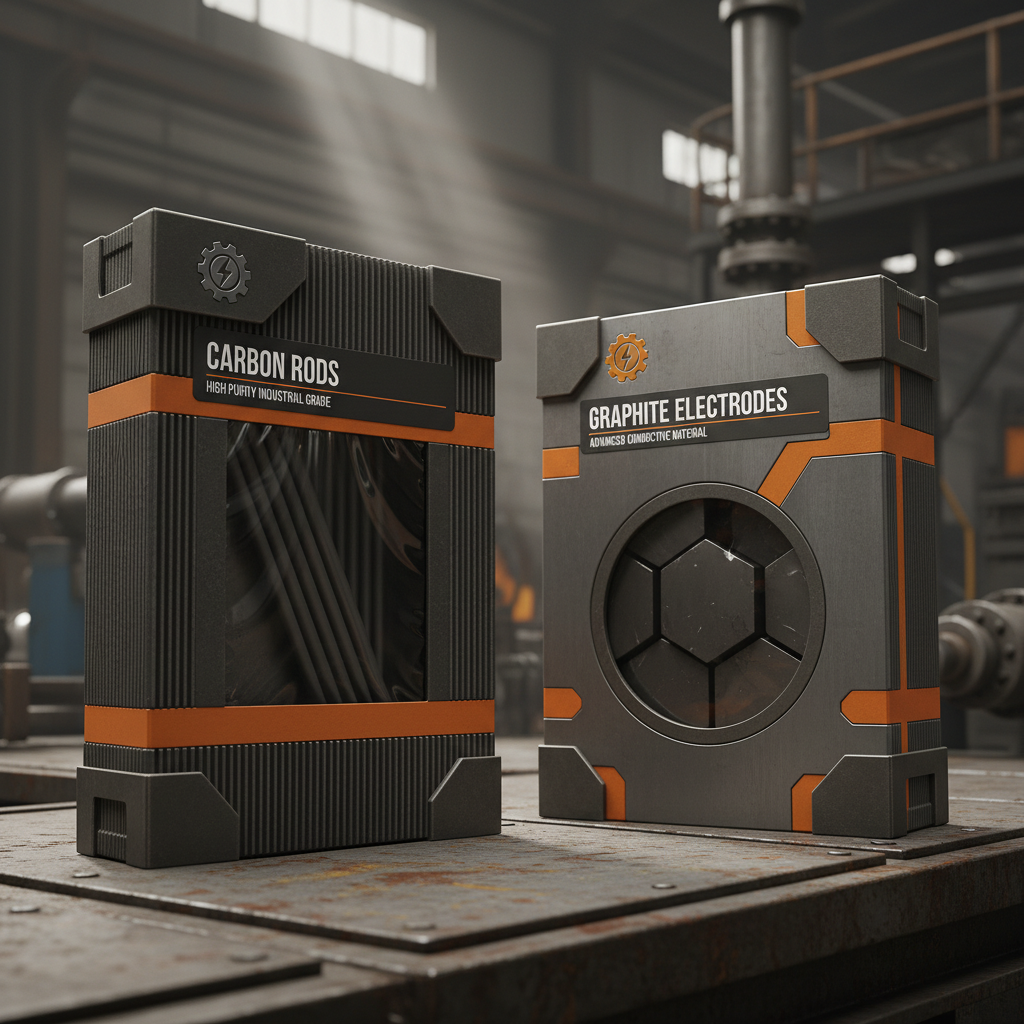
Understanding the Fundamental Differences
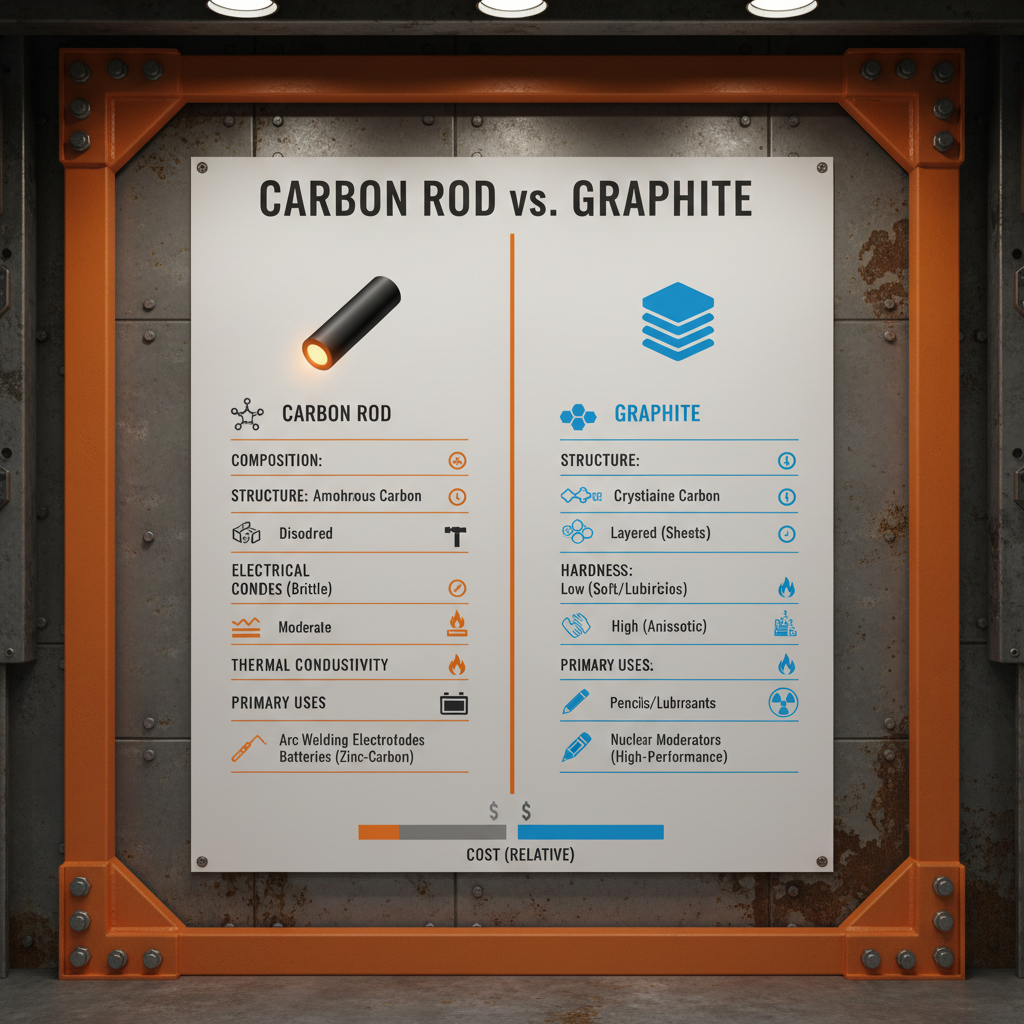
Carbon rods are typically produced from carbon fiber reinforced polymers (CFRP), resulting in a material with high tensile strength and stiffness. This means they are incredibly strong for their weight. Graphite, on the other hand, is a crystalline form of carbon, known for its excellent thermal and electrical conductivity, as well as its lubricity. The key difference lies in their structure: carbon rods possess a more organized, aligned carbon fiber structure, while graphite has a layered structure. This structural distinction directly impacts their performance characteristics. Choosing the right material begins with understanding how these differences translate into practical advantages and limitations.
Key Takeaway: Carbon rods excel in strength-to-weight applications, while graphite shines in conductivity and lubrication.
Carbon Rod vs Graphite: A Detailed Comparison
Let’s delve deeper into a side-by-side comparison of these two materials. While both are carbon-based, their properties differ significantly. Graphite is naturally softer and more brittle, whereas carbon rods, due to the polymer matrix, offer greater toughness and impact resistance. Furthermore, the manufacturing processes differ; carbon rods require molding and fiber alignment, while graphite is often produced through high-temperature graphitization of carbonaceous materials.
Applications: Where Each Material Excels
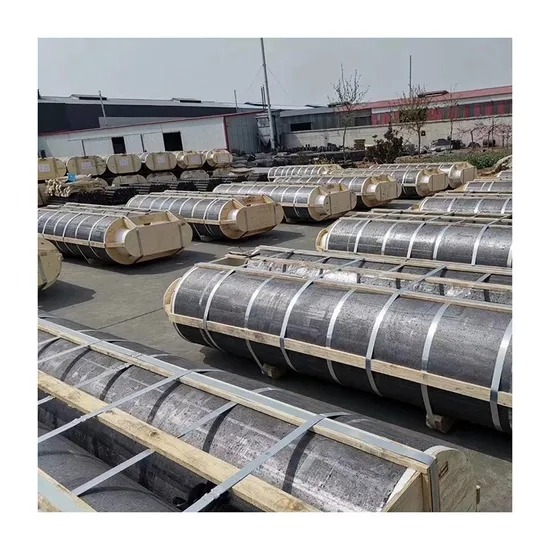
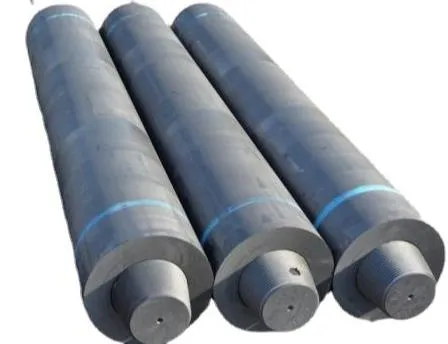
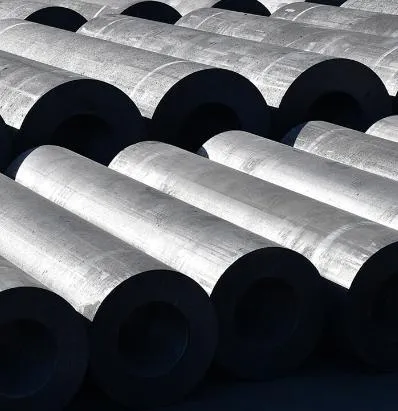
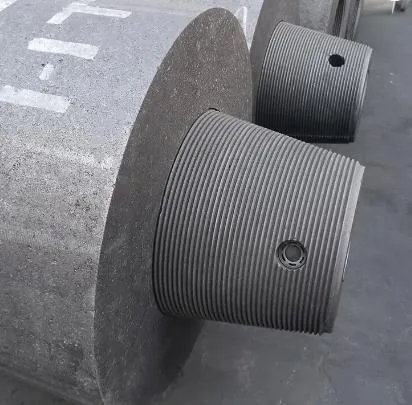
Carbon rods find extensive use in applications requiring high strength and stiffness. These include aerospace components, sporting goods (like fishing rods and bicycle frames), and high-performance automotive parts. Their ability to withstand substantial loads without deformation makes them ideal for these scenarios. Graphite, conversely, is indispensable in applications leveraging its conductive and lubricative properties. These include electrodes in electric arc furnaces, lubricants in high-temperature environments, and brushes for electric motors.
Application Spotlight:
• Carbon Rods: Aircraft structural components, wind turbine blades.
• Graphite: Battery anodes, crucibles for metal melting.
Factors to Consider When Choosing Between Carbon Rod and Graphite
The optimal choice between carbon rod and graphite depends heavily on the specific demands of your application. If high structural integrity and resistance to deformation are paramount, a carbon rod is likely the better choice. If, however, electrical or thermal conductivity, or lubrication are crucial, graphite will provide superior performance. Consider the operating temperature, environmental conditions, and potential for wear and tear. NL Graphite offers expert consultation to help you navigate these complexities and select the ideal material for your project.
Product Specifications and Grades
At NL Graphite, we offer a wide range of carbon rods and graphite materials to suit diverse applications. Our products come in various grades and dimensions, ensuring optimal performance. Below is a sample of our available graphite grades:
Conclusion: Making the Right Choice for Your Application
Choosing between carbon rod and graphite requires a careful evaluation of your specific requirements. Both materials offer unique advantages and limitations. By understanding these differences and considering factors like strength, conductivity, and environmental conditions, you can make an informed decision. NL Graphite is committed to providing high-quality materials and expert support to help you achieve optimal results. Contact us today to discuss your project needs!
Frequently Asked Questions (FAQs)
What are the typical applications of carbon rods?
Carbon rods excel in applications demanding high strength and lightweight properties. Common uses include aerospace components (like wing spars and fuselage parts), high-performance sporting goods (such as fishing rods, golf clubs, and bicycle frames), and structural elements in automotive racing. The high tensile strength and stiffness of carbon rods make them ideal for withstanding significant loads while minimizing weight, contributing to enhanced performance and efficiency. They're also utilized in robotic arms and precision instruments where rigidity and low weight are critical.
How does the layered structure of graphite contribute to its lubricity?
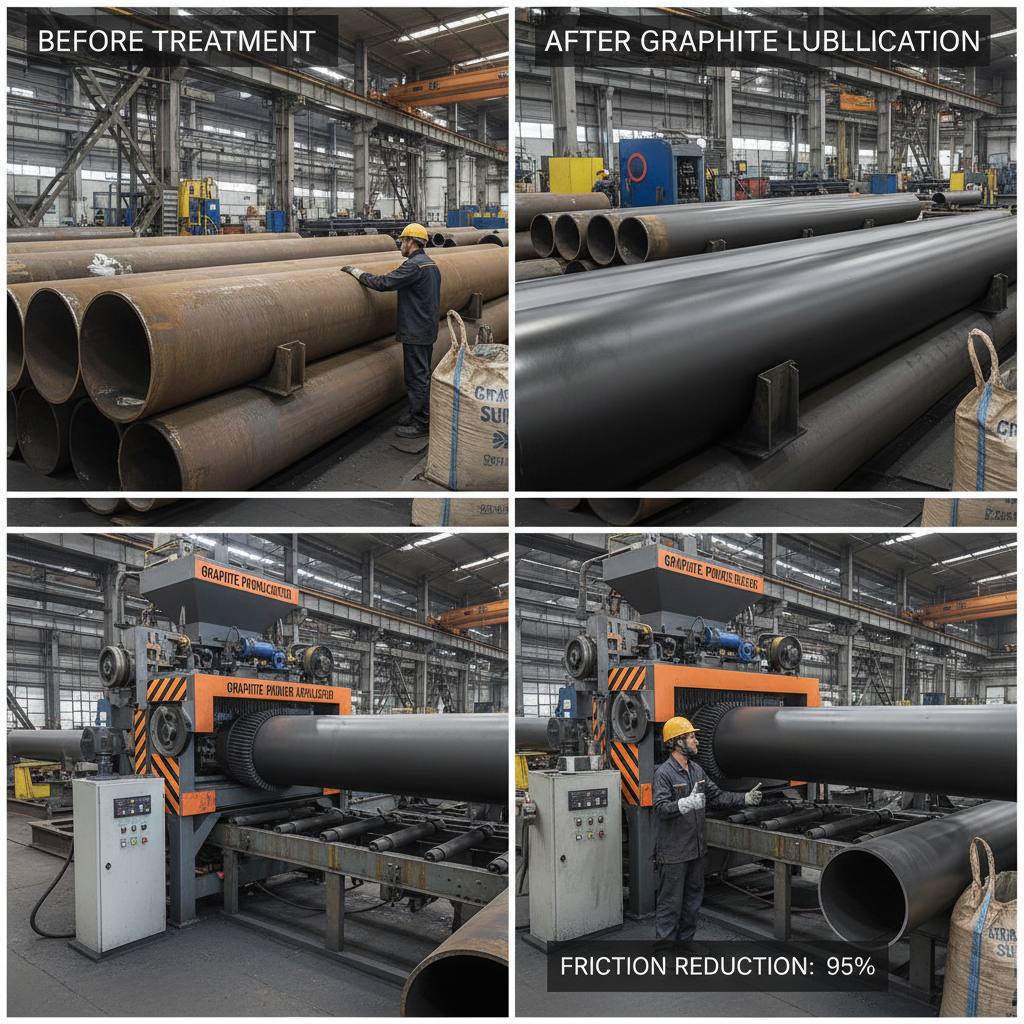
Graphite's unique layered structure allows the layers to easily slide over each other, creating exceptional lubricity. The weak Van der Waals forces between these layers mean minimal energy is required for them to move. This makes graphite an excellent dry lubricant, particularly in high-temperature environments where oil-based lubricants would break down. It’s widely used in applications like locks, gears, and bearings, reducing friction and wear. The layers can also flake off easily, providing a continuous supply of lubricant.
Is graphite suitable for high-temperature applications?
Yes, graphite is exceptionally well-suited for high-temperature applications. Unlike many other materials, its strength doesn't significantly decrease at high temperatures. In fact, in an inert atmosphere, graphite can withstand temperatures exceeding 3,000°C (5,432°F). This makes it ideal for crucibles used in metal casting, furnace linings, and heat shields. However, it’s important to note that graphite can oxidize at high temperatures in the presence of oxygen, so protective coatings may be necessary for certain applications.
What are the cost implications of using carbon rods versus graphite?
Generally, carbon rods, particularly those made with high-quality carbon fiber, tend to be more expensive than graphite. This is due to the more complex manufacturing process involved in aligning the carbon fibers and creating the polymer matrix. Graphite, while requiring specialized processing for purification and shaping, often has lower raw material costs. However, the final cost can vary significantly based on the grade, quantity, and specific requirements of the application. Contacting NL Graphite for a quote will provide a clear understanding of the costs associated with your project.
 Pervious
 Next
Next