

- Englist



Exploring Carbon Rod vs Graphite Rod for Optimal Fishing Performance

Carbon Rod vs Graphite Rod: A Deep Dive into Fishing Rod Materials
Choosing the right fishing rod can significantly impact your angling success. Two primary materials dominate the market: carbon fiber and graphite. While often used interchangeably, they possess distinct characteristics impacting sensitivity, power, and overall performance. This article will comprehensively compare carbon rod and graphite rod options, helping you select the ideal rod for your fishing style. Understanding the nuances of each material is crucial for making an informed decision, ultimately improving your fishing experience.
Understanding Carbon Fiber and Graphite
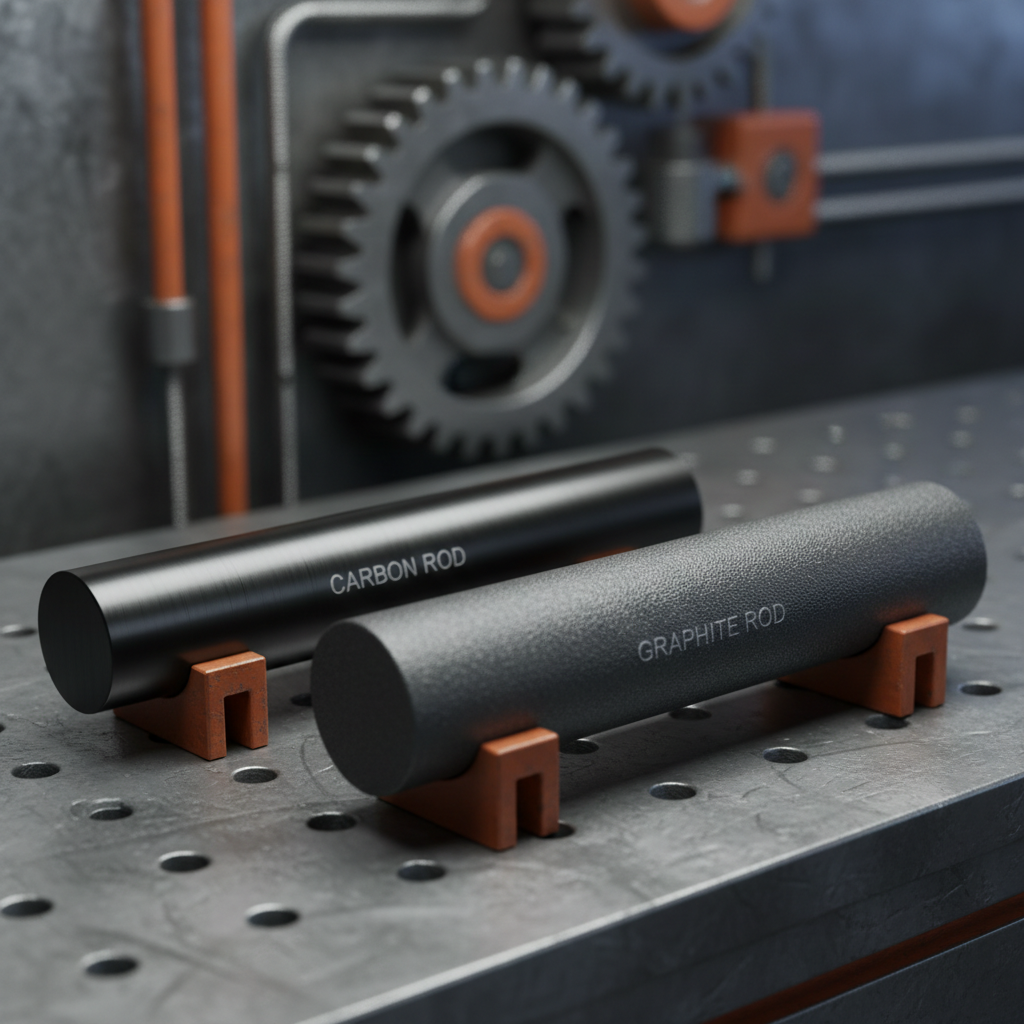
Both carbon fiber and graphite are forms of carbon, but their manufacturing processes and resulting structures differ. Graphite is a naturally occurring form of carbon, while carbon fiber is engineered. The key difference lies in the purity and alignment of the carbon atoms. Carbon fiber rods are typically created using sheets of carbon fiber woven together and bonded with resin. The quality of the carbon fiber – its modulus – plays a huge role in the rod's performance. Higher modulus carbon fiber is stiffer and more sensitive. Different weaves and resin types further customize the properties of the rod. NL Graphite specializes in producing high-quality carbon fiber materials for various applications, including premium fishing rods.
Key Takeaway: Carbon fiber rods are engineered for specific performance characteristics, while graphite is a naturally occurring carbon form. The manufacturing process dramatically impacts the rod's properties.
Carbon Rod vs Graphite Rod: A Detailed Comparison
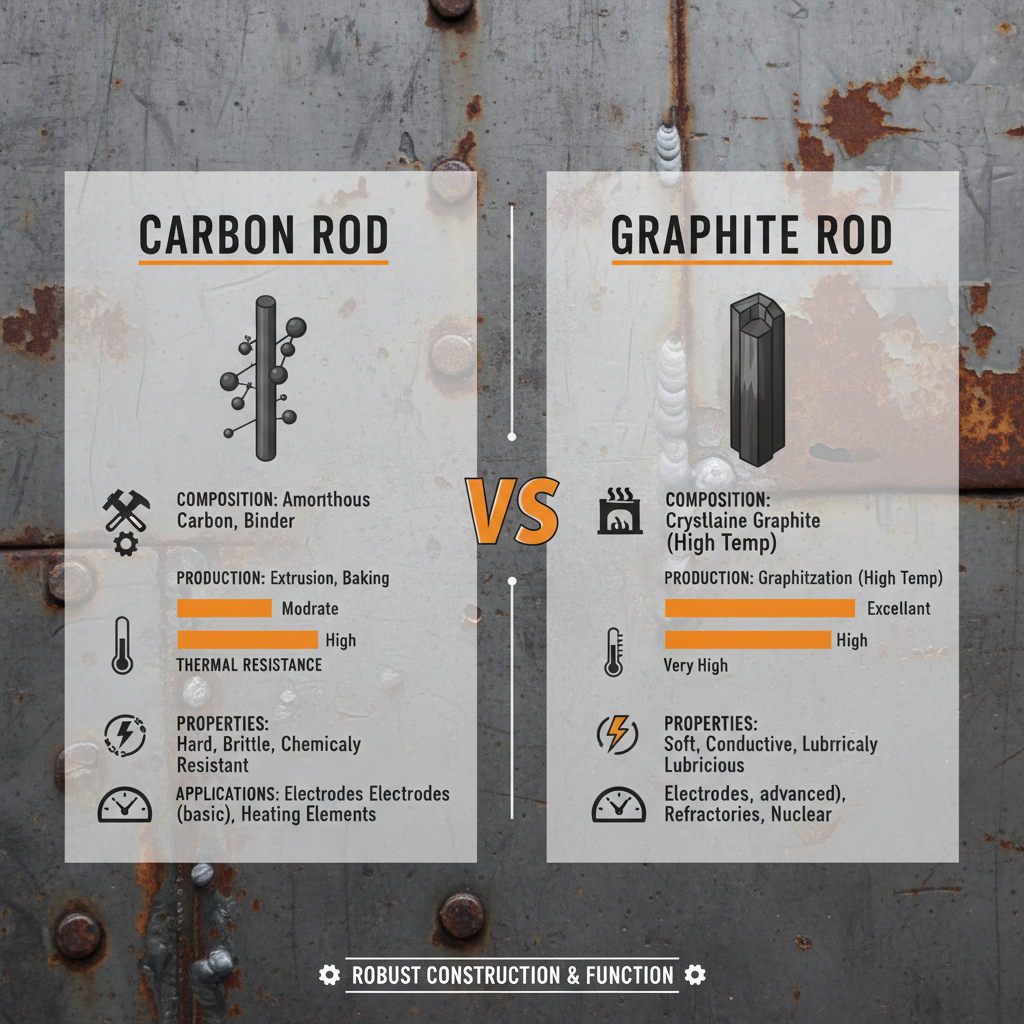
Let’s break down the key differences between these two popular rod materials. Carbon fiber generally excels in sensitivity, allowing anglers to detect even subtle bites. Graphite, on the other hand, is known for its power and durability, making it ideal for handling larger fish. However, these aren't hard and fast rules, as advancements in materials science have blurred the lines. Many rods today are actually composites – blends of carbon fiber and graphite – to leverage the benefits of both.
Key Differences at a Glance:
• Sensitivity: Carbon Fiber > Graphite
• Power: Graphite > Carbon Fiber
• Durability: Graphite > Carbon Fiber
• Cost: Generally Similar, High-Modulus Carbon Fiber can be More Expensive
Performance Characteristics: Sensitivity and Power
Sensitivity is paramount for detecting subtle strikes, particularly with finesse techniques. Carbon fiber rods transmit vibrations more efficiently, allowing anglers to “feel” the bite. Graphite rods, being stiffer, deliver more power when setting the hook and fighting fish. This makes them well-suited for techniques like jigging and crankbait fishing, where forceful hooksets are necessary. However, the balance between sensitivity and power is critical, and many anglers opt for composite rods that offer a blend of both qualities. NL Graphite's commitment to advanced materials allows for the creation of rods that optimize both these important factors.
Choosing the Right Rod for Your Fishing Style
The best rod material depends heavily on your preferred fishing techniques and target species. For anglers who prioritize finesse techniques like drop-shotting or fly fishing, a carbon fiber rod is generally preferred. For power fishing techniques like crankbaiting or jigging, a graphite rod can offer a significant advantage. Consider your typical fishing conditions as well. If you frequently fish in harsh environments, a graphite rod may be more durable. NL Graphite offers a wide range of carbon fiber solutions to cater to diverse angling needs.
Conclusion: The Future of Fishing Rod Materials
The choice between carbon fiber and graphite isn't always straightforward. Modern fishing rods often utilize blends of both materials to maximize performance. Understanding the inherent strengths and weaknesses of each material allows anglers to make an informed decision. With ongoing advancements in materials science, we can expect even more sophisticated and versatile fishing rod designs in the future. NL Graphite is at the forefront of this innovation, consistently pushing the boundaries of what's possible in fishing rod technology.
Frequently Asked Questions (FAQs)
What is the best rod material for beginners?
For beginners, a composite rod (a blend of carbon and graphite) is often the best choice. These rods offer a good balance of sensitivity, power, and affordability. They are more forgiving than purely carbon fiber rods and provide enough power to handle a variety of fish species. As anglers gain experience, they can then explore more specialized rods tailored to their preferred techniques.
Are carbon fiber rods more brittle than graphite rods?
Generally, yes. Carbon fiber, especially higher modulus fibers, can be more prone to cracking or breaking under stress than graphite. However, modern carbon fiber rods are often reinforced with additional layers of material to improve their durability. Graphite rods tend to bend more, distributing stress more evenly, making them less likely to snap but potentially more prone to deformation over time.
How does the cost of carbon fiber and graphite rods compare?
The cost can vary significantly depending on the quality of the materials and the manufacturing process. Generally, basic graphite rods are less expensive than comparable carbon fiber rods. However, high-modulus carbon fiber rods, which offer superior performance, can be quite expensive. Composite rods often fall in the mid-price range, offering a good value proposition.
What is the impact of resin on rod performance?
The resin used to bind the carbon fibers together plays a crucial role in rod performance. High-quality resins provide better energy transfer, resulting in increased sensitivity and responsiveness. They also contribute to the rod’s overall durability and structural integrity. Different resin types have varying properties, so manufacturers carefully select the resin based on the intended application of the rod.
 Pervious
 Next
Next