

- Englist


Exploring Petroleum Coke Factory Operations Applications and Quality Control

Petroleum Coke Factory: A Comprehensive Guide
Petroleum coke (petcoke) is a crucial carbon material derived from the oil refining process, and understanding the operations of a petroleum coke factory is vital for industries relying on this product. This article will delve into the process, applications, quality control, and safety aspects of petcoke production. We will explore the different types of petcoke and how NL Graphite provides high-quality petcoke solutions for global markets.
The Petcoke Production Process
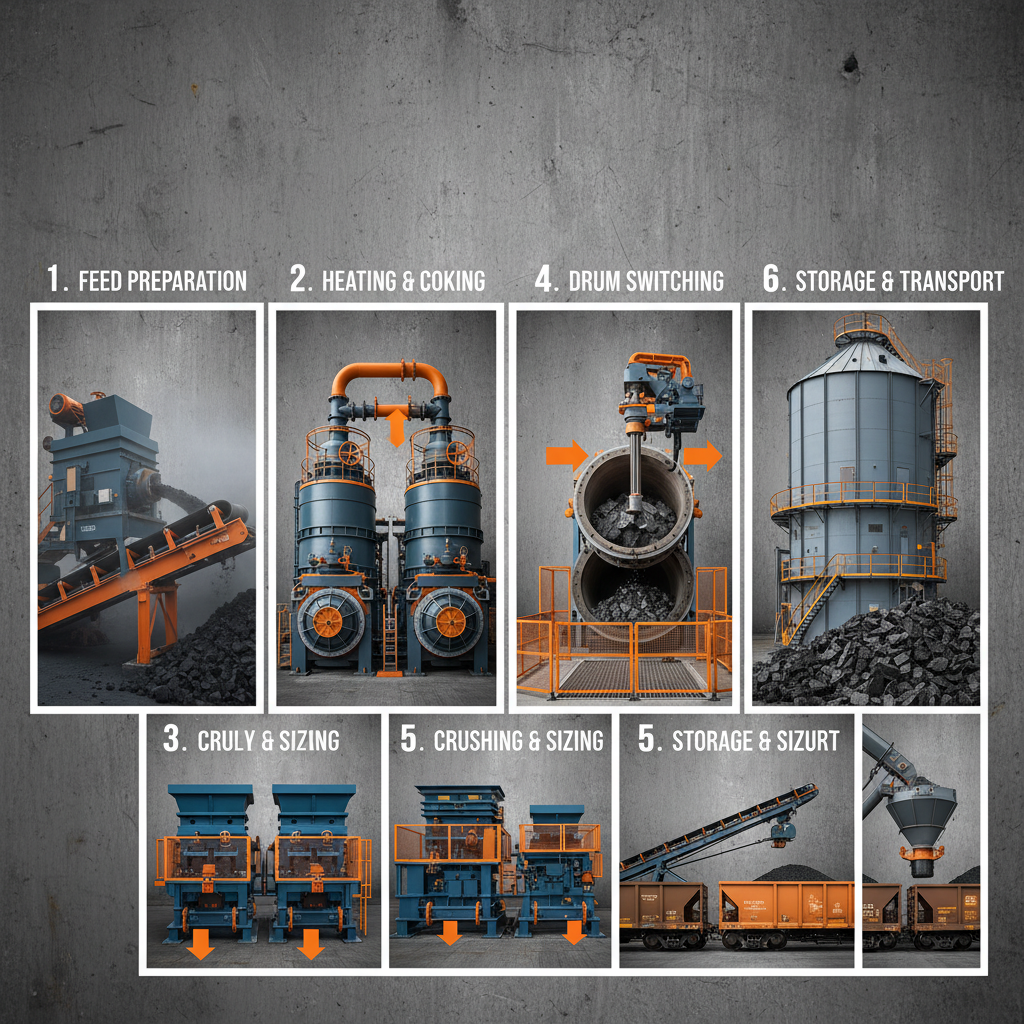
The production of petcoke is closely tied to oil refineries. It’s a byproduct of the delayed coking process, where heavy residue from crude oil distillation is heated to high temperatures. This thermal cracking process breaks down large hydrocarbon molecules into smaller, more valuable components, and the remaining solid carbon material is petcoke. The process generally involves these steps: feedstock preparation, coking, quenching, and handling/storage. The quality of the petcoke depends heavily on the refinery's process controls and the type of crude oil processed. A well-managed petroleum coke factory ensures consistent product quality and efficient operation.
Key Stages: Feedstock preparation, delayed coking, quenching, decoking, handling, and storage. Each stage is crucial for the final petcoke characteristics.
Types of Petroleum Coke and Their Applications
Petcoke isn’t a single product; it exists in different grades, primarily determined by its sulfur content and metal content. The two main types are: Green Petcoke, which is the raw petcoke directly from the coker, and Calcined Petcoke, which undergoes a heating process to reduce sulfur content and enhance its properties. Green petcoke is often used in applications where lower purity is acceptable, while calcined petcoke is favored in industries requiring high purity and conductivity. These include aluminum production, steel manufacturing, and the production of anodes for the electrolytic process. NL Graphite offers both green and calcined petcoke tailored to specific industrial requirements.
Petcoke Types & Applications:
• Green Petcoke: Cement production, power generation, and some metallurgical uses.
• Calcined Petcoke: Aluminum smelting, steel production, titanium dioxide pigment manufacturing.
• High Sulfur Petcoke: Often used in cement and power plants with sulfur capture technologies.
Petroleum Coke Factory: Quality Control Measures
Maintaining rigorous quality control is paramount in a petroleum coke factory. Key parameters monitored include sulfur content, ash content, moisture content, volatile matter, and fixed carbon. Regular laboratory testing using techniques like X-ray fluorescence (XRF) and proximate analysis are employed to ensure compliance with customer specifications. Stringent quality control minimizes impurities and ensures consistent performance of the petcoke in its intended applications. NL Graphite implements a multi-stage quality control system throughout the production process.
Safety Considerations in Petcoke Handling
Petcoke dust poses a potential explosion hazard due to its high carbon content. A petroleum coke factory must implement comprehensive safety measures, including dust control systems, grounding and bonding procedures to prevent static electricity buildup, and regular monitoring for dust accumulation. Personal Protective Equipment (PPE) such as respirators and safety glasses are essential for workers handling petcoke. Proper ventilation, housekeeping, and training are also vital components of a robust safety program.
The Environmental Impact and Sustainability
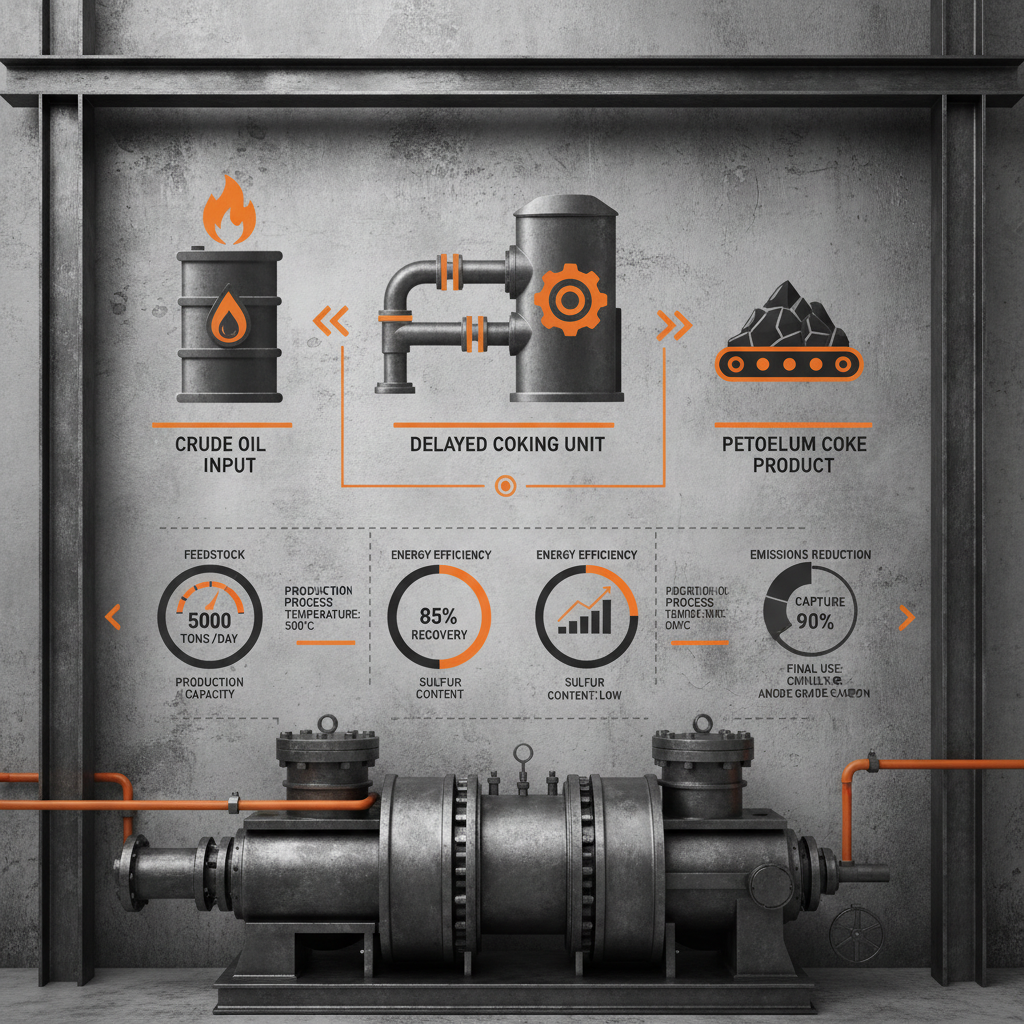
Petcoke production and handling raise environmental concerns, primarily related to air emissions and dust control. Modern petroleum coke factories employ technologies to minimize emissions and mitigate dust pollution. These include closed handling systems, bag filters, and electrostatic precipitators. Exploring alternative uses for petcoke, such as gasification or conversion into carbon materials, can further enhance its sustainability. Responsible sourcing and efficient utilization are key to reducing the environmental footprint of petcoke.
Conclusion: Reliable Petcoke for a Sustainable Future
The petroleum coke industry plays a vital role in supporting numerous industrial processes. By focusing on quality control, safety, and environmental responsibility, NL Graphite delivers reliable and sustainable petcoke solutions to meet the evolving needs of our customers.
Frequently Asked Questions (FAQs)
What are the main uses of petroleum coke?
Petroleum coke has a wide range of applications, primarily in the aluminum, steel, and titanium dioxide industries. It’s used as a carbon source in the production of these materials. Additionally, it finds applications in cement manufacturing, power generation, and as a fuel source in various industrial processes. The specific grade of petcoke (green or calcined) determines its suitability for different applications. The demand for petcoke remains strong due to its cost-effectiveness and unique properties.
How is petcoke transported and stored?
Petcoke is typically transported in bulk by rail, truck, or ship. Due to its dust-generating properties, covered transportation methods are preferred. Storage is usually done in enclosed silos or covered stockpiles to minimize dust emissions and prevent contamination. Regular monitoring of stockpile conditions and implementation of dust control measures are essential to ensure safe and environmentally responsible handling. Proper storage also prevents moisture absorption, which can affect the petcoke's quality.
What is the difference between green and calcined petcoke?
Green petcoke is the raw product directly from the coking process, containing higher levels of sulfur and volatile matter. Calcined petcoke, on the other hand, undergoes a heating process at high temperatures to remove these impurities, resulting in a purer, more conductive material. Calcined petcoke is generally preferred for applications requiring higher purity, such as aluminum smelting, while green petcoke can be used in less demanding applications like cement production. The calcination process increases the carbon content and improves the overall performance of the petcoke.
What are the environmental concerns associated with petcoke?
The primary environmental concerns with petcoke relate to dust emissions during handling and storage, as well as potential air pollution from sulfur dioxide (SO2) when burned. However, modern petcoke factories employ advanced dust control systems and technologies to minimize these impacts. Furthermore, using low-sulfur petcoke or implementing sulfur capture technologies can significantly reduce SO2 emissions. Responsible petcoke handling and utilization are crucial for mitigating its environmental footprint.
 Pervious
 Next
Next