

- Englist



Types of Graphite Rods and Their Applications

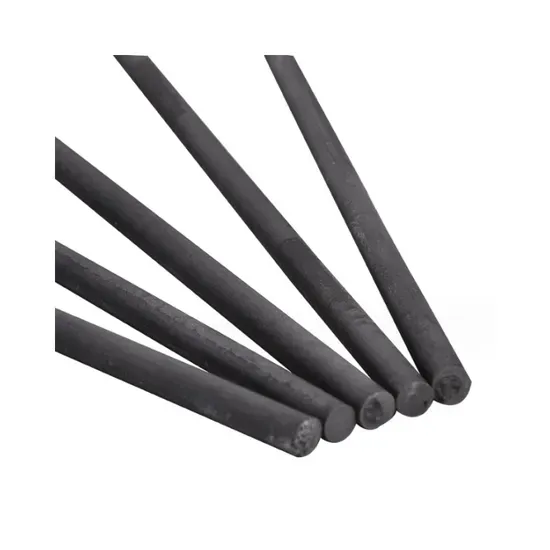
Graphite rods are essential industrial carbon materials widely used in high-temperature, electrical, chemical, and metallurgical environments. Thanks to their excellent thermal conductivity, electrical conductivity, corrosion resistance, and machinability, graphite rods serve as reliable components in demanding applications where metals may fail.
Understanding the different types of graphite rods and their practical uses can help engineers, buyers, and manufacturers choose the right material for performance, durability, and cost-efficiency. In this guide, we explore the major classifications of graphite rods and how they are applied across industries.
Extruded Graphite Rods
Extruded graphite rods are manufactured through a continuous extrusion process where graphite material is pushed through a die to form cylindrical shapes. This method creates rods with uniform cross-sections and relatively consistent mechanical properties along the extrusion direction.
Key Characteristics:
Medium density
Good electrical conductivity
Cost-effective production
Suitable for large-diameter rods
Applications:
Extruded graphite rods are widely used in:
-
Furnace components
-
Electrodes for electrolysis
-
Chemical processing equipment
-
Structural supports in high-temperature environments
Because of their affordability and good machinability, extruded rods are often selected when mechanical strength requirements are moderate but cost control is important.
Isostatic Graphite Rods
Isostatic graphite rods are produced using isostatic pressing, where uniform pressure is applied in all directions. This process results in isotropic material properties — meaning performance is consistent regardless of direction.
Key Characteristics:
Fine grain structure
High density
Excellent mechanical strength
Superior thermal shock resistance
High purity levels available
Applications:
Isostatic graphite rods are commonly used in:
Semiconductor manufacturing
EDM (Electrical Discharge Machining) electrodes
Vacuum furnace heating elements
Solar and photovoltaic production systems
These rods are ideal for precision applications where dimensional stability, purity, and strength are critical. Although they are typically more expensive than extruded graphite rods, their performance justifies the investment in advanced industries.
Molded (Vibration Molded) Graphite Rods
Molded graphite rods, also known as vibration-molded rods, are produced by compressing graphite material into molds under controlled vibration. This process is commonly used for larger graphite components.
Key Characteristics:
High bulk density
Larger size availability
Good structural integrity
Moderate isotropy
Applications:
These rods are frequently used in:
-
Large industrial furnaces
-
Continuous casting molds
-
Heat exchangers
-
Metallurgical processing systems
Molded graphite rods offer a strong balance between mechanical strength and cost, especially for large-scale industrial equipment.
High Purity Graphite Rods
High purity graphite rods are refined to remove metallic and non-carbon impurities, typically achieving carbon content above 99.9%. Purification significantly improves chemical stability and electrical performance.
Key Characteristics:
Extremely low impurity levels
Excellent chemical resistance
High thermal stability
Strong oxidation resistance in controlled environments
Applications:
High purity graphite rods are essential in:
-
Semiconductor wafer processing
-
Lithium battery production
-
Nuclear and aerospace components
-
Laboratory research equipment
In environments where contamination must be minimized, high purity graphite rods provide unmatched reliability and performance.
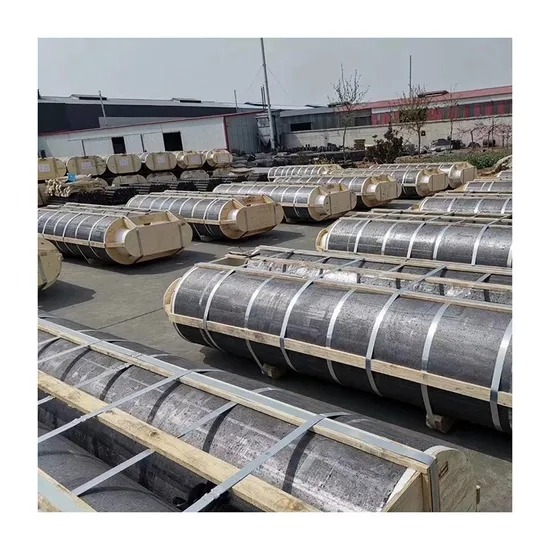
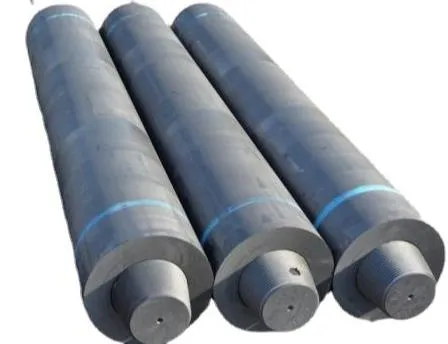
Graphite Electrodes (Specialized Graphite Rods)
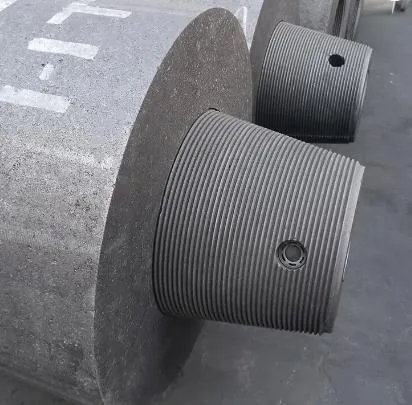
Graphite electrodes are specialized graphite rods designed primarily for conducting electricity in high-power applications.
Key Characteristics:
-
High electrical conductivity
-
High temperature resistance
-
Strong mechanical integrity under current load
Applications:
Graphite electrode rods are mainly used in:
-
Electric arc furnaces (EAF)
-
Steel production
-
Electrochemical processing
-
Plasma cutting systems
Their ability to carry high electrical currents while withstanding extreme heat makes them indispensable in metallurgical industries.
Impregnated Graphite Rods
Impregnated graphite rods are treated with resin, pitch, or metal to enhance specific properties such as strength, impermeability, or oxidation resistance.
Key Characteristics:
-
Reduced porosity
-
Improved mechanical strength
-
Enhanced chemical resistance
-
Longer service life
Applications:
Impregnated graphite rods are commonly used in:
-
Corrosive chemical environments
-
High-pressure applications
-
Sealing systems
-
Pumps and valves
The impregnation process improves durability and reduces material wear under harsh operating conditions.
How to Choose the Right Graphite Rod
When selecting the appropriate graphite rod, consider the following factors:
-
Operating temperature
-
Exposure to chemicals
-
Required electrical conductivity
-
Mechanical strength requirements
-
Purity level
-
Budget constraints
For precision and high-tech applications, isostatic or high purity graphite rods are recommended. For general industrial use, extruded or molded graphite rods may offer sufficient performance at a lower cost.
Working with an experienced graphite supplier ensures proper material selection based on detailed technical parameters such as density, grain size, flexural strength, and thermal conductivity.
Conclusion
Graphite rods are versatile, high-performance carbon materials essential to modern industry. From extruded and molded graphite rods used in furnaces to high purity and isostatic rods supporting semiconductor production, each type serves a unique purpose.
Understanding the types of graphite rods and their applications allows businesses to optimize efficiency, improve equipment lifespan, and ensure operational safety. As industries continue to demand higher performance materials, graphite rods remain a critical solution for high-temperature, electrical, and precision engineering environments.
 Pervious
 Next
Next