

- Englist



Optimizing Industrial Performance with High Quality Lubricating Graphite Powder

Understanding and Utilizing Lubricating Graphite Powder
Lubricating graphite powder is a versatile dry lubricant widely used across numerous industries for its exceptional properties. From high-temperature applications to reducing friction in machinery, its unique characteristics make it an invaluable asset. This article provides a comprehensive overview of graphite powder lubrication, its applications, benefits, and how to choose the right grade for your needs. We'll explore how NL Graphite's high-quality graphite powders can optimize your operations.
What is Lubricating Graphite Powder?
Graphite powder is a crystalline form of carbon, known for its layered structure. These layers allow the material to easily slide over one another, making it an excellent dry lubricant. Unlike oil-based lubricants, graphite powder doesn’t attract dust or dirt, maintaining its effectiveness in harsh environments. It also functions effectively at extreme temperatures where oils may degrade. There are different grades of graphite powder, categorized by particle size, purity, and treatment.
Key Highlights: Graphite’s layered structure allows for easy sliding, eliminating the need for traditional oil-based lubricants. It's ideal for high-temperature and harsh environments.
Key Properties of Lubricating Graphite Powder
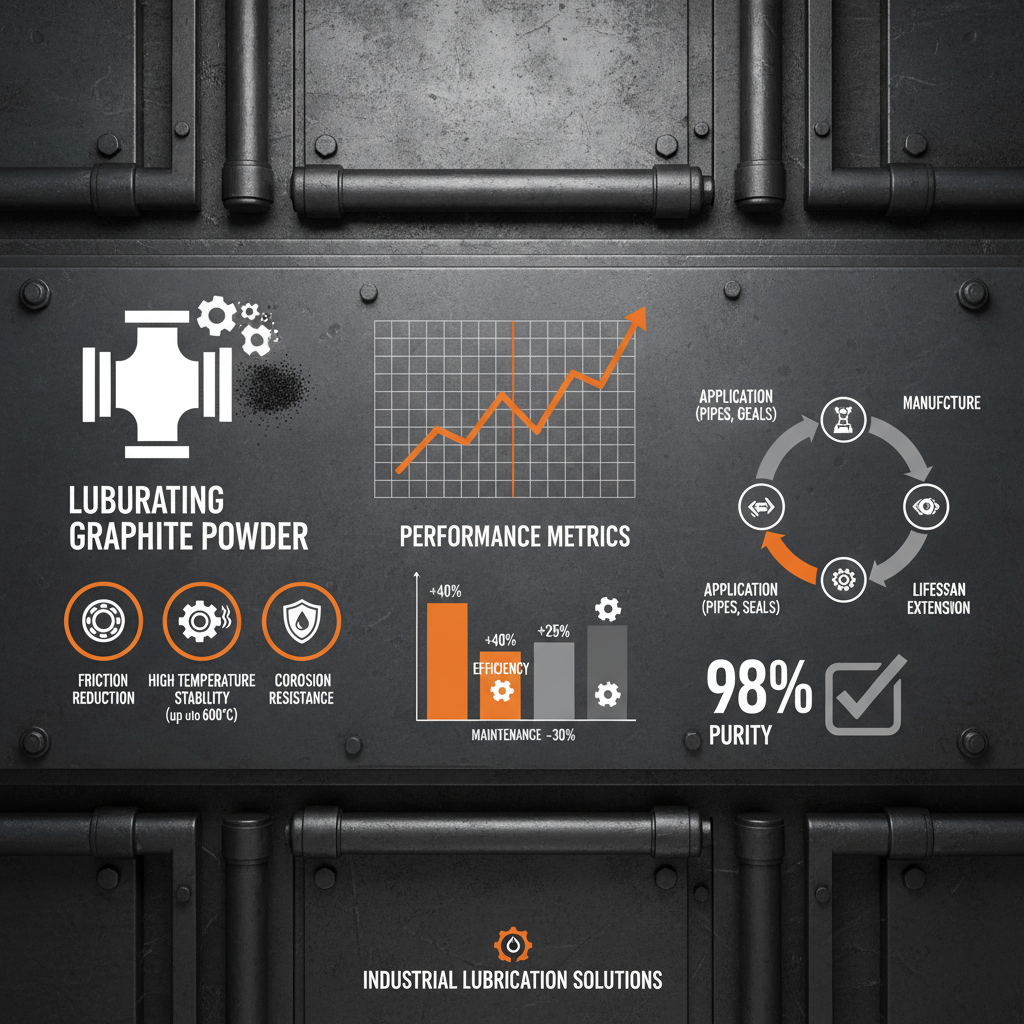
Several properties contribute to graphite powder’s effectiveness as a lubricant. These include its high thermal stability (it can withstand temperatures up to 3700°F in inert atmospheres), chemical inertness, and excellent electrical conductivity. It also has a low coefficient of friction, minimizing wear and tear on moving parts. Moreover, graphite powder is non-toxic and environmentally friendly, making it a sustainable lubrication solution.
Key Property Benefits:
• High thermal stability allows for use in extreme temperatures
• Chemical inertness ensures compatibility with various materials
• Low coefficient of friction reduces wear and tear
• Environmentally friendly and non-toxic
Applications of Lubricating Graphite Powder
The versatility of graphite powder leads to applications in diverse industries. In the automotive sector, it's used in brake linings and clutch components. The metalworking industry utilizes it as a dry lubricant in forging and stamping operations. It’s also a key component in high-temperature bearings, locks, and various industrial machinery. Furthermore, graphite powder finds application in the production of pencils, paints, and plastics. NL Graphite supplies graphite powder tailored for these demanding applications.
Comparing Graphite Powder to Other Lubricants
While oil and grease are common lubricants, graphite powder offers distinct advantages in certain situations. Compared to oils, it doesn't collect dust or become gummy. Unlike greases, it doesn't require reapplication as frequently. Here’s a comparison:
Choosing the Right Grade of Graphite Powder
Selecting the appropriate grade of graphite powder depends on the specific application. Particle size is a crucial factor; finer powders offer better lubrication but may be more expensive. Purity levels also vary – higher purity grades are preferred for sensitive applications. Treated graphite powders, such as those with surface modifications, can further enhance their performance. NL Graphite offers a range of graphite powder grades to meet diverse requirements.
Conclusion: Maximize Performance with Graphite Powder
Lubricating graphite powder provides a reliable and versatile solution for reducing friction, minimizing wear, and improving performance across a multitude of applications. Its unique properties, combined with its environmental friendliness, make it a preferred choice for many industries. Choosing the right grade and sourcing from a reputable supplier like NL Graphite ensures optimal results.
Frequently Asked Questions (FAQs)
What are the safety precautions when handling graphite powder?
While graphite powder is generally considered non-toxic, it's essential to take safety precautions. Avoid inhaling the powder, as prolonged exposure may cause respiratory irritation. Wear a dust mask or respirator when handling large quantities or working in enclosed spaces. Protect your eyes with safety goggles to prevent irritation. Ensure adequate ventilation in the work area. Refer to the Material Safety Data Sheet (MSDS) for comprehensive safety information.
How do I apply graphite powder as a lubricant?
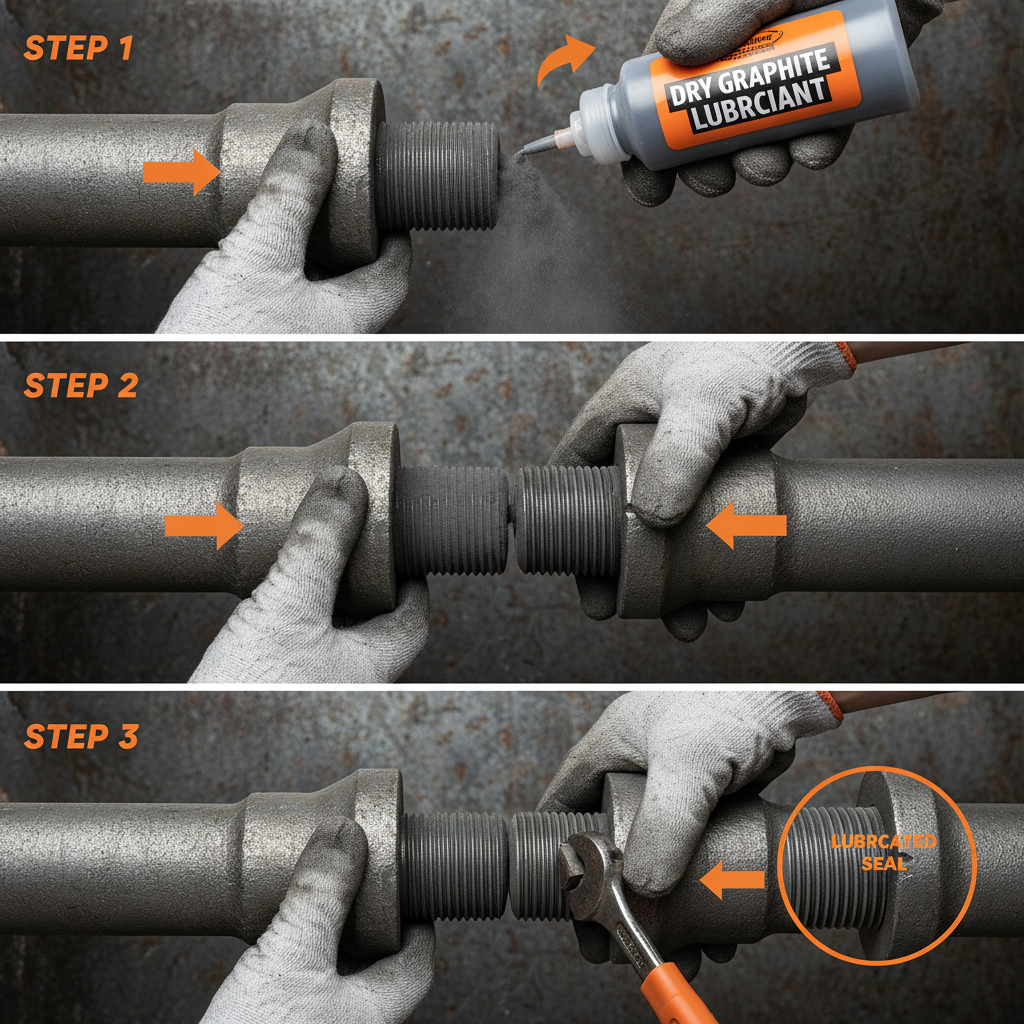
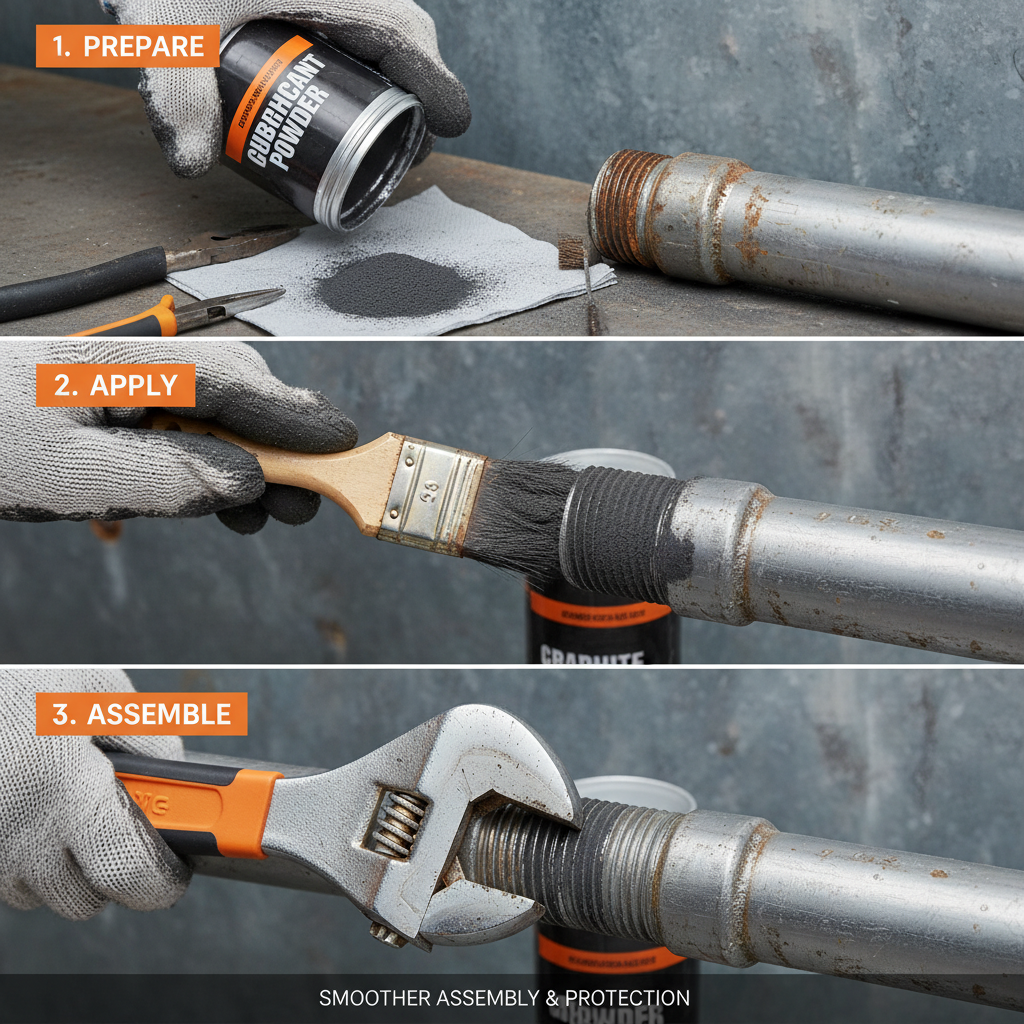
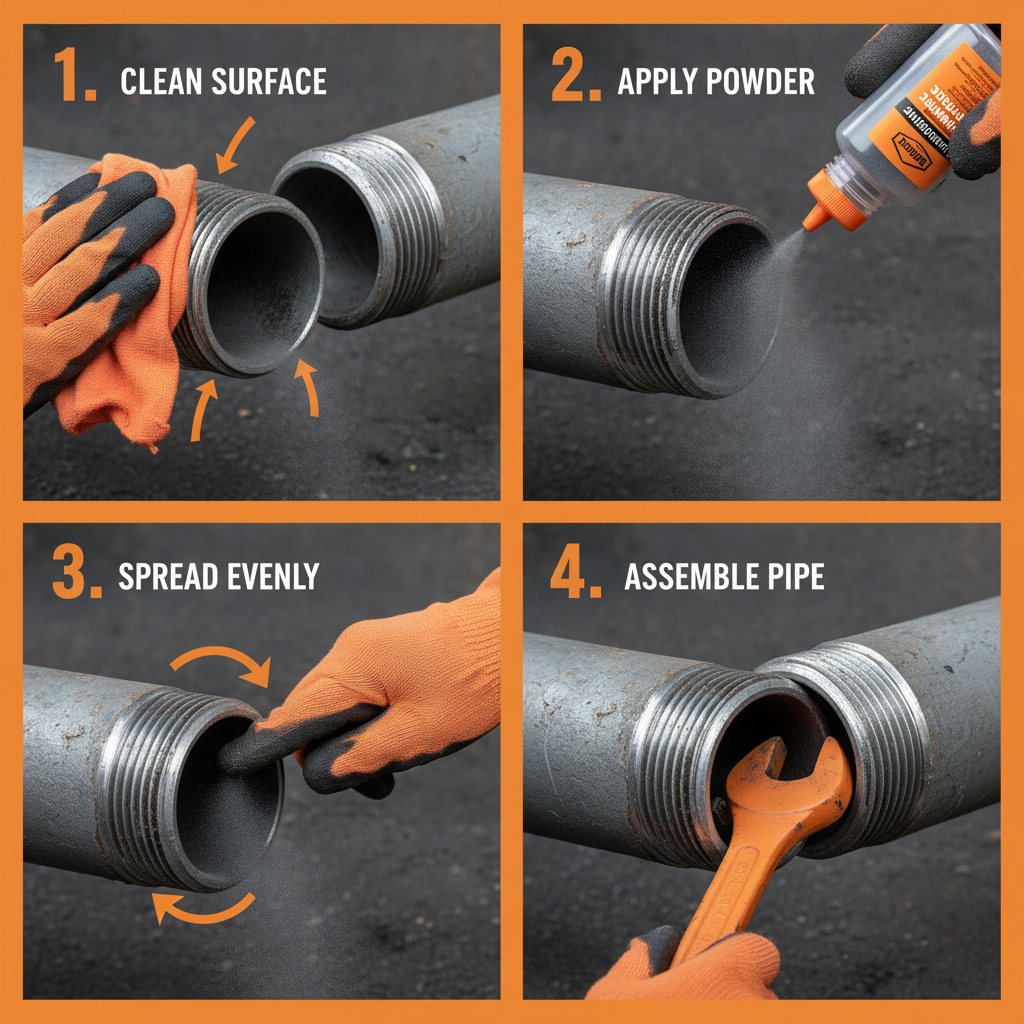
Application methods vary depending on the specific application. For general lubrication, apply a thin, even layer of graphite powder to the surfaces. You can use a brush, a cloth, or a specialized applicator. In some cases, mixing the powder with a carrier fluid (like water or alcohol) can aid in application. Avoid applying excessive amounts, as this can create a messy residue.
Can graphite powder be used in conjunction with other lubricants?
Yes, graphite powder can be used as an additive to other lubricants, such as oils and greases. This can enhance their load-carrying capacity, reduce friction, and improve performance under extreme conditions. However, ensure compatibility between the graphite powder and the base lubricant to avoid any adverse reactions.
Where can I purchase high-quality lubricating graphite powder?
NL Graphite is a trusted supplier of high-quality graphite powders for a wide range of applications. We offer various grades to meet your specific needs and provide expert technical support to help you select the right product.
 Pervious
 Next
Next