

- Englist


Understanding Graphite Powder Melting Point and High Temperature Applications

Understanding Graphite Powder Melting Point & Applications
Graphite powder is a versatile material used in countless industrial applications. A key property determining its use is its melting point, though the reality is more nuanced than a single number. This article will explore the melting point of graphite powder, factors influencing it, and its relevance to various applications, drawing on the expertise of NL Graphite. Understanding these characteristics is vital for ensuring optimal performance and safety in diverse industrial processes.
What is the Melting Point of Graphite Powder?
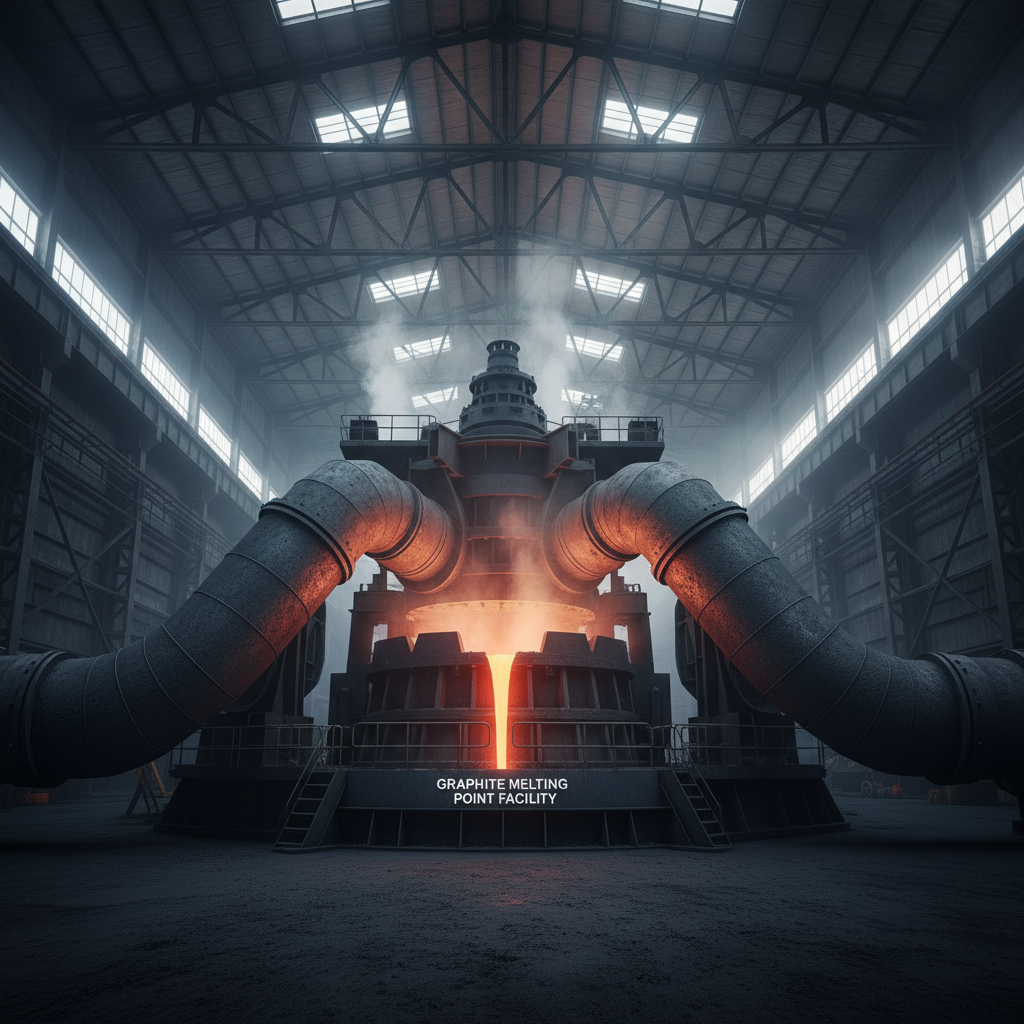
The 'melting point' of graphite is complex. Graphite doesn't truly melt in the same way metals do. Instead, it undergoes sublimation at extremely high temperatures – around 3,652–3,697 °C (6,606–6,687 °F). Sublimation means it transitions directly from a solid to a gas without becoming a liquid. However, before sublimation occurs, graphite will begin to decompose at around 3,600°C. The particle size of graphite powder does not significantly change the sublimation temperature. The quality and purity, as offered by NL Graphite's range of graphite powders, impact other properties, like conductivity, which are crucial for specific applications.
Key Takeaway: Graphite powder doesn't melt conventionally but rather sublimates at extremely high temperatures (3,652–3,697 °C).
Factors Affecting Graphite's High-Temperature Behavior
Several factors influence graphite’s behavior at high temperatures. Purity is paramount; impurities can lower the decomposition and sublimation temperatures. The atmosphere also plays a critical role. In an inert atmosphere (like argon or helium), sublimation is favored. However, in an oxidizing atmosphere (air), graphite will oxidize, forming carbon dioxide and potentially altering its behavior before it reaches its sublimation point. The heating rate also matters; slower heating can allow for more complete sublimation, whereas rapid heating might lead to uneven decomposition. Different types of graphite (e.g., natural vs. synthetic) also possess slightly varying thermal properties.
High-Temperature Influences:
• Purity of the graphite powder
• Surrounding atmosphere (inert vs. oxidizing)
• Heating rate
• Type of graphite (natural or synthetic)
Graphite Powder Melting Point vs. Other Carbon Forms
Comparing graphite powder’s behavior to other carbon allotropes provides valuable context. Diamond, another form of carbon, has a significantly lower sublimation point than graphite (around 3,550 °C). This difference arises from the differing crystal structures and bonding arrangements. Fullerenes and carbon nanotubes also exhibit different thermal properties. Generally, the more ordered the carbon structure, the higher the sublimation point. Understanding these nuances helps select the most appropriate carbon form for a specific application, and NL Graphite provides expert guidance on material selection.
Applications Requiring High-Temperature Stability
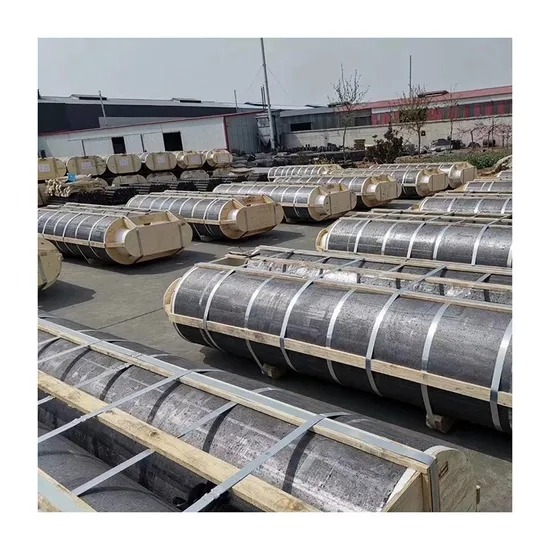
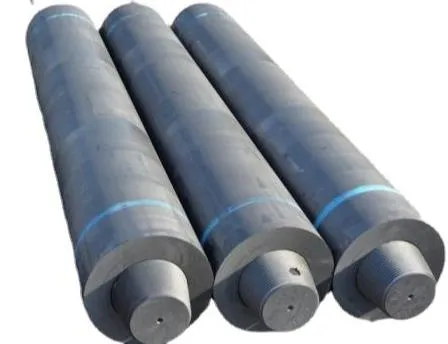
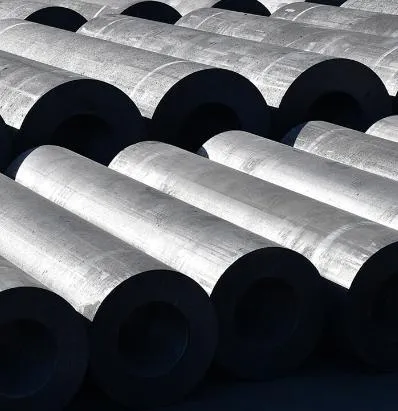
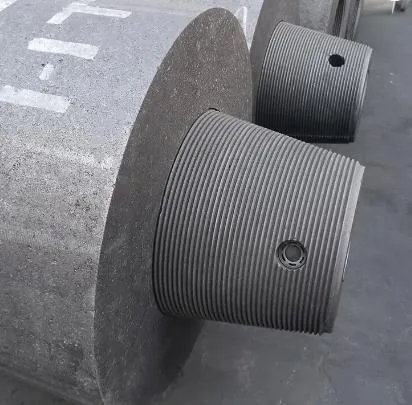
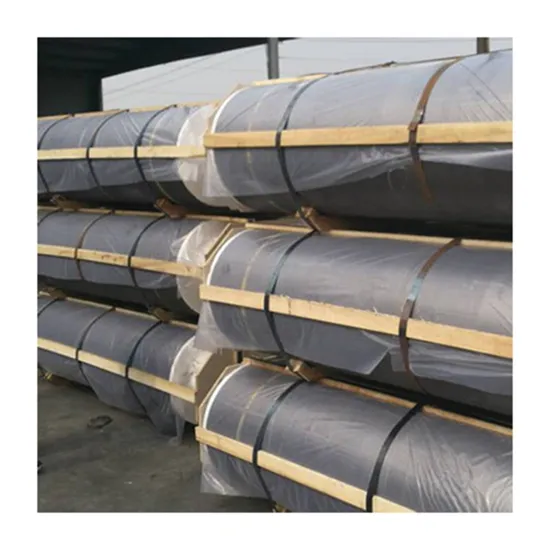
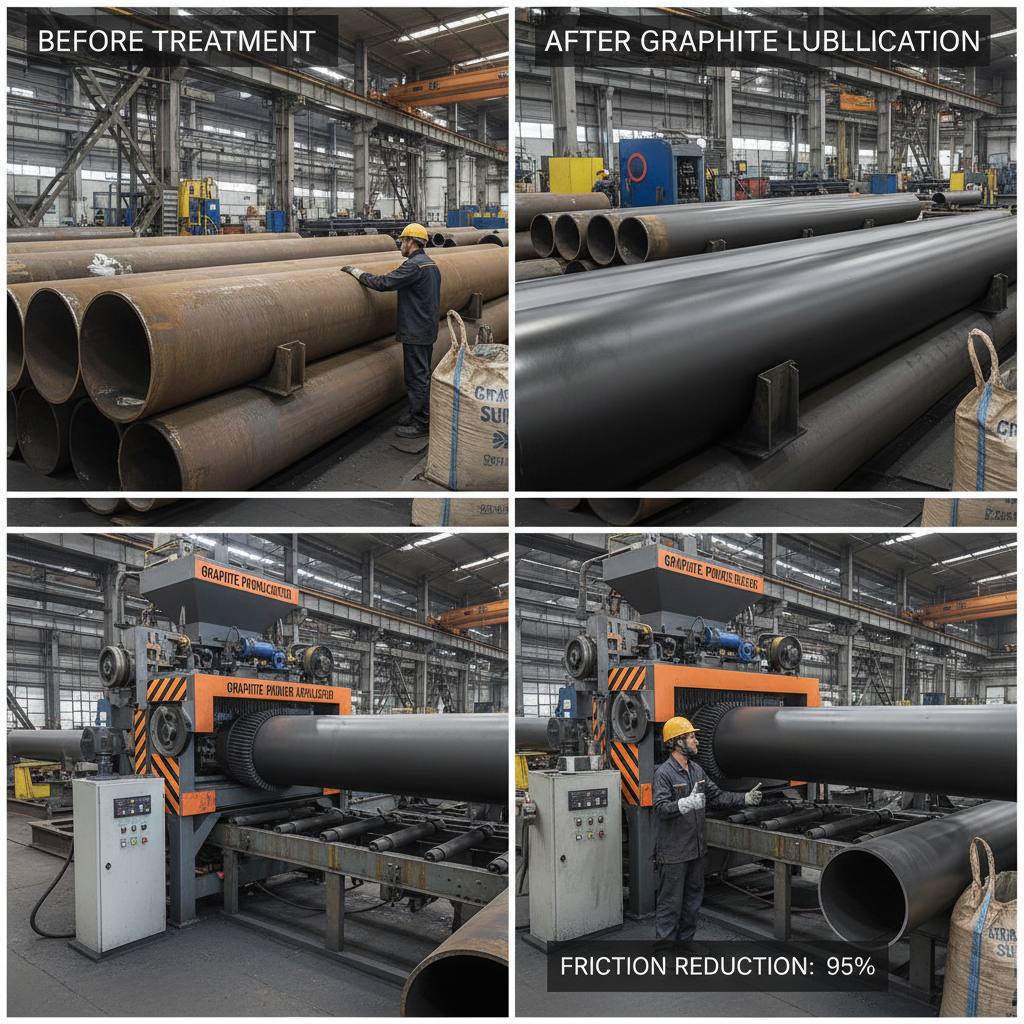
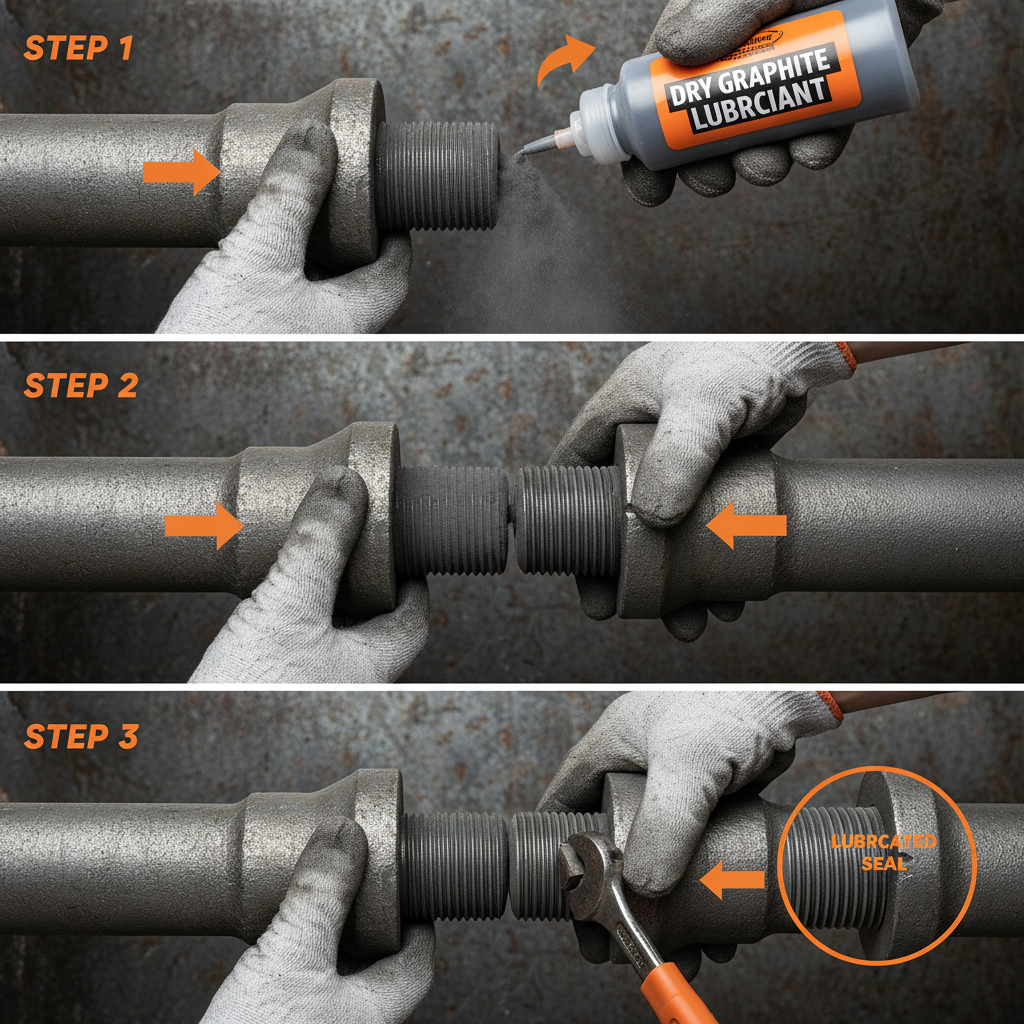
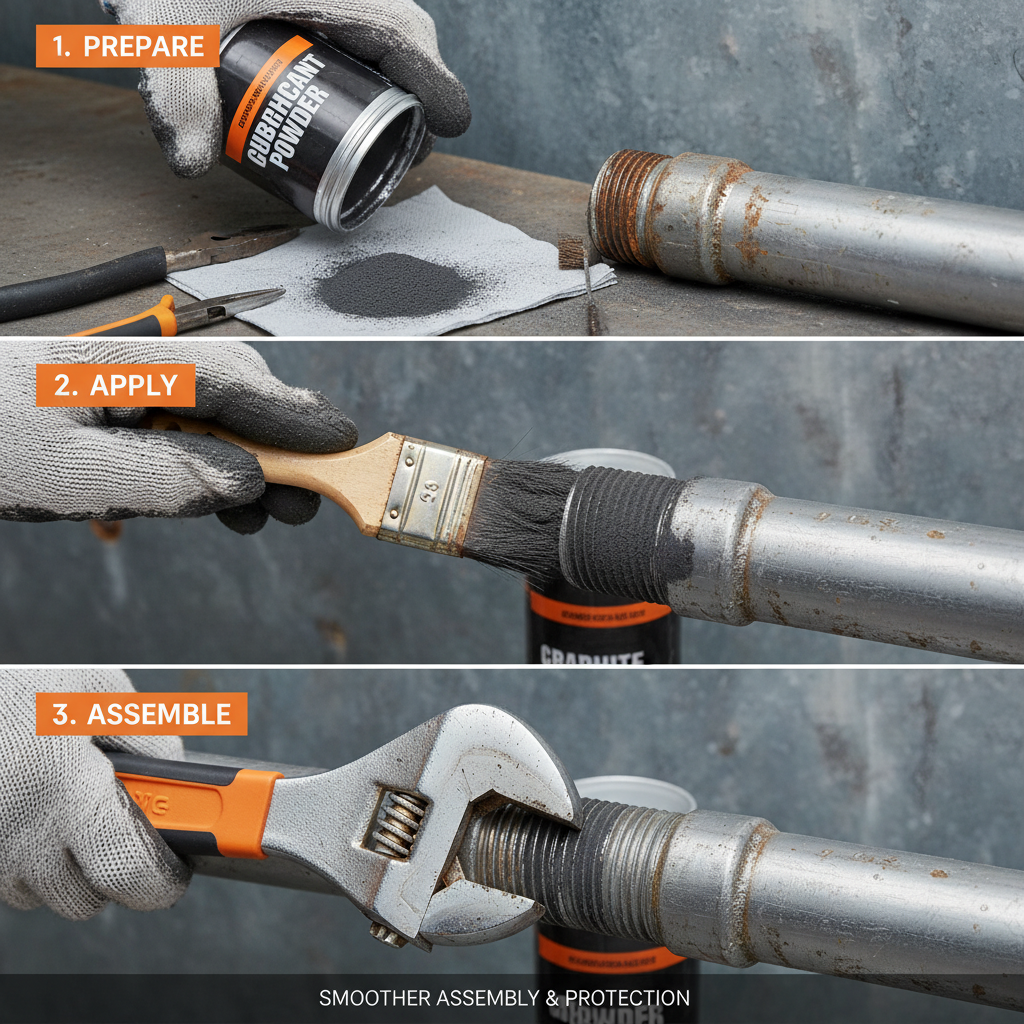
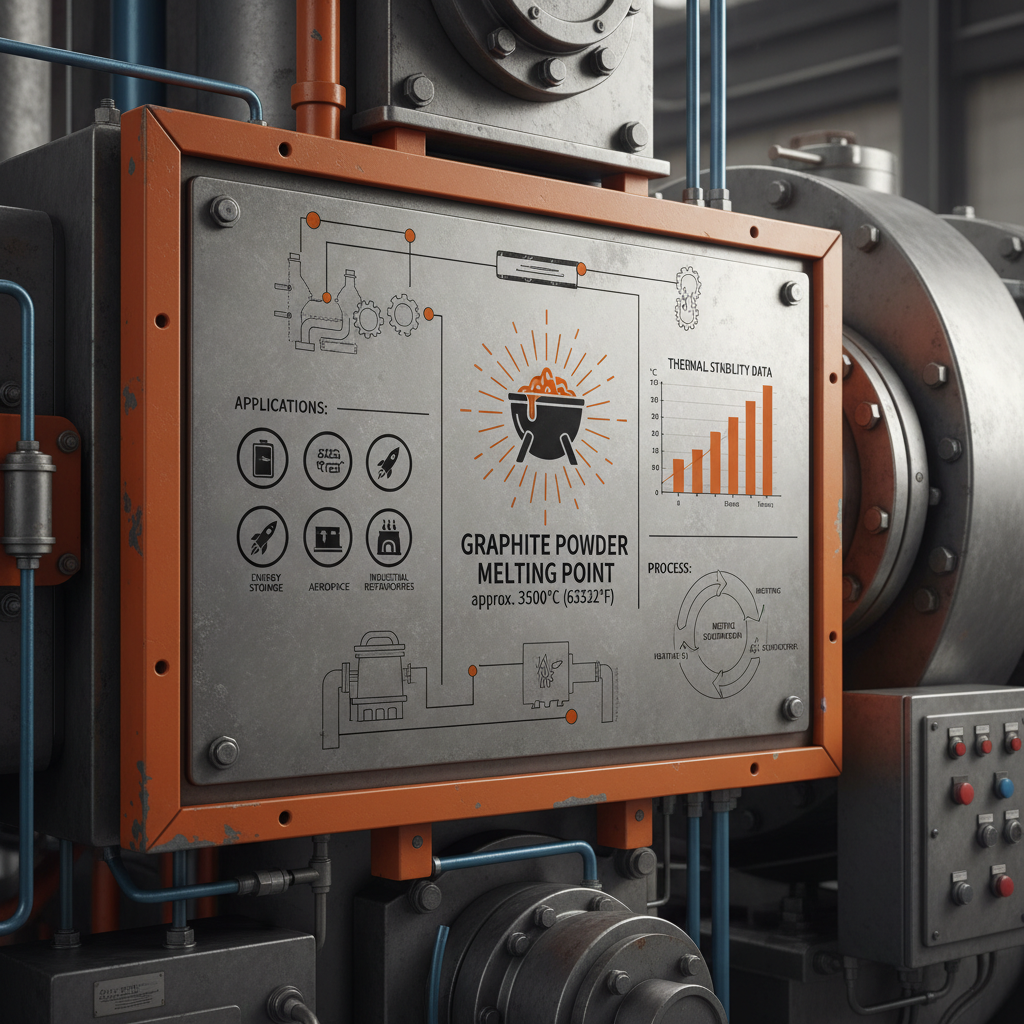
Graphite powder’s high-temperature stability makes it invaluable in several applications. It’s a crucial component in refractories used to line furnaces and crucibles. It’s also utilized in the production of carbon-carbon composites for aerospace applications due to its ability to withstand extreme heat. Powder metallurgy often incorporates graphite as a lubricant and to enhance the properties of sintered materials. Furthermore, it’s used in the manufacturing of electrodes for electric arc furnaces. The consistent quality of graphite powder from suppliers like NL Graphite is critical for these demanding applications.
Graphite Powder Specifications & Grades from NL Graphite
NL Graphite offers a wide array of graphite powder grades tailored to specific applications. Key specifications include particle size distribution, fixed carbon content, ash content, and volatile matter content. Our products are rigorously tested to ensure consistent quality and performance. Here’s a glimpse of our available grades:
Conclusion: Harnessing Graphite’s High-Temperature Properties
Understanding the nuances of graphite powder’s thermal behavior, particularly its sublimation point, is crucial for optimizing its use in a variety of demanding applications. NL Graphite provides high-quality graphite powders and expert guidance to help you select the optimal material for your specific needs. From refractories to aerospace components, our products deliver the reliability and performance you require.
Frequently Asked Questions (FAQs)
Does particle size affect the sublimation temperature of graphite powder?
Generally, particle size does not significantly alter the sublimation temperature of graphite. Sublimation is a bulk property primarily influenced by the cohesive forces within the graphite structure. However, smaller particle sizes may increase the surface area available for sublimation, potentially leading to a slightly faster sublimation rate under identical conditions. Larger particles might require higher energy input to initiate sublimation due to their lower surface area-to-volume ratio. Regardless, the intrinsic sublimation temperature remains relatively constant.
How does the atmosphere influence graphite’s behavior at high temperatures?
The atmosphere plays a crucial role. In an inert atmosphere (argon, helium), graphite sublimates cleanly. In an oxidizing atmosphere (air), graphite reacts with oxygen to form carbon dioxide, altering its behavior. This oxidation process can occur at lower temperatures than sublimation and changes the material’s composition. Controlling the atmosphere is therefore critical when using graphite at high temperatures to prevent unwanted oxidation and maintain its intended properties.
What are the key applications that benefit from graphite's high-temperature stability?
Several industries leverage graphite's high-temperature resistance. These include the production of refractories for furnace linings, the manufacturing of carbon-carbon composites for aerospace components, powder metallurgy processes where graphite acts as a lubricant and strengthening agent, and the creation of electrodes for electric arc furnaces. Its ability to withstand extreme heat without significant degradation makes it indispensable in these applications.
Where can I source high-quality graphite powder for my application?
NL Graphite offers a comprehensive range of graphite powder grades tailored to diverse industrial applications. We prioritize quality control and provide detailed specifications to ensure our products meet your specific requirements. Contact our team of experts to discuss your application and receive personalized recommendations.
 Pervious
 Next
Next