

- Englist


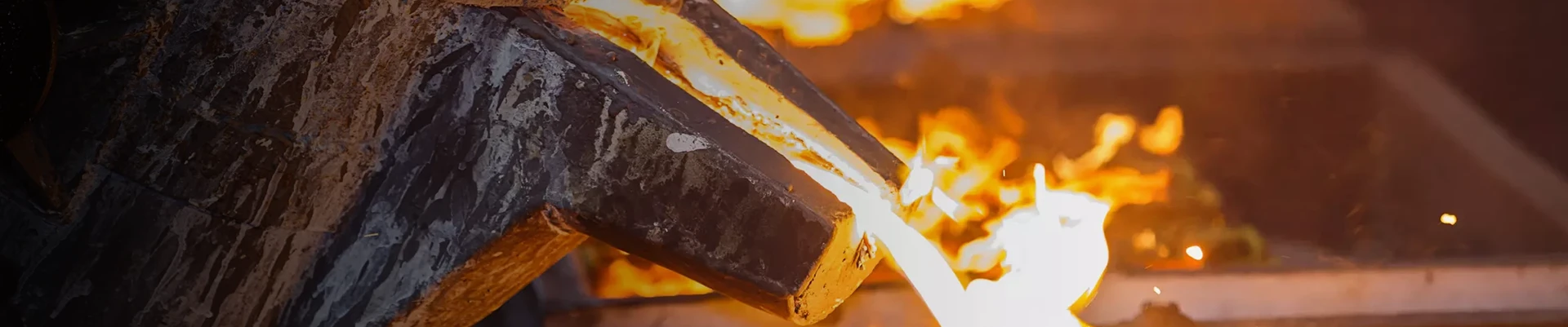
Isostatic Graphite Block: High Purity & Superior Performance

Introduction to Advanced Graphite Materials: Isostatic Graphite Solutions
In high-performance industrial applications, the choice of material is paramount to ensuring operational efficiency, longevity, and cost-effectiveness. Among the most critical materials, graphite stands out for its unique combination of thermal, electrical, and mechanical properties. Specifically, the isostatic graphite block represents a pinnacle in advanced carbon material engineering, offering superior isotropic characteristics crucial for demanding environments. This comprehensive article delves into the intricacies of these advanced graphite solutions, exploring their manufacturing, properties, applications, and market significance for B2B decision-makers and engineers.
Isostatic pressing is a manufacturing technique that subjects a material to uniform pressure from all directions, resulting in a product with exceptional homogeneity and fine grain structure. This process imparts a suite of advantages to the resulting graphite material, making it indispensable across sectors such as semiconductor manufacturing, aerospace, nuclear energy, and metallurgy. Understanding the nuances of these advanced graphite solutions is essential for optimizing industrial processes and achieving breakthrough innovations.
Detailed Manufacturing Process Flow of Isostatic Graphite Blocks
The production of a high-quality isostatic graphite block is a sophisticated multi-stage process that leverages advanced material science and precision engineering. This intricate manufacturing flow ensures the material achieves its renowned isotropic properties, high purity, and structural integrity.
1. Raw Material Selection and Preparation
The foundation of a superior isotropically pressed graphite solution lies in the selection of high-purity carbonaceous raw materials. Typically, petroleum coke or pitch coke, known for their low ash content and high carbon yield, are used. These raw materials undergo strict quality control, including elemental analysis and particle size distribution assessment, to ensure consistent quality. The coke is then crushed, ground, and classified into specific particle sizes to achieve optimal packing density and reactivity during subsequent stages.
2. Mixing and Forming (Isostatic Pressing)
The prepared coke particles are blended with a binder, typically coal tar pitch, at elevated temperatures to form a homogeneous mixture. This mixture is then cooled and pulverized into a fine powder. The crucial step is the isostatic pressing. In this process, the graphite powder is placed into a flexible mold (often rubber or plastic) which is then sealed and subjected to uniform high pressure from all directions within a fluid medium (usually water or oil) inside a pressure vessel. This hydrostatic pressure compacts the powder evenly, eliminating anisotropy and ensuring uniform density throughout the pre-form, which is critical for the final pressed carbon block.
3. Baking (Carbonization)
The green body (pre-form) obtained from isostatic pressing is then slowly heated in a baking furnace under an inert atmosphere. During this carbonization stage, which can last for several weeks, the binder pitch decomposes into carbon, binding the coke particles together. Precise temperature control and slow heating rates are essential to prevent cracking and ensure the structural integrity of the block as volatile components escape. The baking temperature typically reaches around 800-1200°C.
4. Impregnation (Optional)
For enhanced density, strength, and impermeability, the baked graphite block may undergo an impregnation step. This involves saturating the porous block with pitch or resin under vacuum and then re-baking it. This process fills the open pores, further densifying the material and improving its physical properties. This step can be repeated multiple times for ultra-high-density grades.
5. Graphitization
This is the final and most critical thermal treatment. The carbonized or impregnated block is subjected to extremely high temperatures, typically between 2500-3000°C, in an Acheson or Castner furnace. At these temperatures, the amorphous carbon atoms rearrange into a highly ordered crystalline graphite structure. This transformation significantly enhances the material's electrical conductivity, thermal conductivity, and chemical inertness, while reducing its hardness and improving machinability.
6. Machining and Finishing
After graphitization, the raw carbon block is often machined to precise dimensions and finishes using CNC machining. Graphite's excellent machinability allows for complex shapes and tight tolerances, critical for its end-use applications. Surface treatments may also be applied depending on specific application requirements.
7. Quality Control and Testing
Throughout the entire process, rigorous quality control measures are implemented. Finished carbon blocks are subjected to comprehensive testing based on international standards such as ISO and ANSI. Key parameters tested include bulk density, electrical resistivity, flexural strength, compressive strength, thermal expansion coefficient, and ash content. These tests ensure the product meets the stringent specifications required for its intended industrial applications, offering exceptional service life and reliability. Target industries include petrochemical, metallurgy, and water supply & drainage, where advantages like energy saving and corrosion resistance are highly valued.
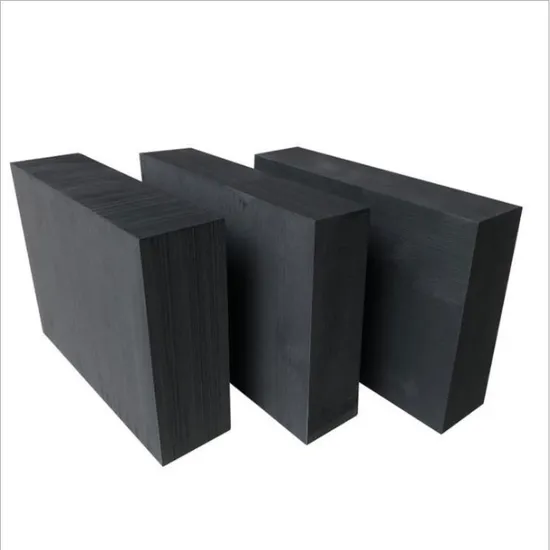
Industry Trends and Market Outlook for Advanced Graphite Materials
The global market for advanced graphite materials, particularly high-purity variants like the isostatic graphite block, is experiencing robust growth driven by several key macro trends. Digitalization, electrification, and the push for sustainable technologies are accelerating demand across various high-tech sectors.
Emerging Technologies Driving Demand
- Semiconductor Industry: The continuous miniaturization and increasing complexity of semiconductor devices necessitate ultra-high purity graphite components for hot zones, susceptors, and crucibles in crystal growth and epitaxy processes. The isotropic properties of such advanced graphite are critical for thermal uniformity, reducing stress and improving yield.
- Electric Vehicles (EVs) and Energy Storage: Graphite is a primary component in lithium-ion battery anodes. While natural graphite dominates this segment, synthetic graphite, including specialized forms, finds use in specific high-performance battery applications and future solid-state battery research, demanding high purity and controlled morphology.
- Aerospace and Defense: High-strength, lightweight graphite composites and components are crucial for aircraft brakes, rocket nozzles, and heat shields, where extreme temperatures and mechanical stresses are encountered.
- Nuclear Energy: Graphite's neutron moderation capabilities and high-temperature resistance make it indispensable in nuclear reactors (e.g., HTGRs), requiring materials with stringent purity and structural integrity.
- Industrial Furnaces and High-Temperature Processing: With industries increasingly adopting higher processing temperatures for material synthesis (e.g., ceramics, advanced metals), the demand for graphite electrodes, heating elements, and insulation for vacuum and inert gas furnaces continues to rise.
The market is also witnessing a shift towards customized solutions, where specific performance requirements dictate the grade and processing of graphite. Suppliers capable of offering tailored material properties and precise machining are gaining a competitive edge. Geographically, Asia-Pacific remains the largest and fastest-growing market, driven by its robust manufacturing base in electronics, automotive, and industrial sectors.
Technical Specifications and Properties of Isostatic Graphite Blocks
The defining characteristic of an isostatic graphite block is its isotropic nature, meaning its physical and mechanical properties are uniform in all directions. This is a direct result of the isostatic pressing manufacturing method, which prevents preferred orientation of the graphite grains typically found in extruded or vibrated graphite materials. This uniformity is critical for applications requiring high precision and stability under varying thermal and mechanical loads.
Key Technical Parameters:
- Bulk Density: High density (e.g., 1.70 – 1.90 g/cm³) contributes to improved strength, thermal conductivity, and reduced porosity.
- Flexural Strength: Indicates the material's ability to resist deformation under bending load, typically ranging from 30-70 MPa.
- Compressive Strength: The material's resistance to crushing, often exceeding 70-150 MPa for high-density grades.
- Electrical Resistivity: Low resistivity (e.g., 8-15 µΩ·m) makes it an excellent conductor, crucial for electrodes and heating elements.
- Thermal Conductivity: High thermal conductivity (e.g., 100-180 W/m·K) ensures efficient heat dissipation or transfer, vital for thermal management.
- Coefficient of Thermal Expansion (CTE): Low and isotropic CTE (e.g., 4-6 x 10⁻⁶ /°C) minimizes thermal stress and distortion, especially important in high-temperature cyclic applications.
- Ash Content: Ultra-low ash content (typically < 50 ppm, often < 5 ppm for nuclear or semiconductor grades) signifies high purity, preventing contamination in sensitive processes.
- Shore Hardness: Measures resistance to indentation, providing an indication of wear resistance and machinability.
Typical Product Specification Table: High Purity Carbon Graphite Block (Isostatically Pressed)
| Parameter | Unit | Typical Value (Grade A) | Typical Value (Grade B) |
|---|---|---|---|
| Bulk Density | g/cm³ | 1.85 | 1.78 |
| Flexural Strength | MPa | 55 (min) | 40 (min) |
| Compressive Strength | MPa | 130 (min) | 100 (min) |
| Electrical Resistivity | µΩ·m | 10.5 | 13.0 |
| Thermal Conductivity | W/(m·K) | 140 | 120 |
| CTE (20-1000°C) | x 10-6 /°C | 4.8 | 5.5 |
| Ash Content | ppm | < 50 | < 100 |
| Shore Hardness (Hs) | - | 50 | 45 |
Note: Values are typical and may vary slightly based on specific manufacturing processes and material grades. Custom specifications are available upon request.
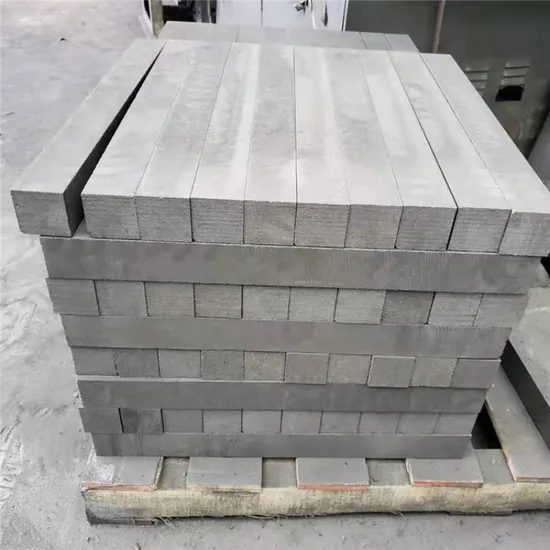
Application Scenarios Across Key Industries
The exceptional properties of the isostatic graphite block make it a versatile material crucial for a multitude of high-tech and heavy industrial applications. Its unique combination of high purity, thermal stability, excellent electrical conductivity, and chemical inertness allows it to thrive in environments where other materials fail.
- Semiconductor Industry: In the production of silicon wafers and other electronic components, this advanced graphite is used for hot zone components, susceptors, crucibles, and heaters in Czochralski (CZ) crystal growth furnaces, epitaxy reactors, and CVD (Chemical Vapor Deposition) processes. Its high purity prevents contamination of sensitive semiconductor materials, and its isotropic thermal expansion ensures uniform heating and minimizes stress, directly impacting yield and device performance.
- Metallurgy and High-Temperature Furnaces: Graphite electrodes for electric arc furnaces (EAFs) and ladle furnaces, graphite molds for continuous casting, and heating elements for vacuum furnaces are common applications. The material's ability to withstand extreme temperatures (up to 3000°C in non-oxidizing atmospheres) and its resistance to thermal shock are invaluable. For example, in special alloy production, graphite crucibles made from such isotropic graphite offer excellent corrosion resistance against molten metals and slag.
- Aerospace and Defense: Used in rocket nozzles, nose cones, and re-entry vehicle components due to its superior strength-to-weight ratio at high temperatures and excellent ablative properties. Its resistance to thermal gradients and structural integrity under extreme conditions is critical for mission success.
- Nuclear Energy: Graphite plays a vital role as a neutron moderator and reflector in nuclear reactors, particularly in high-temperature gas-cooled reactors (HTGRs). The high purity and isotropic structure of this high-purity graphite ensure predictable performance and long service life, essential for nuclear safety and efficiency.
- EDM (Electrical Discharge Machining): Graphite electrodes are preferred for EDM due to their high electrical conductivity, excellent wear resistance, and superior machinability. The fine grain structure of isotropically pressed graphite allows for the creation of intricate shapes with precise details and smoother surface finishes on hard metals.
- Chemical Processing: Graphite heat exchangers, pumps, and other components are used in corrosive chemical environments due to their exceptional chemical inertness, even against strong acids and alkalis, making them ideal for petrochemical and water treatment industries. This offers significant energy saving and corrosion resistance advantages compared to metallic alternatives.
Key Technical Advantages of Isostatic Graphite Blocks
The unique manufacturing process of the isostatic graphite block bestows upon it a range of technical advantages that are critical for high-performance industrial applications. These benefits translate directly into improved product quality, extended operational life, and reduced maintenance costs for end-users.
- Exceptional Isotropic Properties: Unlike extruded graphite, which exhibits anisotropic properties (varying characteristics depending on direction), an isotropically pressed block possesses uniform mechanical, thermal, and electrical properties in all directions. This minimizes internal stresses, prevents cracking, and ensures consistent performance, especially under thermal cycling or complex mechanical loads.
- High Purity: Through careful raw material selection and high-temperature graphitization, isostatic graphite achieves ultra-low ash content (often <50 ppm, with special grades <5 ppm). This high purity is paramount in contamination-sensitive applications like semiconductor manufacturing, where even trace impurities can degrade device performance.
- Fine Grain Structure: The even compaction during isostatic pressing results in a very fine and uniform grain structure. This contributes to superior mechanical strength (flexural and compressive), higher density, and better surface finish after machining, making it ideal for precision components.
- Excellent Thermal Stability and Shock Resistance: Capable of operating at extremely high temperatures (up to 3000°C in inert atmospheres) without melting or softening. Its low coefficient of thermal expansion and high thermal conductivity minimize thermal gradients and enhance resistance to sudden temperature changes, crucial for furnace components and hot zones.
- Superior Chemical Inertness: Highly resistant to corrosion from most acids, alkalis, and reactive gases, even at elevated temperatures. This makes it an ideal material for chemical processing equipment, heat exchangers, and crucibles handling aggressive media.
- Outstanding Machinability: Despite its strength, graphite is relatively easy to machine with high precision using standard CNC techniques. This allows for the creation of complex geometries and tight tolerances required for sophisticated components in industries like aerospace and EDM.
- Long Service Life: The combination of high strength, density, thermal shock resistance, and chemical inertness results in components with extended operational lifetimes, reducing downtime and replacement costs.
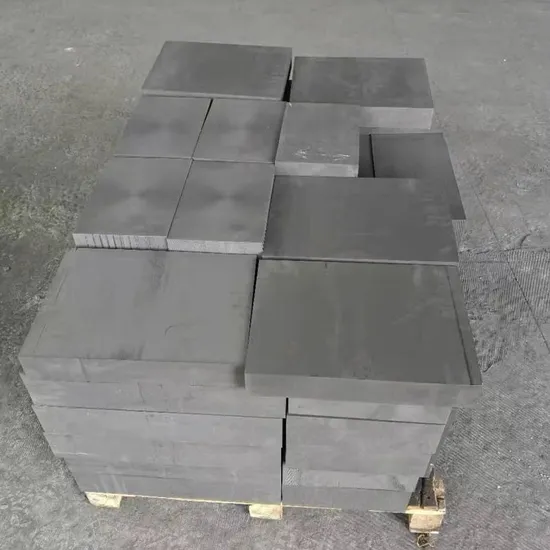
Isostatic Graphite Block vs. Other Graphite Types: A Comparative Analysis
While various forms of graphite are utilized across industries, understanding the distinctions between them is critical for material selection. The isostatic graphite block stands apart due to its unique manufacturing process and resulting isotropic properties. Let's compare it with other common types: solid graphite block and pyrolytic graphite block.
Comparative Table of Graphite Types
| Feature | Isotropically Pressed Graphite | Extruded/Vibrated Graphite (Solid Graphite Block) | Pyrolytic Graphite Block |
|---|---|---|---|
| Manufacturing Process | Powder compacted under uniform hydrostatic pressure. | Paste forced through a die (extruded) or vibrated into a mold (vibrated). | Deposited from hydrocarbon gas in a high-temperature vacuum. |
| Isotropy | Highly Isotropic (properties uniform in all directions). | Anisotropic (properties vary significantly with direction). | Highly Anisotropic (extreme differences in properties between planar and perpendicular directions). |
| Density | High (1.70 - 1.90 g/cm³), uniform. | Medium to High (1.55 - 1.80 g/cm³), may vary slightly. | Very High (2.1 - 2.2 g/cm³), nearly theoretical. |
| Purity | Very High (Ash < 50 ppm, often < 5 ppm for special grades). | Medium to High (Ash 50-500 ppm). | Extremely High (Ash < 2 ppm), purest form. |
| Thermal Conductivity | High (100-180 W/m·K), isotropic. | Good, but anisotropic (e.g., higher in extrusion direction). | Extremely high in-plane (e.g., 500-1700 W/m·K), very low through-plane (e.g., 2-5 W/m·K). |
| Coefficient of Thermal Expansion (CTE) | Low and isotropic (4-6 x 10⁻⁶ /°C). | Anisotropic, typically higher along extrusion. | Highly anisotropic (e.g., 0.5 x 10⁻⁶ in-plane, 25 x 10-6 through-plane). |
| Typical Applications | Semiconductor, Nuclear, EDM, High-Temp Furnaces, Aerospace. | Electrodes, general furnace parts, structural components. | Heat shields, high-temp insulation, crucibles, specialized thermal management. |
| Cost | High. | Medium. | Very High. |
The choice between these graphite types depends entirely on the application's specific requirements. For scenarios demanding uniform properties, high strength, and precision machining under thermal cycling, isotropically pressed graphite is often the material of choice, offering a balanced combination of performance and cost-effectiveness compared to ultra-specialized materials like pyrolytic graphite.
Vendor Comparison and Selection Criteria for Isostatic Graphite Blocks
Selecting the right vendor for an isostatic graphite block is a critical decision that impacts product quality, supply chain reliability, and overall project success. B2B purchasers must evaluate suppliers not only on price but on a comprehensive range of factors that ensure long-term value and support.
Key Criteria for Vendor Evaluation:
- Technical Expertise and R&D Capabilities: A reputable vendor should possess deep technical knowledge of graphite materials science and ongoing R&D efforts. This ensures they can offer tailored solutions and stay ahead of evolving industry demands for new grades of isostatically pressed carbon. Inquire about their engineering team's experience and any patents or research publications.
- Quality Assurance and Certifications: Verify that the supplier adheres to international quality management standards (e.g., ISO 9001:2015). Request detailed material specifications, certificates of analysis (CoA), and evidence of rigorous in-house testing aligned with standards like ISO or ASTM. Look for specific certifications relevant to your industry (e.g., nuclear grade, semiconductor grade).
- Manufacturing Capacity and Lead Times: Assess the vendor's production capacity to ensure they can meet your volume requirements consistently. Discuss typical lead times for standard products and custom orders. A robust supply chain and contingency plans are crucial.
- Customization Capabilities: For many B2B applications, off-the-shelf solutions are insufficient. A strong vendor should offer extensive customization in terms of dimensions, purity levels, specific property adjustments, and precision machining services. Their ability to collaborate on custom designs is a significant advantage.
- Customer Support and After-Sales Service: Evaluate the responsiveness and technical support offered by the vendor. A dedicated support team that can assist with material selection, application engineering, and troubleshooting ensures a smooth experience. Inquire about their warranty and return policies.
- Industry Reputation and Client Portfolio: Look for testimonials, case studies, and references from existing clients, especially those in your target industry. Long-standing relationships with reputable companies often indicate a trustworthy and reliable partner.
- Cost-Effectiveness (Total Cost of Ownership): While initial price is a factor, consider the total cost of ownership (TCO), which includes material cost, lead time, quality consistency (reducing scrap), and product longevity. A higher-quality graphite product might have a higher upfront cost but deliver significant savings over its service life.
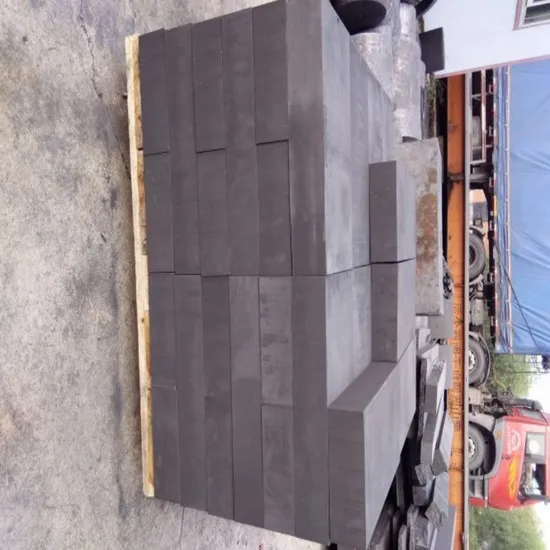
Our company, NLGraphite, proudly offers high-purity carbon blocks, backed by years of experience and a commitment to quality. We hold ISO 9001 certification and are dedicated to supporting our clients with expert advice and tailored products for their most demanding applications.
Customized Solutions and Engineering Capabilities
The demand for bespoke graphite components is continuously rising, particularly in high-precision industries. Generic graphite blocks often fall short of meeting the exacting requirements of advanced applications. Recognizing this, leading manufacturers of this advanced graphite material specialize in providing customized solutions that are engineered to specific performance criteria.
Tailored Material Properties:
Customization begins at the material level. Depending on the application, specific properties of the isotropically pressed material can be fine-tuned:
- Purity Enhancement: For semiconductor or nuclear applications, ultra-high purity grades (e.g., < 2 ppm ash) are achievable through specialized purification processes (e.g., halogen purification).
- Density and Strength Optimization: Through variations in raw material composition and pressing/impregnation cycles, density and mechanical strength can be adjusted to meet specific structural load or wear resistance requirements.
- Thermal Conductivity Tuning: While generally high, specific thermal conductivity ranges can be targeted for heat dissipation or insulation needs.
- Surface Treatments: Coatings (e.g., Pyrolytic Graphite (PyC) or Silicon Carbide (SiC)) can be applied to enhance oxidation resistance, erosion resistance, or surface hardness for specific environments.
Precision Machining and Design Support:
Beyond material properties, customized dimensions and complex geometries are often required. State-of-the-art CNC machining capabilities are essential for transforming such a high-performance carbon block into highly precise components. This includes:
- Complex Geometries: Fabrication of intricate shapes, fine features, and multi-axis contours for demanding applications like hot zone components for crystal growth.
- Tight Tolerances: Achieving dimensional accuracies down to microns, critical for mating components in vacuum systems or optical applications.
- Surface Finish: Controlling surface roughness for applications where contact mechanics or gas flow are critical.
- Engineering Collaboration: Offering design review, prototyping, and optimization services to ensure the graphite component performs optimally within the client's system. This collaborative approach from concept to final product is a hallmark of a strong technical partner.
By partnering with a vendor capable of extensive customization, businesses can unlock the full potential of this specialized graphite for their unique industrial challenges, leading to enhanced performance and extended operational life of their equipment.
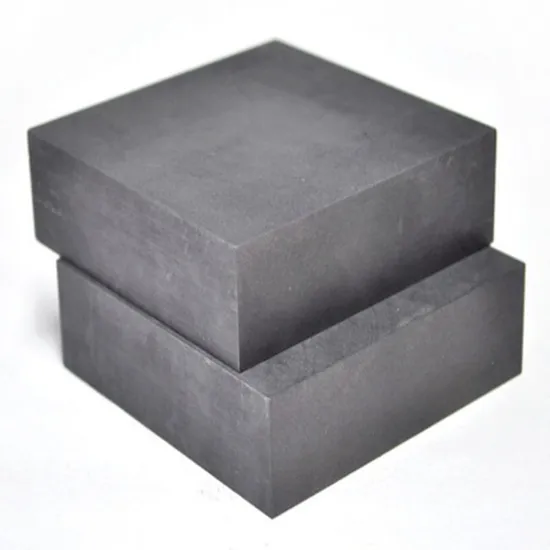
Application Case Studies and Success Stories
The practical application of isotropically pressed graphite materials demonstrates their indispensable value across diverse high-tech and heavy industries. These case studies highlight real-world scenarios where their unique properties have led to significant operational improvements.
Case Study 1: Semiconductor Crystal Growth Furnaces
Challenge: A leading semiconductor manufacturer faced issues with thermal uniformity and component warping in their Czochralski (CZ) furnaces used for growing large silicon ingots. The anisotropic nature of traditional extruded graphite components led to localized stress points and inconsistent temperature profiles, resulting in reduced wafer yield and higher scrap rates.
Solution: The company transitioned to hot zone components (heaters, heat shields, crucibles) fabricated from high-purity isotropically pressed graphite. The isotropic thermal expansion and high thermal conductivity of the isostatic grade ensured an exceptionally uniform temperature field within the furnace, minimizing thermal stress.
Result: Post-implementation, the client reported a 15% increase in silicon wafer yield and a 20% reduction in component replacement frequency due to significantly improved thermal stability and structural integrity. The consistent quality of the specialized carbon block directly contributed to enhanced production efficiency and cost savings.
Case Study 2: Precision EDM Electrodes for Mold Manufacturing
Challenge: A precision mold maker required electrodes for Electrical Discharge Machining (EDM) that could produce intricate details with fine surface finishes and maintain dimensional accuracy over long machining cycles for hard tool steels. Conventional copper electrodes were wearing too quickly and struggled with complex geometries.
Solution: High-density, fine-grain isotropically pressed graphite was selected for the EDM electrodes. Its excellent electrical conductivity, superior wear resistance, and exceptional machinability allowed for the fabrication of highly complex electrode geometries with very fine features, while maintaining minimal electrode wear.
Result: The client achieved a 30% improvement in machining speed and significantly extended electrode life, reducing tool changeovers. The fine-grain structure of this pressed graphite also enabled superior surface finish on the molds, reducing subsequent polishing time by 25%. This led to faster production cycles and higher quality molds.
Case Study 3: Chemical Heat Exchangers in Corrosive Environments
Challenge: A chemical plant experienced frequent failures of metallic heat exchangers in a process involving highly corrosive acids at elevated temperatures, leading to costly downtime and safety concerns.
Solution: The plant replaced the metallic heat exchanger components with custom-designed blocks and tubes made from chemical-grade isotropically pressed graphite. Graphite's inherent inertness to most aggressive chemicals provided a robust solution.
Result: The graphite heat exchangers demonstrated exceptional corrosion resistance and extended service life by over 5 years, drastically reducing maintenance costs and eliminating unplanned shutdowns. The project achieved significant energy saving due to graphite's efficient heat transfer capabilities, making the entire process more sustainable and economical.
Frequently Asked Questions (FAQ) about Isostatic Graphite Blocks
Q1: What makes isotropically pressed graphite different from other types of graphite?
A1: The key differentiator is the manufacturing process: isostatic pressing. This technique applies uniform pressure from all directions, resulting in an exceptionally homogeneous material with isotropic properties. This means its mechanical, thermal, and electrical characteristics are consistent regardless of direction, unlike extruded or vibrated graphite which can be anisotropic. This uniformity reduces internal stress and enhances performance stability in demanding applications.
Q2: What are the primary advantages of using an isotropically pressed graphite material in semiconductor manufacturing?
A2: In semiconductor manufacturing, the high purity of this advanced graphite prevents contamination of silicon wafers. Its isotropic thermal expansion and high thermal conductivity ensure uniform heating and minimal thermal stress, which are crucial for consistent crystal growth and epitaxy processes, directly leading to higher yields and better device performance.
Q3: Can isotropically pressed graphite be machined to complex shapes?
A3: Yes, absolutely. Despite its strength, graphite is known for its excellent machinability. The fine, uniform grain structure of isotropically pressed graphite makes it particularly suitable for precision CNC machining, allowing for the creation of intricate designs, fine features, and tight dimensional tolerances, essential for specialized components in various high-tech industries.
Q4: What is the typical service life of components made from high-purity carbon blocks?
A4: The service life varies greatly depending on the application, operating conditions (temperature, atmosphere, mechanical stress), and specific grade. However, due to its high density, strength, thermal shock resistance, and chemical inertness, components made from high-quality pressed carbon generally offer an extended service life compared to other materials, often lasting significantly longer in corrosive or high-temperature environments. Regular maintenance and proper handling are also key factors.
Q5: What certifications should I look for when sourcing isotropically pressed carbon?
A5: When sourcing such advanced carbon materials, it is crucial to look for suppliers with ISO 9001:2015 certification, which indicates a robust quality management system. Additionally, request Certificates of Analysis (CoA) for specific batches to verify material properties and purity levels. Depending on your industry, specific certifications or adherence to standards like ASTM or nuclear-grade specifications may also be required.
Lead Time, Fulfillment, and Logistics
Efficient supply chain management is as crucial as product quality in B2B transactions. For this high-performance carbon material, lead times and reliable fulfillment processes are key considerations for project planning and operational continuity.
Typical Lead Times:
- Standard Blocks: For common dimensions and grades of isotropically pressed carbon, lead times typically range from 2 to 4 weeks, depending on stock availability and order volume.
- Custom Machined Components: For components requiring intricate CNC machining and specific surface treatments, lead times can extend from 4 to 8 weeks, as they involve design review, programming, precision machining, and rigorous quality inspection.
- Special Grades/Purity: Ultra-high purity or specially impregnated grades may require longer lead times, potentially 8-12 weeks, due to additional processing steps like secondary graphitization or halogen purification.
We advise clients to consult with our sales and technical teams early in their project planning to get precise lead time estimates for their specific advanced graphite requirements.
Fulfillment and Logistics:
Our logistics team ensures secure and timely delivery of these high-purity graphite products worldwide. We offer:
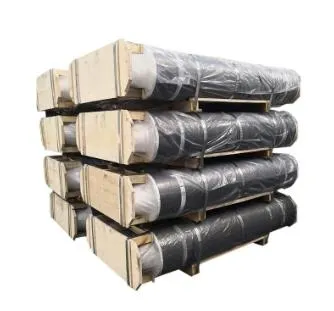
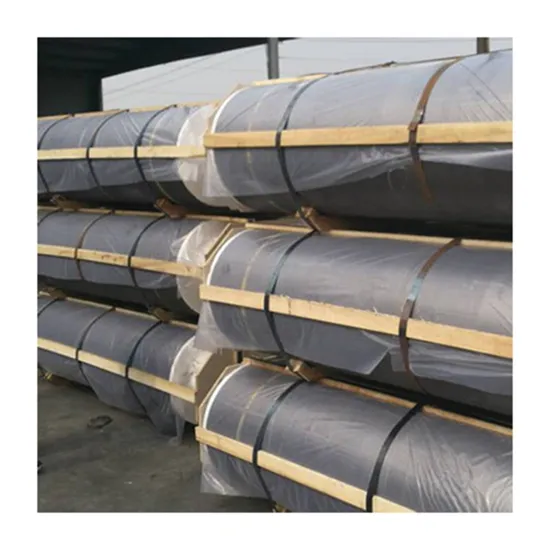
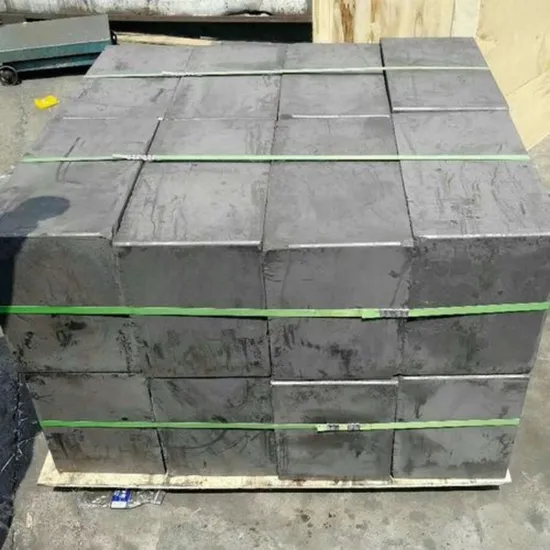
- Robust Packaging: All graphite blocks and components are carefully packed in protective materials and sturdy crates to prevent damage during transit, especially for precision-machined parts.
- Global Shipping: We partner with trusted international freight forwarders for air, sea, and land transportation, offering various shipping options to meet different budget and urgency requirements.
- Documentation: Comprehensive shipping documentation, including customs forms, certificates of origin, and material safety data sheets (MSDS), is provided to facilitate smooth customs clearance.
- Tracking and Communication: Clients receive regular updates on their order status and tracking information for transparency and peace of mind.
Warranty and After-Sales Support
A strong commitment to customer satisfaction extends beyond product delivery. Our warranty and after-sales support for isostatic graphite block products are designed to provide peace of mind and ensure long-term performance.
Warranty Commitments:
- Material Quality Guarantee: We guarantee that all high-purity graphite products supplied will meet the specified technical parameters and purity levels as outlined in the purchase agreement and accompanying Certificates of Analysis.
- Manufacturing Defect Coverage: Products are warranted against defects in material and workmanship for a specified period (e.g., 12 months from delivery), provided they are used under normal operating conditions and in accordance with recommended guidelines.
- Replacement or Refund Policy: In the unlikely event of a verified manufacturing defect, we commit to either replacing the faulty product or issuing a refund, depending on mutual agreement and the nature of the defect.
Comprehensive Customer Support:
Our dedicated after-sales support team is committed to assisting clients with any queries or issues related to their advanced graphite purchases. This includes:
- Technical Assistance: Our experienced engineers are available to provide technical guidance on product selection, application optimization, and troubleshooting operational challenges.
- Application Engineering Support: We offer continued support to help clients optimize their use of graphite components, providing insights into best practices for handling, installation, and extending service life.
- Responsive Communication: We ensure prompt responses to all inquiries, whether by phone or email, facilitating efficient problem resolution.
- Feedback Mechanism: We actively solicit customer feedback to continuously improve our products and services, ensuring our solutions remain at the forefront of industry needs.
Conclusion
The advanced isostatic graphite stands as a critical material, indispensable across a spectrum of high-performance industries. Its unique isotropic properties, high purity, exceptional thermal stability, and machinability make it the material of choice for applications demanding precision, reliability, and longevity. From semiconductor hot zones and EDM electrodes to nuclear reactors and corrosive chemical processing, the advantages offered by this specialized graphite are profound and directly contribute to enhanced operational efficiency and innovation.
As industries continue to push the boundaries of technology, the demand for advanced materials like this specialized graphite will only intensify. Partnering with a knowledgeable and reliable supplier capable of delivering customized solutions, backed by robust quality control and comprehensive support, is essential for leveraging the full potential of this remarkable material.
References
- Pierson, H. O. (1993). Handbook of carbon, graphite, diamonds and fullerenes: properties, processing, and applications. Noyes Publications.
- Kelly, B. T. (1981). Physics of graphite. Applied Science Publishers.
- Donnet, J. B., & Bansal, R. C. (1984). Carbon fibers. Marcel Dekker.
- International Organization for Standardization (ISO). (n.d.). ISO Standards for Carbon and Graphite.
- American Society for Testing and Materials (ASTM). (n.d.). ASTM Standards on Carbon and Graphite Materials.
 Pervious
 Next
Next