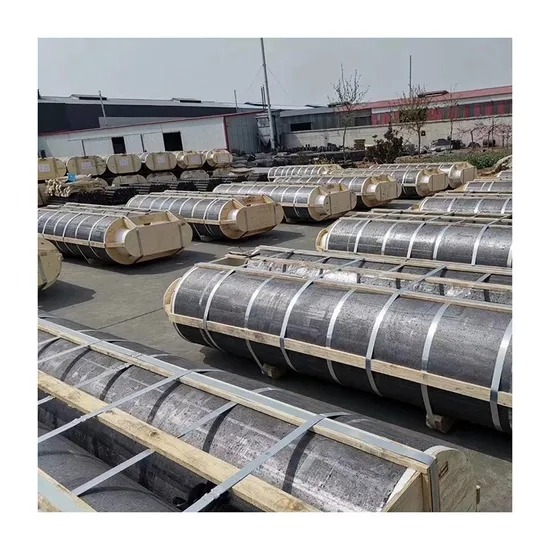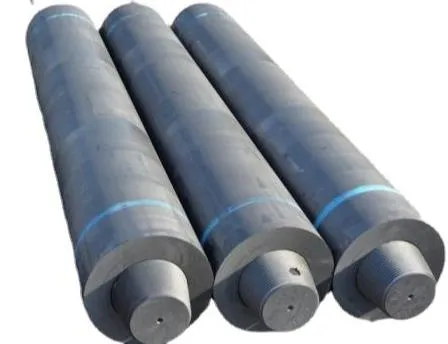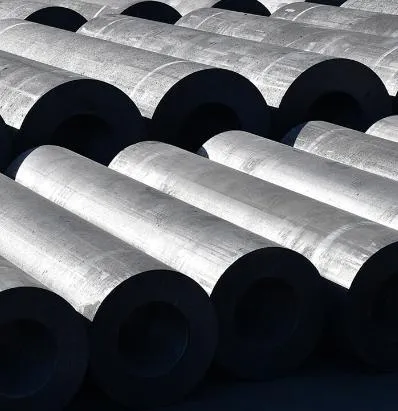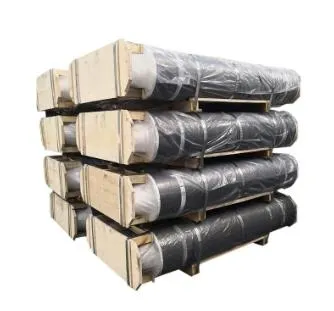


- Englist



Exploring the Versatility of Graphite Plates

Graphite plates are essential components in various industrial and technological applications, valued for their unique combination of electrical conductivity, thermal stability, and chemical resistance. Among the key variants carbon graphite plate, and graphite plates for fuel cells each offers distinct advantages tailored to specific use cases. This article delves into their properties, applications, and the technical innovations that make them indispensable in modern engineering and energy solutions.
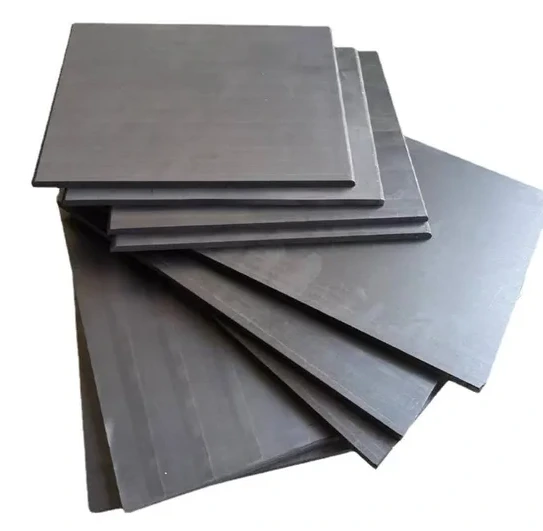
Understanding Graphite Plates and Their Core Components
A graphite plate is a flat, rectangular structure manufactured from high-purity graphite, a form of carbon with a layered hexagonal crystal structure. This structure grants it exceptional electrical conductivity, making it ideal for applications requiring efficient current transmission. Graphite plates are often reinforced or modified to enhance mechanical strength or chemical resistance, depending on the end use.
Graphite plates are typically produced through processes like powder metallurgy, where graphite powder is mixed with binders, pressed into shape, and sintered at high temperatures. For carbon graphite plates, the inclusion of additional carbon-based materials or resins further improves density and resistance to corrosive environments. These manufacturing techniques ensure consistency in thickness, surface finish, and structural integrity, critical for precision applications.
Graphite Plate Electrodes Design and Functional Excellence
Graphite plate electrodes play a pivotal role in electrochemical systems, such as batteries, electrolyzers, and electrochemical sensors. Their design focuses on maximizing surface area for optimal ion exchange while maintaining mechanical durability. The high electrical conductivity of graphite minimizes energy loss, making these electrodes highly efficient in converting electrical energy into chemical reactions and vice versa.
In electrolysis processes, graphite plate electrodes resist degradation from reactive ions and harsh electrolytes, outlasting metal counterparts in corrosive environments. Their thermal stability also allows operation at elevated temperatures without compromising performance, a key factor in industrial-scale electrochemical processes like chlor-alkali production. Additionally, the ease of machining graphite into complex shapes enables customized electrode designs for specialized applications.
Carbon Graphite Plates Advantages in High-Performance Applications
Carbon graphite plates represent a premium variant, combining the base properties of graphite with enhanced mechanical and thermal characteristics. The integration of carbon fibers or other carbon-based composites results in a material that withstands high mechanical stress, extreme temperatures, and aggressive chemical environments.
In high-temperature furnaces, carbon graphite plates serve as structural components, resisting thermal expansion and maintaining dimensional stability. In aerospace, they are used in thermal management systems, where their ability to dissipate heat efficiently is critical for protecting sensitive avionics. Their chemical inertness also makes them suitable for applications in the pharmaceutical and semiconductor industries, where contamination must be strictly controlled.
Graphite Plates for Fuel Cells Enhancing Energy Conversion Efficiency
One of the most promising applications for graphite plates is in graphite plates for fuel cells, particularly proton exchange membrane fuel cells. These plates act as bipolar plates, facilitating the flow of reactant gases while conducting electricity between cells in a stack. Their role is vital for maintaining the fuel cell's efficiency and longevity.
Graphite plates for fuel cells must balance several requirements: high electrical conductivity, impermeability to gases, and resistance to oxidative degradation in the fuel cell environment. Advanced manufacturing techniques, such as precision machining and surface coating, address these needs by enhancing corrosion resistance without compromising conductivity. The lightweight nature of graphite also contributes to the overall efficiency of fuel cell systems, making them viable for transportation and stationary power applications.
Graphite Plate Electrodes FAQs
How do graphite plate electrodes differ from traditional electrode materials?
Graphite plate electrodes offer superior electrical conductivity, chemical resistance, and thermal stability compared to metals like copper or steel. Unlike metal electrodes, they do not corrode in acidic or alkaline environments, making them more durable and reliable in long-term electrochemical applications.
What makes carbon graphite plates suitable for high-temperature environments?
Carbon graphite plates are engineered to withstand extreme temperatures due to their high melting point and low coefficient of thermal expansion. The carbon-based composites in their structure maintain mechanical integrity and electrical conductivity even at elevated temperatures, making them ideal for furnaces, aerospace components, and industrial heaters.
How do graphite plates contribute to fuel cell performance?
In fuel cells, graphite plates for fuel cells serve as bipolar plates, distributing reactant gases and collecting electrical current. Their corrosion resistance and high conductivity ensure consistent performance over thousands of operating hours, while their lightweight design reduces the system's overall mass, enhancing energy conversion efficiency.
Can graphite plates be customized for specific applications?
Yes, graphite plates can be tailored in terms of thickness, surface texture, and material composition. Manufacturers often add coatings or reinforcing agents to improve properties like hardness or impermeability, making them suitable for diverse uses, from electrochemical sensors to aerospace thermal components.
What is the environmental impact of producing graphite plates?---H3
The production of graphite plates focuses on sustainability, with many manufacturers using recycled graphite or low-energy sintering processes. Additionally, their long lifespan and recyclability contribute to reducing waste, aligning with global efforts to promote eco-friendly industrial materials.
Graphite plates for fuel cells are versatile materials driving innovation across industries. Their unique combination of electrical, thermal, and mechanical properties makes them indispensable in applications ranging from electrochemical systems to advanced energy solutions. As research continues to refine their design and manufacturing processes, graphite plates are poised to play an even more significant role in shaping sustainable and efficient technological advancements.
This article explores the diverse applications and technical merits of graphite plates.It discusses their composition, manufacturing, and advantages in electrochemical systems, high-temperature environments, and fuel cell technology. FAQs address key questions about their design, performance, and environmental impact, underscoring their importance as durable, efficient, and customizable materials for modern engineering challenges.
 Pervious
 Next
Next