

- Englist



Comprehensive Guide to Purchasing High Quality Graphite Powder for Sale

Graphite Powder for Sale: A Comprehensive Guide
Finding the right graphite powder for sale can be a crucial step for numerous industrial applications. From lubricants and refractories to batteries and polymers, the properties of graphite powder significantly impact product performance. This article will delve into the various types, applications, and factors to consider when purchasing graphite powder, with a focus on providing a comprehensive guide for informed decision-making. We’ll explore how choosing the right graphite powder can optimize processes and enhance final product quality.
Understanding Different Types of Graphite Powder
Graphite powder isn't a one-size-fits-all material. It's categorized based on several factors, including particle size, purity, and structure. Natural graphite powder is mined from the earth and typically contains fewer impurities than synthetic options, making it ideal for applications requiring high conductivity. Synthetic graphite powder, created through high-temperature treatment of carbonaceous materials, often boasts more consistent particle size and higher purity, suitable for specialized applications like battery production. Further classification includes flake graphite, amorphous graphite, and expandable graphite, each exhibiting unique characteristics tailored to specific needs. Choosing the appropriate type is paramount for achieving desired performance characteristics.
Key Takeaway: The choice between natural and synthetic graphite powder depends on the specific application and desired purity levels.
Applications of Graphite Powder Across Industries
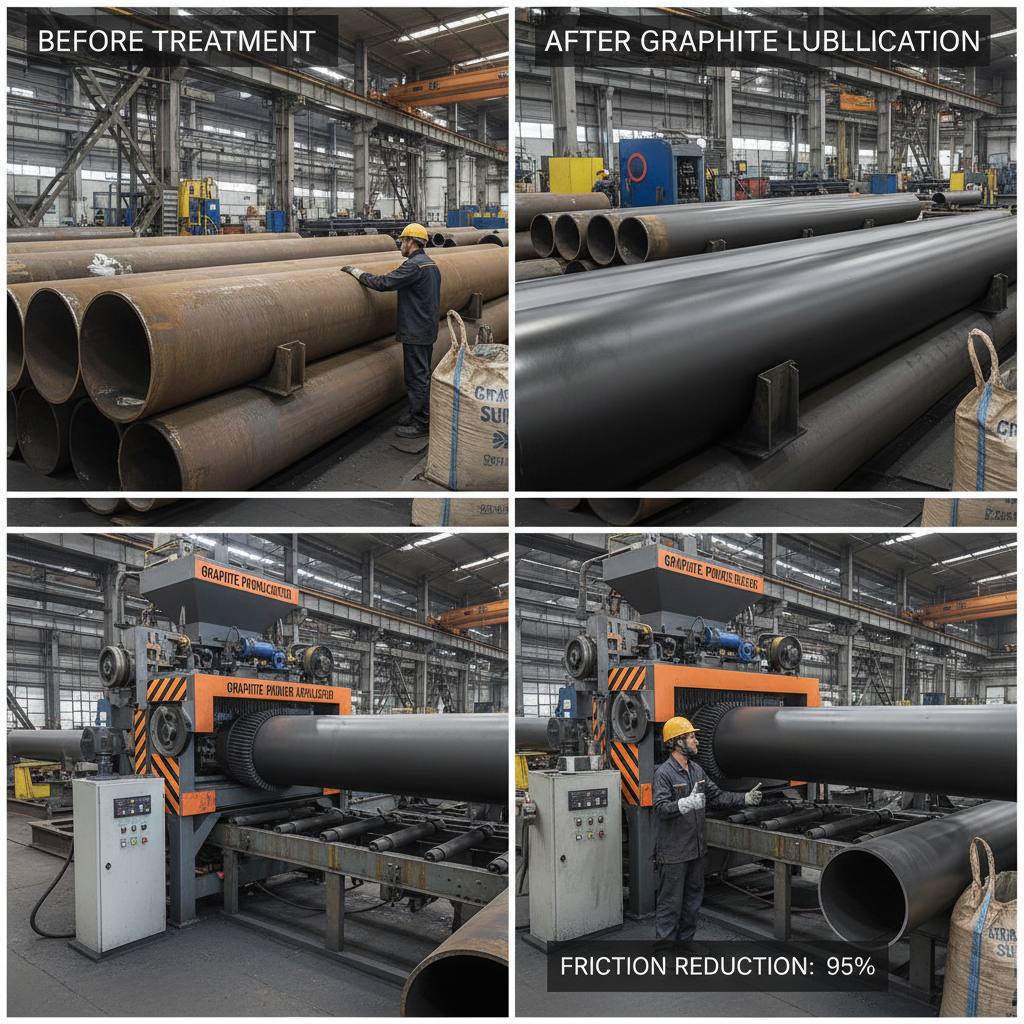
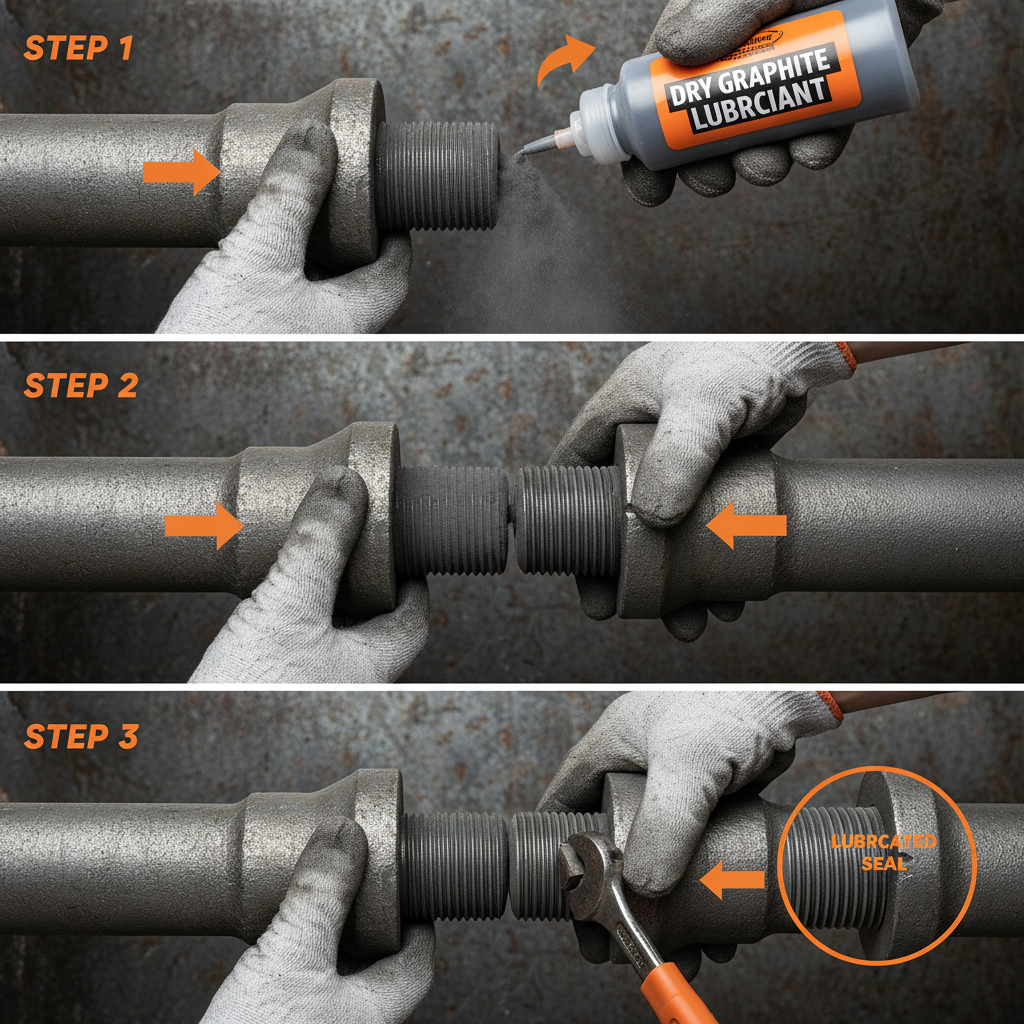
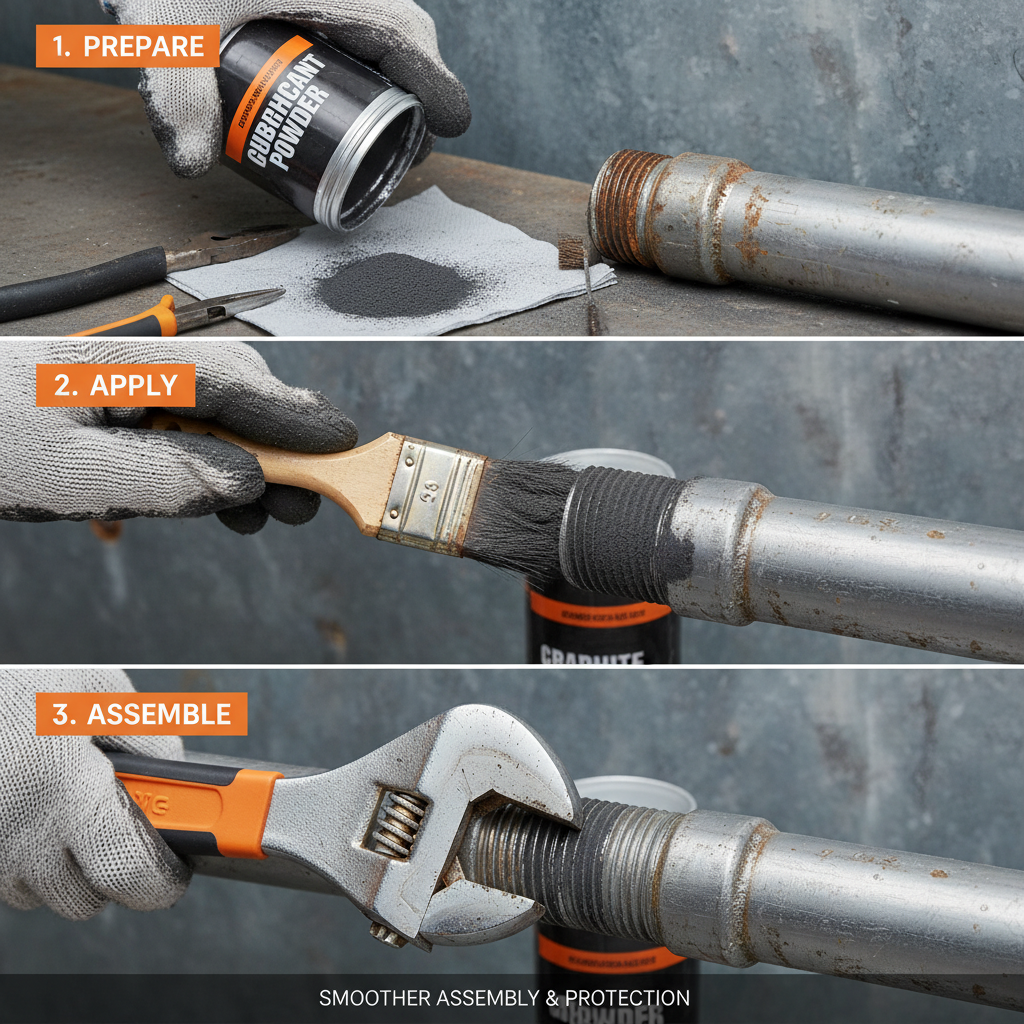
The versatility of graphite powder makes it a valuable component in diverse industries. In the lubricant industry, it acts as a dry lubricant reducing friction and wear. Refractory materials benefit from graphite's high-temperature resistance. The booming battery industry relies on graphite as a crucial material for anodes in lithium-ion batteries. Furthermore, it’s utilized in polymer composites to enhance conductivity and mechanical strength. Other applications include brake linings, paints, and pencils. Understanding these applications helps pinpoint the precise graphite powder specifications required for optimal results. Find high-quality graphite powder for all your needs at NL Graphite.
Key Applications:
• Lubricants: Reduces friction and wear
• Refractories: High-temperature resistance
• Batteries: Anode material in lithium-ion batteries
• Polymer Composites: Enhances conductivity and strength
Graphite Powder for Sale: Particle Size and its Impact
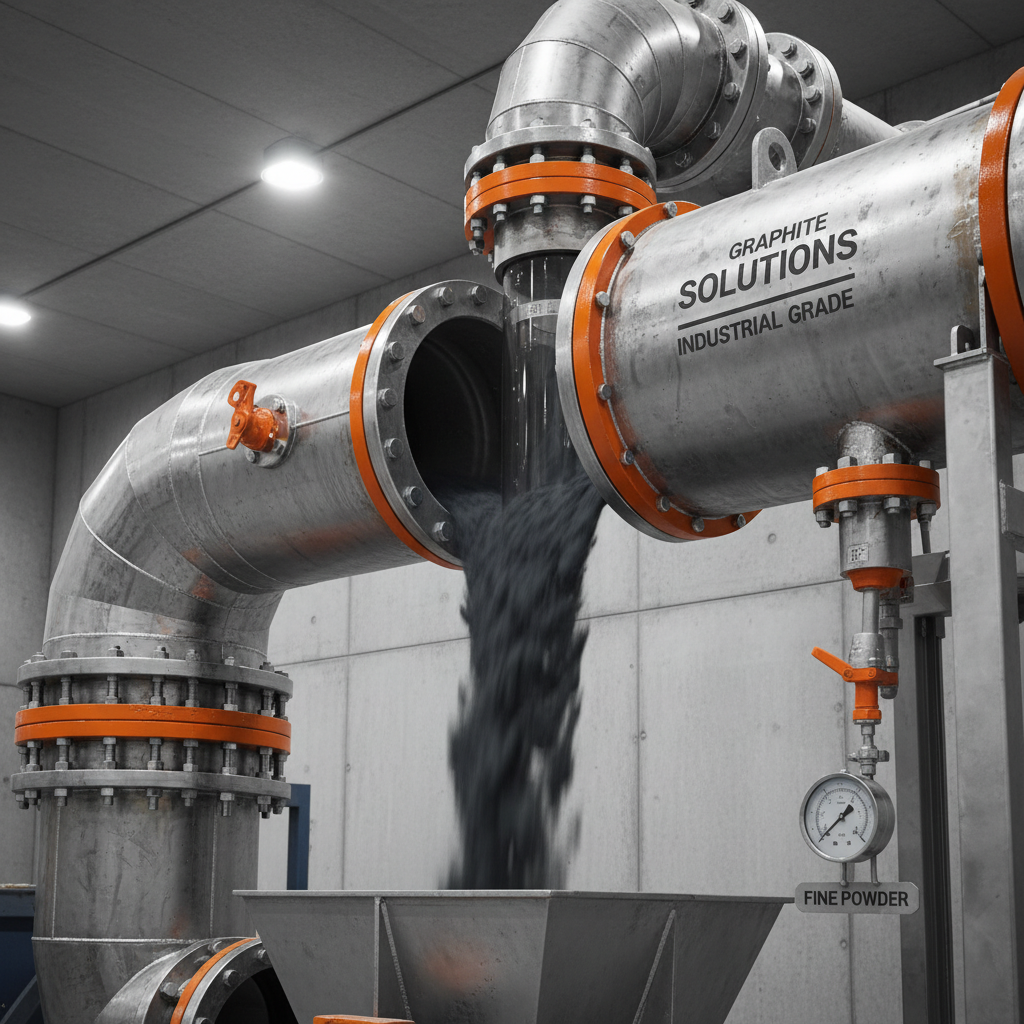
The particle size of graphite powder plays a significant role in determining its performance. Finer particles (smaller than 10 microns) offer higher surface area and improved dispersion, ideal for applications like coatings and conductive inks. Coarser particles (larger than 50 microns) are better suited for refractories and lubricants where high bulk density is preferred. Selecting the appropriate particle size distribution is crucial for achieving optimal properties such as conductivity, lubrication, and dispersion. We offer a wide range of particle sizes to meet your precise requirements.
Purity Levels and Their Significance
The purity of graphite powder is a critical factor, particularly in high-tech applications. Impurities can significantly affect conductivity, chemical reactivity, and mechanical properties. Higher purity graphite (99.9% and above) is essential for battery production, semiconductors, and specialized lubricants. Lower purity levels might suffice for less demanding applications like refractory materials. We at NL Graphite offer graphite powder with varying purity levels to cater to diverse requirements.
Choosing the Right Supplier for Graphite Powder
Selecting a reputable supplier is crucial to ensure consistent quality, reliable supply, and competitive pricing. Look for suppliers with established quality control procedures, comprehensive technical support, and the ability to customize products to your specific needs. NL Graphite is a leading provider of high-quality graphite powder, offering a wide range of products and exceptional customer service. We are committed to meeting your requirements with precision and efficiency.
Conclusion: Finding the Ideal Graphite Powder Solution
Ultimately, the selection of graphite powder hinges on a thorough understanding of your application’s specific requirements. By considering particle size, purity levels, and supplier reliability, you can ensure optimal performance and cost-effectiveness. NL Graphite is dedicated to providing tailored solutions and expert guidance to help you achieve success.
Frequently Asked Questions (FAQs)
What factors affect the cost of graphite powder?
The price of graphite powder is influenced by several factors, including particle size, purity, type (natural vs. synthetic), and quantity ordered. Higher purity grades and finer particle sizes generally command higher prices due to more complex manufacturing processes. Demand and supply dynamics, as well as transportation costs, also play a role. Bulk orders typically qualify for discounted pricing. Contacting a supplier like NL Graphite will provide a customized quote based on your specific requirements.
How should graphite powder be stored to maintain its quality?
Graphite powder should be stored in a cool, dry, and well-ventilated area, away from direct sunlight and moisture. It's best to keep it in sealed containers to prevent contamination and oxidation. Avoid storing it near strong oxidizing agents or flammable materials. Proper storage will ensure the graphite powder retains its properties and performance characteristics.
Can graphite powder be used in conductive plastics?
Yes, graphite powder is widely used as a conductive filler in plastics to enhance their electrical conductivity. The amount of graphite added depends on the desired level of conductivity and the specific plastic material. Fine particle sizes are preferred for better dispersion and conductivity. This application is common in electromagnetic interference (EMI) shielding, antistatic packaging, and conductive components.
What safety precautions should be taken when handling graphite powder?
While generally considered non-toxic, graphite powder can cause irritation to the eyes, skin, and respiratory system. It is recommended to wear appropriate personal protective equipment (PPE), such as safety glasses, gloves, and a dust mask, when handling the powder. Ensure adequate ventilation in the work area and avoid inhaling the dust. Refer to the Safety Data Sheet (SDS) for detailed safety information.
 Pervious
 Next
Next