

- Englist


Exploring the Diverse Applications of Pure Graphite Powder Across Industries

Understanding the Versatility of Pure Graphite Powder
Pure graphite powder is a remarkably versatile material finding applications across a diverse range of industries. From lubricants and batteries to refractories and conductive paints, its unique properties make it an indispensable component in numerous manufacturing processes. This article will explore the characteristics, applications, and benefits of using high-quality graphite powder, providing a comprehensive overview for engineers, researchers, and purchasing professionals. Understanding the nuances of graphite powder is crucial for optimizing performance and achieving desired outcomes in your specific application.
Key Properties of Pure Graphite Powder
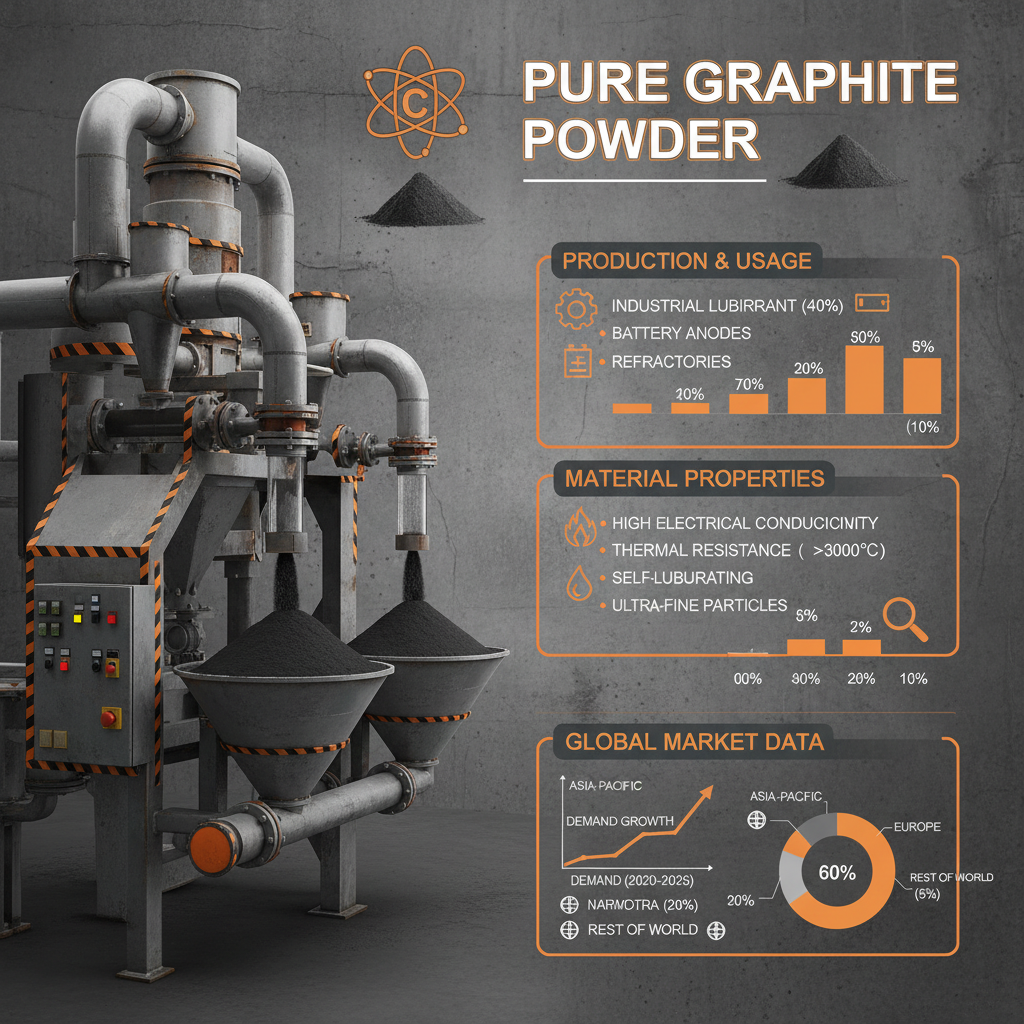
The exceptional characteristics of pure graphite powder stem from its unique crystalline structure. It boasts excellent thermal conductivity, high electrical conductivity, and exceptional chemical inertness. Its layered structure allows for easy shearing, making it an ideal solid lubricant. Moreover, graphite is lightweight and readily available, contributing to its cost-effectiveness. These combined properties make it suitable for applications demanding resistance to high temperatures, corrosion, and wear. The particle size and purity of the graphite powder significantly influence its performance; therefore, selecting a reputable supplier like NL Graphite is critical.
Key Highlights: Excellent thermal conductivity, high electrical conductivity, exceptional chemical inertness, and self-lubricating properties.
Applications of Pure Graphite Powder Across Industries
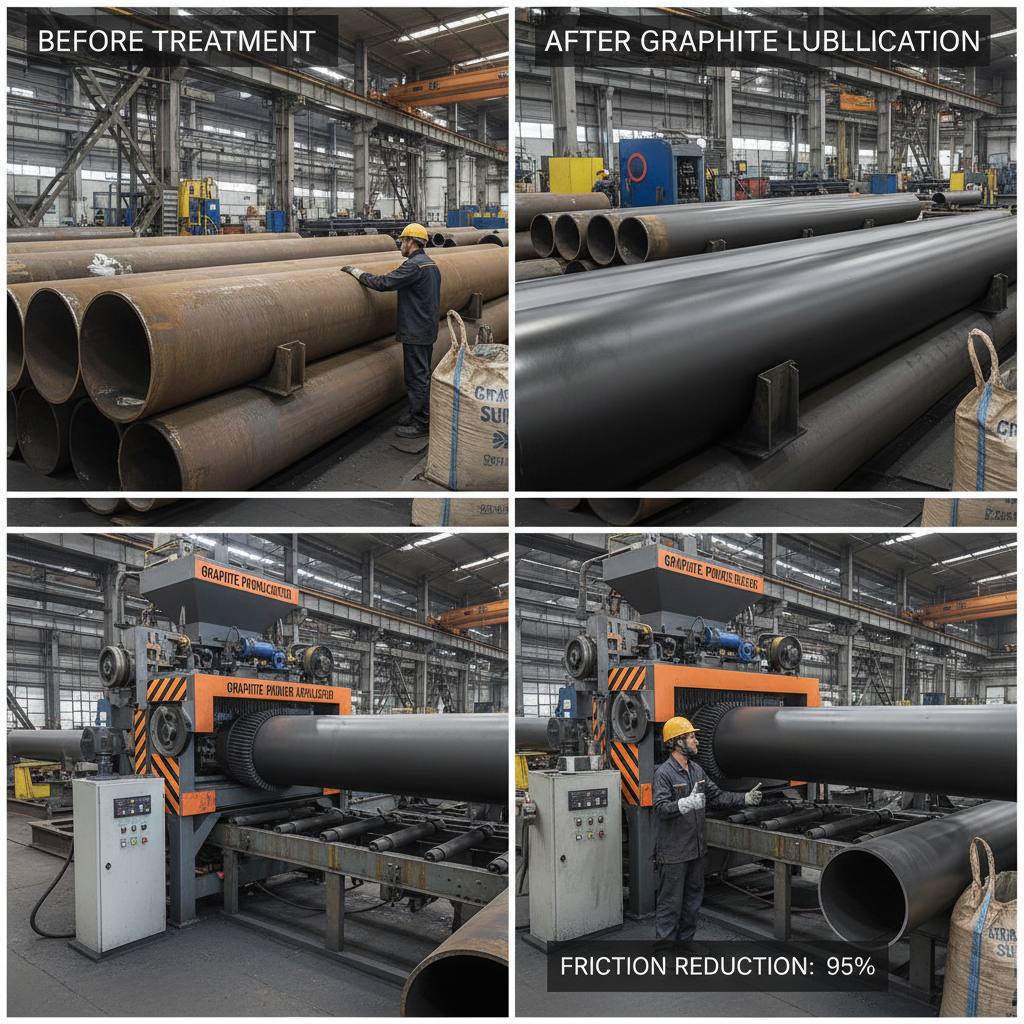
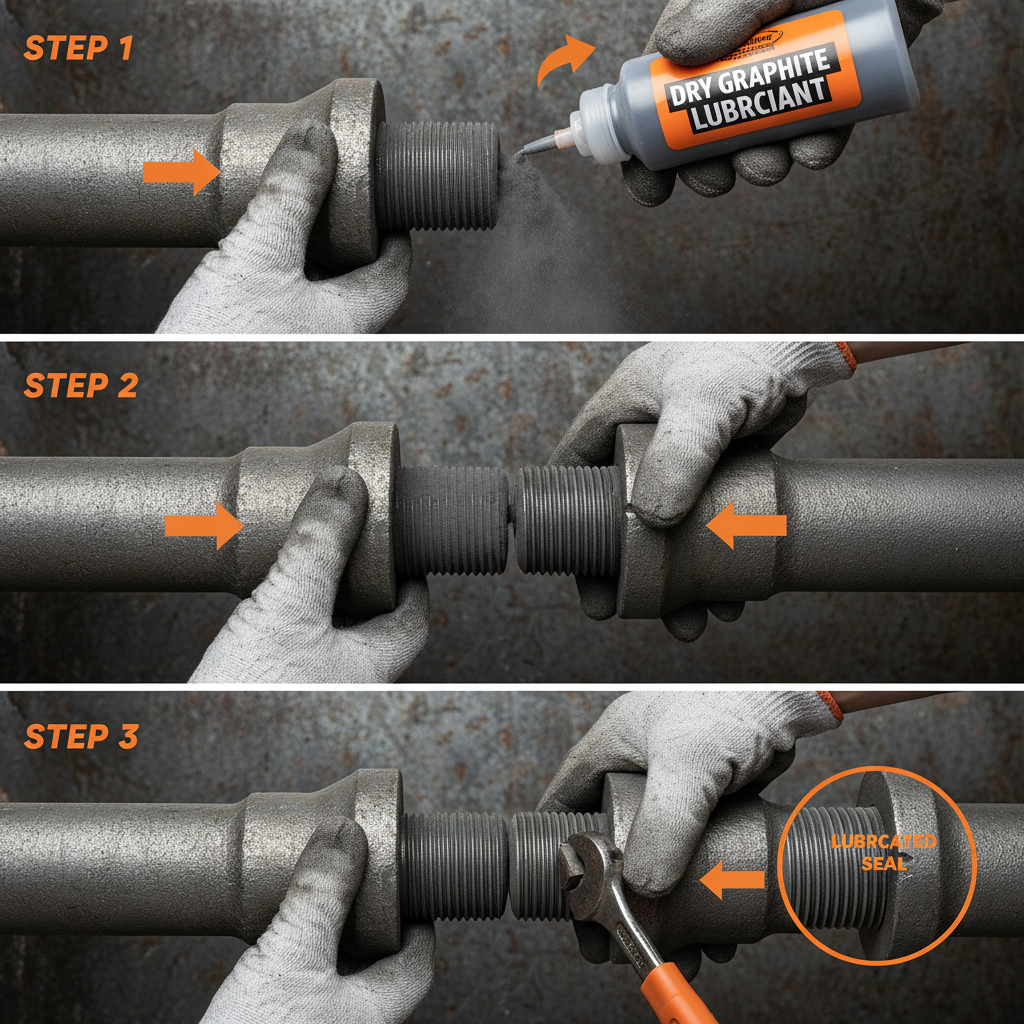
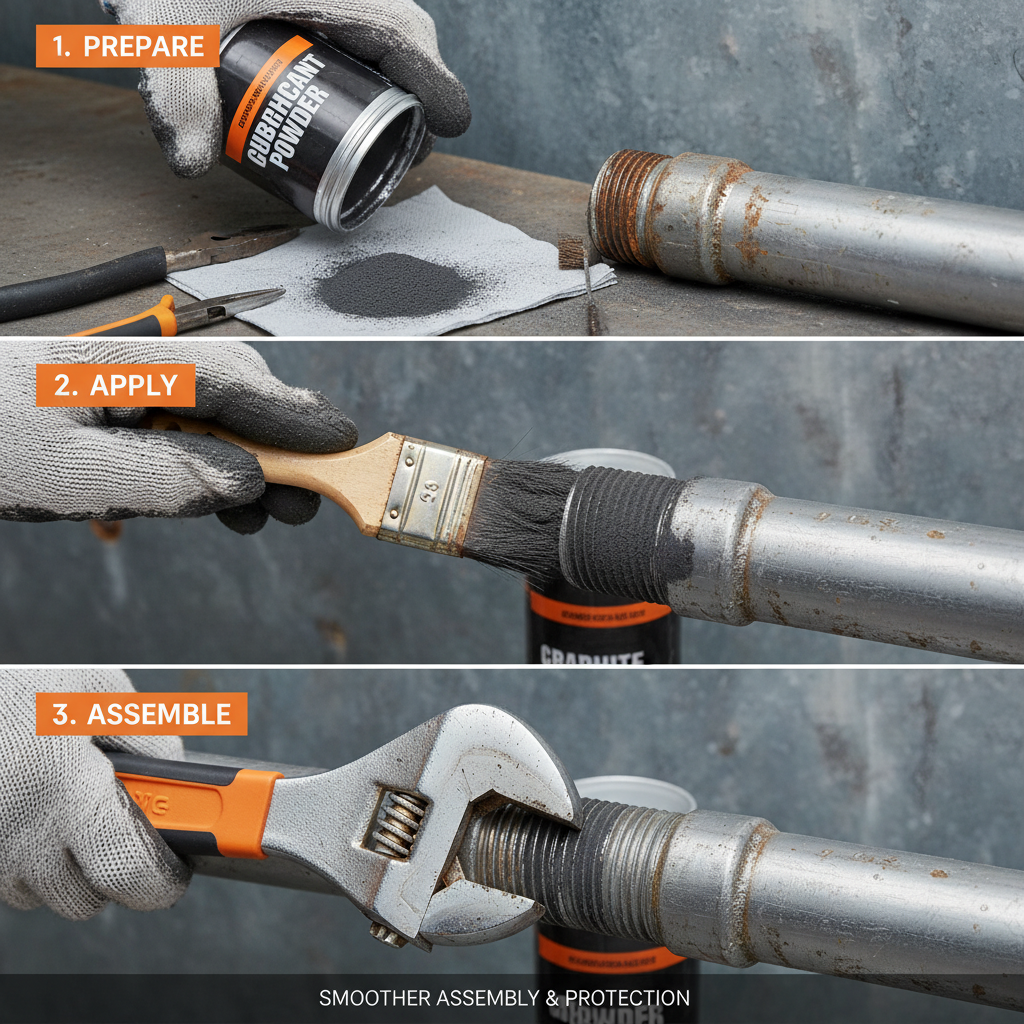
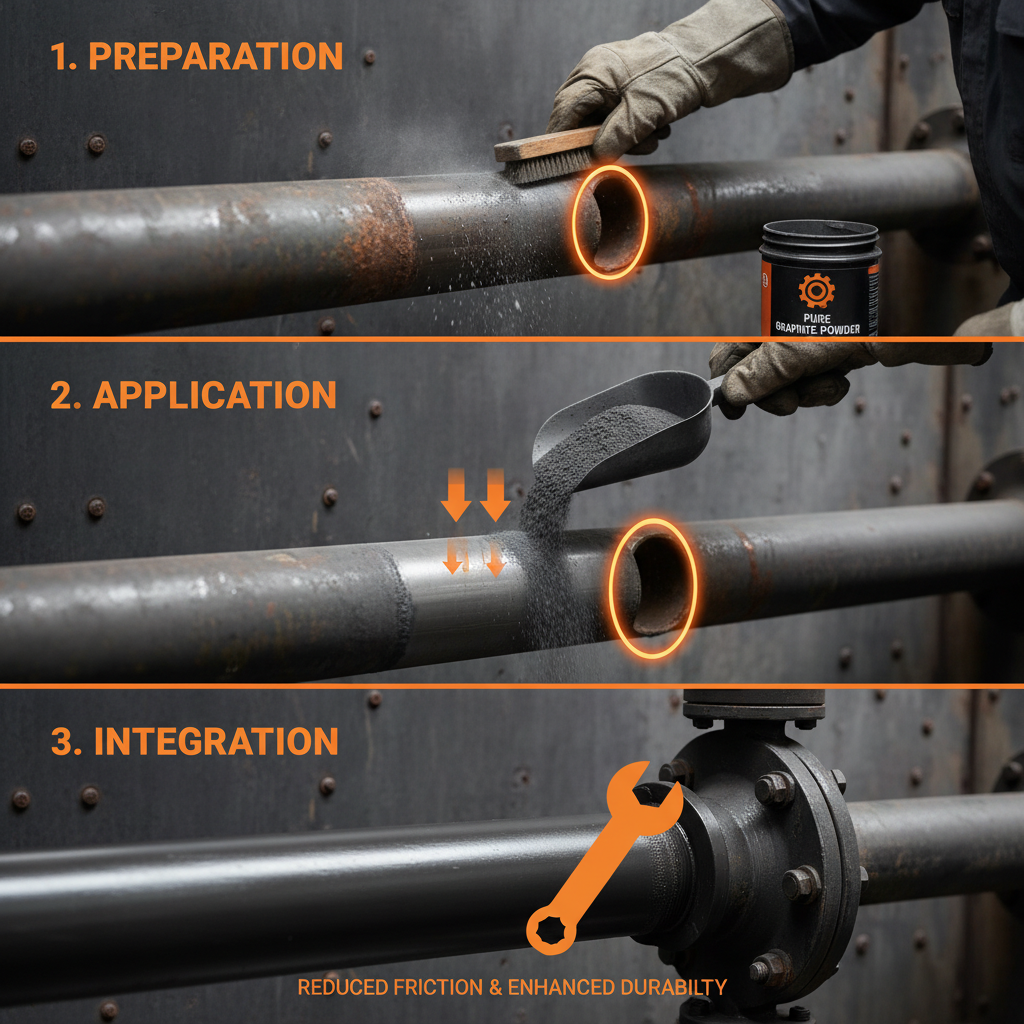
The applications of pure graphite powder are incredibly diverse. In the metallurgical industry, it's used in refractories for furnace linings, providing resistance to extreme temperatures. The battery sector relies on graphite as a crucial component in anodes, enhancing conductivity and cycle life. Lubricants benefit from graphite’s low friction coefficient, reducing wear and tear. Conductive paints and plastics utilize graphite for creating electrically conductive pathways. Beyond these, it finds use in brake linings, carbon brushes for electric motors, and even as a moderator in nuclear reactors. NL Graphite provides tailored graphite solutions for each of these varied applications.
Diverse Application Benefits:
• Improves thermal stability in refractories
• Enhances battery performance and lifespan
• Reduces friction and wear in lubricants
• Enables electrical conductivity in paints and plastics
Pure Graphite Powder: Grades and Specifications
NL Graphite offers a comprehensive range of pure graphite powder grades, each tailored to specific application requirements. The variations lie in particle size distribution, purity level, and surface treatment. Fine graphite powders are ideal for lubricants and conductive coatings, while coarser grades suit refractory applications. High-purity graphite is essential for battery materials and electronics. Here's a comparison of common grades:
Comparing Graphite Powder to Alternative Materials
When considering materials for lubrication, conductivity, or high-temperature resistance, several alternatives to graphite powder exist. However, graphite often offers a superior combination of properties and cost-effectiveness. Compared to molybdenum disulfide (MoS2), graphite is generally more affordable. While boron nitride offers excellent high-temperature stability, it typically comes at a higher price point. Compared to metals, graphite is significantly lighter and exhibits better corrosion resistance. NL Graphite can assist in selecting the optimal graphite grade based on a thorough assessment of your application's specific needs.
Choosing the Right Graphite Powder Supplier
Selecting a reliable supplier is paramount when sourcing pure graphite powder. Factors to consider include product purity, consistent particle size distribution, reliable supply chain, and responsive customer support. NL Graphite is a leading provider with a proven track record of delivering high-quality graphite products and exceptional service. We offer custom packaging, tailored particle size distributions, and comprehensive technical support to ensure our clients receive the perfect solution for their unique application.
Conclusion: Optimizing Performance with Quality Graphite Powder
Investing in high-quality pure graphite powder from a reputable supplier like NL Graphite is a critical step towards optimizing performance and ensuring the longevity of your products and processes. Don't compromise on quality – choose the expertise and reliability of a trusted partner.
Frequently Asked Questions (FAQs)
What factors affect the cost of graphite powder?
The cost of graphite powder is influenced by several factors, including purity level, particle size, production method, and quantity ordered. Higher purity grades and smaller particle sizes typically command a premium price due to the more complex manufacturing processes involved. Bulk orders generally qualify for discounted pricing. The origin of the graphite can also affect the price, with certain regions known for higher-quality deposits. NL Graphite offers competitive pricing and transparent quotes, ensuring you receive the best value for your investment.
Can graphite powder be used in corrosive environments?
Yes, graphite powder exhibits excellent chemical inertness and is highly resistant to most corrosive environments. It does not react with most acids, alkalis, or solvents, making it ideal for use in harsh chemical applications. However, it's worth noting that graphite can oxidize at elevated temperatures in the presence of strong oxidizing agents. NL Graphite can provide guidance on selecting the appropriate graphite grade for specific corrosive environments.
What safety precautions should be taken when handling graphite powder?
While graphite powder is generally considered non-toxic, it's important to take certain safety precautions when handling it. Avoid inhaling graphite dust, as it can cause respiratory irritation. Wear a dust mask or respirator in environments with high dust concentrations. Also, avoid contact with skin and eyes, and use gloves and safety glasses. Graphite dust is flammable, so keep it away from ignition sources. Refer to the Material Safety Data Sheet (MSDS) for detailed safety information.
How is graphite powder typically packaged and shipped?
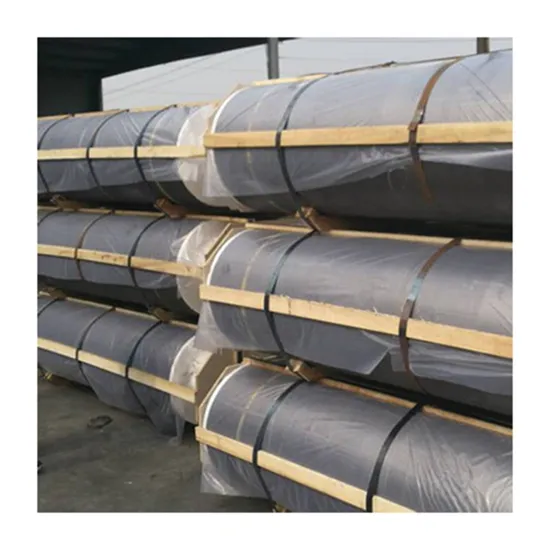
NL Graphite typically packages graphite powder in multi-layer bags, often with an inner polyethylene liner for moisture protection. The bags are then packed into drums or pallets for shipment. Custom packaging options are available to meet specific customer requirements. We ensure secure and compliant packaging to prevent contamination and damage during transit.
 Pervious
 Next
Next