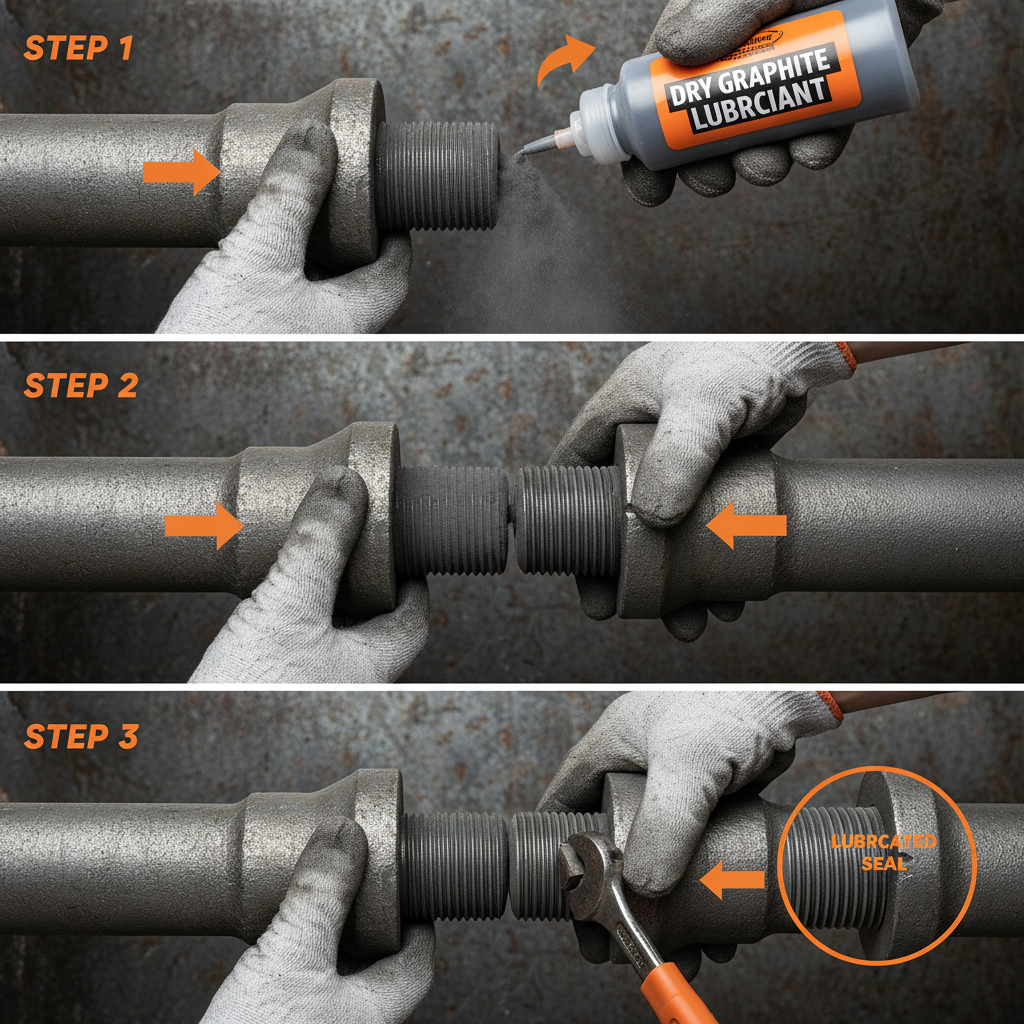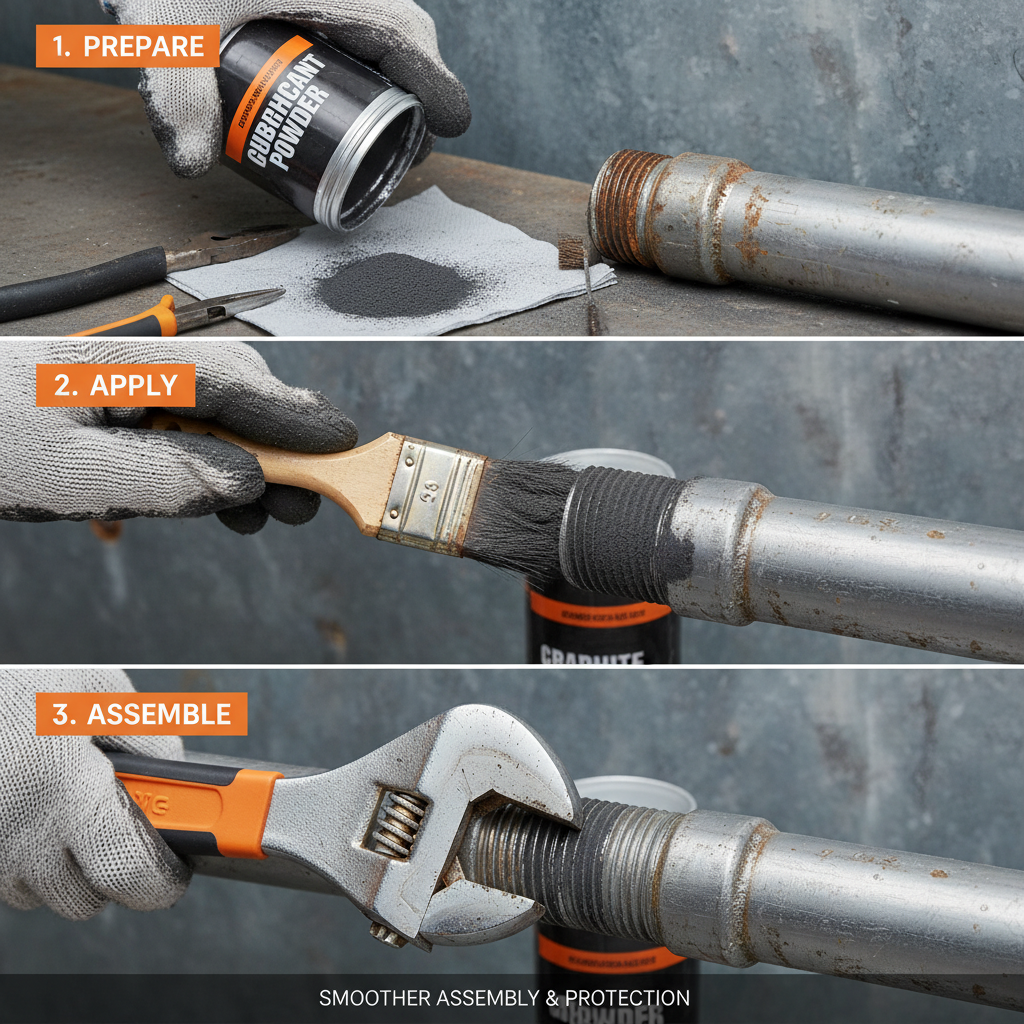


- Englist



Industrial Properties and Uses of Graphite Carbon Powder Guide

The Ultimate Guide to Graphite Carbon Powder: Properties and Industrial Uses
In the world of advanced materials, graphite carbon powder serves as a cornerstone for numerous industrial applications. Known for its exceptional electrical conductivity, thermal stability, and self-lubricating properties, this versatile material is essential for everything from battery production to high-performance lubricants. Understanding the nuances of different grades and purity levels is key to optimizing product performance in demanding environments. In this comprehensive guide, we will explore the technical characteristics, diverse applications, and selection criteria for high-quality carbon powders to help you make an informed procurement decision.
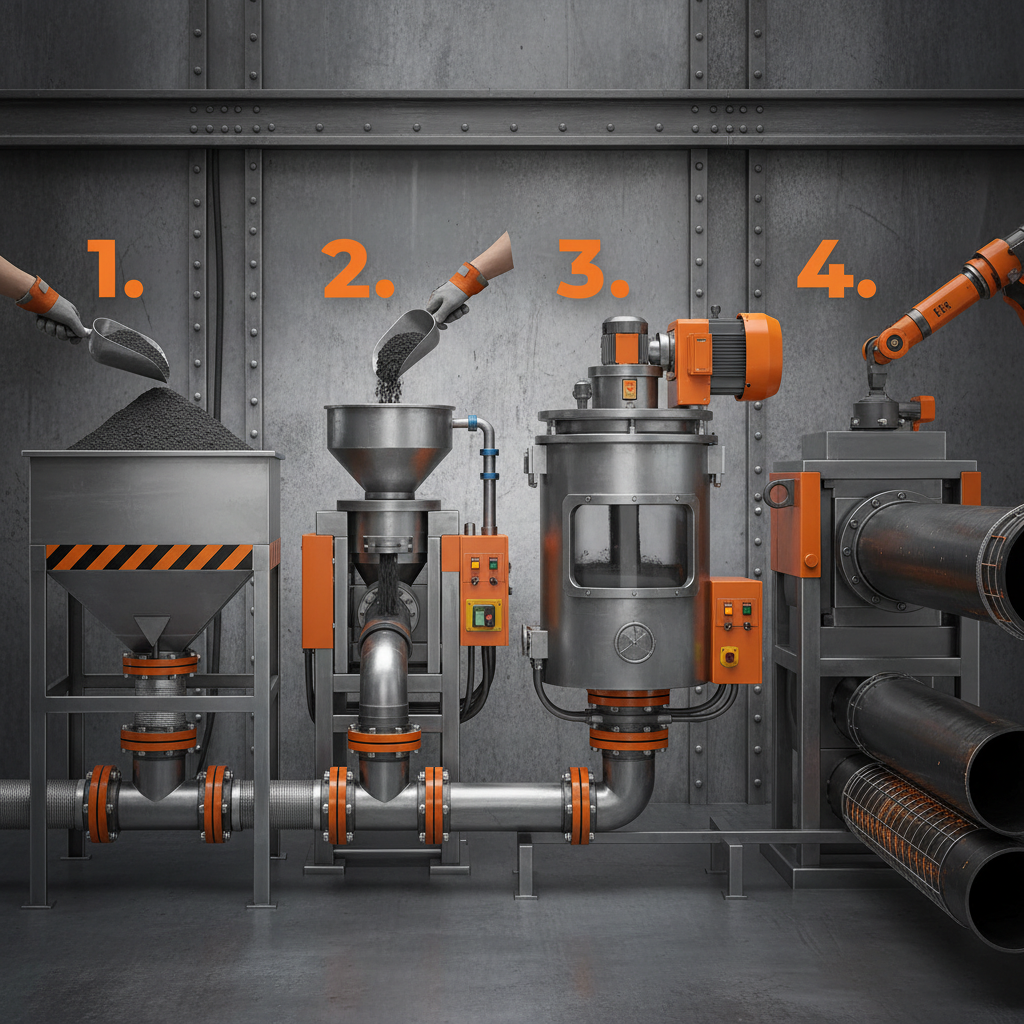
Understanding the Composition of Graphite Carbon Powder
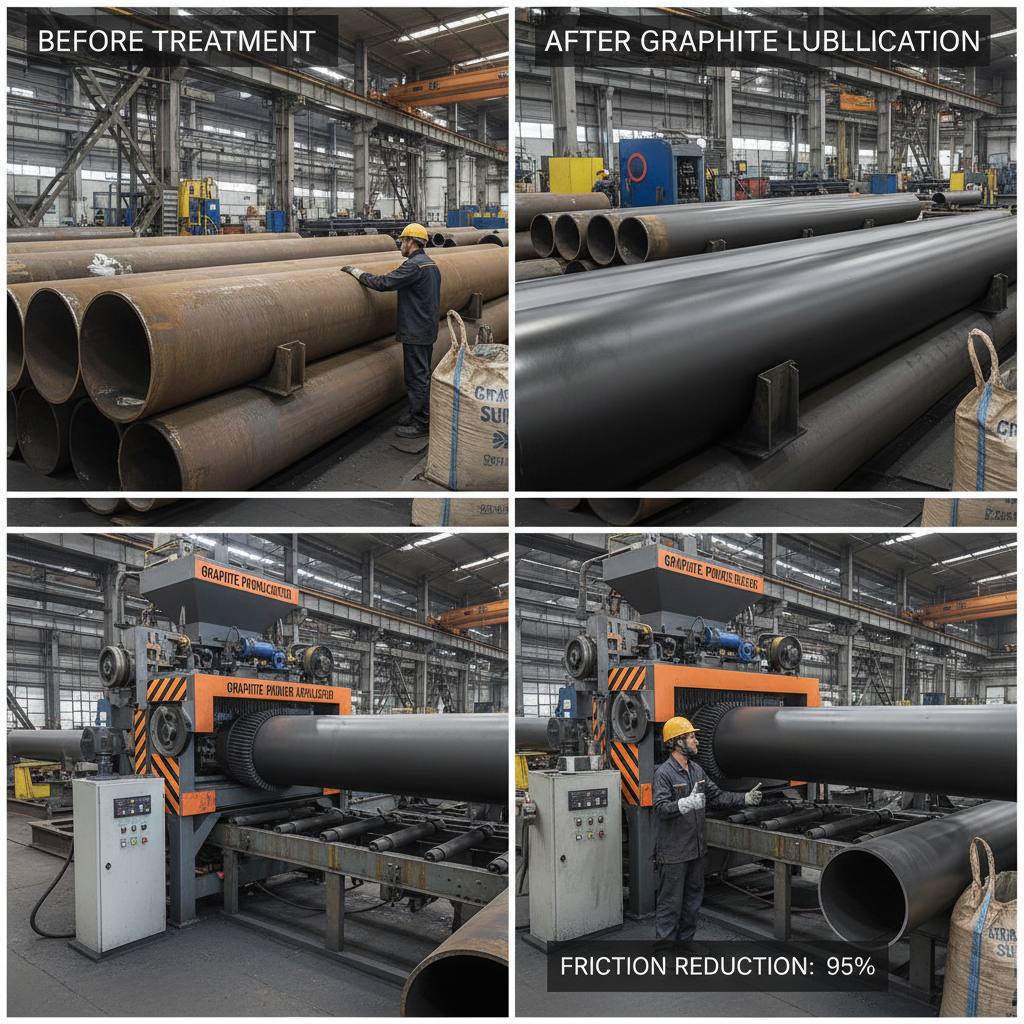
At its core, graphite carbon powder is composed of layers of carbon atoms arranged in a hexagonal lattice. This unique structure allows the layers to slide over one another easily, which is why graphite is widely recognized as a superior dry lubricant. Depending on the manufacturing process—whether natural mining or synthetic production—the powder can vary in purity, particle size, and crystallinity. High-purity grades are typically required for electronic components, while industrial grades are more common in metallurgy and casting.
Technical Insight: The crystallinity of the carbon powder directly influences its electrical conductivity. The higher the degree of graphitization, the more efficient the electron flow through the material.
Key Industrial Applications of Graphite Carbon Powder
The versatility of graphite carbon powder allows it to be utilized across a spectrum of industries. In the energy sector, it is a critical component in the anodes of lithium-ion batteries, facilitating efficient ion transport. In metallurgy, it is used as a carbon raiser to increase the carbon content in steel and iron. Additionally, the automotive industry utilizes it for brake pads and high-temperature seals due to its ability to withstand extreme heat without degrading. Its chemical inertness also makes it an ideal additive for polymers and plastics to improve thermal conductivity.
Comparing Natural vs. Synthetic Graphite Carbon Powder
When sourcing graphite carbon powder, engineers must choose between natural and synthetic varieties. Natural graphite is cost-effective and available in flake or amorphous forms, making it ideal for general lubricants and casting. Synthetic graphite, produced through the graphitization of petroleum coke, offers much higher purity and a more consistent particle structure, which is indispensable for semiconductor manufacturing and high-end battery technology. The choice depends entirely on the required balance between cost and technical performance.
Technical Specifications of Premium Graphite Carbon Powder
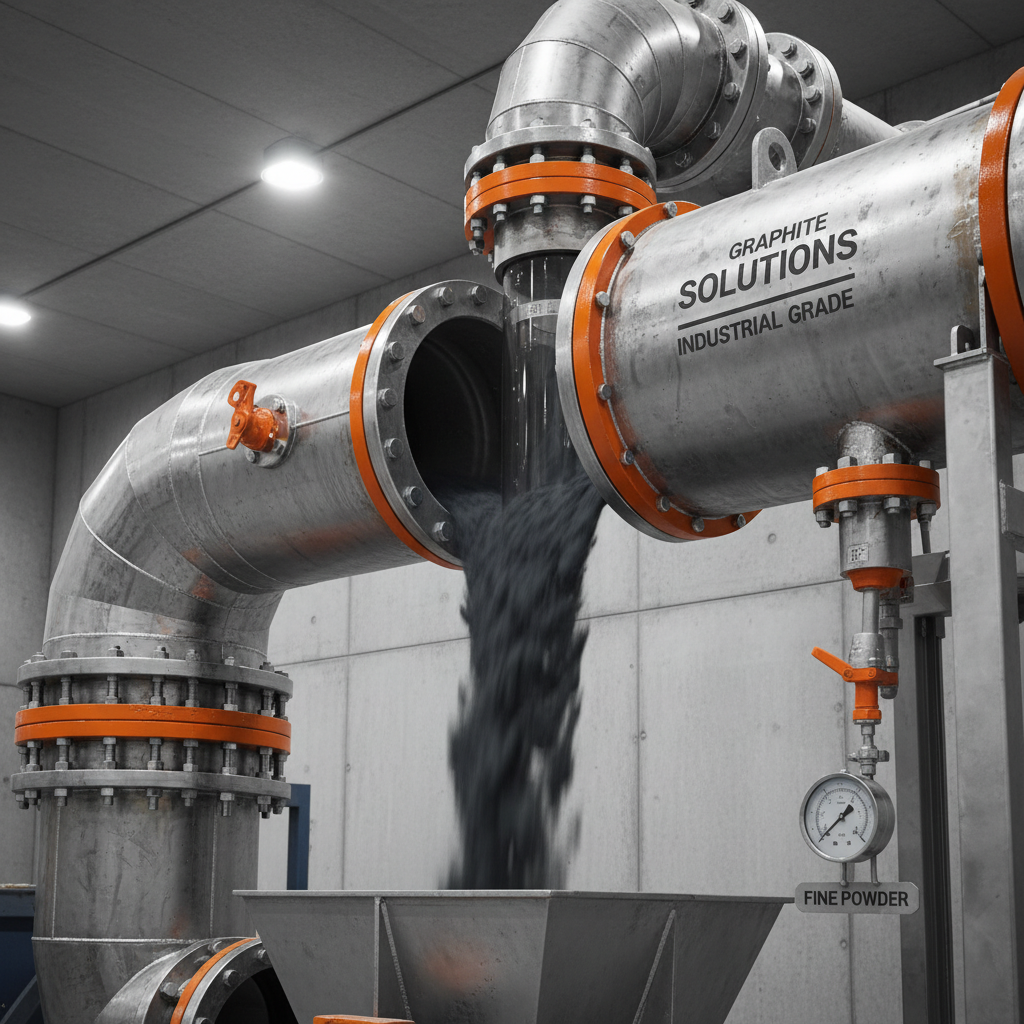
To ensure the highest quality in manufacturing, it is essential to analyze the specifications of the graphite carbon powder being used. Key metrics include Average Particle Size, which determines the surface area and reactivity, and Carbon Content, which affects the overall strength and conductivity of the final product. Moisture content must also be kept to a minimum to prevent clumps and ensure a smooth mix in powder metallurgy applications.
Best Practices for Storage and Handling of Carbon Powder
Handling graphite carbon powder requires specific safety and environmental precautions. Because it is a fine powder, it can become airborne, necessitating the use of dust collection systems and proper PPE, such as respirators and goggles. Storage should be in a cool, dry environment to prevent moisture absorption, which can lead to clumping and affect the purity of the material. Furthermore, since graphite is conductive, it should be kept away from open electrical contacts to avoid short circuits in industrial facilities.
Handling Checklist:
• Use anti-static containers to prevent spark ignition
• Store in moisture-proof sealed bags or drums
• Implement localized exhaust ventilation (LEV) during mixing
• Avoid contact with strong oxidizing agents
Future Trends in Carbon Powder Technology
The evolution of graphite carbon powder is moving toward nano-scale engineering. Graphene-enhanced carbon powders are being developed to provide even higher conductivity and strength with less material. This shift is particularly evident in the development of "next-gen" batteries that promise faster charging times and higher energy densities. Additionally, the move toward sustainable sourcing is driving the industry to find more eco-friendly ways to produce synthetic graphite, reducing the carbon footprint of the production process while maintaining high purity standards.
Conclusion: Selecting the Right Grade for Your Business
Choosing the ideal graphite carbon powder is a balance of technical requirements and economic feasibility. Whether you need the high purity of synthetic graphite for electronics or the cost-effectiveness of natural graphite for industrial lubrication, quality assurance is paramount. By focusing on purity, particle size, and consistent supply, businesses can enhance their product durability and operational efficiency. Invest in high-grade carbon materials to ensure your industrial applications remain competitive and reliable.
Frequently Asked Questions (FAQs)
What is the main difference between carbon powder and graphite powder?
While often used interchangeably, "carbon powder" is a general term that can include amorphous carbon, charcoal, or activated carbon. "Graphite powder" specifically refers to carbon that has a crystalline, layered structure. This structural difference is why graphite provides lubrication and high electrical conductivity, whereas other carbon powders might be used primarily for filtration or pigmentation. For most industrial electrical and lubrication needs, a specific graphite carbon powder is required to ensure the desired performance.
How does particle size affect the performance of graphite powder?
Particle size significantly impacts the surface area and the way the powder interacts with other materials. Ultra-fine powders (micronized) provide better dispersion in polymers and coatings, resulting in more uniform conductivity and a smoother finish. Coarser powders are often preferred in metallurgy as carbon raisers because they are easier to handle and can provide a controlled release of carbon during the smelting process. Selecting the correct mesh size is critical for achieving the desired viscosity and conductivity in your final product.
Can graphite carbon powder be used in all types of lubrication?
Graphite is an excellent dry lubricant, especially in environments where oil-based lubricants would evaporate, freeze, or attract abrasive dust. It performs exceptionally well under high loads and high temperatures. However, graphite's lubricating properties actually improve in the presence of moisture or air, which makes it different from Molybdenum Disulfide (MoS2), which works better in a vacuum. Depending on your operating environment—whether it's a vacuum or a humid industrial floor—you should choose the graphite grade that best matches your conditions.
How do I verify the purity of the graphite powder I receive?
The most reliable way to verify purity is through a Certificate of Analysis (CoA) provided by the manufacturer. Common testing methods include Ash Content Analysis (to determine inorganic impurities) and X-Ray Diffraction (XRD) to verify the crystalline structure. For high-precision applications, Inductively Coupled Plasma (ICP) spectroscopy is used to detect trace metals. We recommend partnering with a supplier like NL Graphite who provides transparent technical data and consistent quality control across all batches.
 Pervious
 Next
Next