

- Englist



Acetate Tow Uses

Acetate tow is a versatile cellulose-based fiber bundle widely used in filtration, industrial processing, and specialty consumer products. Known for its uniform structure, excellent filtration efficiency, and customizable properties, acetate tow plays a critical role in multiple industries worldwide.
In this guide, we explore acetate tow uses, its core properties, major application sectors, and why it remains the preferred material for high-performance filtration and specialty manufacturing. This article is written in a clean, mobile-friendly structure for responsive reading on phones, tablets, and desktops.
What Is Acetate Tow? Understanding the Material Behind Modern Filtration
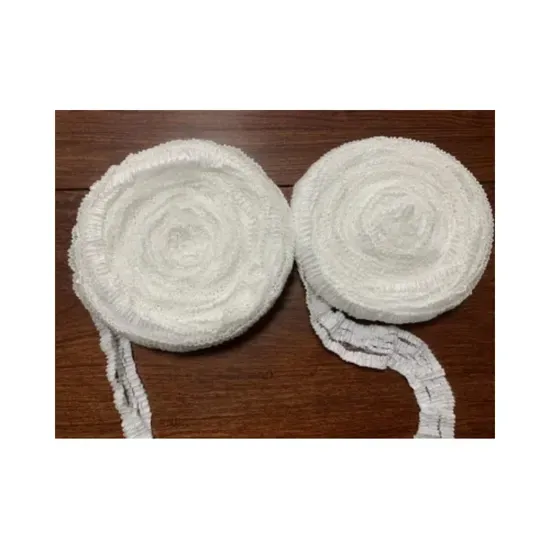
Acetate tow is a continuous filament bundle made from cellulose acetate, a semi-synthetic polymer derived from natural wood pulp. The material is processed into thousands of fine filaments that are gathered together to form a tow — a soft, rope-like strand.
The structure of acetate tow allows:
-
High surface area
-
Excellent absorption capacity
-
Consistent airflow control
-
Uniform fiber distribution
These properties make it ideal for filtration and absorption-based applications. Because cellulose acetate is thermoplastic, manufacturers can modify denier, filament count, and plasticizer levels to tailor performance to specific uses.
Primary Acetate Tow Uses in Cigarette Filters
One of the most well-known acetate tow uses is in cigarette filter production. Acetate tow is the dominant material used globally for cigarette filter rods due to its balance of filtration efficiency and airflow control.
Why acetate tow is preferred for cigarette filters:
-
Consistent pressure drop performance
-
Effective particulate filtration
-
Stable fiber bonding after plasticization
-
Cost-effective mass production
The crimped fiber structure creates microscopic pathways that trap tar and other particles while allowing controlled airflow. Manufacturers can adjust parameters such as tow denier and total denier to achieve specific filtration levels.
Although cigarette filters represent the largest segment of acetate tow consumption, the material’s applications extend far beyond tobacco products.
Industrial Filtration: Expanding Acetate Tow Uses Beyond Tobacco
Industrial filtration is another growing area where acetate tow demonstrates strong performance. Its customizable fiber structure makes it suitable for air and liquid filtration systems.
Common industrial applications include:
Air purification filters
Solvent filtration systems
Laboratory filtration media
Controlled-release systems
Acetate tow’s high porosity and chemical resistance allow it to function effectively in environments requiring stable airflow and moderate chemical exposure. Compared with some synthetic alternatives, cellulose acetate offers better biodegradability, making it attractive in sustainability-driven markets.
As industries push for environmentally conscious materials, acetate tow continues gaining attention for filtration systems that balance performance and environmental responsibility.
Specialty Applications of Acetate Tow in Consumer and Technical Products
Beyond filtration, acetate tow is used in several specialty applications due to its softness, absorbency, and processability.
Examples of specialty acetate tow uses:
Cosmetic and personal care absorbent cores
Ink reservoirs in marker pens
Fragrance delivery systems
Controlled absorption materials
The fiber bundle can retain liquids evenly and release them gradually, which is why it is effective in ink and fragrance systems. Its smooth texture and uniform structure also make it suitable for products requiring gentle contact surfaces.
These specialty uses demonstrate how acetate tow adapts to various industries by adjusting fiber density, crimp level, and plasticizer formulation.
Advantages of Acetate Tow Compared to Other Fiber Materials
When selecting filtration or absorbent materials, manufacturers compare acetate tow with polypropylene, polyester, and other synthetic fibers. Several advantages set acetate tow apart:
1. Biodegradability Potential
Cellulose acetate originates from natural wood pulp, offering better environmental compatibility compared to fully synthetic polymers.
2. Customizable Structure
Tow can be engineered in various deniers and filament counts, allowing precise airflow and absorption control.
3. Excellent Processability
It responds well to plasticizers and bonding agents, making it easy to form into rods, plugs, or shaped components.
4. Stable Thermal Behavior
Acetate tow maintains structural stability under moderate heat conditions common in filtration systems.
5. Soft and Uniform Texture
Its consistent filament alignment ensures reliable performance in high-volume automated production lines.
These benefits explain why acetate tow remains the industry standard in many filtration applications.
How to Choose the Right Acetate Tow for Your Application
Selecting the correct acetate tow depends on performance requirements, production processes, and regulatory standards. Key factors to consider include:
Denier Per Filament (DPF)
Lower DPF provides finer fibers and higher surface area, improving filtration efficiency.
Total Denier
Determines overall thickness and density of the tow bundle.
Crimp Level
Affects bulkiness and airflow resistance.
Plasticizer Content
Impacts flexibility and bonding performance.
Application Environment
Consider temperature exposure, airflow requirements, and chemical contact conditions.
Working with a reputable acetate tow supplier ensures consistent fiber quality, traceability, and compliance with industry standards. Manufacturers should request technical data sheets and conduct pilot testing before full-scale production.
Sustainability and the Future of Acetate Tow Uses
Sustainability has become a major focus across industries, and acetate tow manufacturers are investing in improved formulations and biodegradable enhancements.
Innovations include:
-
Low-plasticizer formulations
-
Biodegradable filter development
-
Sustainable wood pulp sourcing
-
Improved waste management solutions
As environmental regulations evolve, acetate tow production continues adapting to meet global compliance standards while maintaining high filtration efficiency.
Future growth is expected not only in traditional cigarette filters but also in advanced filtration systems, specialty absorbent technologies, and eco-friendly product development.
Conclusion: Why Acetate Tow Remains a High-Performance Material
Acetate tow uses span from cigarette filters to industrial filtration and specialty absorbent products. Its unique combination of customizable structure, filtration efficiency, softness, and environmental advantages makes it a reliable choice for manufacturers worldwide.
Whether you are sourcing acetate tow for large-scale filter production or specialized technical applications, understanding fiber specifications and performance characteristics is essential for achieving optimal results.
As industries move toward higher performance and sustainability standards, acetate tow continues to evolve — maintaining its position as a critical material in modern filtration and absorbent technologies.
 Pervious
 Next
Next