

- Englist



Buy High-Quality Graphite Powder for Sale | Industrial & Battery Grades

The Growing Demand for Graphite Powder: What You Need to Know
Graphite powder might sound like something you’d find scribbled in an artist’s studio, but it’s actually a powerhouse material with global significance. Why? Because it plays a critical role across industries as varied as energy storage, lubricants, and high-tech manufacturing. Understanding graphite powder for sale is not just for material scientists — it’s information that can help businesses innovate, engineers design smarter products, and even environmentalists promote sustainable solutions.
From smartphone batteries to steelmaking, the importance of graphite powder is soaring. Its ability to conduct electricity, resist heat, and lubricate harsh machinery has made it an indispensable commodity. Curious why the markets are buzzing about it? Let’s dive deeper — after all, the world isn’t going to harness all this graphite magic without a little know-how.
The Global Relevance of Graphite Powder
Graphite powder's global footprint is, frankly, enormous. According to Statista, global graphite production was steady at roughly 1.1 million metric tons in recent years, with China leading the pack. But demand is outstripping supply, primarily fueled by trends like electric vehicles (EVs), renewable energy tech, and electronics.
The International Energy Agency notes that batteries for EVs and grid storage could require nearly doubling graphite supply by 2030. This is a challenge, as graphite mining and refining involve environmental concerns that various industries and regulators are scrambling to address.
Simply put, the problem is balancing surging demand with responsible sourcing while keeping prices in check. Whether developing countries need raw materials or high-tech industries want scalable, sustainable supplies, graphite powder for sale is at the heart of it.
Breaking Down Graphite Powder: What Is It?
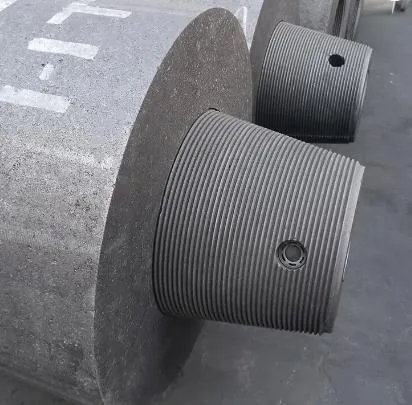
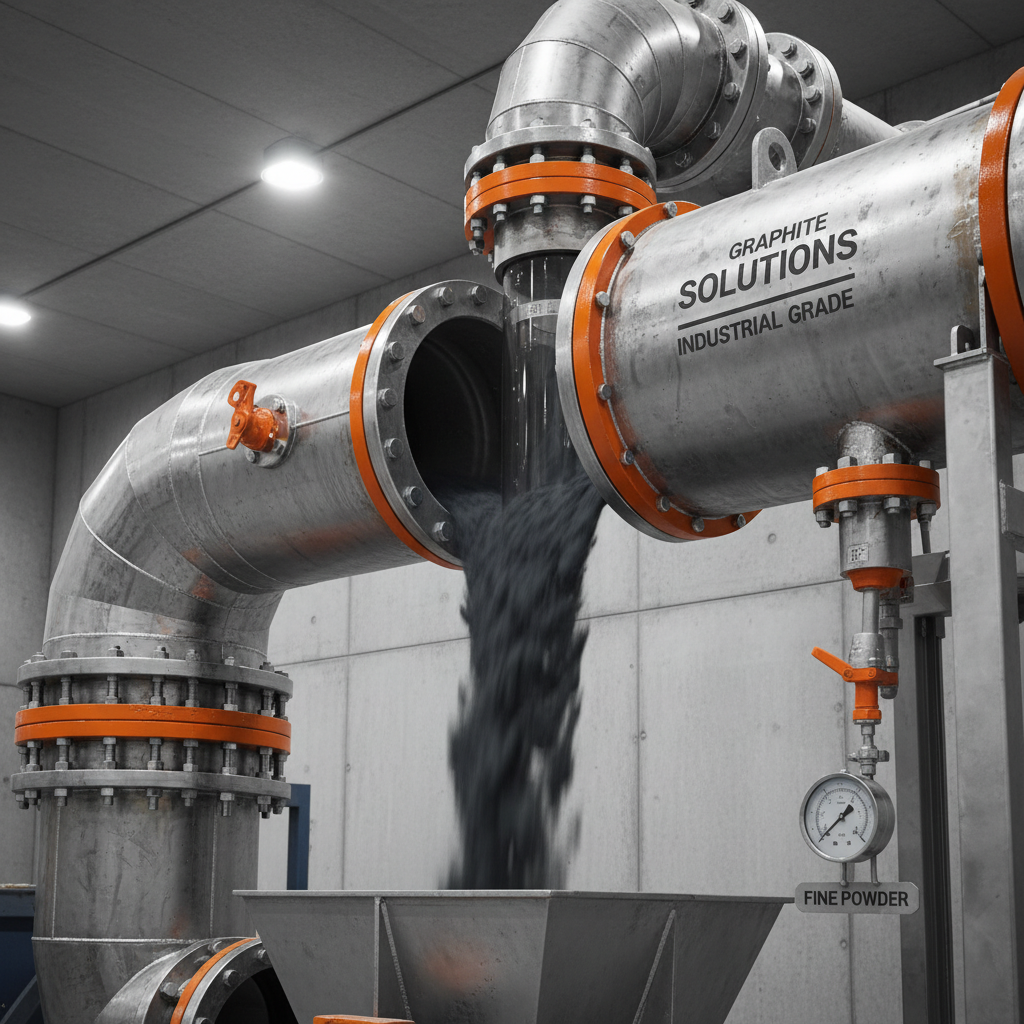
Imagine graphite as a naturally occurring form of carbon. It's that soft, shiny stuff in pencils but in powder form, it’s far more versatile. Graphite powder for sale refers to finely ground graphite used as a material ingredient across manufacturing chains.
- It’s prized for its excellent electrical conductivity.
- It withstands very high temperatures without losing structure.
- It’s chemically stable and has natural lubricating properties.
These qualities connect directly to humanitarian efforts, too. For example, in building energy-efficient shelters or powering off-grid devices, graphite powder's attributes are handy. Oddly enough, it’s both a “common” mineral and a future-facing one.
Key Factors to Understand About Graphite Powder
1. Purity
The grade and purity affect conductivity and durability. Higher purity graphite powder is crucial in lithium-ion batteries, while industrial uses like brake linings may tolerate more impurities.
2. Particle Size
Fine powder means better dispersion in composites, paints, or lubricants. Rougher particles might be fine for graphite electrodes or refractory bricks with no tight tolerance.
3. Cost Efficiency
Though prices fluctuate with market demand, sourcing the right grade at a competitive cost is key. Adding synthetic graphite sometimes optimizes price-performance ratios.
4. Environmental Impact
Mining graphite can disrupt ecosystems. Many companies now focus on sustainably sourced graphite powder, reflecting industry-wide pushes for greener materials.
5. Scalability
Mass production capabilities matter for large-scale industrial uses, especially for emerging battery markets in places like Asia and Europe.
Real-World Uses of Graphite Powder
Graphite powder appears quietly in essential sectors. Here’s a quick tour:
- Battery Manufacturing: Anode material in lithium-ion batteries, especially critical in EVs.
- Steel Production: Acts as a refractory material and lubricant to improve furnace lifespan.
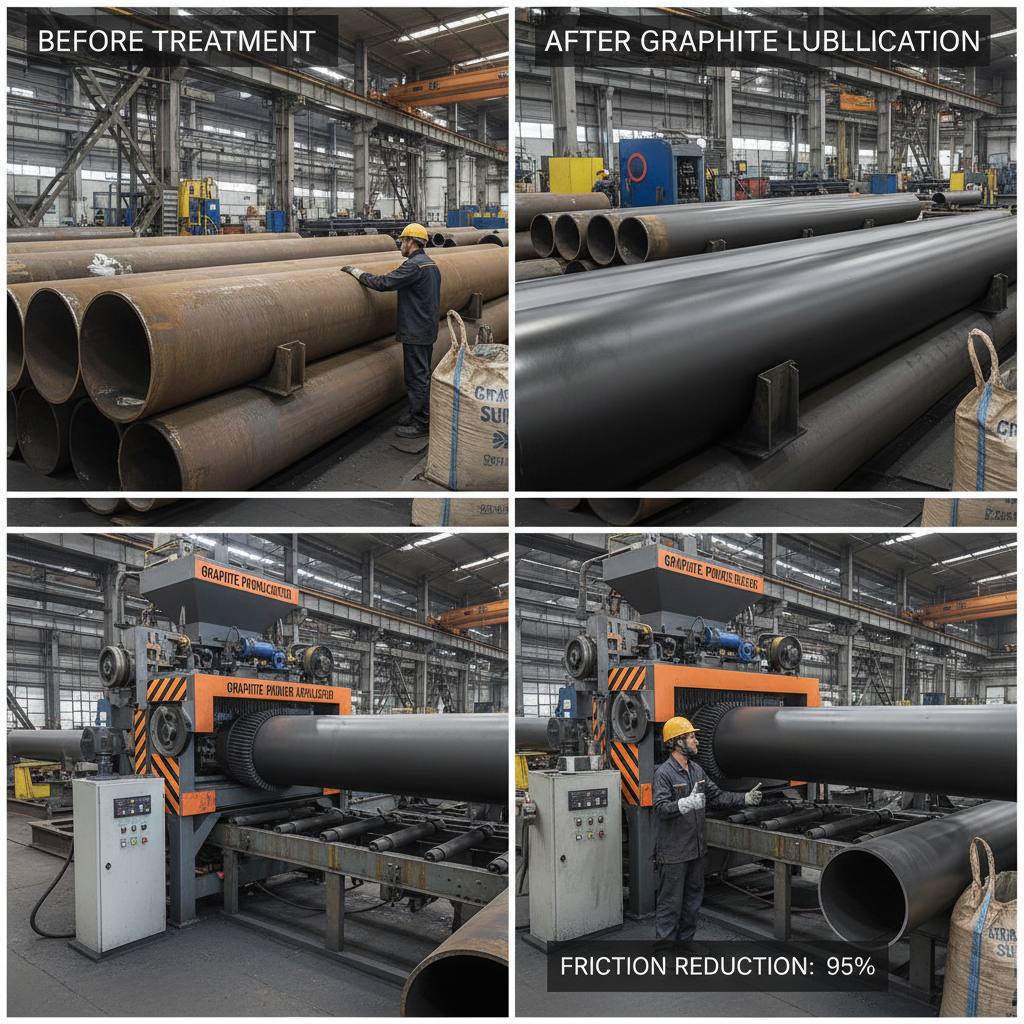
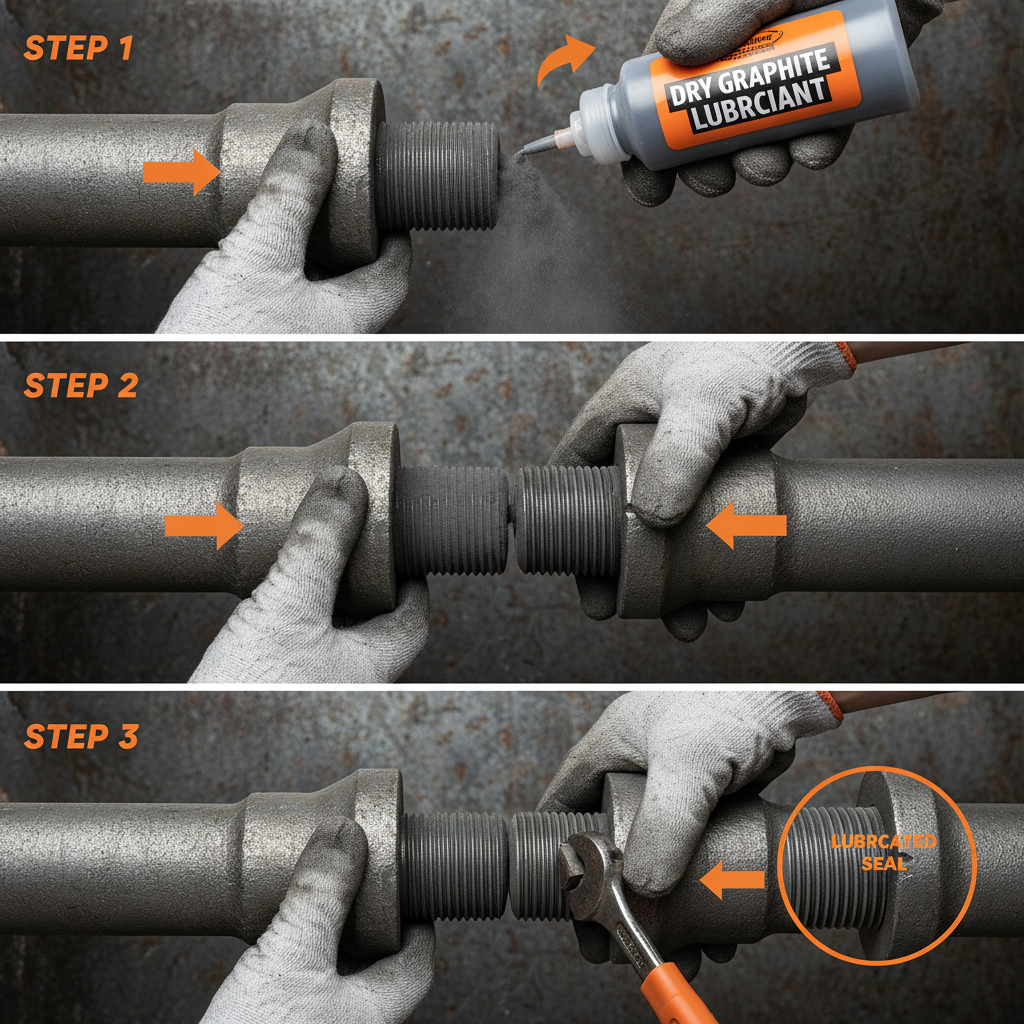
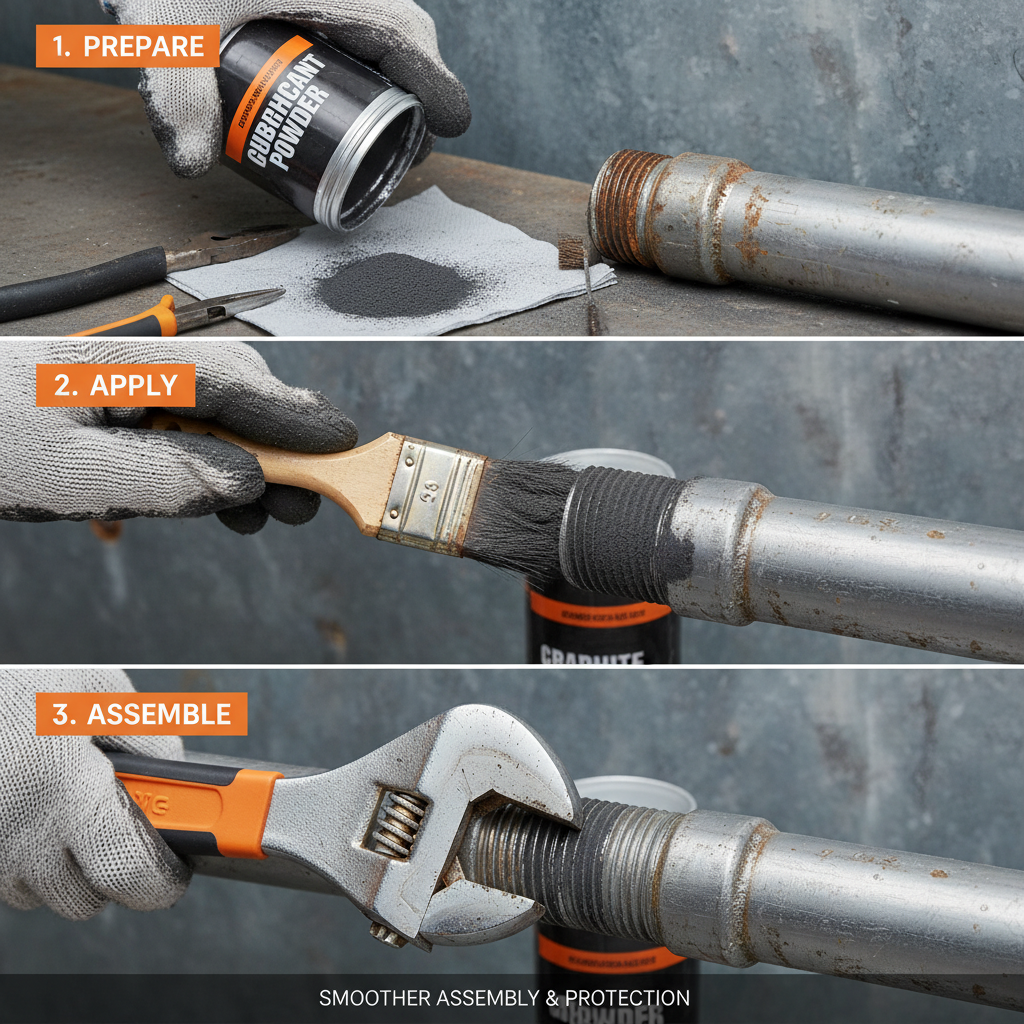
- Lubricants: Keeps heavy equipment running smoothly in mining and construction zones worldwide.
- Electronics: Used in thermal management components and conductive coatings.
- Post-Disaster Relief: Development of heat-resistant, lightweight shelter materials incorporates graphite powder for durability and safety.
Regions like Southeast Asia, Europe, and North America have ramped up demand mainly due to localization of battery supply chains. Organizations such as the UNIDO (United Nations Industrial Development Organization) promote responsible graphite use in emerging markets, bridging tech and sustainable development.
Why Graphite Powder Is a Long-Term Investment
When you dig into the benefits, it’s clear life depends on reliable materials. Graphite powder’s low cost combined with high performance means industries enjoy both innovation and budget control. Add sustainability factors, and slight premium costs become investments in safer, cleaner futures.
- Cost Savings: Less wear on machinery, longer battery life.
- Safety: Resistance to heat and corrosion means less risk.
- Social Impact: Jobs in mining and processing provide economic uplift in remote areas.
- Innovation: Enables new tech, like flexible electronics or efficient energy storage.
Emotionally, it feels reassuring to know that basic materials exist to support tomorrow’s industries and lifestyles. And if a power grid depends on high-quality graphite, that’s a peace-of-mind factor few think about beforehand.
Future Trends in Graphite Powder
The future is exciting for graphite powders. There's a fast push toward more sustainable extraction and the rise of synthetic graphite — which mimics natural material but with higher purity and better customization.
Clean energy technologies, especially green hydrogen and next-gen batteries, will increase pressure for novel graphite products with enhanced traits. Automation in manufacturing will likewise demand precise and reliable graphite powders tailored for that digital age.
Product Specification Table: Typical Graphite Powder Grades
| Property | Industrial Grade | Battery Grade | Lubricant Grade |
|---|---|---|---|
| Carbon Content (%) | >85 | >99.5 | >90 |
| Particle Size (μm) | 10-50 | 5-10 | 30-100 |
| Moisture (%) | |||
| Bulk Density (g/cm³) | 0.6-0.8 | 1.0-1.3 | 0.5-0.7 |
Comparing Top Vendors of Graphite Powder
| Vendor | Regions Served | Product Range | Sustainability Practices | Typical Clients |
|---|---|---|---|---|
| Graphite Global Inc. | Asia, North America, Europe | Industrial & Battery Grades | ISO14001 certified; eco-friendly mining | Battery manufacturers, steelmakers |
| Pure Carbon Ltd. | Europe, Australia | High purity synthetic graphite | Renewable energy powered plant | Electronics, aerospace sectors |
| EcoGraph Mining Co. | Africa, South America | Natural graphite powder | Community engagement, reforestation projects | Mining, construction |
Challenges and Smart Solutions
Mining graphite often draws criticism for environmental degradation and inconsistent quality. Plus, price volatility can strike at supply chains unexpectedly.
Experts suggest that combining natural graphite with synthetic alternatives, recycling graphite from battery waste, and adopting greener mining technologies could mitigate these issues. Innovations like modular graphite processing plants bring scalability to remote regions, too.
FAQs About Graphite Powder for Sale
Q1: What factors should I consider when buying graphite powder for battery applications?
A1: For battery use, purity (>99.5%), particle size (5-10μm), and moisture below 0.5% are critical. These factors ensure optimal electrical conductivity, longevity, and safety in batteries.
Q2: How does graphite powder compare to synthetic graphite?
A2: Natural graphite is more abundant and cost-effective but less uniform in quality. Synthetic graphite offers higher purity and consistency, making it ideal for high-performance applications but at a higher price point.
Q3: Can graphite powder sourcing affect my company's sustainability goals?
A3: Absolutely. Choosing suppliers with environmental certifications (e.g., ISO14001) and responsible mining practices supports your company’s green policies and reduces ecological footprints.
Q4: Is graphite powder reusable or recyclable?
A4: Yes, recycled graphite from spent batteries or industrial waste is gaining traction. Recycling helps reduce raw material demand and cuts down environmental impact.
Q5: How do I import graphite powder internationally?
A5: Importing requires compliance with local regulations, safety standards, and clear documentation. Partnering with experienced vendors who handle logistics simplifies the process considerably.
Wrapping Up: Why Graphite Powder Matters
To sum it up — graphite powder for sale represents a fascinating mix of raw nature and cutting-edge technology. Whether it’s scaling the next generation of electric cars or building safer industrial systems, its impact is quietly profound.
If you’re in an industry where material specs make or break your product, I’d strongly encourage exploring the variety of graphite powders available. And to find reliable suppliers, visit graphite powder for sale — they're a solid starting point to meet today’s evolving demands.
After all, materials like graphite might be behind-the-scenes players, but their role is anything but small.
References
 Pervious
 Next
Next