

- Englist


OEM Graphite Rods – Durable, Customizable Solutions for Modern Industry

What Are OEM Graphite Rods and Why Should You Care?
OEM graphite rods might sound niche, but they hold a surprisingly broad importance globally. Think of them as the unsung heroes behind efficient industrial processes – from electric arc furnaces to nuclear reactors and even high-tech batteries. Understanding these rods gives you a window into the backbone of many modern manufacturing and energy solutions, helping industries cut costs, improve durability, and embrace sustainability. In a world where efficiency and innovation often mean everything, knowing about OEM graphite rods is kind of like finding the perfect tool in a toolbox — handy, versatile, and essential.
Introduction: The Global Importance of OEM Graphite Rods
Globally, graphite products, of which OEM graphite rods are a core part, represent a multi-billion-dollar segment tied closely with energy, steel production, and emerging green technologies. According to the International Graphite Association and data from the United Nations Industrial Development Organization (UNIDO), demand for high-quality graphite components has increased steadily by roughly 5% annually over the past decade.
Why? The industrial world faces challenges like energy efficiency, raw material scarcity, and environmental regulation. OEM graphite rods help address these by offering resilient, conductive, and reusable materials suited for harsh environments. In electric arc furnaces alone, sustainable graphite rods can reduce operational costs by almost 20%, according to recent ISO reports.
But the challenges don’t end there. Industries are demanding more tailored, high-performance graphite rods that can endure specific conditions — from ultra-high temperatures to corrosive atmospheres — pushing manufacturers to innovate constantly. So these rods are not just technical components; they’re crucial players in advancing global industrial sustainability.
Mini takeaway: OEM graphite rods power a variety of sectors globally, with innovation driven by efficiency needs and environmental concerns.
OEM Graphite Rods Explained Simply
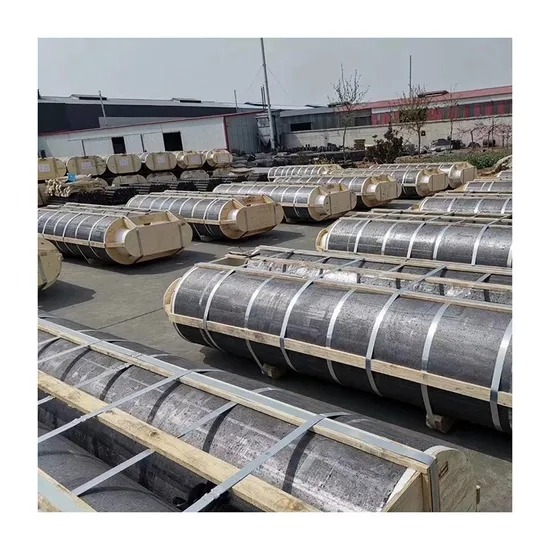
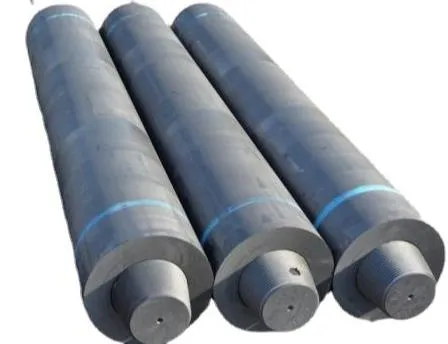
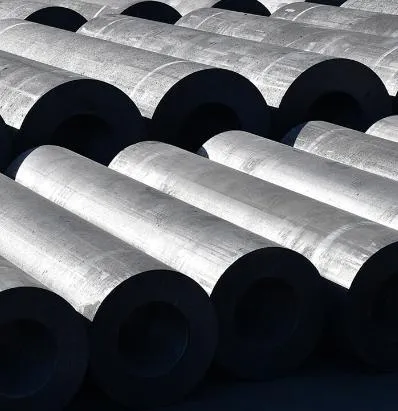
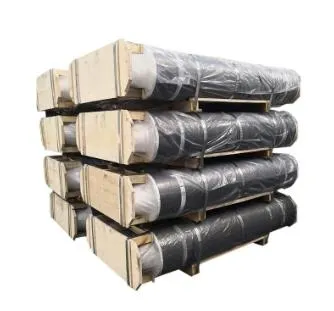
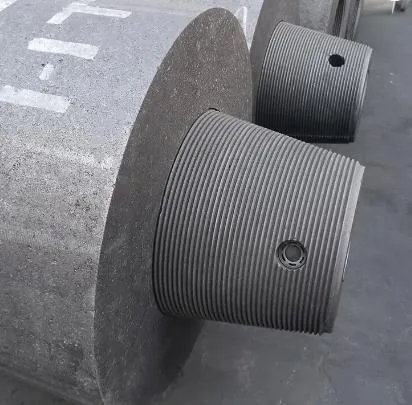
At their core, OEM graphite rods are pre-manufactured carbon rods made from high-purity graphite designed for original equipment manufacturers. Think of OEM graphite rods as custom-built graphite parts tailored for specific machinery — they’re not just generic components but optimized pieces to meet precise industrial requirements.
Their exceptional heat resistance, electrical conductivity, and chemical stability make them indispensable for applications like electrodes in electric arc furnaces, reactor control rods in nuclear plants, and spark plugs in combustion engines. Without them, many manufacturing processes would slow down or become less reliable.
Key Factors Defining OEM Graphite Rods
1. Durability Under Extreme Conditions
OEM graphite rods can withstand temperatures exceeding 3000°C without melting or deforming. This durability is critical for industries such as steelmaking and aerospace, where components face prolonged heat exposure. They also resist chemical attacks better than many metals — I suppose you could call them the “tough nuts” of the material world.
2. Electrical and Thermal Conductivity
They’re excellent conductors of electricity and heat, which is why they’re used in arc furnaces and battery production. Efficient energy transfer means less power loss and improved performance. For OEMs, this translates to better product reliability and longer equipment life.
3. Precision Customization
One of the main selling points is that OEM graphite rods can be custom-shaped and sized for applications from tiny electrical contacts to massive electrodes. It’s not just “one size fits all.” Flexibility here enhances performance and fits industries with very specific needs — like semiconductor manufacturing or aerospace components.
4. Cost Efficiency Over Lifecycle
Though initial costs can be higher than some metals, their longevity and resistance reduce replacement frequency. Many engineers mention “a lower total cost of ownership” when switching to high-quality graphite rods, especially for continuous industrial processes.
5. Environmental Compatibility
OEM graphite rods are generally recyclable and involve less energy consumption during manufacturing compared to some metal alloys. This aligns well with growing corporate sustainability goals and environmental regulations.
Mini takeaway: Durable, conductive, customizable, and increasingly eco-friendly — OEM graphite rods combine critical traits that industries heavily rely on.
Real-World Uses and Industry Impact
You’ll find OEM graphite rods across a spectrum of industries worldwide. For instance:
- Steel and Metal Production: Electric arc furnaces in countries like China, India, and the U.S. use graphite rods as electrodes. Their superior conductivity ensures quick melting and energy savings.
- Nuclear Industry: Control rods crafted from graphite regulate fission reactions safely under extreme conditions.
- Battery Manufacturing: Graphite rods as anodes in lithium-ion batteries are crucial for the expanding electric vehicle market primarily in Europe and North America.
- Electronics and Semiconductors: In Japan and South Korea, ultra-precise graphite rods help in wafer processing, supporting the chip production vital for global tech supply chains.
- Post-Disaster Relief: Interestingly, in some remote industrial zones or post-disaster reconstruction, OEM graphite rods help by powering newly installed electric arc furnaces or field energy generation, contributing to quicker recovery.
Mini takeaway: Whether in heavy industry or high-tech innovation, OEM graphite rods are quietly helping power progress across continents.
Advantages and Long-Term Value of Using OEM Graphite Rods
Choosing OEM graphite rods comes with a bundle of tangible benefits. On the cost side, their durability means fewer shutdowns and replacements — translating to real savings. Emotionally, they contribute to a safer work environment since their heat and chemical resistance lower risks of equipment failure.
On sustainability, manufacturers appreciate how these rods reduce industrial waste — they can be recycled or repurposed more easily than metal alternatives. The combination of all these advantages builds trust with end-users, who know the technology behind the scenes is reliable.
I’ve noticed many industrial managers say switching to OEM graphite rods feels like upgrading from a reliable old truck to a sleek, efficient electric vehicle — you don’t immediately realize how much better until you live with it.
Product Specification Table
| Specification | Value/Range | Notes |
|---|---|---|
| Length | 50mm – 2m | Custom sizes available |
| Diameter | 2mm – 200mm | Precision machining options |
| Purity | >99.5% Carbon | Ensures performance and stability |
| Heat Resistance | Up to 3000°C | Ideal for high-temp industrial use |
| Electrical Conductivity | ~1000 S/m | Supports efficient energy transfer |
| Surface Finish | Machined or Raw | Customization dependent |
Top OEM Graphite Rod Vendors Compared
| Vendor | Product Range | Customization | Typical Lead Time | Price Range |
|---|---|---|---|---|
| GraphiTech Inc. | Standard & custom rods | High | 2–4 weeks | $$ |
| Carbon Solutions Ltd. | Industrial-grade rods | Medium | 3–5 weeks | $ |
| ElectroGraph Corp. | High-purity specialty rods | Very High | 4–6 weeks | $$$ |
Looking Forward: Innovations on the Horizon
The future for OEM graphite rods is arguably bright — if a bit complex. Advances in nanomaterials and graphene coatings are enhancing conductivity and durability beyond what we thought possible just a few years ago. Imagine rods that self-heal microscopic cracks or adjust surface properties in real-time under stress.
There’s also the ongoing push for “green graphite” derived from sustainable sources and with a smaller carbon footprint, aligning with global carbon-neutrality goals. Automation in manufacturing is reducing lead times, and AI models help optimize rod design for industry-specific conditions.
Oddly enough, I’ve heard whispers about 3D printing graphite components becoming mainstream — a game-changer for rapid prototyping and bespoke needs.
Challenges and Practical Solutions
Even with all these benefits, challenges exist. Supply chain volatility affects raw graphite availability, while machining such hard materials requires specialized equipment — pushing costs up. Thermal shock can occasionally cause cracking if the rod isn’t matched properly to application temps.
Experts recommend thorough application analysis before selecting rods and working closely with OEM graphite rods suppliers who offer consultancy services. Innovative surface treatments and composite graphite materials are also promising fixes. The key is balancing cost, quality, and lead time — easier said than done, but increasingly achievable.
FAQ: Common Questions About OEM Graphite Rods
- Q: How do I choose the right diameter and length for my graphite rods?
- A: The ideal dimensions depend heavily on your specific application, temperature, and electrical requirements. Most OEM suppliers provide consultation to tailor rods to your equipment specs. Measuring expected load and heat cycles helps guide the choice.
- Q: What’s the typical lifespan of OEM graphite rods in industrial furnaces?
- A: Lifespan varies with usage intensity and maintenance but typically ranges from 1 to 3 years. Employing high-purity rods and following recommended operating protocols can maximize durability.
- Q: Are OEM graphite rods recyclable, and how does that impact sustainability?
- A: Yes, graphite rods can be recycled and reprocessed, which reduces waste and raw material consumption. This makes them a sustainable option compared to single-use or metal alloys that require more energy for recycling.
- Q: Can small manufacturers afford custom OEM graphite rods?
- A: Although upfront costs may seem high, many vendors offer scalable solutions and volume discounts. Plus, long-term savings through reduced downtime often offset initial expenses. Exploring partnerships with suppliers for advice can open affordable options.
- Q: How can international companies import high-quality OEM graphite rods safely?
- A: Partnering with experienced global suppliers who handle shipping logistics and customs clearance is essential. Certifications like ISO and compliance with international trade regulations ensure safety and reliability in delivery.
Conclusion: The Quiet Backbone of Industry
To sum it all up, OEM graphite rods are more than just technical components — they’re vital enablers of modern industrial and technological advancement. Their combination of durability, conductivity, and eco-friendliness makes them a smart long-term investment for manufacturers. Trends hint at even more exciting developments ahead, but current solutions already offer undeniable benefits.
Ready to explore how oem graphite rods can boost your project or production line? Visit our website for detailed specs, expert advice, and custom solutions tailored for your industry.
References:
1. International Graphite Association – Graphite market insights
2. UNIDO Industrial Data Reports 2023
3. ISO 22777: Graphite and carbon materials for industrial applications
 Pervious
 Next
Next