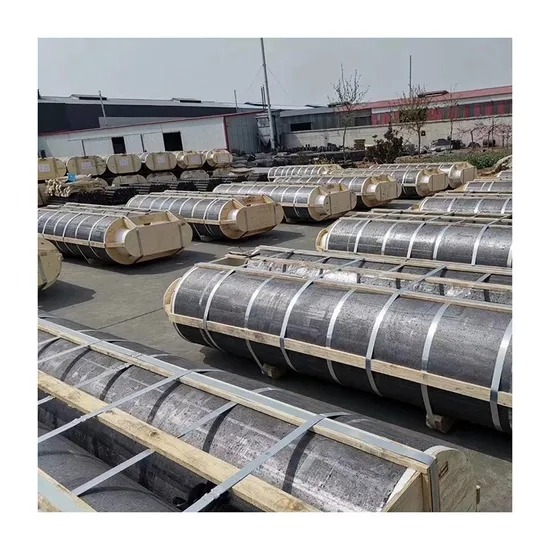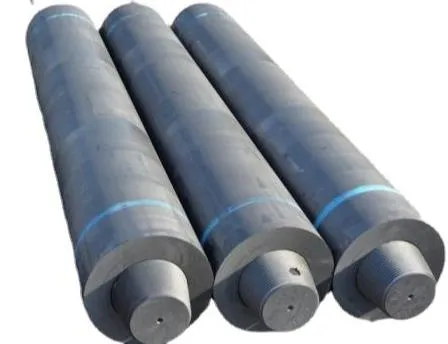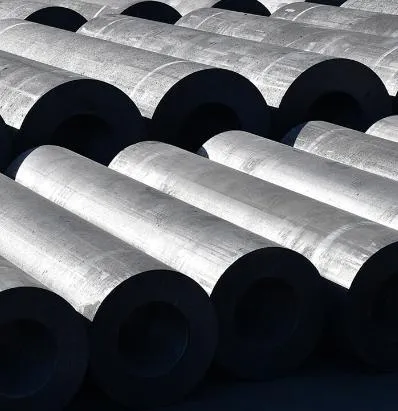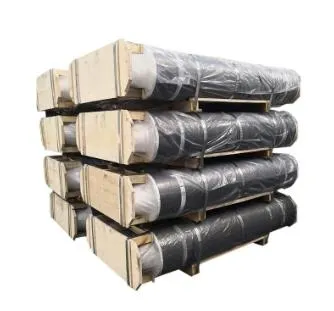


- Englist



Carbon Graphite Plate: Durable, Efficient, and Sustainable Industrial Material

Understanding Carbon Graphite Plates: Why They Matter Worldwide
Carbon graphite plates — they’re these unassuming black workhorses silently powering critical industries globally. But what exactly are they, and why does the world rely on them more than ever? Understanding these plates unravels a fascinating story of resilience, conductivity, and sustainability. Truly, they’re more than just pieces of material; they’re foundational to energy, manufacturing, and even environmental solutions.
On a global scale, with industries pushing for greener, durable, and efficient materials, carbon graphite plates fit right in. Applications from battery electrodes to nuclear reactors are just the tip of the iceberg. Catching onto what makes these plates so valuable sheds light on the future of industrial tech and sustainable innovation.
The Global Significance of Carbon Graphite Plates
Did you know that according to the International Energy Agency, the global demand for advanced graphite materials has been growing at roughly 5% per year? Part of this surge is due to the electrification push, battery manufacturing, and renewable energy needs.
The United Nations’ emphasis on sustainable industrial development (UNIDO) highlights carbon graphite as a key enabler in efficient energy storage and advanced manufacturing. Yet, the challenge remains: how to balance performance, cost, and eco-impact when scaling production?
Carbon graphite plates address many of these issues by offering high thermal stability, electrical conductivity, and chemical resistance while being lightweight — often replacing heavier metals. It’s a classic win-win for engineers trying to maintain durability without adding bulk or cost.
What Exactly Is a Carbon Graphite Plate?
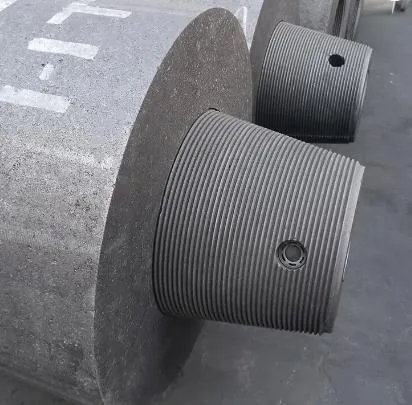
Simply put, a carbon graphite plate is a solid sheet made primarily from carbon fibers and graphite — materials famed for their strength, conductivity, and heat tolerance. Think of it as a high-tech composite ideal for demanding industrial conditions.
Historically, graphite’s unique layered crystal structure made it a natural conductor and lubricant. Mixed with carbon fibers and processed into plates, you get a reliable component for equipment parts, electrodes, heat exchangers, and even aerospace applications.
It’s this combination of physical robustness and chemical inertness that links carbon graphite plates to core industrial needs — from energy production to manufacturing precision parts, even humanitarian tools like portable energy systems.
Key Characteristics That Make Carbon Graphite Plates Stand Out
1. Durability & Thermal Stability
One thing is clear: these plates rarely give up. Their ability to withstand high temperatures (up to 3000°C in inert atmospheres) without warping or cracking makes them reliable for industrial furnaces and reactors.
2. Electrical Conductivity
The layered carbon structure offers excellent electrical conductivity, making carbon graphite plates prime candidates for electrodes in batteries, fuel cells, and electrolysis.
3. Chemical Resistance
Exposure to strong acids or corrosive agents? No problem. Carbon graphite resists chemical attack, which extends equipment life and reduces maintenance costs.
4. Lightweight Nature
Compared to metals like steel or copper, these plates offer high strength-to-weight ratios — crucial in aerospace and portable industrial devices.
5. Cost Efficiency
While initial costs might seem higher, the longevity and reduced energy waste pay off long term. Plus, advances in manufacturing have steadily reduced prices.
Mini takeaway:
Carbon graphite plates combine heat endurance, conductivity, and chemical resilience into a surprisingly light package ideal for tough industrial roles.
Real-World Applications of Carbon Graphite Plates
If you peek behind the machines at a lithium-ion battery plant or a nuclear power station, you’ll likely spot carbon graphite plates serving as electrodes, heat shields, or structural elements.
- Energy Storage and Batteries: In Asia and Europe, battery manufacturers rely heavily on graphite plates for stable electrodes.
- Aerospace Industry: Lightweight, heat-resistant plates are used in engine components and heat exchangers worldwide.
- Chemical Processing Plants: Using these plates in corrosive environments reduces downtime significantly.
- Environmental Solutions: Companies involved in carbon capture and water purification processes increasingly integrate these plates for durability and efficiency.
Oddly enough, humanitarian response units have started equipping off-grid energy kits with carbon graphite plate components. The high conductivity and durability help deliver stable power where the grid doesn’t reach.
Advantages and Long-Term Value of Carbon Graphite Plates
Logically, engineers appreciate the cost vs. lifespan ratio, but emotionally, the trust they build in critical systems is huge. Imagine relying on a battery to power a medical device in remote locations — you want that electrode to withstand harsh conditions over years.
Sustainability-wise, carbon graphite plates are partially recyclable and require less energy to manufacture than many metals, aligning well with ISO 14001 sustainability standards. Reduced waste also means a smaller carbon footprint.
- Lower maintenance and replacement costs
- Increased reliability under extreme conditions
- Contribution to green energy solutions
- Supports social goals by improving safety and dignity in remote installations
Carbon Graphite Plate Specifications at a Glance
| Specification | Typical Range | Units |
|---|---|---|
| Thickness | 1 - 20 | mm |
| Density | 1.6 - 1.9 | g/cm³ |
| Electrical Conductivity | 1000-1800 | S/m |
| Max Operating Temp. (non-oxidizing) | 3000 | °C |
| Flexural Strength | 40 - 90 | MPa |
Comparing Leading Vendors of Carbon Graphite Plates
| Vendor | Material Quality | Customization Options | Lead Time | Sustainability Practices | Typical Pricing |
|---|---|---|---|---|---|
| NL Graphite | High purity, aerospace grade | Bespoke thickness & size | 2-4 weeks | ISO 14001 certified | $$$ |
| GraphTech Solutions | Commercial grade | Standard sizes only | 1-3 weeks | Sustainability effort ongoing | $$ |
| CarbonPlate Co. | Mid-tier quality | Custom cuts available | 3-5 weeks | Limited eco certifications | $ |
Innovations and the Future of Carbon Graphite Plates
The future feels ripe with exciting progress. Research is pushing for nano-structured graphite materials to boost conductivity beyond current limits. There’s also interest in hybrid composites combining carbon graphite with graphene for ultra durability.
Green energy adoption fuels a demand for highly efficient plates in fuel cells and high-capacity batteries. Automation in manufacturing is reducing costs and production times. I suppose the next decade could bring carbon graphite plates into everything from smart grids to high-speed transportation.
The Challenges in Using Carbon Graphite Plates
Of course, they’re not a silver bullet. Fragility in oxidizing environments, sensitivity to mechanical shock, and high upfront cost sometimes hold back small-scale adoption. Plus, recycling processes for graphite composites remain inefficient.
Smart coating technologies and new processing methods are emerging to mitigate oxidation, while 3D printing might revolutionize fabrication. Partnering with reputable suppliers who fully test and certify their plate quality is crucial to avoid costly failures.
FAQ: Your Top Questions About Carbon Graphite Plates
1. What industries benefit most from carbon graphite plates?
Primarily energy storage, aerospace, chemical processing, and manufacturing industries rely on these plates due to their unique combination of conductivity, thermal tolerance, and chemical resistance.
2. How long do carbon graphite plates typically last in industrial settings?
With proper application and maintenance, these plates can last 5–15 years, sometimes longer, especially when protected from oxidizing atmospheres.
3. Are carbon graphite plates eco-friendly?
Relatively so. Compared to metals, they require less energy to produce and last longer, reducing waste. Many manufacturers comply with ISO 14001 standards to ensure sustainable practices.
4. How customizable are carbon graphite plates?
Quite customizable — thickness, size, and shape can be tailored per project needs, especially from vendors like NL Graphite who specialize in bespoke solutions.
5. Can carbon graphite plates be used in outdoor or harsh environments?
Yes, but they need protection from oxidation (e.g., protective coatings or inert atmospheres). When handled correctly, they perform reliably even in challenging conditions.
Wrapping it Up: Why Carbon Graphite Plates Are Here to Stay
To circle back, carbon graphite plates combine an impressive mix of durability, conductivity, and sustainability that’s increasingly critical for modern industries. Every innovation in batteries, high-temp systems, or chemical processing seems to nudge these plates into the spotlight a little more.
If you’re navigating the landscape of advanced materials for any industrial or energy-related project, it’s worth a second glance at carbon graphite plates. Curious? Dive deeper or explore product options at NL Graphite — a vendor known for quality and innovation.
References
 Pervious
 Next
Next