

- Englist



Understanding the Role of Graphite Plate for Electrolysis in Modern Industry

The Unseen Backbone: What Is a Graphite Plate for Electrolysis and Why Should You Care?
When we talk about electrolysis, it's usually in the context of exciting things like green hydrogen or advanced metal refining. But the real unsung hero often lurking inside those electrolytic cells is the graphite plate for electrolysis. Seriously, these plates are pretty much the workhorse, silently powering a crucial chemical process that ripples across industries, from hydrogen production to wastewater treatment.
Understanding graphite plates isn’t just an engineering snob’s hobby — it matters globally because these materials help shape cleaner energy, sustainable manufacturing, and even humanitarian efforts where electrifying solutions are a lifeline. The better we grasp their role, the more we can improve sustainability, cost efficiency, and scale the technologies that hinge on them.
Explore more about graphite plate for electrolysis—it’s surprisingly fascinating once you dig into it.
Why Graphite Plates Matter in the Big Electrolysis Picture
Electrolysis has gone from a niche chemical process to a cornerstone of a global green energy transition. The International Renewable Energy Agency (IRENA) estimates green hydrogen production is set to grow exponentially, potentially adding millions of tons yearly (1). At the heart of those electrolyzers, where water splits into oxygen and hydrogen, graphite plates serve as stable electrodes—both durable conductors and corrosion-resistant components.
But here’s the problem: not all graphite plates are created equal. Commercially available graphite can degrade over time, or worse—fail under aggressive conditions. That threatens the efficiency and lifespan of electrolysis systems, impacting industries from energy to pharmaceuticals. So sourcing quality graphite plates is more than a procurement task—it’s a strategic move shaping industrial success.
Graphite Plates for Electrolysis Explained
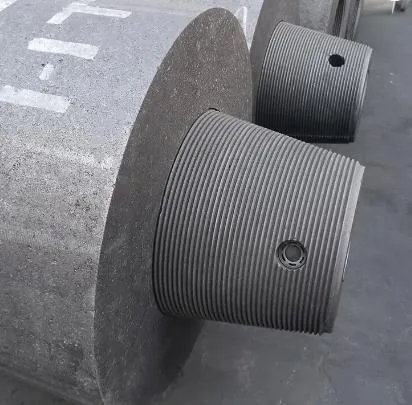
Put simply, a graphite plate for electrolysis is a solid block or sheet of carbon material specifically designed to serve as an electrode in an electrolytic cell. It carries electric current into the electrolyte solution, triggering the chemical reactions you want.
Graphite stands out because it combines excellent electrical conductivity with robust chemical resistance. Unlike metals, which might corrode in harsh electrolytic environments, graphite maintains stability. This is why industries prioritize highly pure, homogenous graphite plates for demanding processes—without them, scalable electrolysis would be a lot messier and costlier.
How Does This Relate to Modern Needs?
Besides hydrogen, graphite plate electrodes play a role in electroplating, wastewater treatment, and rare earth element extraction. And in humanitarian contexts—like clean water projects or mobile electrolysis units—they help bring reliable, low-maintenance solutions to remote or disaster-hit regions. Essentially, they're the durable gears inside machines that often run 24/7.
Critical Attributes of Graphite Plates for Electrolysis
1. Durability and Chemical Resistance
Graphite’s chemical inertness keeps these plates intact despite constant exposure to harsh electrolytes such as acids or bases. This longevity reduces downtime and maintenance.
2. Electrical Conductivity
Efficient electron transfer is critical. Graphite plates are among the best non-metal conductors, with resistivity typically around 10^-5 Ω·m, ensuring minimal energy loss during electrolysis.
3. Thermal Stability
Electrolytic processes generate heat. The plates must withstand thermal cycling without cracking, which graphite does well (up to around 3000°C in inert atmospheres, though electrolysis typically operates far below that).
4. Machinability and Scalability
The ability to shape graphite plates into bespoke sizes or configurations means they fit various electrolyzers, from small lab cells to industrial stacks. This flexibility supports growing demand.
5. Cost Efficiency
While high-purity graphite can be pricey, its lifespan and performance tend to offer a better return than cheaper alternatives, avoiding frequent replacements that add up.
Mini takeaway: The right balance of durability, conductivity, and cost makes graphite plates indispensable in electrolysis applications everywhere.
Real-World Applications Spanning Continents and Industries
Graphite plates for electrolysis don’t just sit in fancy labs—they're vital in places you might not expect. In China and South Korea, massive electrolyzers produce green hydrogen powering their energy grids. In Europe, companies retrofit graphite electrodes in wastewater treatment plants to improve efficiency and reduce toxic byproducts.
In humanitarian scenarios, organizations deploy modular electrolysis units with graphite plates to generate disinfectants or potable water on-site, particularly in Africa and Southeast Asia. Post-disaster relief teams have also found graphite-based electrolysis gear invaluable for quickly restoring clean water supplies.
Oddly enough, the simplicity mixed with cutting-edge tech here means graphite plates help bridge the gap between high-tech industry and grassroots humanitarian aid.
Graphite Plates: The Clear Advantages That Add Up Over Time
- Cost Savings: Lower replacement frequency means operational savings.
- Sustainability: Enables clean fuel and chemical production, reducing carbon footprints.
- Reliability: High corrosion resistance means fewer failures and safer operations.
- Social Impact: Supports projects that improve water access and health.
There's also an emotional aspect — knowing your system runs on trusted, durable materials that reduce downtime and protect workers’ safety is a subtle kind of peace of mind. Engineers and facility managers often mention the trust they place in these small but critical parts.
Future Trends Shaping Graphite Plate Technology
Looking ahead, innovation in graphite materials is thriving. Researchers are exploring nano-enhanced graphite composites to boost conductivity and lifespan. Simultaneously, increasing automation in manufacturing helps custom-tailor plate dimensions with finer precision, reducing waste.
On the policy front, tighter emissions regulations push industries to adopt greener electrolytic processes relying heavily on these graphite plates. Plus, the rise of decentralized, smaller-scale electrolyzers especially in rural or off-grid settings demands more modular and adaptable plate designs.
Common Challenges and Smart Solutions in Practice
The biggest concerns are graphite plate degradation due to mechanical stress and chemical impurity buildup. Some vendors now offer coatings or hybrid materials to mitigate wear while preserving conductivity.
Temperature management remains tricky in some designs; clever cooling systems and improved thermal interface materials help here. Lastly, supply chain disruptions for high-quality graphite have been a spark for innovation in sourcing synthetic or recycled graphite.
Many experts say combining smart material science with real-world feedback loops from industrial users is crucial to overcoming these limitations.
Frequently Asked Questions About Graphite Plate for Electrolysis
Q1: How do graphite plates improve the efficiency of electrolyzers?
Graphite plates provide excellent electrical conductivity and resist chemical corrosion, enabling steady current flow and longer system life. This stability reduces energy waste and downtime, boosting overall electrolysis efficiency.
Q2: Can graphite plates be customized for different electrolysis setups?
Absolutely. Graphite is relatively easy to machine into various sizes and shapes, making it ideal for both small lab cells and large industrial electrolyzers. Customization helps optimize performance for specific chemical processes.
Q3: What is the typical lifespan of a graphite plate in industrial electrolysis?
Depending on operating conditions, graphite plates can last anywhere from 6 months to several years. High purity and proper maintenance extend lifespan, and newer coated variants may last even longer.
Q4: Are graphite plates environmentally friendly?
Generally yes. They contribute to cleaner electrochemical processes and can often be recycled. Compared to metal electrodes, graphite plates offer lower lifecycle emissions and better sustainability.
Q5: How can a company source quality graphite plates internationally?
Working with reputable suppliers like NL Graphite ensures quality and compliance with standards. Many vendors provide certification, testing, and global shipping, simplifying import procedures.
Product Specification Table: Typical Graphite Plate for Electrolysis
| Specification | Value | Units |
|---|---|---|
| Dimensions (Standard) | 300 x 200 x 15 | mm |
| Bulk Density | 1.75-1.85 | g/cm³ |
| Electrical Resistivity | 4.5 - 6.0 x10⁻⁵ | Ω·m |
| Flexural Strength | ≥ 30 | MPa |
| Operating Temperature | Up to 500 | °C |
| Purity | ≥ 99.5 | % Carbon |
Vendor Comparison: Leading Suppliers of Graphite Plates
| Supplier | Countries Supplied | Customization Options | Typical Lead Time | ISO Certification |
|---|---|---|---|---|
| NL Graphite | Global | Full sizes, coatings | 4-6 weeks | ISO 9001 |
| GraphTech Solutions | Europe, Asia | Standard sizes only | 3-5 weeks | ISO 14001 |
| ElectroCarbon Inc. | North America | Custom machining | 6-8 weeks | ISO 9001 |
Wrapping Up: Why the Graphite Plate is More Than Just Carbon
So yeah, it might seem like a small thing — a piece of graphite in a big electrolysis chamber — but when you zoom out, it’s the difference between a plant running smoothly for years or having costly breakdowns. The graphite plate for electrolysis plays a pivotal role in everything from advancing renewable fuels to improving access to clean water worldwide.
If you’re in an industry that depends on electrolysis — or just curious about how a carbon plate quietly shapes a cleaner energy future — it’s worth considering quality, specs, and vendor reliability carefully.
Curious? Visit NL Graphite to explore options and learn more about how these plates fit into your next project.
References:
1. International Renewable Energy Agency (IRENA) – Green Hydrogen Outlook (2021)
2. ISO 9001 Quality Management Systems – International Organization for Standardization
3. Wikipedia – Electrolysis (https://en.wikipedia.org/wiki/Electrolysis)
 Pervious
 Next
Next