

- Englist



Carbon Rod vs Graphite Rod: Key Differences, Uses & Sustainability Insights

Understanding Carbon Rod vs Graphite Rod: Why It Matters Globally
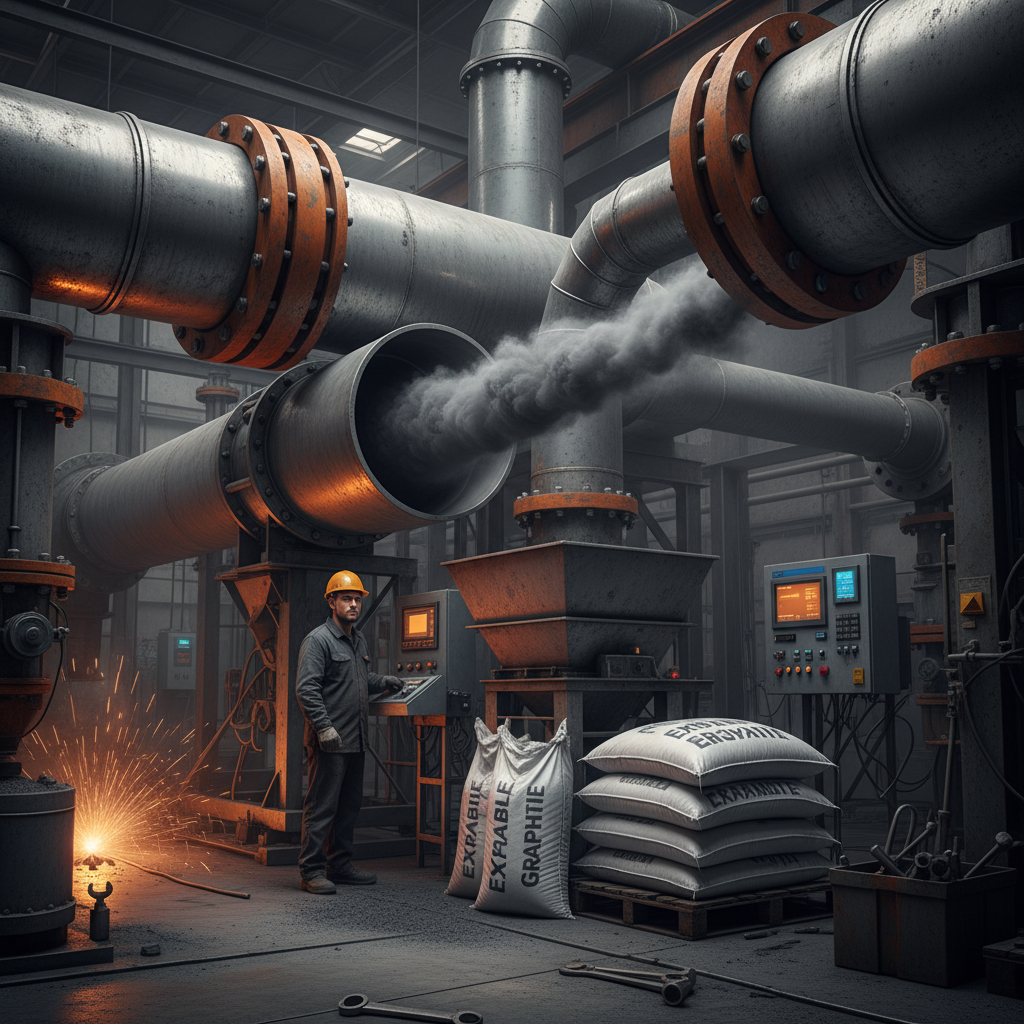
When it comes to materials shaping our world, the carbon rod vs graphite rod comparison stands out as a surprisingly crucial topic. Whether in traditional manufacturing, high-tech industries, or even humanitarian efforts, knowing the difference between these rods can drive smarter decisions that echo across economies and ecosystems. To put it bluntly: it’s about durability, efficiency, sustainability, and ultimately—innovation that supports a more resilient future.
Given the UN’s increasing focus on sustainable industrial materials and ISO’s rigor on standardization, understanding this difference is not just academic; it’s a practical step towards safer, cost-effective, and eco-friendly applications. Carbon and graphite rods find their way into everything from electrical contacts to heat exchangers and even emergency medical devices. More than a niche detail, it’s a matter of global technological progress and environmental stewardship.
The Global Context: How Carbon Rods and Graphite Rods Play a Role
Look around the industrial landscape, and you'll see these materials quietly embedded everywhere. According to recent ISO data, the demand for advanced carbon-based materials has grown by nearly 8% annually worldwide, thanks in part to expanding sectors like electric vehicles, renewable energy, and aerospace. Even the World Bank notes that improving material performance in infrastructure projects can reduce costs by up to 30%, which often hinges on knowing the right rod for the job.
Yet, this growth has challenges: inconsistent material standards, variable supply chains, and environmental concerns linked to production methods. The debate around carbon rod vs graphite rod becomes a discussion about choosing the right balance of performance and sustainability. And with industries striving to lower carbon footprints, the decision isn’t just technical—it’s ethical and economic.
Defining Carbon Rod vs Graphite Rod
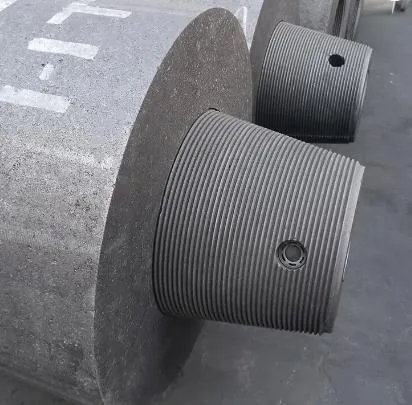
Simply put, a carbon rod typically refers to a solid form of carbon — often amorphous or partially crystalline in structure — whereas graphite rods are made from highly ordered layers of carbon atoms arranged in a hexagonal lattice. This structural nuance means graphite rods generally offer superior electrical conductivity and heat resistance.
In industry, these differences translate to varied performances. For example, carbon rods are sometimes preferred for structural purposes due to their toughness, while graphite rods are favored in applications requiring thermal management or electrical conduction, like electrodes in battery manufacturing or heat exchangers.
This dynamic fits surprisingly well with modern demands—whether for cleaner energy tech or emergency medical equipment—where material choice impacts reliability, cost, and environmental impact all at once.
Key Factors That Distinguish Carbon Rods vs Graphite Rods
1. Durability and Mechanical Strength
Carbon rods boast impressive tensile strength, ideal when a product must withstand physical stress without deforming easily. Graphite rods, while strong in compression, can be more brittle, meaning their applications often lean towards where compositional stability and less mechanical shock occur.
2. Thermal Conductivity
Layers in graphite give it a clear advantage in conducting heat, useful in heat sinks or furnace parts. If you’ve ever noticed a graphite rod doesn’t heat up quickly, that’s the crystalline ordering in action.
3. Electrical Conductivity
Graphite rods act as excellent conductors, commonly used in batteries and arc electrodes. Carbon rods tend to be less consistent in conductivity, depending largely on their manufacturing process.
4. Cost Efficiency
Generally, carbon rods come at a lower price point, thanks to simpler production techniques. Graphite rods, with their precision manufacturing, carry a premium, but often justify it through extended lifespan or better performance.
5. Environmental Impact
While both involve energy-intensive processes, graphite production often uses renewable resources and offers recyclability benefits, which align with sustainability goals that global industries are chasing.
Practical Global Applications & Case Examples
The carbon rod vs graphite rod debate isn’t confined to labs. In remote industrial zones of South Asia, carbon rods form the backbone of affordable miners' tools due to their robustness and cost-effectiveness. Conversely, graphite rods find favor in Europe’s futuristic battery and aerospace industries, where performance and lifecycle matter more than initial cost.
Post-disaster relief organizations often face tough choices: a carbon rod might endure rough handling in temporary shelters, but graphite electrodes are indispensable in medical ventilators and electrical generators supporting life-saving equipment. This balance demonstrates how material science underpins real human challenges.
Advantages & Long-Term Value of Understanding These Materials
- Cost Savings: Avoiding over-specification helps reduce upfront and maintenance expenses.
- Sustainability: Aligning materials with circular economy principles supports global ecological goals.
- Safety & Reliability: Knowing material limits ensures equipment functions in critical conditions.
- Innovation: Facilitates development of next-gen devices in energy, healthcare, and manufacturing.
- Social Impact: Better materials often translate to better products, uplifting society in subtle but profound ways.
Emerging Trends and What’s Next for Carbon and Graphite Rods
The horizon looks fascinating. Advances in nanotechnology are pushing graphite composites that outperform traditional rods in conductivity and flexibility. Green manufacturing practices—like bio-based carbon precursors—may soon reduce environmental footprints markedly. Plus, automation is bringing faster, more customized production options.
Digital twins and AI in material science now allow simulation of rod performance before manufacturing, saving time and resources. Innovations blend material and manufacturing know-how, promising rods tailored for ultra-specific uses—whether it’s spacecraft or low-cost rural power grids.
Challenges and How Experts Are Tackling Them
No material is perfect. Carbon rods can degrade under certain corrosive environments, and graphite rods are expensive and fragile if mishandled. Supply chain interruptions during global crises have shown the vulnerability of sourcing these materials.
Experts recommend combining materials with protective coatings or hybrid composites and widening supplier networks to bolster resilience. It’s as much about logistics and design as chemistry. Some engineers also experiment with recycled graphite materials—cutting waste while maintaining performance.
Carbon Rod vs Graphite Rod FAQs
- Q: What is the main difference in electrical performance between carbon rods and graphite rods?
- A: Graphite rods generally offer superior electrical conductivity due to their crystalline structure, making them ideal for electrodes and batteries. Carbon rods, being amorphous, show less consistent conductivity and usually fit better where electrical flow is less critical.
- Q: Are graphite rods more expensive than carbon rods?
- A: Yes, graphite rods typically cost more because of complex manufacturing processes and material purity. However, they often provide better longevity and performance, which can justify the higher initial price.
- Q: Can carbon rods be used in high-temperature environments?
- A: Carbon rods handle many conditions well, but graphite rods tend to excel in very high-temperature settings (above 3000°C) due to their excellent thermal resistance and stability.
- Q: How sustainable are these rods?
- A: Both have environmental impacts mostly from production energy use, but emerging green methods like bio-precursors and recycling make graphite rods increasingly sustainable compared to traditional carbon rods.
- Q: Where can I learn more about industrial applications of these rods?
- A: Industry reports from ISO and market studies from UNDP offer great insights, and you can visit specialized sources like https://www.nlgraphite.com for hands-on material guides and vendor info.
Quick Reference Tables: Specifications & Vendor Comparison
| Specification | Carbon Rod | Graphite Rod |
|---|---|---|
| Material Structure | Amorphous/partially crystalline carbon | Hexagonal crystalline graphite |
| Electrical Conductivity | Moderate | High |
| Thermal Stability | Good (up to ~2500°C) | Excellent (up to ~3000°C) |
| Mechanical Strength | Tensile strength, rugged | Brittle but stable |
| Typical Uses | Structural supports, brushes, rods | Electrodes, heat sinks, batteries |
| Approximate Cost | Lower | Higher |
| Vendor | Specialization | Price Range | Lead Time | Sustainability Certifications |
|---|---|---|---|---|
| GraphTech Materials Inc. | High-purity graphite rods | $$$ | 4-6 weeks | ISO 14001, REACH |
| CarbonCore Ltd. | Durable carbon rods, bulk orders | $ | 2-3 weeks | ISO 9001 |
| EcoGraph Solutions | Eco-friendly graphite composites | $$ | 3-5 weeks | Cradle to Cradle, FSC |
Wrapping It Up: Why Knowing Carbon Rod vs Graphite Rod Pays Off
So, what's the takeaway? Understanding the subtle but impactful differences between carbon rod vs graphite rod can drive smarter procurement, reduce costs, and improve product lifecycles. It ties into broader themes of sustainability, innovation, and even social impact—because better materials mean better tools and devices that people rely on every day.
If you’re intrigued or need hands-on guidance, visit https://www.nlgraphite.com for in-depth resources, product catalogs, and expert advice. This isn’t just about rods; it’s about how materials can shape the future.
 Pervious
 Next
Next