

- Englist



Choosing the Right Graphite Electrode Factory for Optimal Furnace Performance

Graphite Electrode Factory: A Comprehensive Guide
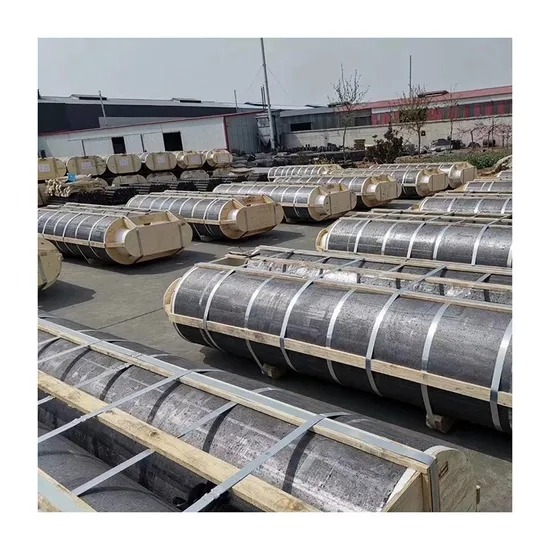
Choosing the right graphite electrode supplier is crucial for industries relying on electric arc furnaces, such as steelmaking, ferroalloy production, and silicon metal manufacturing. A reliable graphite electrode factory ensures consistent quality, timely delivery, and competitive pricing. This article delves into the key considerations when selecting a manufacturer, the types of electrodes available, quality control measures, and why NL Graphite stands out as a leading choice in the industry. Properly selected graphite electrodes optimize furnace performance and reduce operational costs.
Understanding Graphite Electrodes
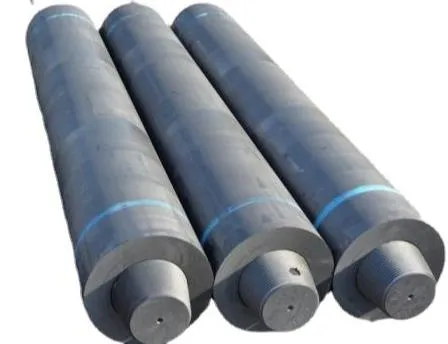
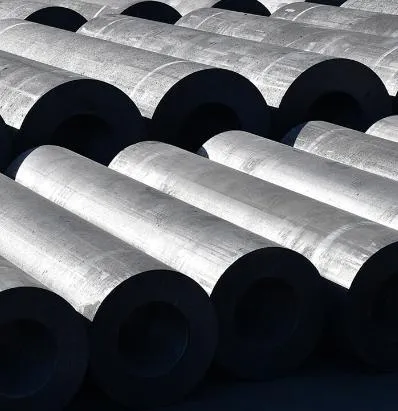
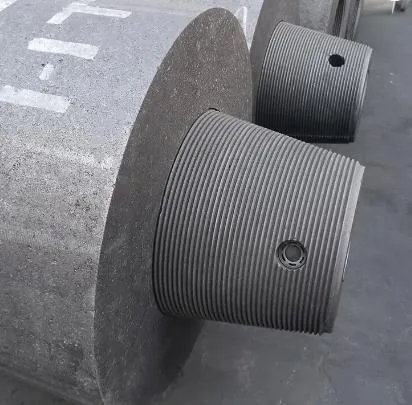
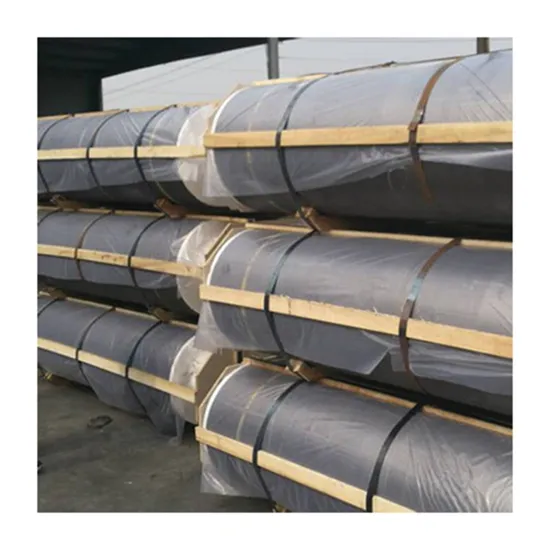
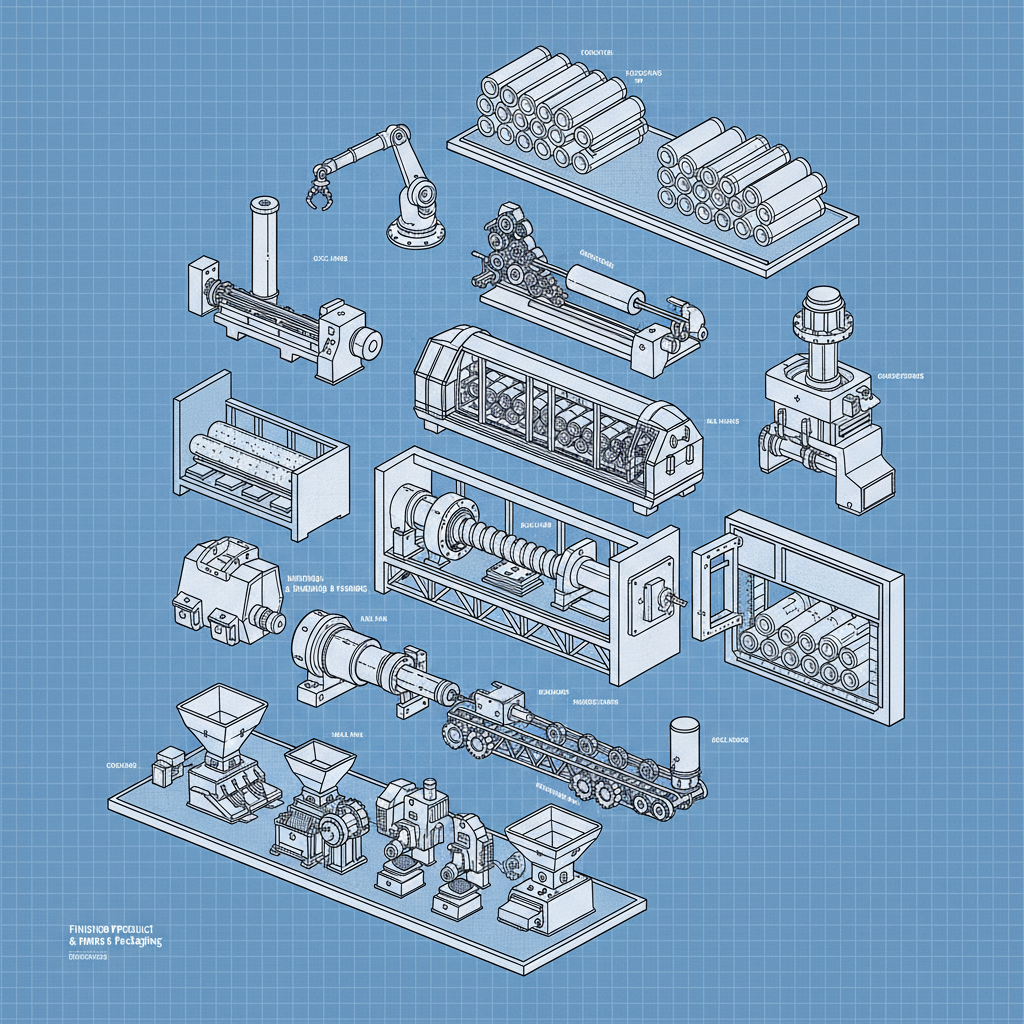
Graphite electrodes are essential components in electric arc furnaces (EAFs), serving as conduits for the electrical current that melts scrap metal and other raw materials. They are manufactured from a mixture of petroleum coke and pitch, which are baked and graphitized at high temperatures to create a conductive material with exceptional thermal and electrical properties. The quality of the graphite electrode directly impacts the efficiency and cost-effectiveness of the EAF process. Different grades of graphite electrodes are available, each suited for specific applications and furnace types. Choosing the right electrode based on furnace operating parameters is essential for optimal performance.
Key Benefits of High-Quality Graphite Electrodes: Increased furnace efficiency, reduced power consumption, minimized electrode breakage, and extended electrode life.
Types of Graphite Electrodes
Graphite electrodes are categorized based on their quality and performance characteristics. The primary classifications are Regular Power (RP), High Power (HP), and Ultra High Power (UHP). Each type is designed for specific furnace conditions and production requirements. UHP electrodes are the highest quality and are used in demanding applications requiring high thermal and electrical conductivity. HP electrodes offer a good balance of performance and cost, while RP electrodes are typically used in less intensive applications. Selecting the correct electrode grade is critical for maximizing furnace efficiency and minimizing operating costs.
Electrode Grade Comparison:
• RP (Regular Power): Cost-effective, suitable for lower-demand applications.
• HP (High Power): Balance of performance and cost, ideal for medium-demand applications.
• UHP (Ultra High Power): Highest quality, designed for demanding applications requiring maximum efficiency.
Key Considerations When Choosing a Graphite Electrode Factory
Selecting a reputable graphite electrode factory requires careful evaluation. Factors to consider include production capacity, quality control procedures, technical expertise, and adherence to international standards. A reliable factory will offer consistent product quality, on-time delivery, and competitive pricing. It's also important to assess the factory’s commitment to sustainability and environmental responsibility. A strong supply chain relationship built on trust and open communication is essential for long-term success. Don't hesitate to ask for certifications and conduct site visits to verify the factory's capabilities.
NL Graphite: Your Trusted Graphite Electrode Supplier
NL Graphite is a leading graphite electrode factory dedicated to providing high-quality electrodes and exceptional customer service. We offer a comprehensive range of electrode grades, including RP, HP, and UHP, to meet the diverse needs of our clients. Our state-of-the-art manufacturing facility and rigorous quality control processes ensure consistent product performance and reliability. We are committed to sustainable manufacturing practices and environmental responsibility. Partner with NL Graphite to optimize your EAF operations and achieve superior results.
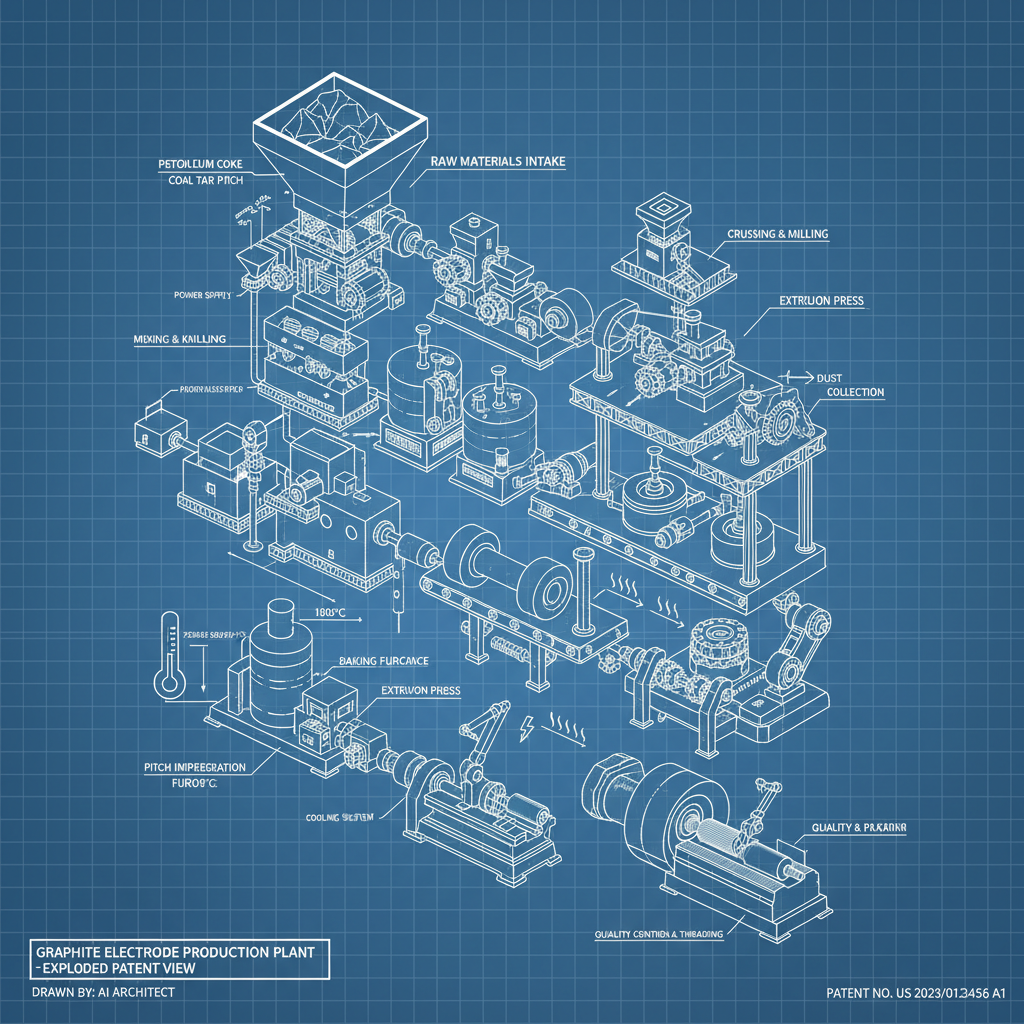
Quality Control Measures at NL Graphite
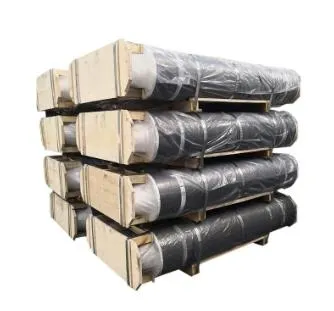
At NL Graphite, quality is paramount. We implement stringent quality control measures throughout the entire manufacturing process, from raw material sourcing to final product inspection. Our quality control laboratory is equipped with advanced testing equipment to ensure that all electrodes meet or exceed industry standards. We conduct rigorous testing for parameters such as resistivity, density, mechanical strength, and ash content. Each batch of electrodes is carefully inspected and certified before shipment. This unwavering commitment to quality ensures that our customers receive consistently high-performing products.
Conclusion: Partner with a Reliable Graphite Electrode Factory
Choosing the right graphite electrode factory is a critical decision for industries relying on electric arc furnaces. NL Graphite offers high-quality electrodes, exceptional customer service, and a commitment to sustainability. By partnering with us, you can optimize your furnace performance, reduce costs, and ensure consistent product quality.
Frequently Asked Questions (FAQs)
What is the typical lifespan of a graphite electrode?
The lifespan of a graphite electrode varies depending on factors such as furnace operating conditions, electrode quality, and the type of steel being produced. Generally, UHP electrodes can last between 80-120 hours, HP electrodes between 60-80 hours, and RP electrodes between 40-60 hours. Regular monitoring of electrode consumption and adherence to best practices can help maximize lifespan. Factors like excessive current, improper tapping practices, and electrode misalignment can significantly reduce electrode life.
What factors affect the quality of a graphite electrode?
Several factors influence the quality of a graphite electrode, including the purity of the raw materials (petroleum coke and pitch), the graphitization process, and the manufacturing controls implemented by the factory. Higher purity raw materials and a well-controlled graphitization process result in electrodes with superior electrical conductivity, thermal stability, and mechanical strength. Proper baking and impregnation also play a crucial role in enhancing electrode performance.
What certifications should I look for in a graphite electrode factory?
When choosing a graphite electrode factory, look for certifications such as ISO 9001 (Quality Management System), ISO 14001 (Environmental Management System), and OHSAS 18001 (Occupational Health and Safety Assessment Series). These certifications demonstrate the factory’s commitment to quality, environmental responsibility, and worker safety. Compliance with international standards like ASTM and IEC is also important. These certifications provide assurance that the factory operates according to established best practices.
How can I minimize graphite electrode breakage?
Minimizing graphite electrode breakage involves several best practices, including proper electrode alignment, controlled current settings, and careful tapping procedures. Avoiding sudden load changes and ensuring adequate cooling are also crucial. Regular inspection of electrodes for cracks or defects can help identify potential problems before they lead to breakage. Working with a reputable electrode supplier who can provide technical support and guidance is also beneficial.
 Pervious
 Next
Next