

- Englist


Comprehensive Guide on Graphite Powder Melting Point – Industry Applications and Trends

Understanding Graphite Powder Melting Point: Why It Matters
If you've ever wondered why graphite powder behaves differently under intense heat or why its melting characteristics are crucial for countless industries, you're in the right place. The graphite powder melting point is more than just a number; it’s a pivotal factor that influences manufacturing, energy storage, aerospace, and even humanitarian technologies worldwide.
Globally, industries relying on high-temperature processes must grasp graphite’s thermal behavior to innovate and ensure safety. Whether it’s producing electrodes, designing heat shields, or developing robust battery components, knowing the melting point of graphite powder provides a foundation to unlock better performance and longevity.
The Global Context of Graphite’s Thermal Behavior
Graphite, a form of carbon, has fascinated engineers and scientists for decades. According to the Wikipedia page on graphite, its exceptional thermal stability is one reason it's integral to high-heat applications. But here’s the catch: the melting point of graphite powder isn’t as straightforward as you might expect.
Looking at global production data from the Statista and guidelines from the ISO, the demand for graphite — especially in powdered form — has skyrocketed recently. Industries from China to Canada depend on it for oil drilling, batteries, aerospace components, and beyond.
Yet, thermal properties like the melting point are challenging to pin down because graphite sublimates under atmospheric pressure before it melts, requiring ultra-high temperatures and controlled environments. This complication is precisely why understanding graphite powder melting point is crucial — it directly addresses design challenges in thermal-resistant equipment and energy applications.
Defining Graphite Powder Melting Point in Plain Terms
Simply put, the melting point of graphite powder is the temperature at which graphite transitions from solid to either liquid or vapor. However, here's an odd but important detail: graphite does not technically melt at atmospheric pressure; it sublimates — meaning it turns directly from solid to gas — at about 3,600 °C (6,512 °F).
This sublimation point, often discussed alongside the melting point due to graphite's unique crystal structure, is a key characteristic influencing its industrial use. The crystalline structure gives graphite its remarkable heat endurance, making it indispensable wherever extreme temperatures meet complex engineering needs.
Key Factors Influencing Graphite Powder Melting Point
1. Purity Level
Impurities in graphite powder can lower the sublimation temperature, affecting performance. High-purity graphite powder generally withstands higher temperatures and is preferred in aerospace and nuclear industries.
2. Particle Size and Morphology
Finer graphite powders have larger surface areas, which can influence thermal behavior and sublimation rates. This subtle aspect is especially relevant for battery manufacturers optimizing electrode design.
3. Environmental Conditions
Atmospheric pressure and the presence of gases like oxygen impact graphite's thermal transition. In inert or vacuum atmospheres, graphite powder resists sublimation better, pushing its effective melting or sublimation point higher.
4. Structural Defects
Defects in graphite's layered lattice can affect thermal stability slightly but significantly in engineering contexts where millikelvin differences matter.
Mini Takeaway
Graphite powder’s melting point isn’t a fixed temperature but a range influenced by purity, size, environment, and structure — all essential considerations for engineers and scientists.
Real-World Applications of Graphite Powder Melting Point
Across continents and industries, the thermal properties of graphite powder come into play in fascinating ways:
- Battery Technology: Lithium-ion battery electrodes rely on graphite’s stability under heat to maintain efficiency and safety in electric vehicles, where overheating risks are real.
- Aerospace: Heat shields on spacecraft benefit from graphite’s ability to withstand extreme temperatures without melting or degrading.
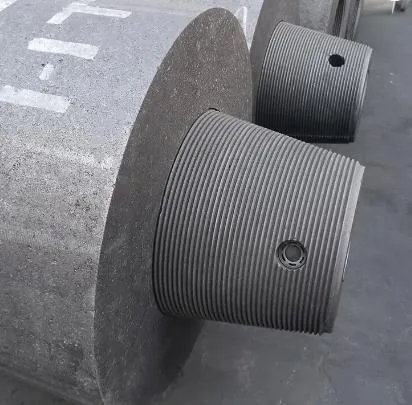
- Steel Manufacturing: Graphite electrodes harness the melting point to function reliably in ultra-high temperature electric arc furnaces.
- Post-Disaster Relief: In areas where infrastructure requires robust, heat-resistant materials for rebuilding, graphite composites often play a silent but critical role.
In fact, regions like Japan, South Korea, and the U.S. lead innovation by integrating graphite powder into next-gen technologies, driven by stricter environmental standards and efficiency demands.
Product Specifications: A Snapshot of Typical Graphite Powder Grades
| Specification | Grade A | Grade B | Grade C |
|---|---|---|---|
| Purity (%) | 99.9 | 98.5 | 96.0 |
| Particle Size (µm) | 5-10 | 10-20 | 20-40 |
| Sublimation Point (°C) | ~3,600 | ~3,550 | ~3,500 |
| Typical Applications | Aerospace, Nuclear | Battery Anodes, Electrode | Lubricants, Foundry |
Vendor Comparison: What to Look For When Buying Graphite Powder
| Vendor | Purity Range | Consistency | Price (per kg) | ISO Certified |
|---|---|---|---|---|
| GraphX Inc. | 99.9% - 98% | High | $50 - $70 | Yes |
| PureCarb Ltd. | 98.5% - 96% | Medium | $40 - $60 | No |
| CarbonFlow | 99.0% - 95% | Variable | $35 - $55 | No |
Advantages and Long-Term Value of Knowing Graphite Powder Melting Point
Mastering the nuances of graphite powder’s melting (or sublimation) point unlocks:
- Cost Efficiency: Prevent costly failures in high-heat industrial processes by selecting the right grade.
- Sustainability: Optimize materials for longer lifecycle components, reducing waste and environmental footprint.
- Safety: Graphite’s thermal durability assures safety in aerospace, nuclear reactors, and advanced battery systems, protecting both workers and end users.
- Innovation Potential: Engineers devise breakthrough composites and cooled components by leveraging graphite’s unique melting attributes.
Future Trends and Innovations
Looking ahead, research is pushing the boundaries:
- Green Energy: New battery chemistries that exploit graphite’s melting point for enhanced thermal management.
- Digital Transformation: AI-based prediction models now estimate real-time sublimation behavior for manufacturing adjustments on the fly.
- Automation: Robotic assembly of graphite components requires precise thermal data for quality control.
- Sustainability Policies: ISO increasingly mandates detailed graphite powder specs to ensure environmental compliance.
Challenges and Solutions in Graphite Powder Thermal Usage
Despite the benefits, challenges remain:
- Measurement Difficulty: Because graphite sublimates, experimental determination of melting point demands specialized equipment.
- Purity Control: Trace impurities unpredictably affect thermal properties.
- Cost Barriers: High-purity graphite powders can be expensive, limiting accessibility.
Experts recommend cutting-edge spectrometry and inert atmosphere testing to improve accuracy. Collaborations among suppliers also drive down costs by innovating production workflows.
FAQ: What You Need to Know About Graphite Powder Melting Point
Q1: What exactly is the melting point of graphite powder?
Graphite powder doesn’t melt under normal atmospheric pressure; instead, it sublimates around 3,600 °C. That means it transforms directly from solid to gas without becoming liquid. This is crucial for high-temperature applications.
Q2: How does graphite powder purity affect the melting point?
Higher purity graphite typically withstands higher temperatures because impurities can lower the sublimation temperature, potentially causing premature deterioration during use.
Q3: In which industries is understanding graphite powder melting point most critical?
Industries such as aerospace, nuclear power, battery manufacturing, and steel production rely heavily on this knowledge to design safer and more efficient products.
Q4: Can atmospheric conditions change the melting behavior of graphite powder?
Yes. In inert or vacuum environments, graphite’s sublimation temperature can effectively be higher, making controlled atmospheres important in testing and manufacturing.
Q5: Are there cost-effective alternatives to high-purity graphite powder?
While lower-grade graphite powders exist, they may not meet the thermal requirements of high-performance applications. Some industries explore composites that blend graphite with other materials to optimize cost and performance.
Conclusion
Graphite powder melting point — or more accurately, its sublimation behavior — might not be everyday talk, but it’s a cornerstone of modern technology. From ensuring the safety of space missions to powering green vehicles, understanding and leveraging this property fuels innovation, sustainability, and industrial resilience.
To deepen your knowledge or explore premium graphite powders tailored for your needs, visit our website. There’s always more to explore beneath the surface of graphite’s heat endurance — and trust me, it’s worth the dive.
References
 Pervious
 Next
Next