

- Englist


Comprehensive Guide to 2kg Graphite Crucibles for Industrial and Laboratory Use

Understanding 2kg Graphite Crucibles: A Comprehensive Guide
Graphite crucibles are indispensable tools across numerous industries, from metal casting and precious metal refining to laboratory applications. A 2kg graphite crucible represents a versatile size, offering a balance between capacity and maneuverability. This article will delve into the characteristics, benefits, applications, and selection criteria for 2kg graphite crucibles, helping you make an informed decision for your specific needs. Choosing the right crucible is crucial for efficiency, safety, and the quality of your results.
What Makes 2kg Graphite Crucibles So Popular?
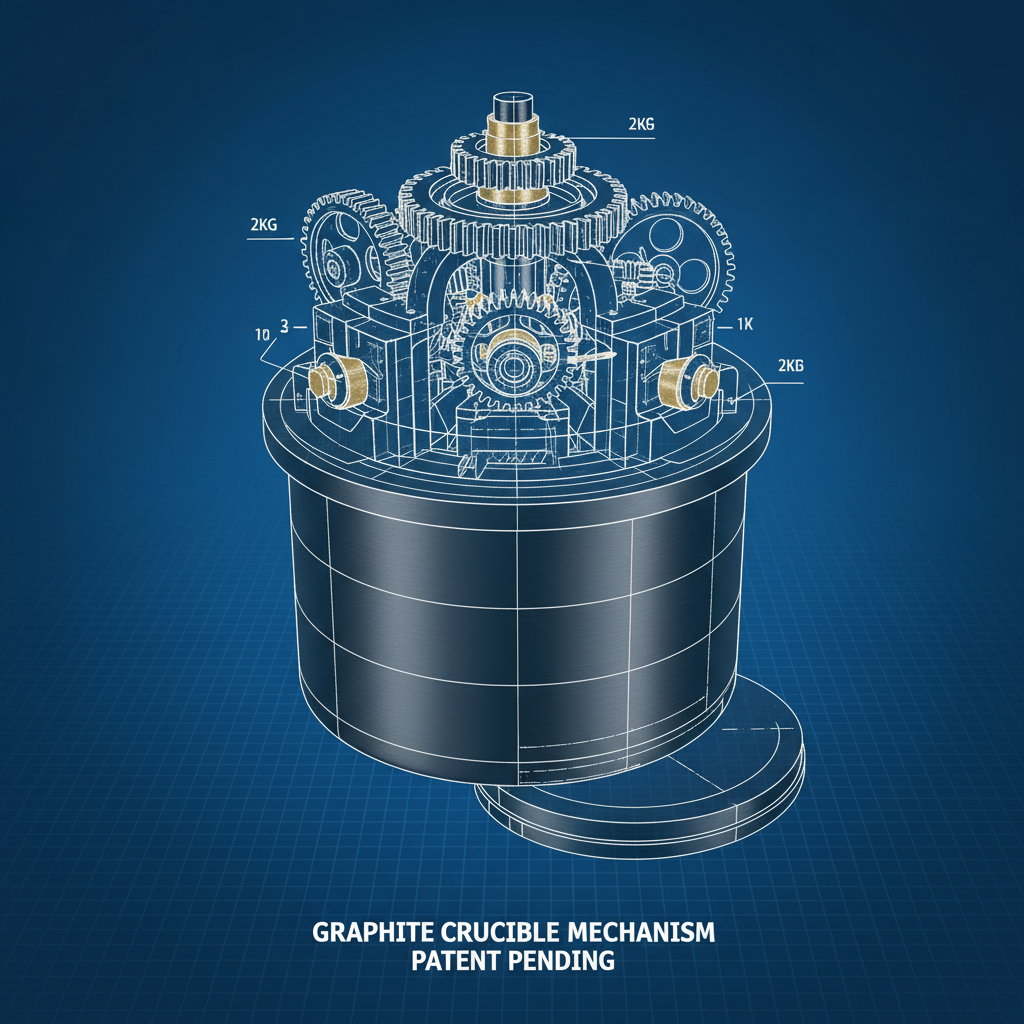
The 2kg capacity strikes an ideal balance for many applications. It's large enough to handle significant quantities of material without becoming unwieldy or requiring excessive heating energy. Graphite, as a crucible material, boasts exceptional thermal shock resistance, meaning it can withstand rapid temperature changes without cracking. It also exhibits excellent chemical inertness, preventing contamination of the melt. Furthermore, graphite crucibles have a relatively low coefficient of thermal expansion, contributing to their longevity and reliability. NL Graphite's crucibles are manufactured to the highest standards, ensuring consistent performance and durability.
Key Benefits: Exceptional thermal shock resistance, excellent chemical inertness, low thermal expansion, and a versatile 2kg capacity for a wide range of applications.
Applications of 2kg Graphite Crucibles
2kg graphite crucibles find extensive use across diverse industries. In precious metal refining (gold, silver, platinum), their inertness prevents contamination and ensures high purity. They are crucial in investment casting for melting alloys used in jewelry and dental applications. In laboratory settings, they are ideal for sample preparation, materials analysis, and small-scale melting experiments. Other applications include the melting of non-ferrous metals like aluminum and copper, as well as the production of glass and ceramics. They are also commonly utilized in the semiconductor industry.
Common Application Areas:
• Precious Metal Refining (Gold, Silver, Platinum)
• Investment Casting
• Laboratory Sample Preparation
• Non-Ferrous Metal Melting
Choosing the Right 2kg Graphite Crucible: Key Considerations
Selecting the appropriate 2kg graphite crucible requires careful consideration of several factors. Purity is paramount - higher purity graphite minimizes contamination. Density influences thermal conductivity and strength. Grain size affects the crucible’s resistance to thermal shock. The type of graphite (e.g., isostatic, molded) impacts its performance characteristics. Furthermore, consider the crucible’s wall thickness; thicker walls provide greater durability. NL Graphite offers a range of crucibles tailored to different application requirements.
Comparing Graphite Crucible Types
Different manufacturing processes yield distinct graphite crucible properties. Isostatic graphite crucibles offer superior uniformity and density, resulting in enhanced thermal shock resistance and longer lifespan. Molded graphite crucibles are generally more cost-effective but may exhibit slightly lower performance. The choice depends on the severity of the thermal cycling and the required durability. Understanding these differences will help you select the crucible best suited to your application.
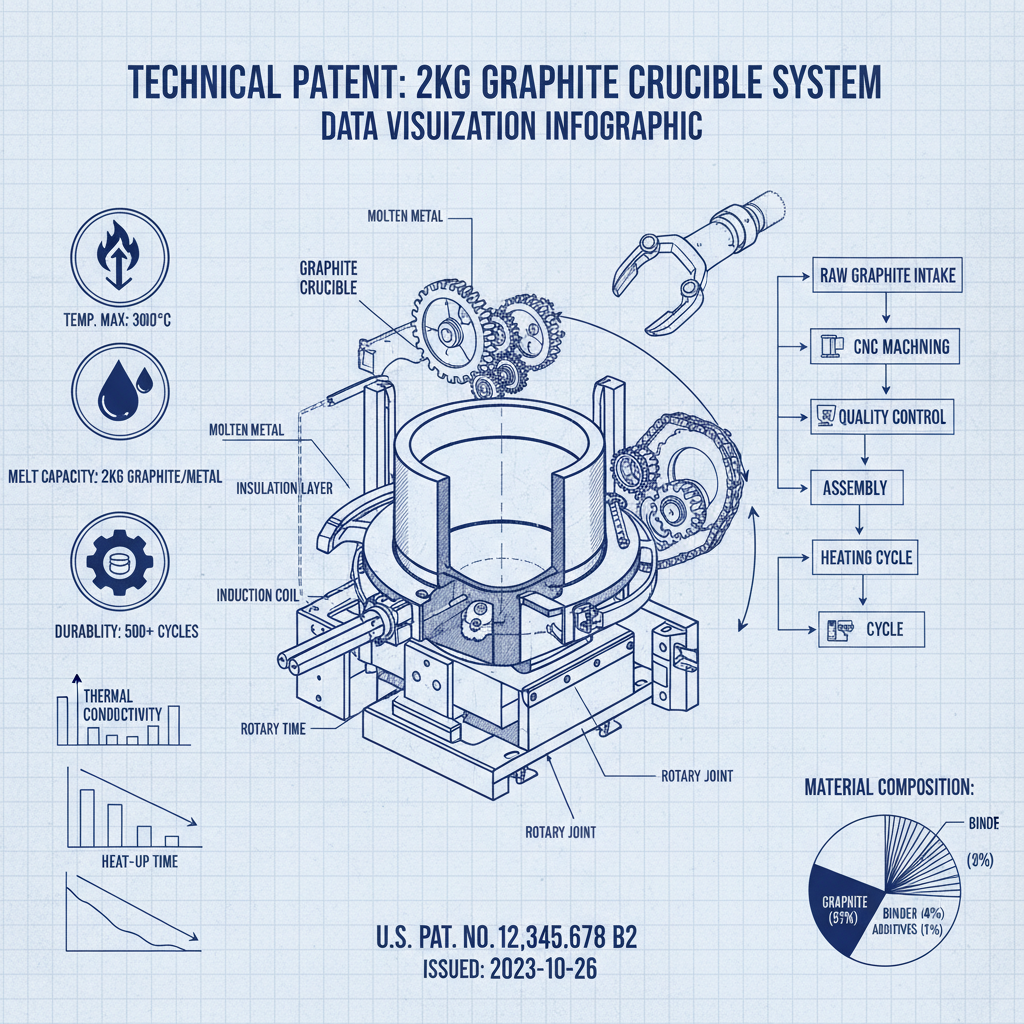
Product Specifications: 2kg Graphite Crucible (NL Graphite)
Conclusion: Investing in Quality for Optimal Results
Choosing a 2kg graphite crucible is a crucial step in many industrial and laboratory processes. By understanding the key considerations – purity, density, manufacturing type, and temperature resistance – you can select the optimal crucible for your specific needs. NL Graphite offers a comprehensive range of high-quality crucibles designed for reliable performance and longevity. Investing in a superior crucible translates to improved efficiency, reduced contamination, and ultimately, better results.
Frequently Asked Questions (FAQs)
What is the typical lifespan of a 2kg graphite crucible?
The lifespan of a 2kg graphite crucible is highly dependent on usage conditions, including the operating temperature, the type of material melted, and the frequency of thermal cycling. With proper use and maintenance, a high-quality crucible can last for hundreds of melts. However, regular inspection for cracks, wear, and potential contamination is essential. Signs of deterioration include visible cracking, changes in shape, or a noticeable increase in melt contamination. Replacing a crucible proactively can prevent catastrophic failure and ensure the integrity of your process.
How should I store a graphite crucible to prevent damage?
Proper storage is crucial for maintaining the integrity of a graphite crucible. Store the crucible in a dry, well-ventilated area, away from direct sunlight and moisture. Avoid storing it with other materials that could cause abrasion or contamination. It’s also best to store the crucible upright to prevent stress on the walls. Avoid sudden impacts during handling and storage. NL Graphite provides detailed storage recommendations with each product.
Can I use a 2kg graphite crucible for reactive metals like titanium?
Generally, it is not recommended to use standard graphite crucibles for melting highly reactive metals like titanium, zirconium, or magnesium. These metals can react with the graphite at high temperatures, forming carbides and contaminating the melt. Specialized crucibles made from materials like alumina, zirconia, or tantalum are required for these applications. Always consult with a materials expert or NL Graphite's technical team to ensure compatibility before melting reactive metals.
 Pervious
 Next
Next