

- Englist


Comprehensive Guide to Utilizing 3 kg Graphite Crucibles for Industrial Needs

Understanding 3 kg Graphite Crucibles for Industrial Applications
Graphite crucibles are essential components in numerous high-temperature industrial processes, renowned for their thermal stability, chemical inertness, and exceptional resistance to thermal shock. A 3 kg graphite crucible represents a common and versatile size, widely used in metal casting, precious metal refining, and various laboratory applications. This article will delve into the characteristics, applications, advantages, and considerations when selecting a 3 kg graphite crucible, offering comprehensive information for professionals and those seeking to understand these critical tools. Choosing the right crucible is crucial for efficient and safe operation.
Key Properties of 3 kg Graphite Crucibles
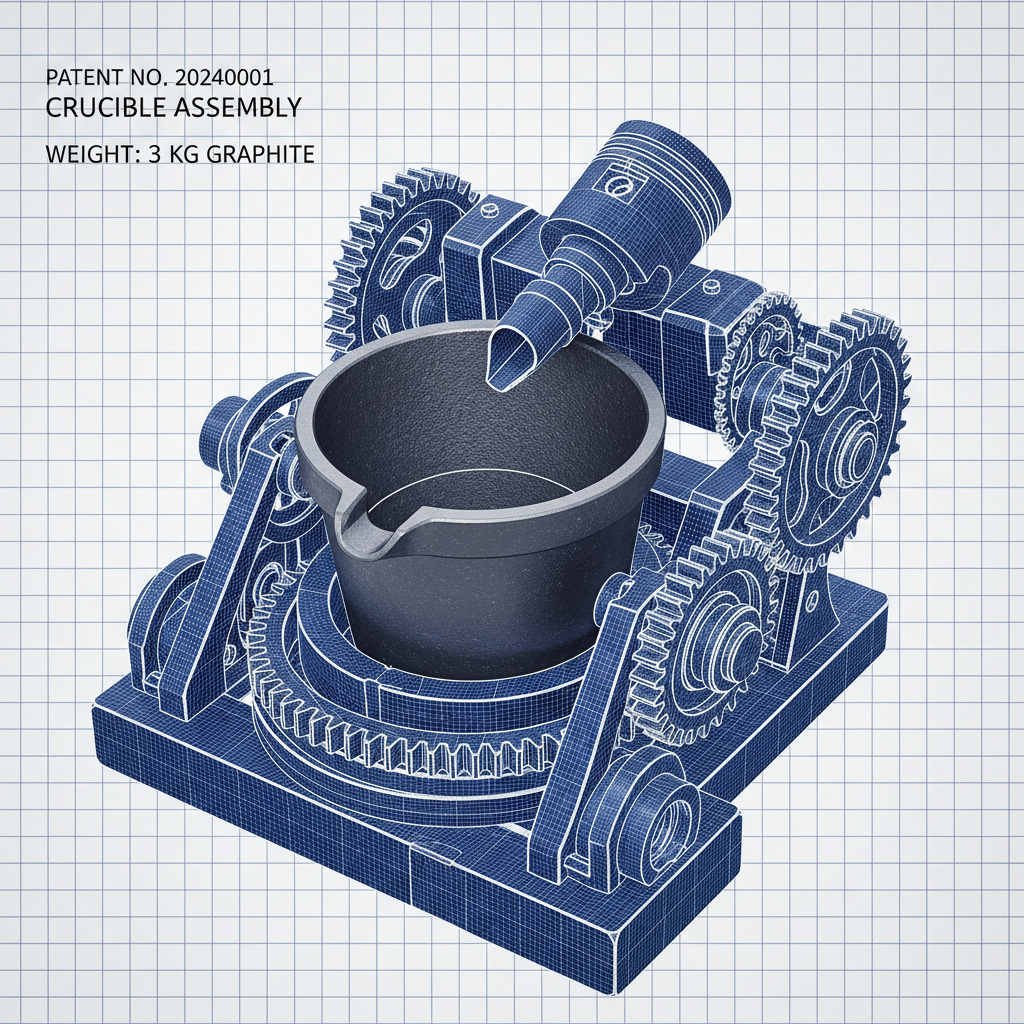
A 3 kg graphite crucible isn't simply defined by its weight; its performance relies on the specific grade of graphite used and its manufacturing process. High-purity graphite is paramount, minimizing contamination of the melt. Crucibles are often clay-graphite or silicon carbide graphite, each offering unique benefits. The density and porosity also play key roles in thermal conductivity and resistance to slag attack. A well-made crucible exhibits excellent thermal shock resistance, preventing cracking during rapid heating and cooling cycles. NL Graphite specializes in producing high-quality graphite crucibles tailored for diverse industrial needs.
Key Highlights: High-purity graphite construction ensures minimal melt contamination. Excellent thermal shock resistance prevents cracking. Versatile for a range of high-temperature applications.
Common Applications of 3 kg Graphite Crucibles
The 3 kg capacity makes these crucibles ideal for a variety of processes. They are frequently used in the melting of aluminum, copper, silver, and gold. In precious metal refining, they offer the necessary purity to maintain the value of the material. Furthermore, they find applications in laboratory settings for research and development, including materials science and chemical analysis. The ability to withstand extremely high temperatures—often exceeding 1600°C—makes them indispensable in these applications. They are a common choice for small-scale foundries and jewelry making.
Application Benefits:
• Ideal for melting a variety of metals.
• Ensures high purity in precious metal refining.
• Suitable for laboratory research and development.
• Cost-effective for small-scale operations.
3 kg Graphite Crucible: Clay-Graphite vs. Silicon Carbide Graphite
Two primary types of 3 kg graphite crucibles are commonly available: clay-graphite and silicon carbide graphite. Clay-graphite crucibles are more affordable and suitable for general-purpose melting. Silicon carbide graphite crucibles, however, exhibit significantly enhanced thermal shock resistance and are less susceptible to slag attack, making them ideal for more demanding applications involving aggressive fluxes or frequent temperature fluctuations. Selecting the appropriate type depends on the specific metal being melted and the operating conditions.
Maximizing Crucible Lifespan: Best Practices
To ensure the longevity and performance of your 3 kg graphite crucible, follow these best practices: Preheating the crucible slowly before use minimizes thermal shock. Avoid rapid temperature fluctuations during the melting process. Use appropriate tongs or lifting devices to prevent physical damage. Regularly inspect the crucible for cracks or signs of wear. Do not exceed the crucible's maximum temperature capacity. NL Graphite provides detailed guidance on proper crucible handling and maintenance.
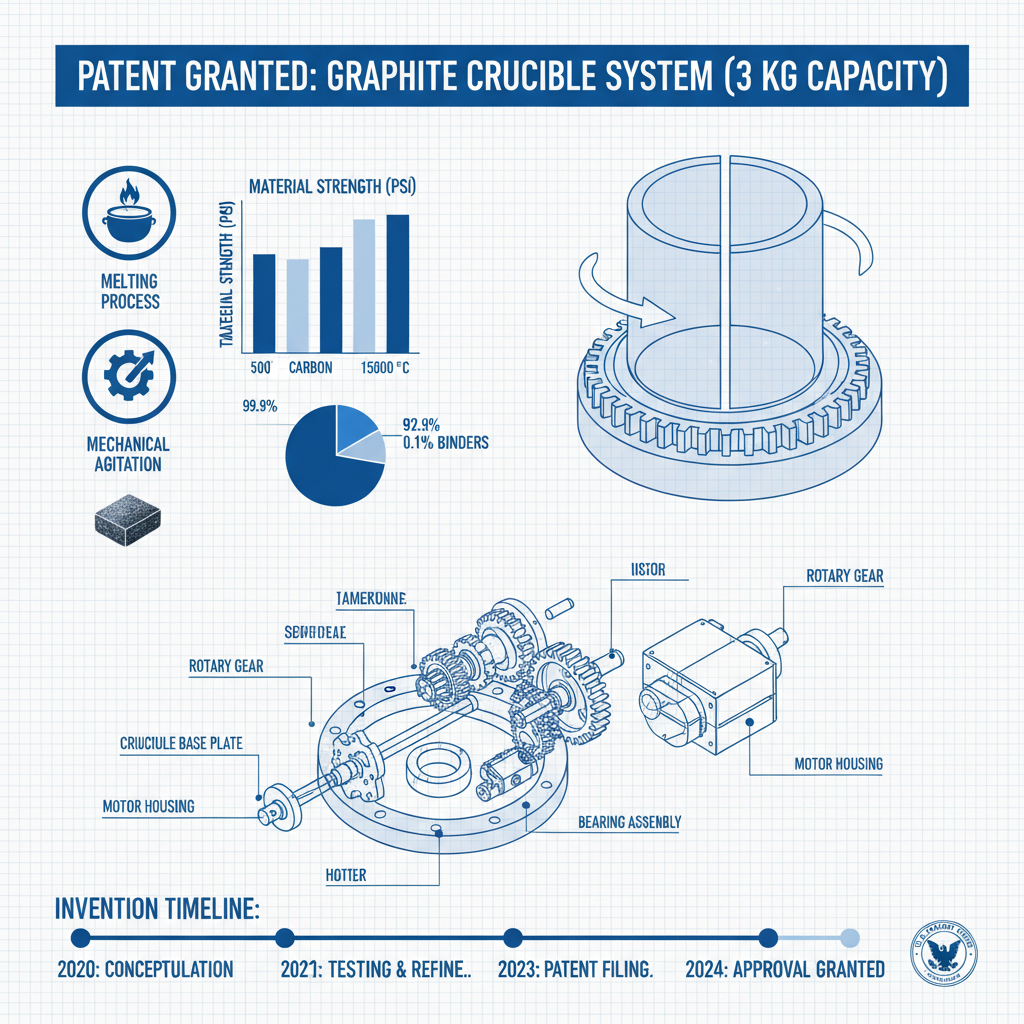
Product Specifications: 3 kg Graphite Crucible
Here’s a typical specification sheet for a 3kg graphite crucible:
Conclusion: Choosing the Right 3 kg Graphite Crucible
Selecting the right 3 kg graphite crucible is crucial for optimizing your industrial processes. Consider the type of metal you're melting, the operating conditions, and the required lifespan. NL Graphite offers a wide range of high-quality crucibles to meet your specific needs. Investing in a reliable crucible ensures efficient operation, minimizes contamination, and maximizes the lifespan of your equipment.
Frequently Asked Questions (FAQs)
What is the typical lifespan of a 3 kg graphite crucible?
The lifespan of a 3 kg graphite crucible varies depending on factors like the melting temperature, frequency of use, and the types of metals processed. Generally, with proper care and usage, a crucible can last for several months to over a year. However, it's essential to inspect the crucible regularly for signs of wear and tear, such as cracks, spalling, or erosion. Clay-graphite crucibles tend to have a shorter lifespan than silicon carbide graphite crucibles due to their lower resistance to slag attack and thermal shock. Replacing a crucible proactively before complete failure prevents potential disruptions and maintains process integrity.
How should I preheat a new 3 kg graphite crucible?
Preheating is crucial to remove any moisture absorbed during storage and to prevent thermal shock. Begin with a very low temperature and gradually increase it over several hours. A typical preheating schedule involves starting at around 100°C for the first hour, then increasing to 200°C for the second hour, and so on, until reaching the desired operating temperature. This slow and controlled heating process allows the graphite to expand gradually and minimizes the risk of cracking. Avoid rapid heating, as it can create stress within the crucible material.
Can I use fluxes with a graphite crucible?
The use of fluxes depends on the type of crucible. Clay-graphite crucibles are more susceptible to attack from aggressive fluxes, so their use should be limited or avoided. Silicon carbide graphite crucibles are much more resistant to fluxes and can be used with a wider range of fluxing agents. Always consult the crucible manufacturer's guidelines regarding flux compatibility. Using incompatible fluxes can significantly reduce the crucible's lifespan and potentially contaminate the melt.
What safety precautions should I take when handling a hot graphite crucible?
Always wear appropriate personal protective equipment (PPE), including heat-resistant gloves, safety glasses, and a face shield. Use proper lifting tools, such as crucible tongs, to avoid direct contact with the hot crucible. Ensure the work area is well-ventilated to avoid inhaling any fumes. Avoid sudden temperature changes, such as quenching the hot crucible in water, as this can cause it to crack or shatter. Handle the crucible with care and avoid dropping or bumping it, even when it’s cool.
 Pervious
 Next
Next