

- Englist



Comprehensive Guide to Calcined Petroleum Coke Used For Industrial Applications

Calcined Petroleum Coke Used For: A Comprehensive Guide
Calcined petroleum coke (CPC) is a crucial carbon material with diverse industrial applications. Its high carbon content, low ash and sulfur levels, and exceptional thermal properties make it invaluable in various processes. From aluminum production to steelmaking and titanium dioxide pigment manufacturing, understanding calcined petroleum coke and its uses is vital for businesses relying on these industries. This article delves into the properties, applications, grades, and market trends of CPC, providing a comprehensive overview for professionals and procurement specialists. Choosing the right grade of CPC is essential for optimal performance and cost-effectiveness in your specific application.
Understanding the Production of Calcined Petroleum Coke
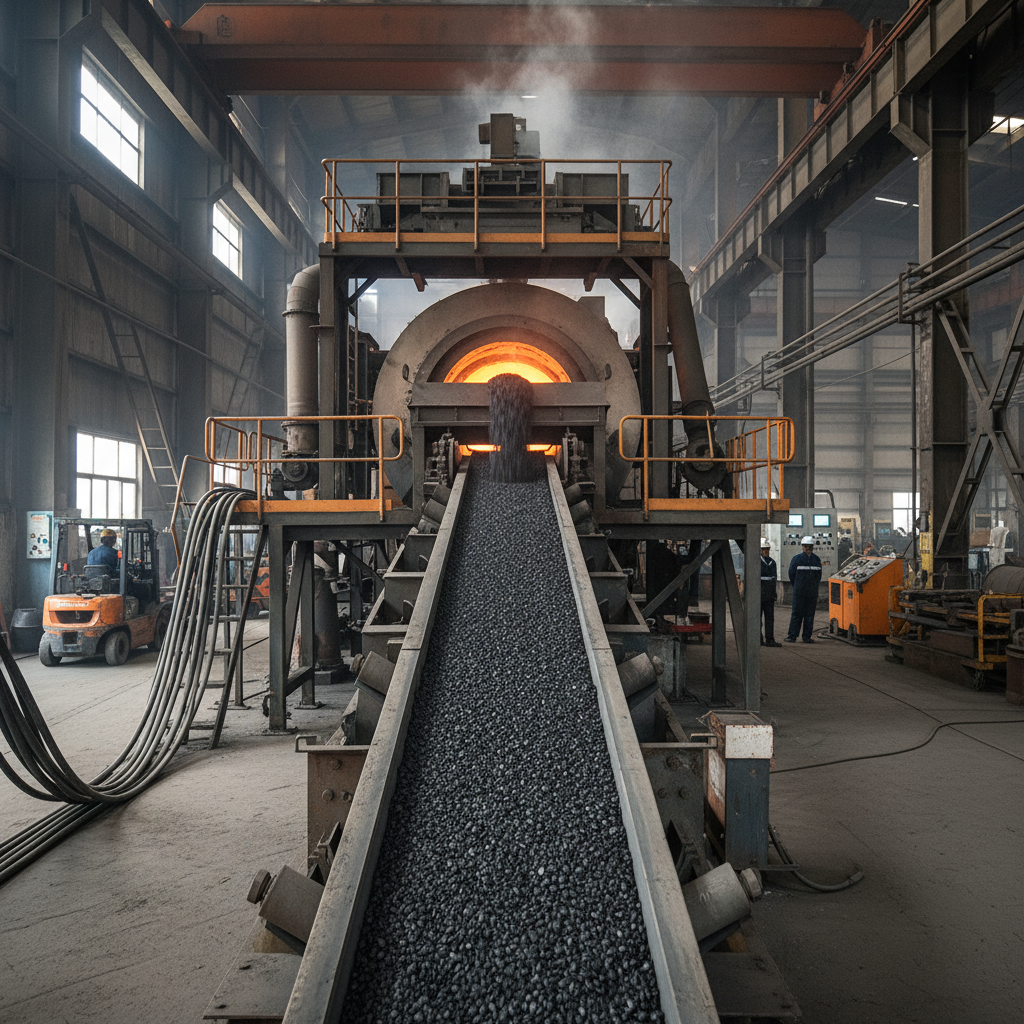
CPC isn't directly sourced; it's manufactured. The process begins with green petroleum coke, a byproduct of oil refining. This 'green coke' undergoes calcination, a high-temperature treatment (typically 1000-1400°C) in a rotary kiln under controlled atmospheres. This process removes volatile matter, reduces moisture content, and increases the carbon purity. The resultant CPC exhibits enhanced electrical conductivity, mechanical strength, and thermal stability. Different calcination parameters influence the final product characteristics, tailoring the CPC for specific applications. The quality control measures implemented during calcination are crucial for ensuring consistent product performance and meeting stringent industry standards.
Key Production Highlights: High-temperature treatment (1000-1400°C), volatile matter removal, increased carbon purity, and controlled atmospheric conditions.
Key Applications of Calcined Petroleum Coke
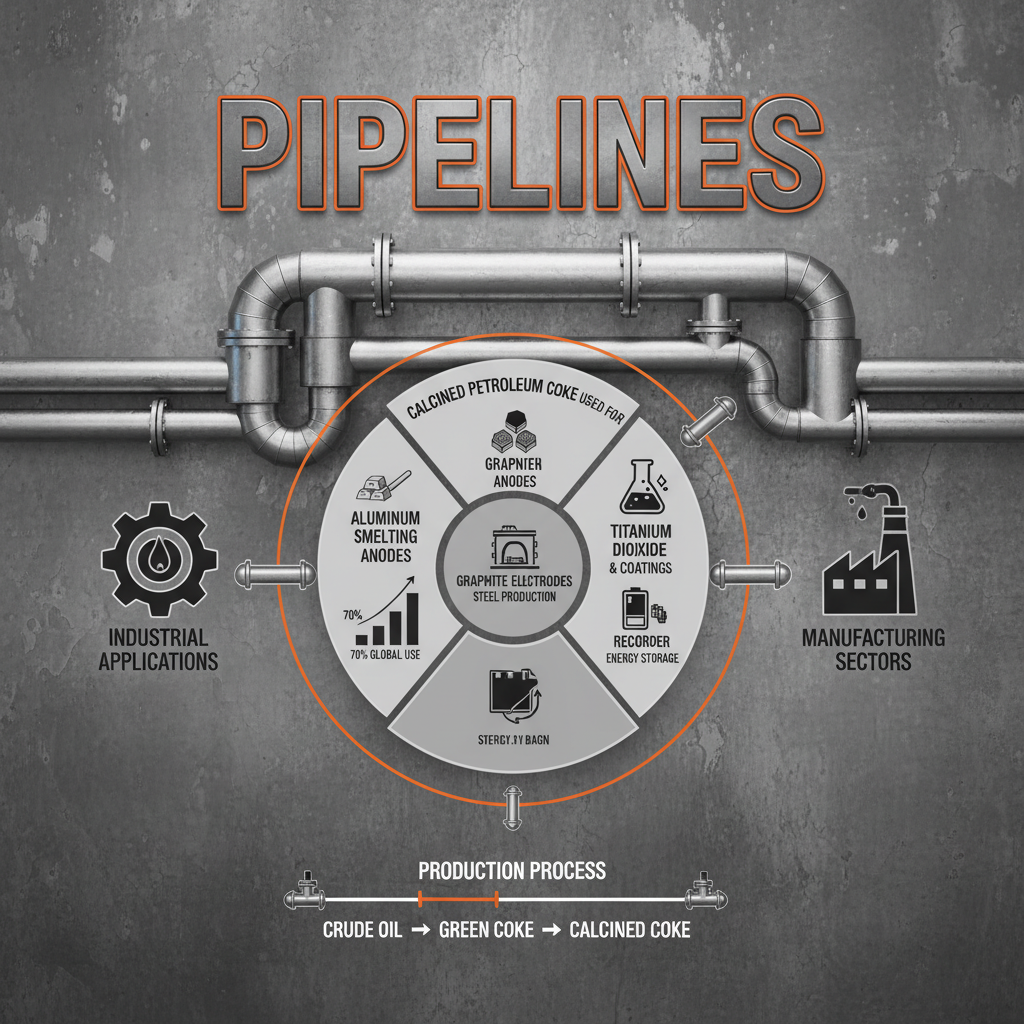
The versatile properties of CPC drive its demand across diverse sectors. Primarily, it's used as a carbon source in the production of aluminum, acting as the anode material in the electrolytic smelting process. Significant quantities are also utilized in the steel industry as a carburizer, increasing the carbon content of steel. Other prominent applications include the manufacture of titanium dioxide pigment, graphite electrodes, and the production of various chemicals. The growing demand for these end-use products continues to fuel the market for high-quality CPC. Explore our range of CPC grades specifically tailored to meet the demands of these critical industries at NL Graphite.
Core Application Areas:
• Aluminum Production (Anode Material)
• Steelmaking (Carburizer)
• Titanium Dioxide Production
• Graphite Electrode Manufacturing
Calcined Petroleum Coke Grades and Specifications
CPC is categorized into various grades based on its properties, including carbon content, sulfur content, ash content, and particle size. The selection of the appropriate grade is critical for achieving optimal results in a specific application. For example, aluminum smelters typically require CPC with very low sulfur content to minimize environmental impact and enhance electrode performance. Steelmakers may prioritize CPC with specific particle size distributions to optimize carburization rates. Below is a comparative table illustrating common CPC grades and their typical specifications:
Global Market Trends and Future Outlook
The global CPC market is influenced by factors such as aluminum production levels, steel demand, and environmental regulations. Growing demand for lightweight materials in the automotive and aerospace industries is driving increased aluminum production, consequently boosting CPC consumption. However, stricter environmental regulations regarding sulfur emissions are pushing manufacturers towards higher-grade, low-sulfur CPC. Asia-Pacific currently dominates the CPC market due to its substantial aluminum and steel industries. The market is expected to continue growing steadily in the coming years, with a focus on sustainable production practices and the development of innovative CPC applications.
Choosing a Reliable CPC Supplier
Selecting a reputable CPC supplier is paramount for ensuring consistent quality, reliable supply, and competitive pricing. Look for suppliers with established quality control systems, certifications (such as ISO 9001), and a proven track record of serving your specific industry. Consider their logistical capabilities, storage facilities, and commitment to environmental sustainability. NL Graphite is dedicated to providing high-quality CPC tailored to your needs, backed by exceptional customer service and technical expertise.
Conclusion: Optimizing Performance with the Right CPC
Investing in high-quality calcined petroleum coke is a strategic decision that impacts the efficiency and profitability of your operations. By understanding the various grades, applications, and market trends, you can make informed choices and partner with a reliable supplier like NL Graphite to ensure a consistent supply of premium CPC.
Frequently Asked Questions (FAQs)
What is the typical lead time for CPC orders?
Lead times for CPC orders can vary depending on the quantity, grade, and current market conditions. Generally, standard grades with readily available stock can be shipped within 7-14 business days. Customized grades or large-volume orders may require a longer lead time, typically ranging from 4-8 weeks. It’s best to contact NL Graphite directly for a specific quote and estimated delivery schedule based on your unique requirements. We strive to provide prompt and efficient service to minimize any potential disruptions to your production process.
How is CPC typically packaged and shipped?
CPC is commonly packaged in bulk bags (FIBCs) weighing approximately 1 metric ton each. These bags are designed for efficient handling and transportation. Depending on the order size and destination, CPC can be shipped via containerized sea freight, rail, or truck. Proper packaging and secure loading are crucial to prevent damage and ensure the integrity of the product during transit. NL Graphite adheres to strict packaging and shipping protocols to guarantee safe and reliable delivery.
What are the environmental considerations when using CPC?
Environmental responsibility is a key concern in the CPC industry. The sulfur content of CPC is a major focus, as sulfur dioxide emissions contribute to acid rain. Therefore, using low-sulfur CPC is crucial for minimizing environmental impact. Proper handling and storage of CPC are also important to prevent dust emissions and contamination. NL Graphite is committed to sustainable practices and offers CPC grades that meet stringent environmental standards.
Can you provide custom sizing or processing of CPC?
Yes, NL Graphite offers custom sizing and processing services to meet specific customer requirements. This includes grinding, screening, and classifying CPC to achieve desired particle size distributions. We can also provide custom packaging solutions tailored to your operational needs. Our team of experts works closely with clients to develop optimal solutions for their unique applications, ensuring maximum efficiency and performance.
 Pervious
 Next
Next