

- Englist


Comprehensive Guide to Carbon Graphite Electrodes: Usage, Benefits, and Market Insights

Unpacking the Carbon Graphite Electrode: What It Is and Why It Matters Globally
If you've ever peeked behind the scenes of steel production or considered the complex processes powering electric arc furnaces, the term carbon graphite electrode likely popped up. But why does this somewhat obscure component hold such vital importance? Frankly, the carbon graphite electrode is the unsung hero in multiple heavy industries worldwide, facilitating high-temperature electrical conduction with remarkable efficiency. Understanding it not only enriches our grasp of industrial technologies but highlights critical advancements shaping sustainable production and energy savings.
Global industrial output continues to expand, fueled by burgeoning steel demand and shifting manufacturing landscapes. According to the World Steel Association, global crude steel production neared 1.9 billion metric tons in recent years, much of it reliant on electric arc furnace (EAF) technology — a process that hinges on graphite electrodes. Without robust carbon graphite electrodes, ensuring consistent, safe, and efficient melting of raw materials would be much trickier.
In essence, probing this topic gives insight into a keystone of modern infrastructure and even hints at avenues towards greener manufacturing processes.
What exactly is a Carbon Graphite Electrode?
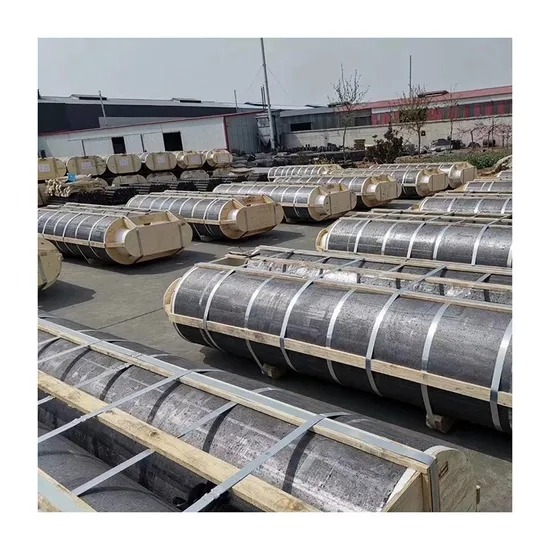
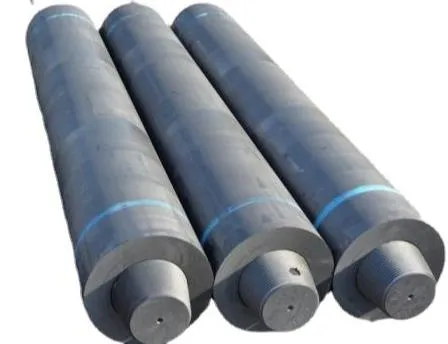
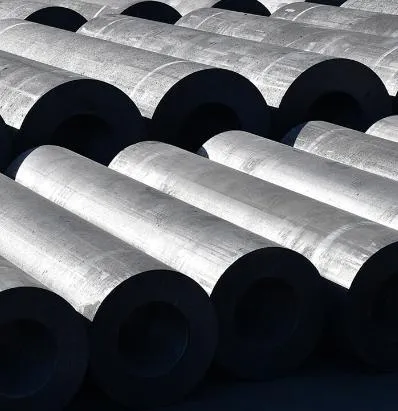
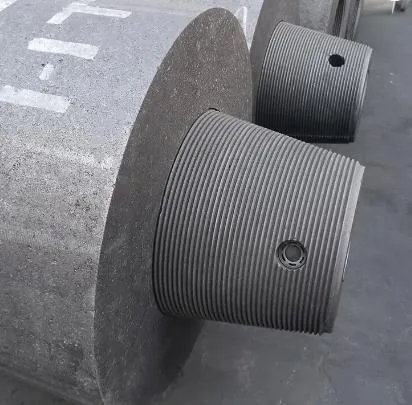
Put simply, a carbon graphite electrode is a cylindrical conductor made primarily from a blend of petroleum coke and needle coke, bonded with coal tar pitch, then graphitized at extremely high temperatures. This process creates a material that combines excellent electrical conductivity with high thermal resistance.
These electrodes are integral to electric arc furnaces, where they transmit massive electric currents that generate intense heat — enough to melt scrap steel and other metals. They serve as the lifeline between electrical power sources and molten metal, which means their durability directly impacts manufacturing efficiency and safety.
Beyond steel, carbon graphite electrodes play pivotal roles in refining, carbon raising, and other metallurgical applications where rapid, intense heating is necessary.
Core Components and Key Factors of Carbon Graphite Electrodes
1. Durability and Thermal Resistance
A carbon graphite electrode’s resilience under extreme temperatures (often exceeding 3,000°C) is crucial. The material’s low thermal expansion rate means it resists cracking, maintaining performance over prolonged usage cycles.
2. Electrical Conductivity
Perhaps the defining feature — these electrodes must conduct massive currents with minimal resistance, optimizing furnace efficiency. Quality electrodes reduce energy loss, which translates to both economic savings and lower emissions.
3. Manufacturing Precision and Quality Control
High-grade raw materials and rigorous processing conditions ensure homogeneity, minimizing defects that could provoke failure during operation.
4. Cost Efficiency and Availability
Carbon graphite electrodes represent a significant expense in steel production, sometimes accounting for up to 30% of operating costs in EAF setups. Yet, advances in manufacturing and recycling have helped keep prices competitive without sacrificing quality.
5. Scalability and Customization
From small-diameter electrodes used in specialty alloy production to massive ones in infrastructure-scale furnaces, manufacturers tailor products to specific customer needs.
Typical Specs of a Standard Carbon Graphite Electrode
| Parameter | Typical Value | Unit |
|---|---|---|
| Diameter | 350–700 | mm |
| Length | 1500–2600 | mm |
| Bulk Density | 1.68–1.82 | g/cm³ |
| Electrical Resistivity | 7.0–8.5 | μΩ·m |
| Flexural Strength | 15–30 | MPa |
How Carbon Graphite Electrodes Fuel Global Industries
The industrial demand for carbon graphite electrodes stretches far and wide. Over 60% of the electrodes produced globally serve electric arc furnaces in steelmaking—primarily in Asia, Europe, and North America. In countries with large steel industries, like China, India, and Russia, these electrodes are everyday essentials.
Oddly enough, beyond steel, we find them involved in niche sectors such as silicon metal production, foundries, and even some petrochemical processes. For example, the aluminum industry sometimes uses graphite electrodes during casting and refining phases.
In developing economies, efficient carbon graphite electrodes hold potential to bolster industrial resilience and help meet sustainability targets by reducing energy consumption in critical processes. This makes them a subtle yet vital piece in the puzzle of global economic growth and environmental stewardship.
Vendor Comparison: Leading Carbon Graphite Electrode Manufacturers
| Vendor | Product Range (mm diameter) | Typical Quality Grade | Lead Time | Global Reach |
|---|---|---|---|---|
| Ningxia Lijian Carbon | 200–650 | Premium | 3–4 weeks | Strong in Asia, Europe |
| GrafTech International | 150–700 | High | 4–6 weeks | Global |
| Tokai Carbon | 300–700 | Premium | 3–5 weeks | Asia-focused |
| China Carbon Graphite Group | 200–600 | Medium | 2–3 weeks | Strong in China, emerging globally |
Why Choose Carbon Graphite Electrodes? Advantages & Long-Term Value
- Cost savings: Enhanced energy efficiency means lower electricity bills and less maintenance downtime.
- Reliability: A stable, durable electrode means fewer disruptions — critical in continuous industrial operations.
- Sustainability: Graphite electrodes contribute to reducing CO2 emissions by improving furnace efficiency — a win-win for industries under environmental scrutiny.
- Innovation: Today's carbon graphite electrodes integrate advances in material science, supporting smarter, cleaner manufacturing processes.
- Safety and trust: Their predictable performance helps safeguard workers and infrastructure.
All told, they’re more than mere components — they embody a blend of tradition and forward-thinking that embodies global industrial growth.
Looking Ahead: Future Trends & Innovations
Green manufacturing continues to shape electrode development. Researchers are exploring ways to reduce the carbon footprint of electrode production by experimenting with renewable binders and optimizing recycling. Additionally, the integration of digital sensors embedded in electrodes for real-time monitoring is expected to revolutionize furnace management.
Automation of electrode handling and predictive maintenance via AI-driven analytics also promise to minimize waste and downtime, helping industries tighten grips on efficiency and environmental compliance.
Obstacles and Solutions
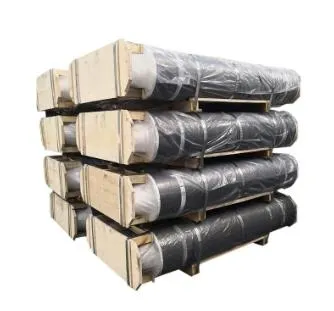
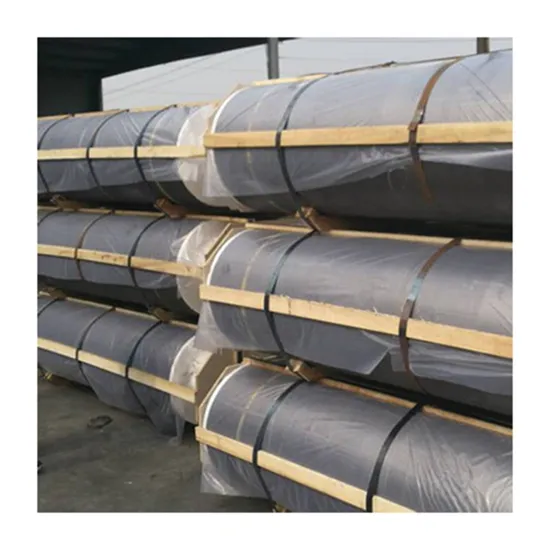
One notable challenge is the volatility of raw material costs, especially needle coke, which directly impacts electrode pricing. Additionally, electrode breakage during shipment or use can be costly.
Solutions span improving supply chain resilience — including diversified sourcing and recycling scrap electrodes — alongside innovations in packaging and handling. Some companies are even investing in carbon fiber composites to boost strength while reducing weight.
Frequently Asked Questions About Carbon Graphite Electrodes
- What factors determine the lifespan of a carbon graphite electrode?
The electrode’s lifespan depends on its quality, the furnace operational conditions, current intensity, and maintenance practices. High-quality electrodes with proper handling can last longer, minimizing replacement cycles. - How do carbon graphite electrodes contribute to environmental sustainability?
By improving furnace efficiency and electrical conductivity, these electrodes lower energy consumption and associated CO2 emissions. Recycling old electrodes further reduces raw material demand. - Can carbon graphite electrodes be customized for specific industrial needs?
Absolutely. Many manufacturers offer customized diameters, lengths, and grades tailored for unique furnace specifications or production goals. - Where can I find reliable carbon graphite electrodes?
Top suppliers like Ningxia Lijian Carbon Graphite provide a wide range of certified electrodes with global shipping. Always verify product certifications and supplier reviews. - Are graphite electrodes recyclable?
Yes, electrodes can be reprocessed and reused, which is both economically advantageous and environmentally responsible.
Wrapping Up: Why Carbon Graphite Electrodes Matter for the Future
To circle back, carbon graphite electrodes are quietly crucial players in the tapestry of modern manufacturing and industry. They enable efficient, scalable, and cleaner production methods that underpin everything from bridge-building steel to energy technologies. Investing in high-quality electrodes is not just a production decision — it’s a strategic choice aligning with sustainability, economic resilience, and innovation.
For deeper insights and sourcing options, visit https://www.nlgraphite.com — a trusted leader in carbon graphite electrode solutions.
And just a final note — it’s easy to overlook something so technical, but next time you see a spinning wheel of industrial progress, you might glimpse the faint spark of a graphite electrode at work.
Mini takeaway: Carbon graphite electrodes fuse high-tech material science with everyday industrial necessity, carving a path toward more efficient and sustainable manufacturing worldwide.
References
 Pervious
 Next
Next