

- Englist



HP Graphite: Industrial Excellence and Sustainable Innovation in Advanced Graphite Materials

HP Graphite: A Critical Material for Modern Industry and Innovation
When you hear hp graphite, it might sound a bit technical or niche. Yet, this specialized form of graphite is quietly shaping multiple sectors globally — from energy storage to aerospace engineering. Understanding hp graphite is not just for material scientists but also for anyone curious about how advanced materials power our everyday technologies and environmental solutions.
Why does this matter globally? Graphite is ranked among the top industrial minerals by the United States Geological Survey, with demand soaring due to its critical role in lithium-ion batteries and renewable energy applications. Without efficient and high-quality graphite like hp graphite, innovations in electric vehicles, clean energy, and even satellite technology would face significant hurdles. Frankly, hp graphite could be considered a foundation stone for our more sustainable future.
Introduction: Global Context and Industry Relevance
The global market for graphite is expanding rapidly. The World Bank estimates a huge surge in battery demand over the next decade as governments worldwide pledge to reduce carbon emissions. Yet supply chains lean heavily on limited graphite sources, often with inconsistent quality. Enter hp graphite, known for its highly purified and engineered structure, essential to meet stringent industry standards.
But the challenge remains — how do industries secure a reliable supply of hp-grade graphite that balances cost, efficiency, and environmental impact? With geopolitical tensions and environmental regulations tightening, alternatives with consistent performance like hp graphite are gaining attention.
Defining HP Graphite
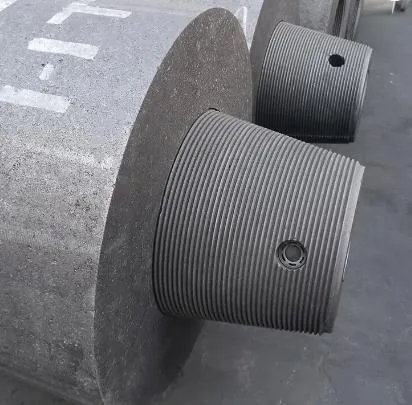
Simply put, hp graphite stands for "high-purity graphite." Unlike standard graphite, which contains impurities and irregular particle sizes, hp graphite features exceptional purity levels (typically >99.9%) and a controlled microstructure. This makes it indispensable in applications requiring stability, conductivity, and resistance to corrosion under extreme conditions.
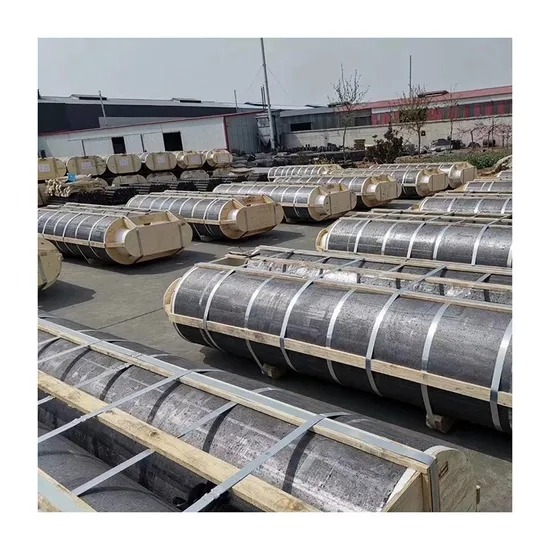
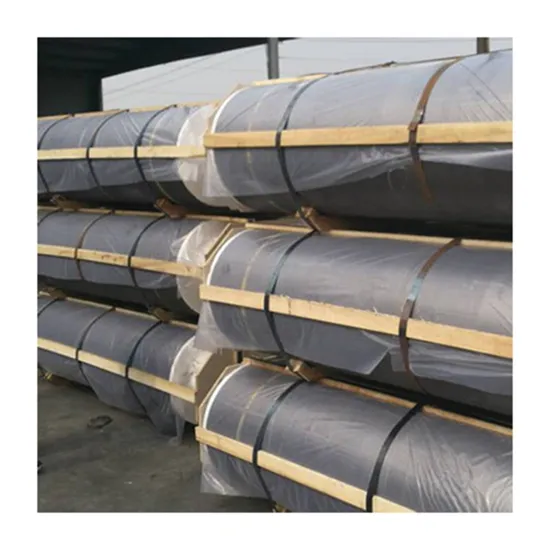
Industrially, hp graphite supports everything from electrodes in electric arc furnaces to components in nuclear reactors. More humanitarian, or perhaps more futuristic, uses include advanced battery electrodes that power electric vehicles or grid-level energy storage — the backbone of modern sustainable infrastructure.
Core Aspects of HP Graphite
1. Purity and Consistency
The hallmark of hp graphite is its ultra-high purity. This means fewer defects and higher electrical conductivity, key for battery cathodes or precision electronics. Manufacturers apply rigorous quality control, often guided by ISO standards like ISO 9001, ensuring traceability and performance assurance.
2. Thermal and Chemical Stability
HP graphite can withstand temperatures above 3000°C without decomposition, making it ideal for high-temperature industrial processes and chemical inertness against aggressive acids and bases.
3. Electrical Conductivity
It’s one of the best natural conductors of electricity. This quality is why hp graphite is the preferred material in batteries and fuel cells, where efficient charge transfer is vital.
4. Scalability of Production
Many producers now implement sustainable mining and purification methods at industrial scale to meet demand spikes, balancing economic and environmental interests.
5. Cost Efficiency Over Lifecycle
Though sometimes pricier upfront compared to lower grade graphite, hp graphite’s longevity and performance reduce replacement and operational costs — a practical win.
Global Applications & Use Cases
HP graphite is everywhere, though quietly so. In China and Brazil, large graphite mines provide base material refined and exported globally. In Europe, specialty hp graphite goes into aerospace, electronics, and nuclear sectors. In North America, automotive giants drive demand for battery-grade graphite in EVs. Oddly enough, humanitarian tech startups use refined hp graphite for thermal management in disaster relief shelters equipped with solar panels.
- Electric vehicle battery electrodes
- High-temperature crucibles for metal smelting
- Conductive components in aerospace and defense
- Nuclear reactor moderator rods
- Renewable energy storage systems
Product Specification Table for HP Graphite
| Property | Typical Value | Units |
|---|---|---|
| Carbon Purity | >99.9 | % |
| Bulk Density | 1.8-2.0 | g/cm³ |
| Electrical Conductivity | 1.2 x 10⁴ | S/m |
| Thermal Conductivity | 150-200 | W/m·K |
| Max Service Temp. | 3000+ | °C |
Vendor Comparison: Leading Suppliers of HP Graphite
| Vendor | Purity (%) | Price (USD/ton) | Sustainability Practices | Global Reach |
|---|---|---|---|---|
| GraphTech Inc. | 99.95 | $10,500 | Certified ISO 14001 | North America, Asia |
| PureCarbon Ltd. | 99.9 | $9,800 | Water recycling tech | Europe, Latin America |
| EcoGraph Solutions | 99.92 | $11,000 | Carbon-neutral mining | Global |
Advantages & Long-Term Value
The tangible perks of hp graphite extend far beyond technical specs. Cost-wise, although the initial investment might seem steep, hp graphite’s lifespan and performance reliability make it cost-effective for manufacturers and end-users alike.
Environmental sustainability also plays a significant role. Many suppliers now harness eco-friendly extraction and purification techniques to minimize emissions and waste, vital in an era of climate responsibility. Socially, hp graphite supports safer energy sources, improves air quality by enabling cleaner transportation, and fosters communities through job creation in mining and processing regions.
Emotionally, those involved in producing or relying on hp graphite often speak of the material as a “trusted workhorse”— a quietly dependable element that keeps big ambitions moving forward. Innovation, safety, and dignity emerge as intertwined benefits when the material enables technologies that improve quality of life worldwide.
Future Trends & Innovations
Looking ahead, the hp graphite space is buzzing with innovation. One major trend is coupling hp graphite with nanotechnology to create ultra-efficient battery electrodes, which could push electric vehicle ranges beyond what we thought possible. Advances in automation and digital material testing also mean stricter quality controls at scale, reducing waste and increasing purity consistency.
Other exciting frontiers include biotechnological approaches to sustainable graphite production and the integration of hp graphite in green hydrogen fuel cells, driving cleaner industrial applications. All these innovations are underpinned by global policies aiming to phase out fossil fuels and encourage circular economy principles.
Challenges and Solutions
Of course, hp graphite has its own hurdles. The key challenge is supply security — politically stable and environmentally responsible production sites are limited. Purification processes can be energy-intensive, adding to carbon footprints if not managed carefully.
Innovative purification methods, including microwave-assisted processing and closed-loop water systems, help offset environmental impacts. Moreover, developing synthetic hp graphite from renewable feedstocks offers promising alternatives. Industry collaborations and government incentives are crucial to pushing these solutions forward.
FAQ: Frequently Asked Questions About HP Graphite
- What makes hp graphite different from standard graphite?
- HP graphite boasts a higher purity level (above 99.9%) and a more uniform structure, which significantly improves its electrical conductivity, thermal stability, and chemical resistance. These qualities are crucial for advanced applications like battery electrodes and aerospace components.
- How long can hp graphite-based components last in high-temperature environments?
- Due to its remarkable thermal stability (up to 3000°C), hp graphite components can function reliably for years in harsh conditions such as metal smelting or nuclear reactors, reducing maintenance and replacement frequency.
- Is hp graphite sustainable and eco-friendly?
- While mining and purification can impact the environment, many vendors adopt greener practices including waste recycling, emission controls, and renewable energy use. Emerging synthetic methods may further reduce ecological footprints.
- Can hp graphite be sourced globally?
- Yes, though supply chains are concentrated. Major producers include China, Brazil, Canada, and some European firms. Working with reputable suppliers ensures quality and traceability.
- How do I choose the right hp graphite supplier?
- Consider factors like purity specifications, sustainability certifications (e.g., ISO 14001), price, delivery logistics, and customer support. Supplier transparency about sourcing and processing is key to trust.
Conclusion & Call to Action
In summary, hp graphite is more than a raw material — it’s a linchpin in the global transition to cleaner energy and advanced technology. Its purity, reliability, and evolving innovations position it as an essential resource for decades to come. For industries seeking cutting-edge graphite solutions, understanding and partnering with trusted providers matters deeply.
Curious to learn more or source high-quality hp graphite? Visit our website at hp graphite and explore how we can support your innovation journey.
Often, the biggest breakthroughs rest on materials you hardly notice — hp graphite is one of those quietly transformative forces.
References
 Pervious
 Next
Next