

- Englist



Comprehensive Guide to Mastering Graphite Electrode Machining Techniques

Mastering Graphite Electrode Machining: A Comprehensive Guide
Graphite electrode machining is a critical process in various industries, including electric arc furnaces (EAF) for steel production, and the manufacturing of semiconductors. Achieving precision and quality in this process is paramount for optimal performance and cost-effectiveness. This article will delve into the intricacies of graphite electrode machining, exploring techniques, challenges, and best practices. Understanding these elements is crucial for maximizing the lifespan and efficiency of graphite electrodes. From selecting the right machining methods to ensuring quality control, we'll cover everything you need to know.
Understanding Graphite Electrode Machining
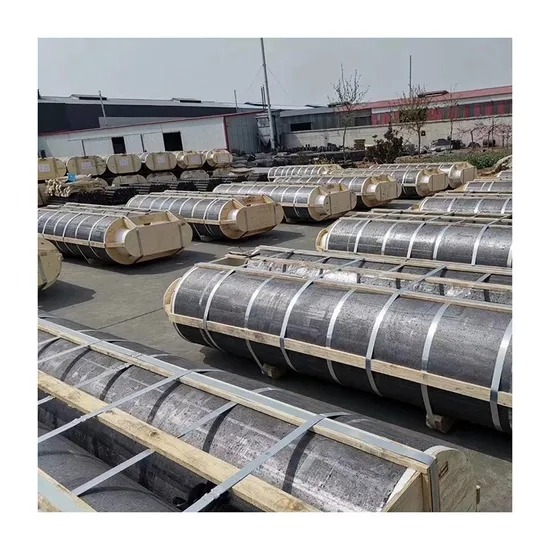
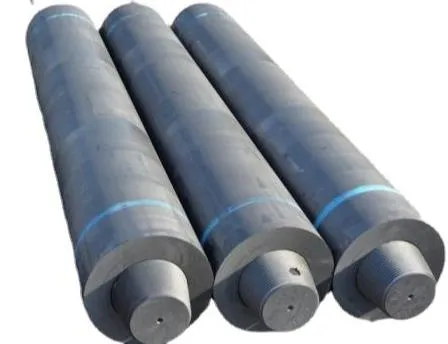
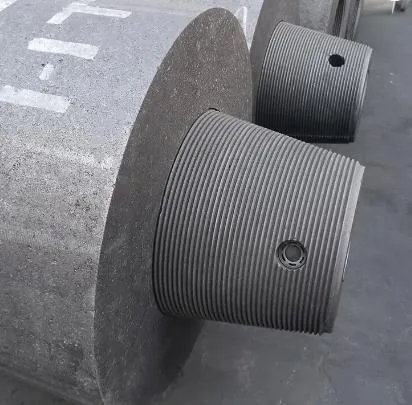
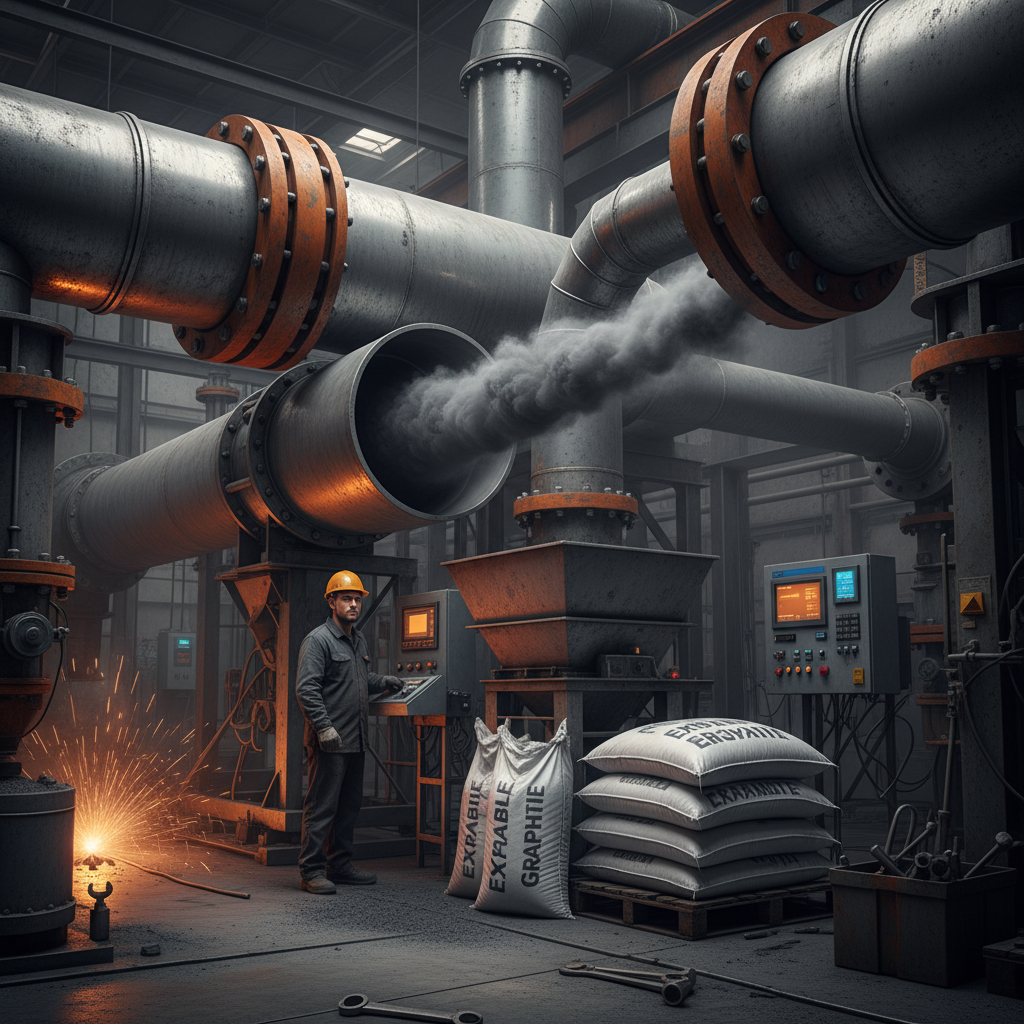
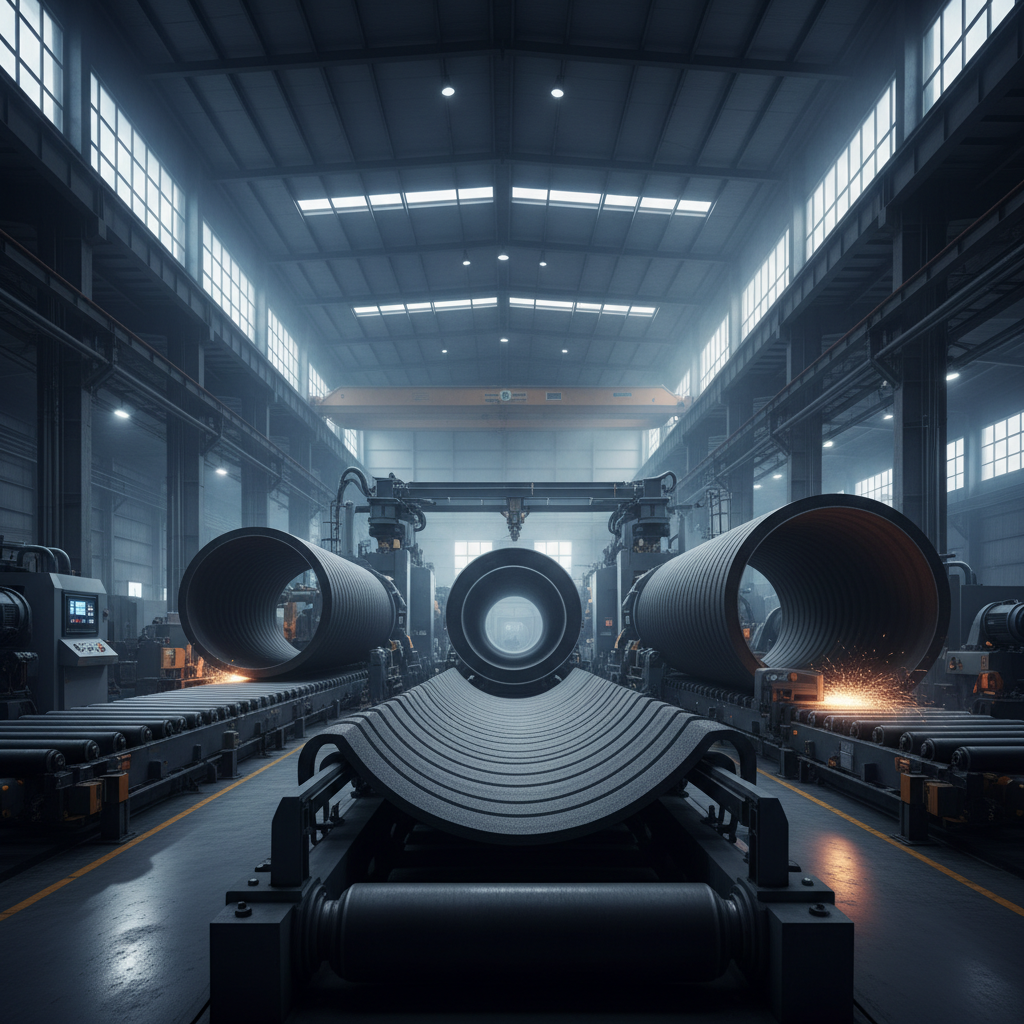
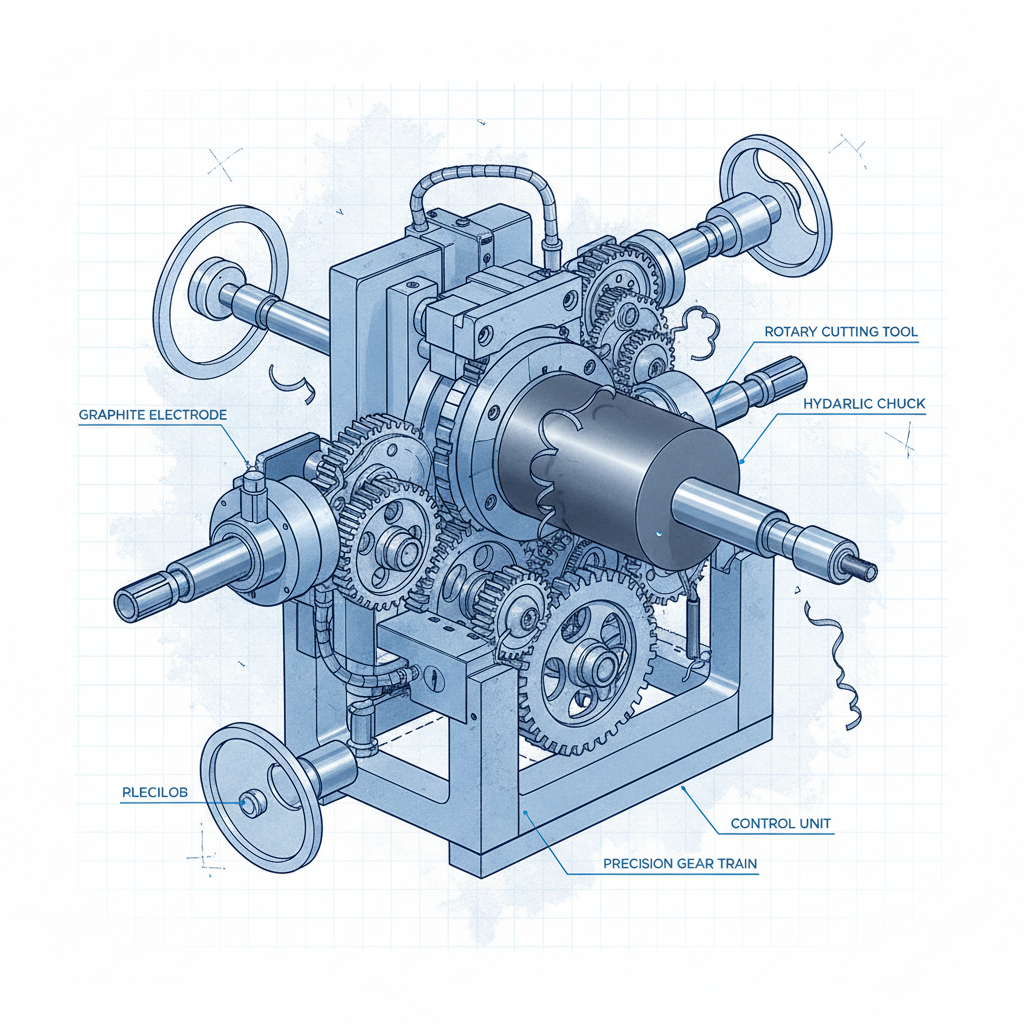
Graphite is a unique material, known for its softness and layered structure. This presents both opportunities and challenges when it comes to machining. Unlike metals, graphite cannot be easily cut with traditional methods. Instead, specialized techniques are required to avoid chipping, fracturing, or creating excessive dust. The primary goal of machining graphite electrodes is to create precise geometries for optimal arc stability and conductivity within the EAF. These geometries include nipple end facing, thread cutting, and overall length adjustment. NL Graphite specializes in providing high-quality, precisely machined graphite electrodes.
Key Considerations: Graphite's softness and layered structure demand specialized machining techniques to avoid damage and ensure precise geometries.
Common Machining Techniques for Graphite Electrodes
Several machining techniques are employed for graphite electrode processing. These include:
- CNC Milling: Precise and versatile for creating complex shapes and features.
- Grinding: Used for achieving smooth finishes and tight tolerances.
- Turning: Ideal for creating cylindrical shapes and threads.
- EDM (Electrical Discharge Machining): Effective for hard-to-reach areas and intricate details.
Coolant Selection Best Practices:
• Use deionized water to prevent contamination.
• Maintain consistent coolant flow to dissipate heat.
• Filter coolant regularly to remove graphite particles.
Graphite Electrode Machining: A Comparative Analysis
Different machining methods offer varying levels of precision, speed, and cost. Here's a comparison to help you choose the right technique for your needs:
Quality Control in Graphite Electrode Machining
Maintaining stringent quality control is critical throughout the graphite electrode machining process. This includes dimensional inspections, surface finish analysis, and visual checks for defects. Non-destructive testing methods, such as ultrasonic testing, can be used to detect internal flaws. Precise machining ensures consistent arc stability, reduced energy consumption, and extended electrode life. NL Graphite implements rigorous quality control procedures to guarantee the highest standards for all our products.
Future Trends in Graphite Electrode Machining
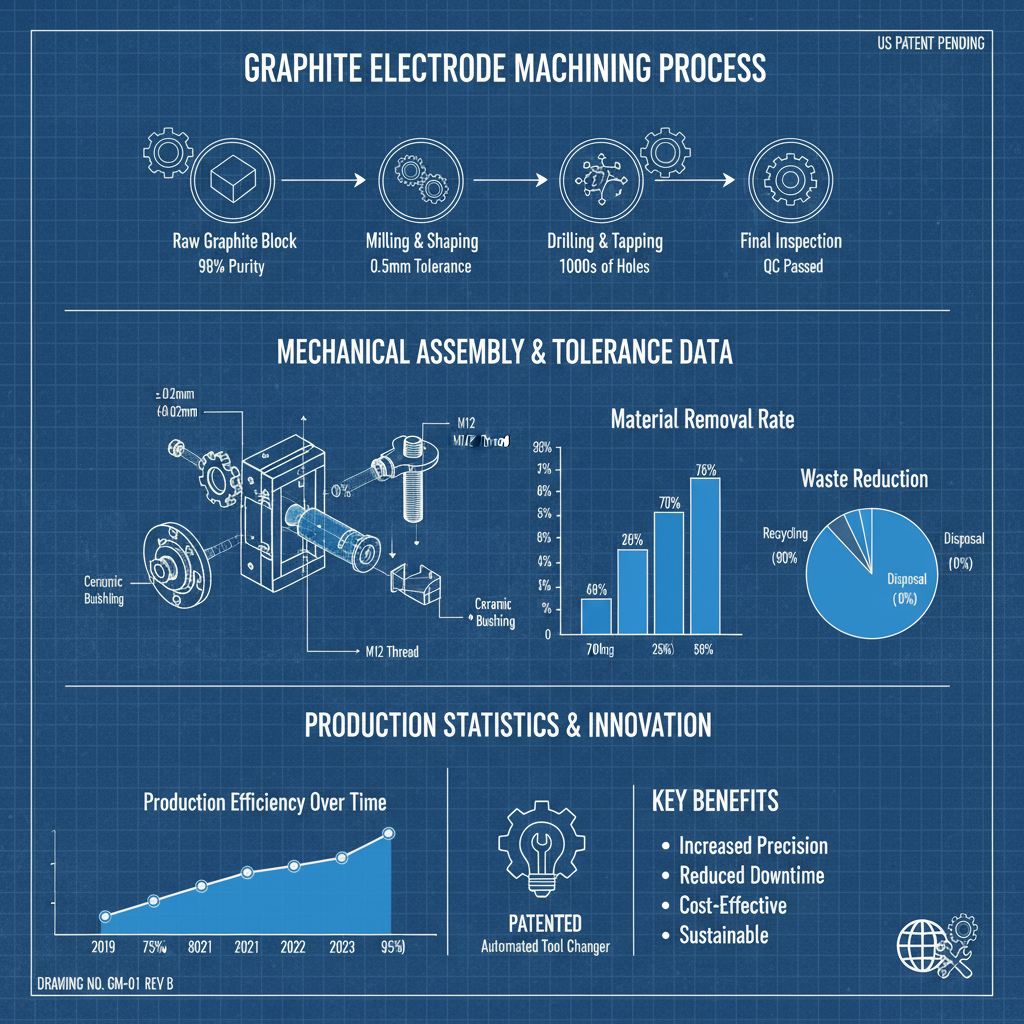
The field of graphite electrode machining is continuously evolving. Emerging trends include the use of advanced machining techniques like laser machining and the development of new graphite materials with improved machinability. Automation and AI-powered process control are also gaining traction, enabling greater efficiency and precision. These advancements will contribute to the production of even higher-quality, longer-lasting graphite electrodes.
Conclusion: Optimizing Performance with Precision Machining
Precise graphite electrode machining is essential for maximizing efficiency and minimizing costs in industries like steel production. By understanding the various machining techniques, quality control measures, and emerging trends, you can ensure optimal performance and longevity of your electrodes. Partnering with a reputable supplier like NL Graphite is key to achieving these goals.
Frequently Asked Questions (FAQs)
What are the primary challenges in machining graphite?
Graphite's inherent brittleness and abrasive nature pose significant challenges. It tends to chip and fracture easily, and the fine graphite dust generated during machining can be hazardous. Effective dust collection systems and specialized machining parameters are crucial to mitigate these issues. Choosing the correct cutting tools and coolant also plays a vital role in achieving successful machining outcomes. Proper handling and storage are critical to prevent damage before and after machining.
How does electrode geometry affect arc stability?
Electrode geometry directly impacts arc stability and energy transfer within the EAF. A precisely machined nipple end ensures uniform arc distribution, minimizing flicker and optimizing melting efficiency. Correct thread cutting is essential for secure electrode connection and conductivity. Deviations from specified geometries can lead to arc instability, increased energy consumption, and reduced electrode life. Therefore, stringent dimensional control during machining is paramount.
What is the role of coolant in graphite machining?
Coolant serves several critical functions in graphite machining. It dissipates heat generated during cutting, preventing thermal damage to the graphite. It also helps to flush away graphite chips and dust, maintaining a clean cutting zone. Furthermore, coolant can reduce friction between the tool and the workpiece, improving surface finish and tool life. Deionized water is the preferred coolant for graphite machining, as it minimizes contamination and corrosion.
What quality control checks are typically performed on machined graphite electrodes?
Typical quality control checks include dimensional inspections using calipers and micrometers, surface finish analysis with profilometers, and visual inspections for defects like cracks or chipping. Non-destructive testing methods, like ultrasonic testing, can detect internal flaws. Dimensional accuracy, thread quality, and nipple end geometry are carefully verified against specified tolerances. These checks ensure the electrodes meet stringent quality standards and perform reliably in the EAF.
 Pervious
 Next
Next