

- Englist


Comprehensive Guide to Graphite Crucibles and Their Diverse Applications

Understanding Graphite Crucibles: A Comprehensive Guide
Graphite crucibles are essential tools in a variety of high-temperature applications, particularly within the metallurgical, foundry, and materials science industries. Known for their exceptional thermal stability, chemical inertness, and strength at extreme temperatures, these crucibles play a critical role in melting, holding, and casting metals. This article provides an in-depth look at graphite crucibles, covering their properties, applications, types, and considerations for choosing the right crucible for your needs. Discover why NL Graphite is a leading provider of high-quality graphite crucibles.
What are Graphite Crucibles and Why are They Used?
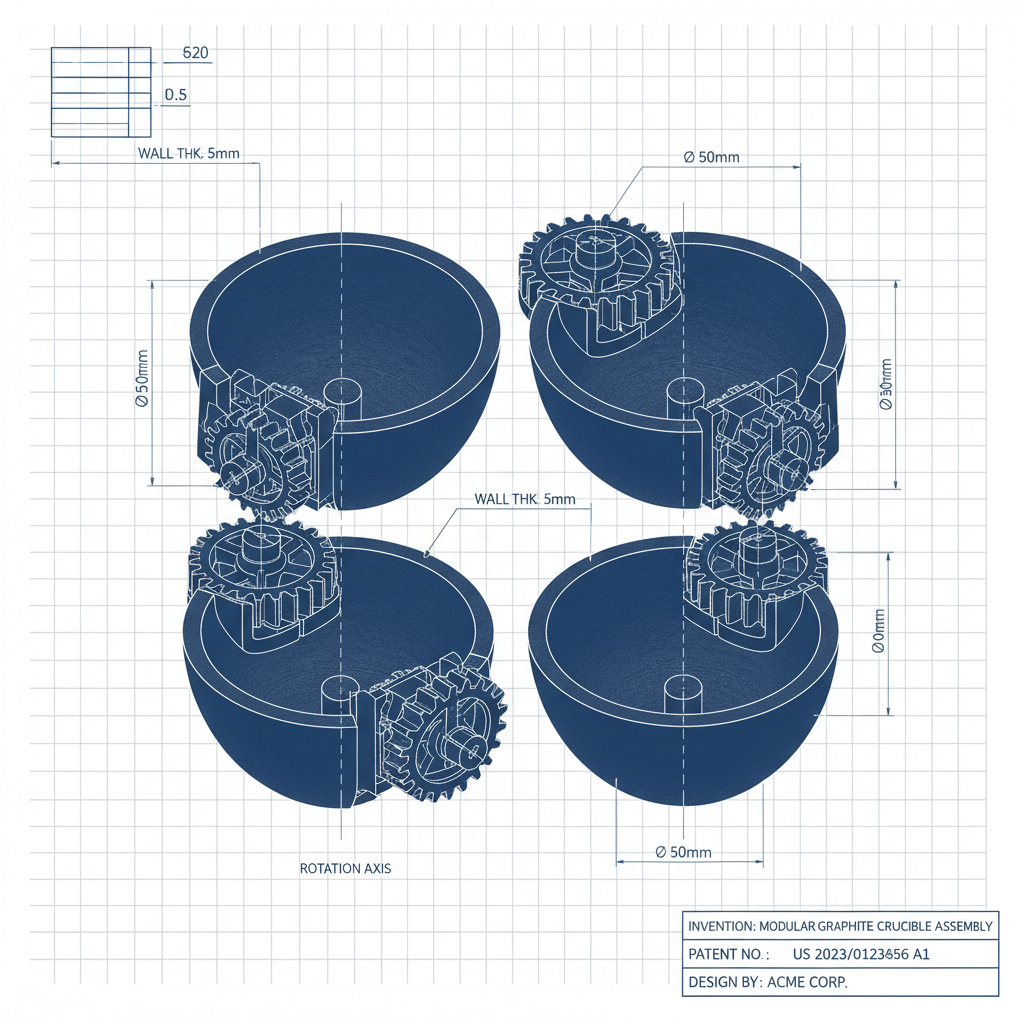
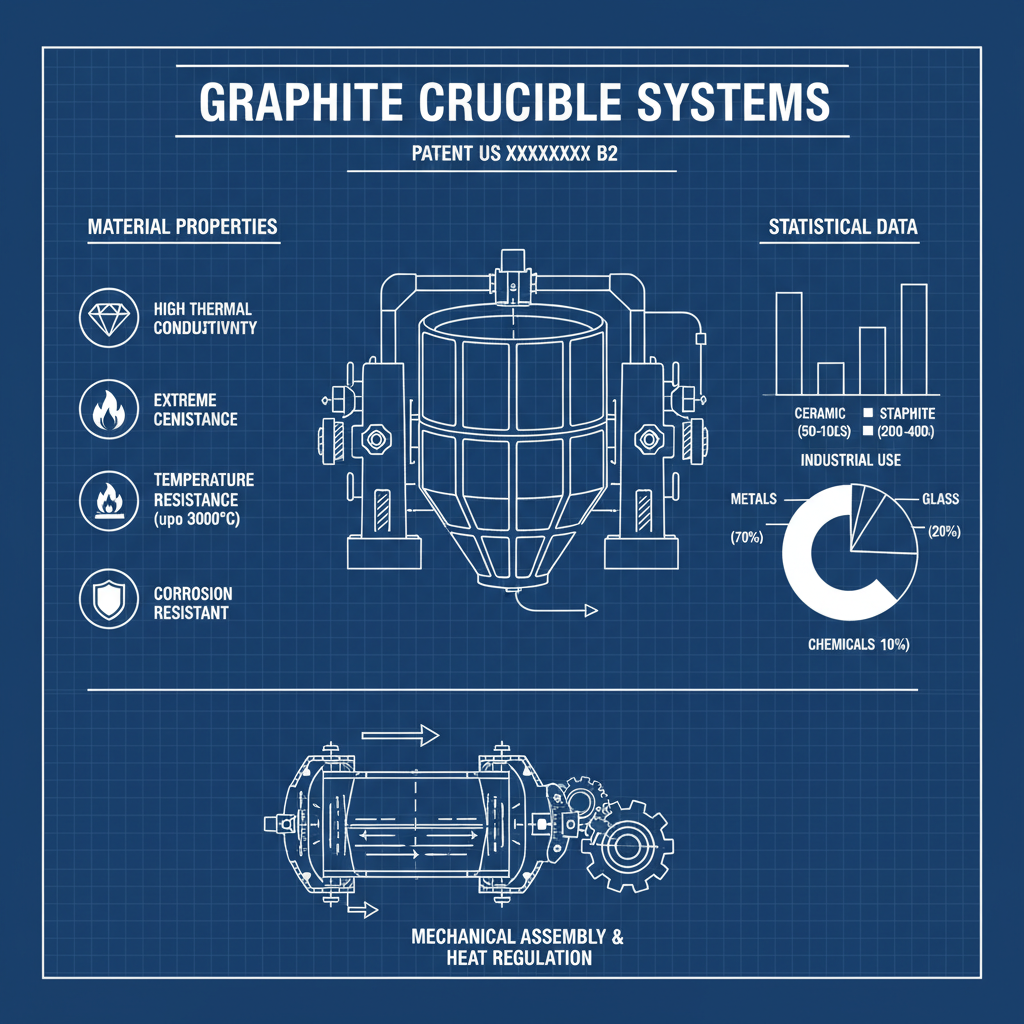
A graphite crucible is a container used to withstand extreme temperatures while melting substances, primarily metals. Graphite’s unique combination of properties makes it ideal for this purpose. It boasts a very high melting point (3,652°C or 6,606°F), low thermal expansion, excellent thermal conductivity, and resistance to chemical attack from most molten metals. This inertness prevents contamination of the melt, ensuring the purity of the final product. Unlike metal crucibles, graphite doesn’t react with molten metals. Furthermore, graphite crucibles offer good shock resistance, crucial during the pouring process.
Key Benefits: High melting point, low thermal expansion, chemical inertness, excellent thermal conductivity, and good shock resistance.
Types of Graphite Crucibles
Graphite crucibles come in several types, each suited for specific applications. The main variations include:
- Clay Graphite Crucibles: These are the most common and cost-effective type, made by mixing graphite with clay as a binder. Suitable for general-purpose melting of non-ferrous metals.
- Silicon Carbide Graphite Crucibles: These crucibles incorporate silicon carbide for increased oxidation resistance and thermal shock resistance. Ideal for melting copper and its alloys.
- Purified Graphite Crucibles: Made with high-purity graphite, these crucibles offer the lowest levels of contamination, essential for applications requiring extremely pure melts like semiconductor materials.
- Graphite with Ceramic Coating: These crucibles have a ceramic coating to further enhance their resistance to oxidation and erosion, extending their lifespan.
Applications of Graphite Crucibles
Graphite crucibles find widespread use across various industries: Foundry: Melting cast iron, steel, and non-ferrous alloys. Precious Metal Refining: Melting gold, silver, platinum, and other precious metals. Materials Science: Conducting high-temperature experiments and research. Laboratory Applications: Used in analytical chemistry and materials testing. Jewelry Making: Casting and melting metals for jewelry production. Single Crystal Growth: Creating single crystal materials with controlled purity and structure. The versatility of graphite crucibles makes them an indispensable part of many manufacturing and research processes.
Graphite Crucible Selection: Key Considerations
Selecting the appropriate graphite crucible is crucial for achieving optimal performance and longevity. Here are some key factors to consider:
- Metal Type: Different metals require different levels of purity and resistance to chemical attack.
- Melting Temperature: Ensure the crucible's temperature rating exceeds the melting point of the metal.
- Furnace Type: Consider the heating method (electric, gas, induction) and atmosphere.
- Crucible Size and Shape: Choose a size and shape that accommodates the desired melt volume and pouring requirements.
- Purity Requirements: Select high-purity graphite crucibles for applications demanding minimal contamination.
Why Choose NL Graphite for Your Crucible Needs?
At NL Graphite, we specialize in the design and manufacture of high-quality graphite crucibles tailored to meet the diverse needs of our clients. We offer a wide range of sizes, shapes, and materials, ensuring you find the perfect crucible for your application. Our commitment to quality, combined with our competitive pricing and expert technical support, makes us a trusted partner for businesses across industries. We utilize advanced manufacturing techniques and rigorous quality control procedures to guarantee the performance and reliability of our products.
Conclusion: Invest in Quality Graphite Crucibles
Choosing the right graphite crucible is an investment in the efficiency and quality of your melting processes. By understanding the different types and considerations outlined in this guide, and partnering with a reputable supplier like NL Graphite, you can ensure optimal performance and maximize your return on investment.
Frequently Asked Questions (FAQs)
How long does a graphite crucible typically last?
The lifespan of a graphite crucible depends heavily on usage conditions, including melting temperature, frequency of use, and the type of metal being melted. Generally, a well-maintained crucible can last anywhere from 50 to 200 melts, or even longer. Regular inspection for cracks, erosion, and signs of oxidation is crucial. Factors like thermal shock and improper handling can significantly shorten its lifespan. Choosing a crucible with appropriate oxidation protection (e.g., silicon carbide coating) can also extend its service life.
What causes graphite crucibles to fail?
Several factors can contribute to graphite crucible failure. Oxidation is a primary cause, especially at high temperatures. Thermal shock, caused by rapid temperature changes, can also lead to cracking. Mechanical damage from improper handling or pouring techniques is another common issue. Finally, chemical attack from certain molten metals or fluxes can erode the graphite material. Selecting a crucible material that is compatible with the molten metal and implementing proper handling procedures are essential for preventing premature failure.
Can graphite crucibles be repaired?
While minor cracks can sometimes be patched with a specialized graphite sealant, extensive damage generally renders a crucible unusable. Repairing a crucible compromises its structural integrity and can lead to catastrophic failure during use. It's crucial to prioritize safety and replace a damaged crucible rather than attempting a repair that might not hold up under high temperatures and stress.
How should graphite crucibles be stored?
Proper storage is essential for prolonging the life of your graphite crucibles. Store them in a dry, well-ventilated area, away from direct sunlight and moisture. Avoid stacking crucibles directly on top of each other, as this can cause damage. Ideally, store them in a protective container or on a padded surface. Keeping them clean and free from dust and contaminants is also important.
 Pervious
 Next
Next