

- Englist



Comprehensive Guide to Pet Coke for Sale Applications and Quality Considerations

Pet Coke for Sale: A Comprehensive Guide
Petroleum coke (pet coke) is a carbon-rich byproduct of oil refining. Widely used as a fuel and raw material in various industries, securing a reliable supply of high-quality pet coke is crucial for many businesses. This article delves into the world of pet coke for sale, covering its applications, quality considerations, and how to source it effectively. We’ll explore the different grades of pet coke available and offer insights into finding a trustworthy supplier.
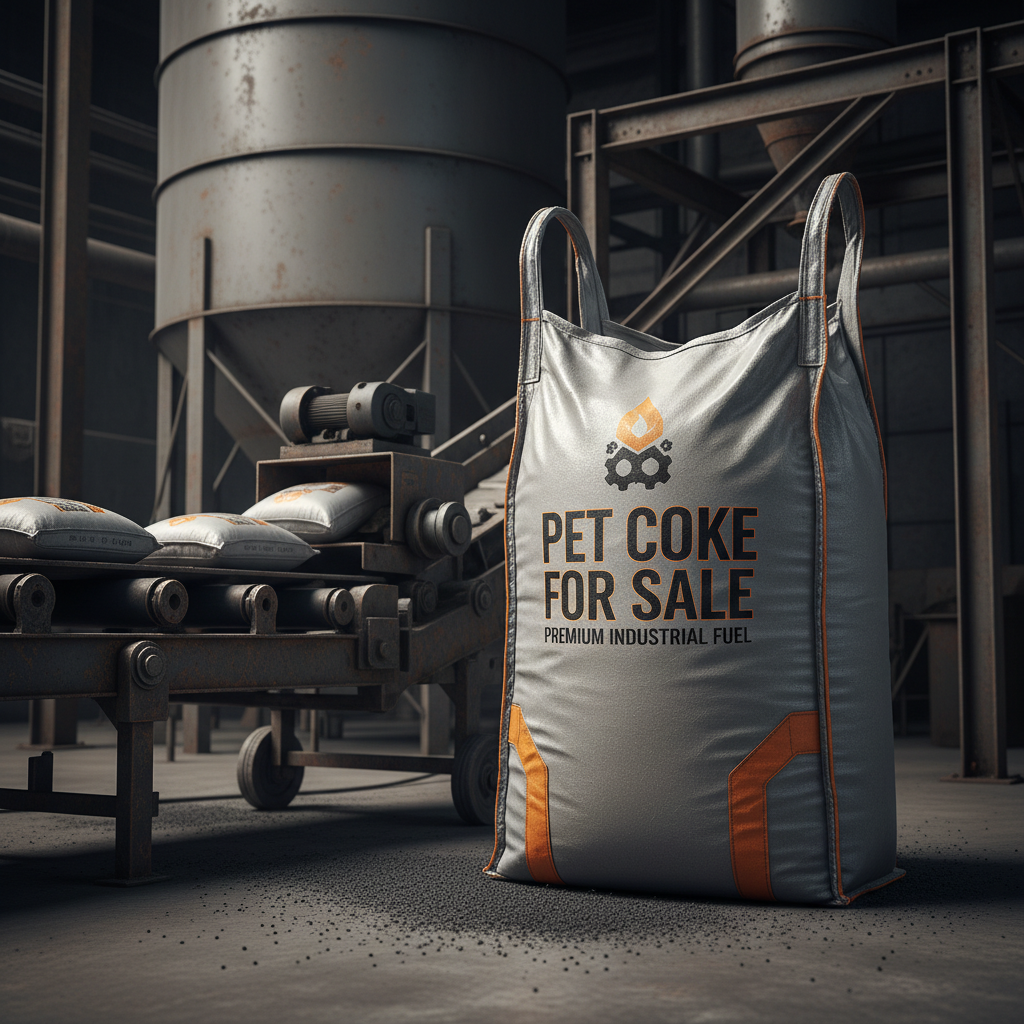
Understanding Pet Coke: Types and Characteristics
Pet coke isn't a one-size-fits-all product. It’s categorized primarily by its sulfur content and form. Delayed coke is produced during the delayed coking process and typically has a higher sulfur content. Fluidized coke is created via fluidized coking, often resulting in a lower sulfur product. Sulfur content significantly impacts the permissible applications and environmental considerations. Beyond sulfur, key characteristics include moisture content, ash content, fixed carbon, and volatile matter. These factors influence its combustion efficiency and suitability for different industrial processes.
Key Highlights: Pet coke is classified by its sulfur content and production method, influencing its application and environmental impact. Careful consideration of characteristics like moisture, ash, and carbon content is vital.
Applications of Pet Coke: A Diverse Range
Pet coke finds its use in a surprising number of industries. The primary use is as a fuel source, particularly in cement plants, power stations, and smelters. Its high calorific value makes it an efficient energy source. Beyond fuel, it's a critical raw material in aluminum production, serving as the carbon source in the smelting process. It's also used in the production of graphite electrodes, titanium dioxide, and as a component in some steelmaking processes. The demand for pet coke remains robust due to its cost-effectiveness and versatile applications.
Key Applications:
• Fuel for cement plants and power stations
• Raw material in aluminum production
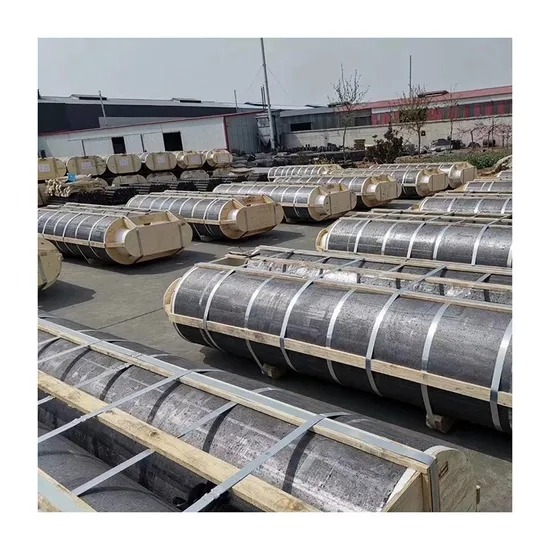
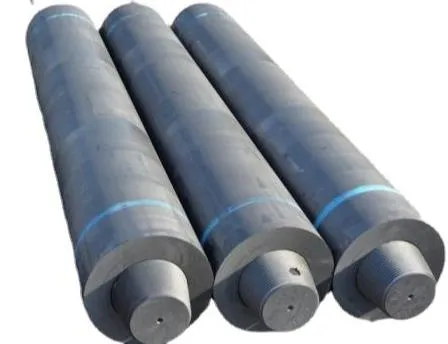
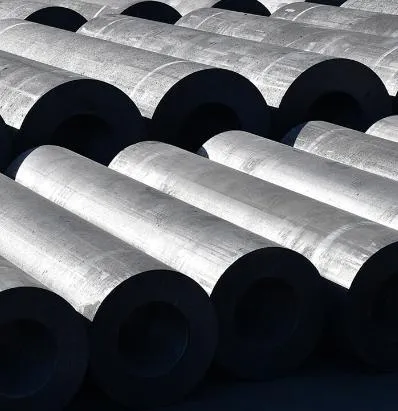
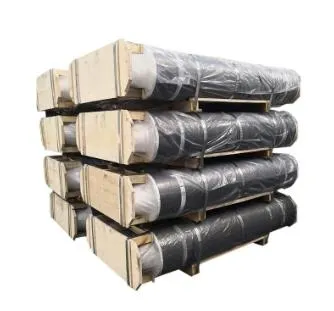
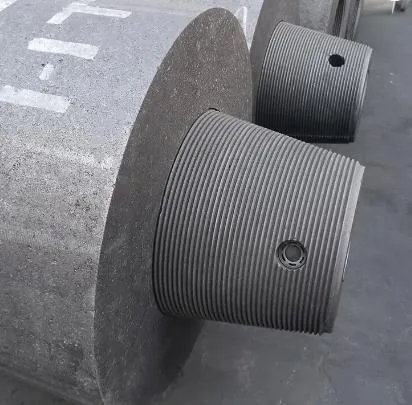
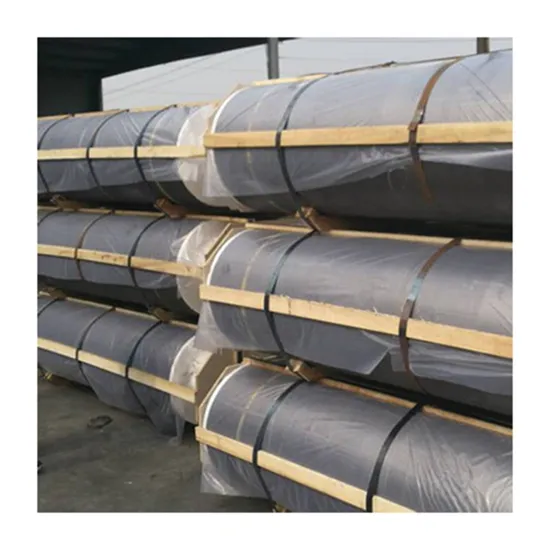
• Production of graphite electrodes
• Component in steelmaking
Pet Coke for Sale: Quality Specifications & Grades
When sourcing pet coke for sale, understanding the different grades and specifications is paramount. The quality can vary significantly based on the refining process and post-processing treatments. Here's a comparison of common grades:
Sourcing Pet Coke: Key Considerations
Choosing the right supplier for pet coke is critical. Prioritize suppliers with a proven track record of consistent quality and reliable supply. Consider their logistical capabilities—can they deliver the quantity you need, when you need it? Request detailed product specifications and certificates of analysis. It's also important to assess their commitment to environmental responsibility and compliance with relevant regulations. A reputable supplier will be transparent about their sourcing and processing practices.
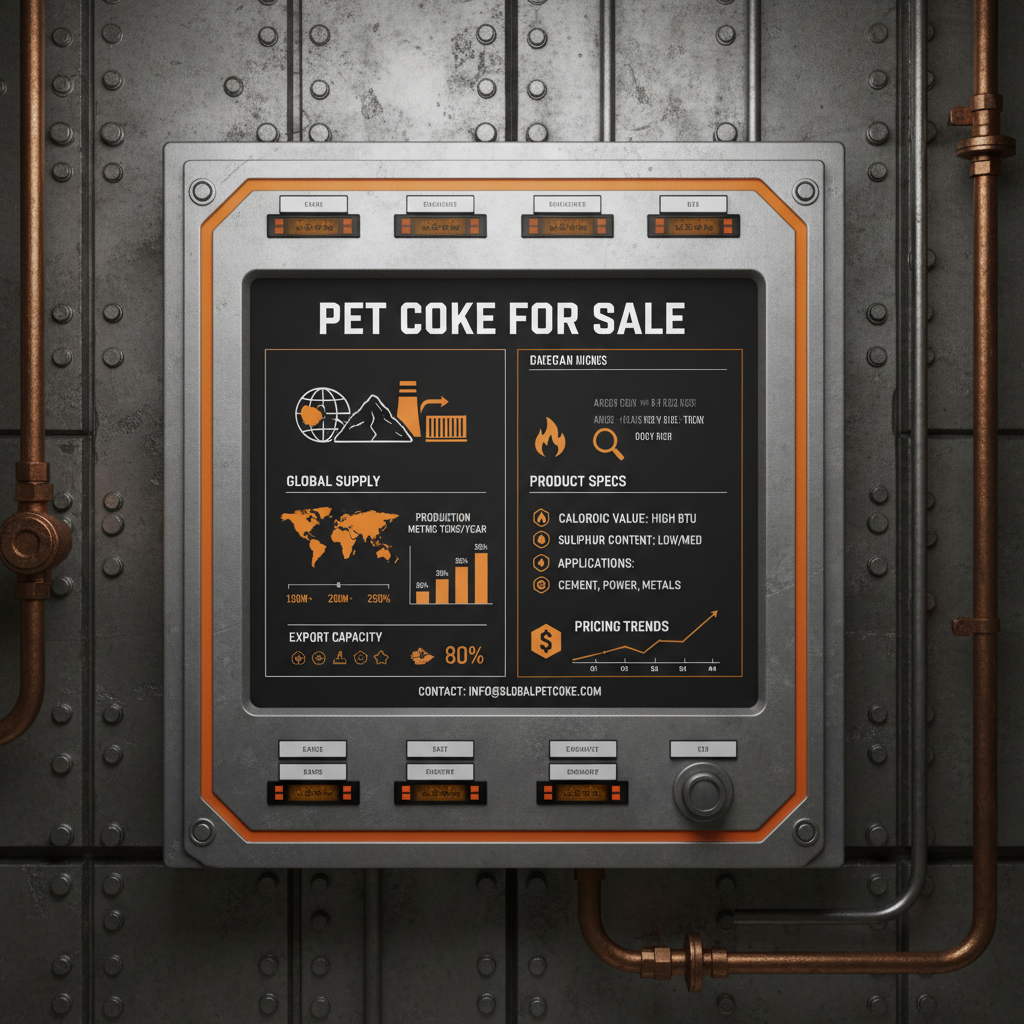
The Future of Pet Coke: Sustainability and Alternatives
The future of pet coke is intertwined with growing environmental concerns. Its high carbon footprint and sulfur content raise questions about its long-term sustainability. Research is ongoing to develop alternative fuels and raw materials. Some industries are exploring the use of biomass, recycled carbon, and other lower-emission alternatives. However, pet coke remains a cost-effective option for many applications, and demand is expected to remain significant in the near to medium term.
Conclusion: Finding the Right Pet Coke Solution
Securing a reliable and high-quality supply of pet coke requires careful consideration of grade, specifications, and supplier reputation. By understanding the nuances of this versatile material and prioritizing responsible sourcing, businesses can optimize their operations while minimizing environmental impact.
Frequently Asked Questions (FAQs)
What are the environmental concerns associated with pet coke?
Pet coke combustion releases greenhouse gases, contributing to climate change. Furthermore, high-sulfur pet coke can emit sulfur dioxide, a pollutant that causes acid rain and respiratory problems. Dust generated during handling and storage can also pose health risks. Responsible sourcing from suppliers who employ dust control measures and consider sulfur content is crucial to mitigate these concerns. Exploring alternative fuels and carbon capture technologies are long-term solutions.
How is pet coke transported?
Pet coke is typically transported in bulk by rail, truck, or ship. Due to its dusty nature, it requires careful handling to prevent spillage and environmental contamination. Specialized covered railcars and trucks are often used to minimize dust emissions during transport. For shipping, it is usually transported in open holds, but precautions are taken to manage dust levels.
What is the typical lead time for ordering pet coke?
Lead times for pet coke orders can vary depending on the supplier, quantity required, and transportation logistics. Generally, lead times range from 2 to 6 weeks. It's advisable to place orders well in advance, especially during peak demand periods, to ensure timely delivery. Confirming lead times with your supplier is critical for production planning.
What safety precautions should be taken when handling pet coke?
Pet coke dust can be irritating to the skin and respiratory system. Workers should wear appropriate personal protective equipment (PPE), including dust masks, gloves, and eye protection. Good ventilation is essential in areas where pet coke is handled. Avoid creating dust clouds during loading and unloading, and implement dust suppression measures where possible. Regular monitoring of air quality is also recommended.
 Pervious
 Next
Next