

- Englist


Comprehensive Guide to Pet Coke Specifications and Industrial Applications

Pet Coke Specifications: A Comprehensive Guide
Petroleum coke, often shortened to "pet coke," is a carbon-rich solid derived from oil refining processes. It's a crucial material in several industries, including aluminum production, steelmaking, and cement manufacturing. Understanding the pet coke specifications is essential for ensuring quality, efficiency, and compliance. This article provides a detailed overview of these specifications, covering key parameters, quality control, and industry standards. We will explore the different grades of pet coke and their applications, helping you make informed decisions for your specific needs. For high-quality pet coke and graphite products, visit NL Graphite.
Understanding Key Pet Coke Specifications
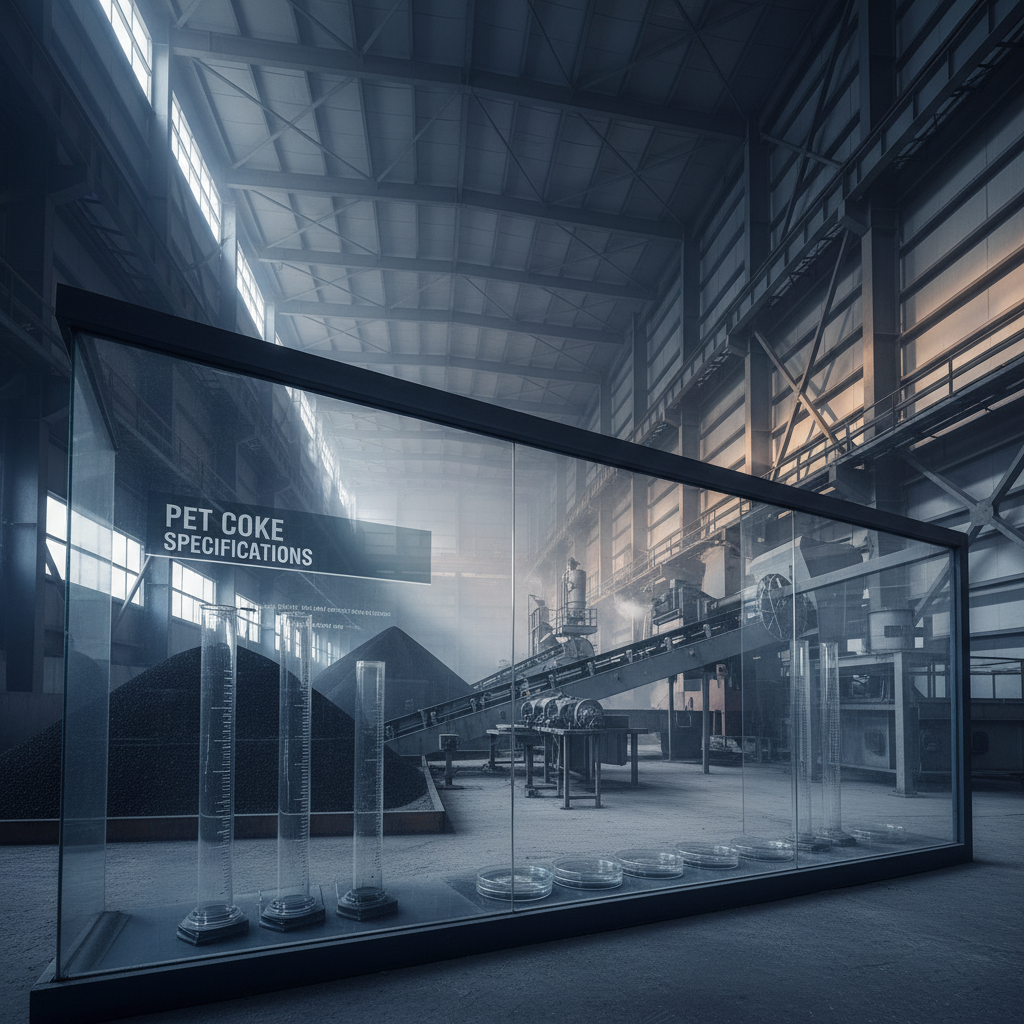
Several factors define the quality and suitability of pet coke for different applications. These pet coke specifications include moisture content, sulfur content, ash content, fixed carbon, volatile matter, and metal content. Moisture content is critical, as high moisture levels reduce heating efficiency and can cause handling problems. Sulfur content is a major concern due to environmental regulations related to sulfur dioxide emissions. Low sulfur content is generally preferred. Ash content represents the non-combustible inorganic material and impacts the calorific value. Fixed carbon is the primary energy-producing component, while volatile matter affects combustion characteristics. Precise control of these parameters is essential.
Key Highlights: Maintaining stringent control over moisture, sulfur, and ash content is paramount for optimal performance and environmental compliance when using pet coke.
Pet Coke Grades and Their Specifications
Pet coke is typically categorized into different grades based on its sulfur content and intended application. The primary grades are Metallurgical Coke (Met Coke) and Anode Coke. Met Coke is used in the steelmaking industry as a reducing agent, while Anode Coke is specifically manufactured for aluminum production. The pet coke specifications differ significantly between these grades. Anode coke requires exceptionally low sulfur content and high purity, while Met Coke has slightly more relaxed requirements. Understanding the grade is crucial for selecting the right material for your process. NL Graphite provides a range of pet coke grades tailored to diverse industrial needs.
Grade Comparison:
• Met Coke: Typically used in steelmaking, sulfur content up to 2%
• Anode Coke: Specifically for aluminum production, sulfur content below 0.5%
• Fuel Grade Coke: Used for power generation, higher sulfur content permitted.
Detailed Pet Coke Specifications Table
The following table provides a comprehensive overview of typical pet coke specifications for different grades. These values can vary slightly depending on the supplier and specific customer requirements.
Quality Control and Testing of Pet Coke
Rigorous quality control is essential throughout the pet coke production and supply chain. This includes sampling and testing at various stages, from the refinery to the end-user. Common testing methods include proximate analysis (determining moisture, volatile matter, ash, and fixed carbon), ultimate analysis (determining elemental composition), and sulfur analysis. NL Graphite employs stringent quality control procedures to ensure that all pet coke products meet or exceed industry standards.

Industry Standards and Regulations for Pet Coke
The pet coke industry is subject to various standards and regulations designed to ensure quality, safety, and environmental compliance. These include ASTM standards (American Society for Testing and Materials) and ISO standards (International Organization for Standardization). Environmental regulations regarding sulfur emissions are also crucial, particularly for fuel-grade pet coke. Staying informed about these standards and regulations is vital for both suppliers and consumers.
Conclusion: Ensuring Quality Through Precise Pet Coke Specifications
Understanding pet coke specifications is crucial for optimizing industrial processes, ensuring environmental compliance, and maximizing the value of this vital resource. By selecting the appropriate grade of pet coke and working with a reputable supplier like NL Graphite, you can guarantee consistent quality and reliable performance.
Frequently Asked Questions (FAQs)
What is the impact of moisture content on pet coke performance?
High moisture content in pet coke reduces its heating value and can lead to handling problems such as sticking and caking. It also increases the energy required for drying, reducing overall process efficiency. Moisture can also contribute to corrosion in combustion equipment. Therefore, maintaining low moisture content, typically below 5%, is critical for optimal performance, particularly in metallurgical applications. Consistent specifications regarding moisture are vital for maintaining a stable and efficient industrial process.
How does sulfur content affect pet coke's suitability for different applications?
Sulfur content is a key determinant of pet coke's suitability for specific applications. Anode coke used in aluminum production requires extremely low sulfur levels (below 0.5%) to prevent damage to the electrolytic cells. Met coke used in steelmaking can tolerate higher sulfur content (up to 2%), but regulations on sulfur dioxide emissions are increasingly strict. Fuel-grade coke may have even higher sulfur levels, but this impacts its environmental footprint. Understanding the sulfur content and its implications for emissions is crucial for compliance and sustainability.
What are the common testing methods used to verify pet coke specifications?
Common testing methods include proximate analysis (to determine moisture, volatile matter, ash content, and fixed carbon), ultimate analysis (to determine the elemental composition - carbon, hydrogen, sulfur, nitrogen, oxygen), and sulfur analysis using techniques like combustion or X-ray fluorescence. Particle size distribution is also often tested, particularly for applications requiring specific handling or combustion characteristics. These tests are typically performed in accredited laboratories following established ASTM or ISO standards.
 Pervious
 Next
Next