

- Englist



Comprehensive Guide to Petcoke Production Processes and Industrial Applications

Petcoke Production: A Comprehensive Overview
Petcoke, or petroleum coke, is a carbon-rich solid material derived from oil refining processes. It's a crucial component in various industrial applications, including aluminum production, steelmaking, and the manufacturing of electrodes. Understanding petcoke production, its types, and quality parameters is essential for businesses relying on this versatile material. This article will explore the petcoke production process, the different grades available, key applications, and factors influencing its market dynamics. We'll delve into the intricacies of sourcing high-quality petcoke to meet your specific industrial needs.
The Petcoke Production Process: From Refining to Finished Product
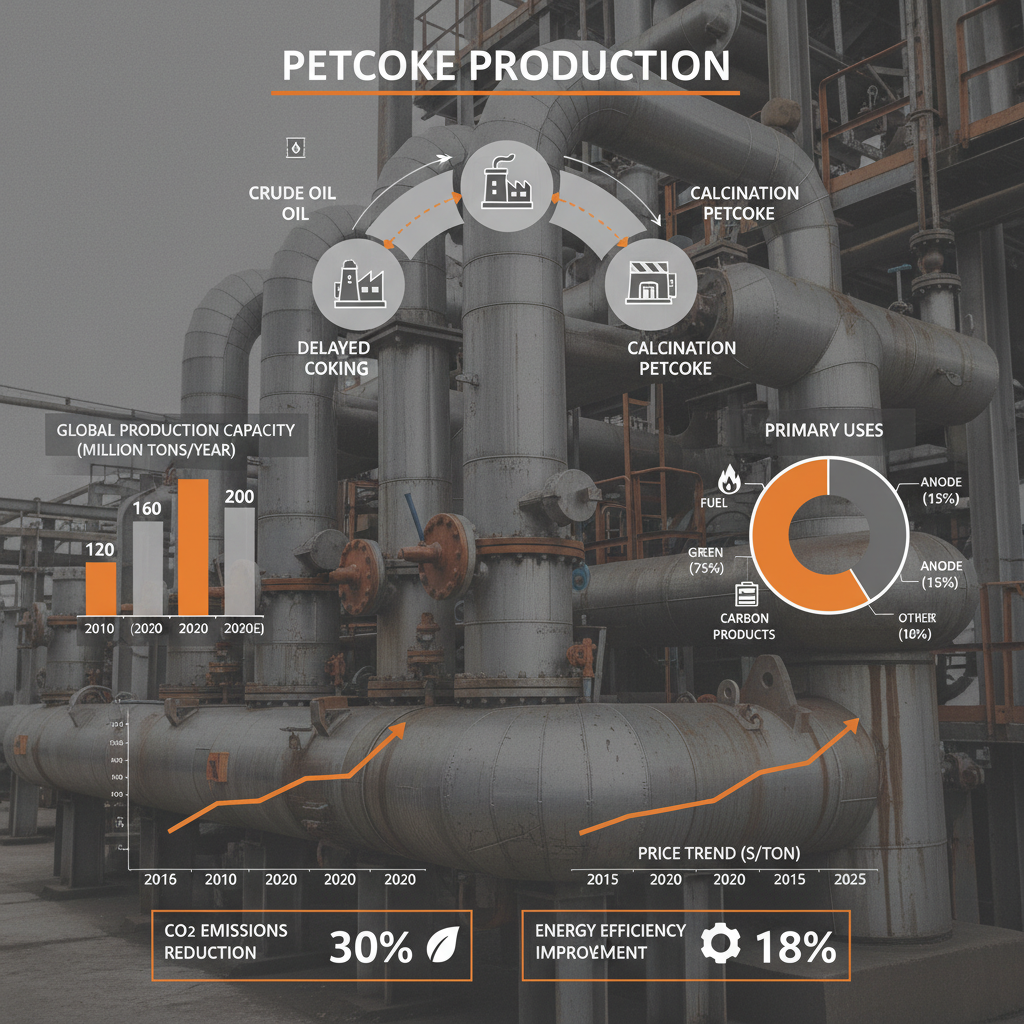
Petcoke is a byproduct of the delayed coking process, a critical step in oil refining. During delayed coking, heavy residual oil is heated to extremely high temperatures, breaking down large hydrocarbon molecules into simpler forms. This process results in a solid carbon residue - petcoke – and lighter, more valuable fuels like gasoline and diesel. The raw petcoke undergoes further processing, including quenching, crushing, screening, and sometimes calcining, to achieve the desired properties. Calcining, in particular, removes volatile components, increasing the carbon content and reducing sulfur levels. The quality of the crude oil feedstock significantly impacts the final petcoke characteristics.
Key Production Stages: The process begins with delayed coking, followed by quenching to solidify the petcoke. Crushing and screening determine the particle size, while calcining enhances purity and carbon content.
Understanding Different Grades of Petcoke
Petcoke isn't a one-size-fits-all material. It's categorized into different grades based on its properties, primarily sulfur content and metal content. The two main types are: Green Petcoke, which hasn't undergone calcining and typically contains higher levels of moisture and volatile matter; and Calcined Petcoke (CPC), which has been heated to remove impurities, resulting in a higher carbon content and lower sulfur levels. CPC is preferred for applications requiring high purity, such as aluminum production. Choosing the right grade is crucial for optimizing performance and minimizing environmental impact.
Petcoke Grade Comparison:
• Green Petcoke: Higher moisture, volatile matter, and sulfur content.
• Calcined Petcoke (CPC): Lower moisture, volatile matter, and sulfur content; higher carbon content.
• Applications: Green petcoke for fuel applications; CPC for metallurgical and chemical processes.
Key Applications Driving Petcoke Demand
The primary driver of petcoke demand is the aluminum industry, where it serves as the primary carbon source in the smelting process. It's also extensively used in steelmaking as a charge material and in the production of titanium dioxide pigment. Furthermore, petcoke finds application in the manufacturing of electrodes, as a fuel source in cement kilns, and in various other industrial processes. Demand fluctuates based on global economic activity and the production levels of these key industries. The increasing focus on sustainable practices is also influencing the demand for lower-sulfur CPC grades.
Factors Influencing Petcoke Quality and Pricing
Several factors determine the quality and pricing of petcoke. The crude oil feedstock used in the refining process has a significant impact, as does the efficiency of the delayed coking unit. Sulfur content is a primary determinant of price, with lower-sulfur CPC commanding a premium. Transportation costs also play a crucial role, as petcoke is typically shipped in bulk. Global supply and demand dynamics, geopolitical factors, and environmental regulations all contribute to price fluctuations. Working with a reliable supplier like NL Graphite is vital for securing consistent quality and competitive pricing.
Sourcing Petcoke: Key Considerations for Buyers
When sourcing petcoke, it's essential to consider several factors. Specify your required grade (Green or CPC) and purity levels based on your application. Verify the supplier’s quality control processes and certifications. Obtain detailed specifications sheets, including chemical analysis and particle size distribution. Assess the supplier’s logistical capabilities and ensure reliable delivery. Finally, consider the supplier's commitment to sustainable practices and responsible sourcing. Partnering with an experienced supplier like NL Graphite can streamline the sourcing process and ensure you receive a high-quality product.
Conclusion: The Future of Petcoke
Petcoke remains a critical industrial material, and understanding its production, grades, and applications is essential for informed purchasing decisions. As industries evolve and prioritize sustainability, the demand for high-quality, low-sulfur petcoke will continue to grow. Partnering with a trusted supplier like NL Graphite will provide you with the expertise and reliability you need to navigate this dynamic market.
Frequently Asked Questions (FAQs)
What is the typical sulfur content in calcined petcoke?
The sulfur content in calcined petcoke (CPC) typically ranges from 1% to 5%, although lower sulfur grades are available depending on the refining process and further treatment. The sulfur content is a critical quality parameter, as it impacts the performance of CPC in applications like aluminum smelting. Lower sulfur content generally leads to higher efficiency and reduced environmental emissions. Specific sulfur content requirements will vary based on the end-use application and industry standards.
How is petcoke transported?
Petcoke is typically transported in bulk by sea, rail, or truck. Due to its dusty nature, it's usually shipped in covered railcars or vessels to prevent contamination and environmental issues. For smaller quantities, it may be transported in bags or bulk bags. Proper handling and containment are crucial during transportation to minimize dust emissions and ensure safety. The choice of transportation method depends on the distance, volume, and specific logistical requirements.
What are the environmental concerns associated with petcoke?
The main environmental concern associated with petcoke is dust emissions during handling and transportation. Petcoke dust can contribute to air pollution and pose respiratory health risks. Additionally, the sulfur content in petcoke can lead to sulfur dioxide emissions when burned. Responsible handling practices, including dust suppression measures and the use of low-sulfur CPC, are essential to mitigate these environmental impacts. Regulations governing petcoke handling and emissions vary by region.
 Pervious
 Next
Next