

- Englist


Comprehensive Guide to Selecting Reliable Petcoke Suppliers for Your Business

Finding Reliable Petcoke Suppliers: A Comprehensive Guide
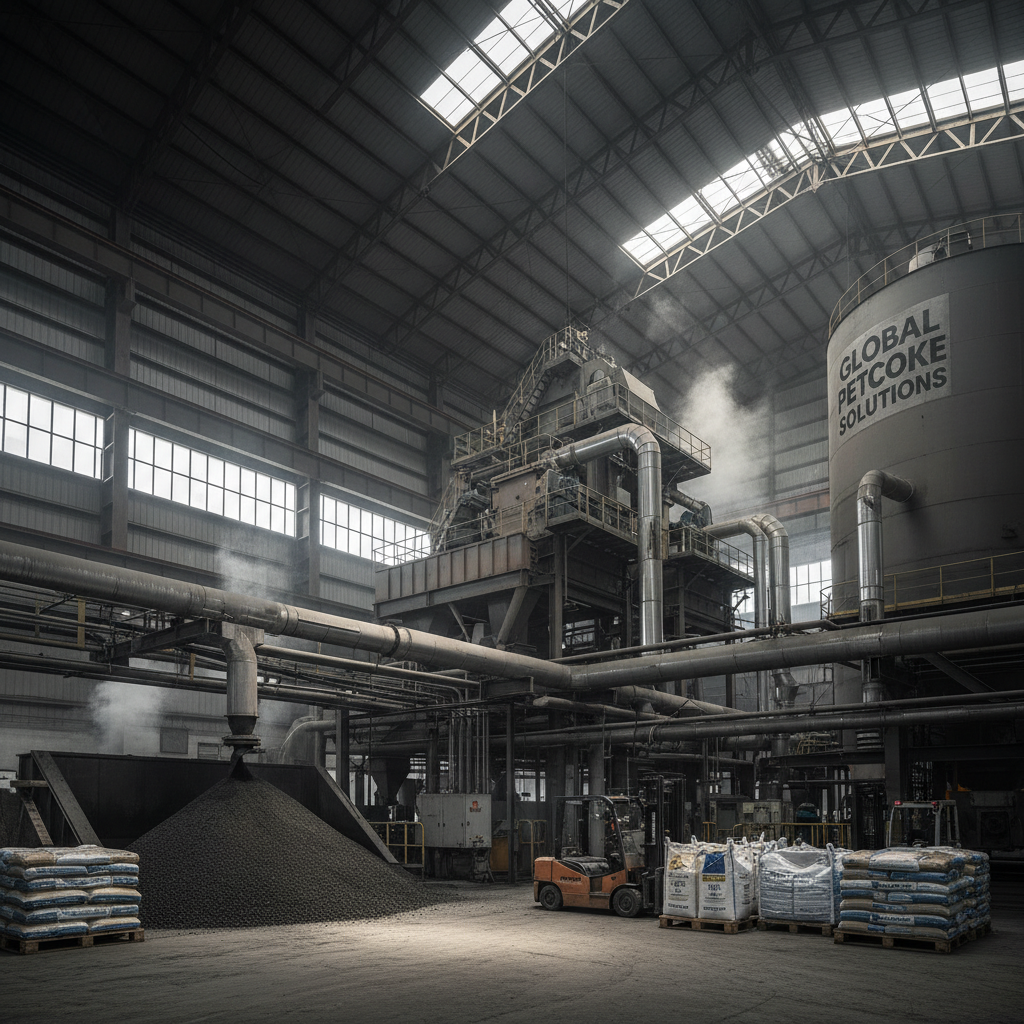
Petcoke, a byproduct of oil refining, is a crucial fuel and industrial material used in various sectors like cement production, aluminum smelting, and power generation. Sourcing high-quality petcoke from dependable petcoke suppliers is paramount for operational efficiency and cost-effectiveness. This article delves into the key considerations when choosing a supplier, quality control measures, global market trends, and how NL Graphite stands out as a trusted provider. We'll explore what to look for in a petcoke supplier and the factors impacting the petcoke market today.
Key Considerations When Selecting Petcoke Suppliers
Choosing the right petcoke supplier involves more than just price. Reliability, quality consistency, and logistical capabilities are crucial. A supplier's financial stability and commitment to ethical sourcing practices are also important. Look for suppliers with a proven track record, transparent operations, and a robust quality control system. Consider their capacity to meet your specific volume requirements and their ability to provide timely deliveries. Furthermore, assess their responsiveness to your inquiries and their willingness to offer technical support. A strong relationship with your petcoke supplier can streamline your operations and minimize potential disruptions.
Key Highlights: Prioritize reliability, quality, logistical capabilities, and ethical sourcing when evaluating petcoke suppliers. A strong supplier relationship can significantly impact your operational efficiency.
Understanding Petcoke Grades and Specifications
Petcoke isn’t a one-size-fits-all commodity. It comes in various grades depending on its sulfur content, moisture levels, and particle size. Common grades include High Sulfur Petcoke (HSPC) and Low Sulfur Petcoke (LSPC). HSPC is generally used in cement production, while LSPC is favored in aluminum smelting due to its lower environmental impact. Understanding your application's specific requirements is crucial for selecting the appropriate grade. Specifications regarding fixed carbon content, ash content, and volatile matter are also vital to ensure consistent performance. Always request a detailed product specification sheet from potential petcoke suppliers.
Petcoke Grade Comparison:
• HSPC: High Sulfur content, used in cement production.
• LSPC: Low Sulfur content, preferred in aluminum smelting.
• Key Specs: Fixed carbon, ash content, volatile matter, moisture.
Global Petcoke Market Trends & Supply Chain Dynamics
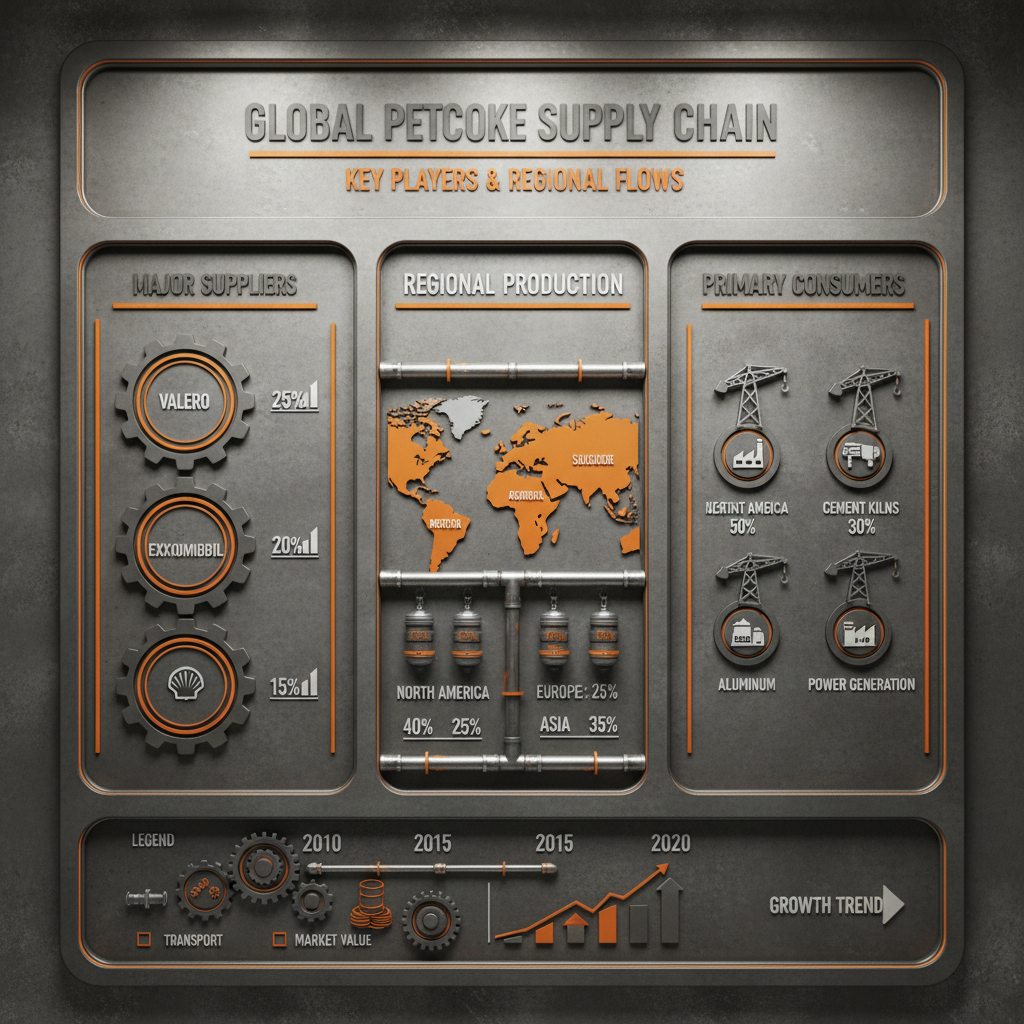
The global petcoke market is influenced by several factors, including crude oil prices, refinery capacity, and environmental regulations. Demand from key industries like cement and aluminum drives market fluctuations. Geographically, the US and China are major players in both petcoke production and consumption. Supply chain disruptions, such as port congestion and transportation bottlenecks, can significantly impact prices and availability. Staying informed about these trends is crucial for effective procurement planning. Monitoring geopolitical events and changes in environmental policies can help anticipate potential challenges and secure a stable supply of petcoke. Choosing petcoke suppliers with diversified sourcing options can mitigate risk.
Why Choose NL Graphite as Your Petcoke Supplier?
NL Graphite is a leading provider of high-quality petcoke, committed to reliable supply and exceptional customer service. We offer a comprehensive range of petcoke grades to meet diverse industrial needs. Our rigorous quality control processes ensure consistent product specifications, and our strategically located facilities enable efficient logistics and timely deliveries. We prioritize sustainable sourcing practices and adhere to the highest ethical standards. Furthermore, our experienced team provides technical support and tailored solutions to optimize your petcoke usage. With a dedication to innovation and customer satisfaction, NL Graphite is your trusted partner for all your petcoke requirements.
Quality Control Measures Employed by Reputable Petcoke Suppliers
Reputable petcoke suppliers implement stringent quality control measures throughout the entire process, from sourcing to delivery. This includes rigorous testing of raw materials, monitoring of production processes, and final product analysis. Key parameters assessed include sulfur content, moisture levels, ash content, fixed carbon, and volatile matter. Suppliers often utilize third-party inspection agencies to verify product quality and ensure compliance with industry standards. Detailed Certificates of Analysis (COA) should be provided with each shipment, documenting the results of these tests. Maintaining consistent quality is crucial for preventing operational issues and ensuring the reliability of your processes.
Conclusion: Securing a Reliable Petcoke Supply
Choosing the right petcoke supplier is a critical decision for businesses reliant on this essential material. By carefully considering factors like quality, reliability, logistical capabilities, and market trends, you can secure a stable supply of petcoke and optimize your operational efficiency. NL Graphite stands ready to partner with you, offering high-quality petcoke, exceptional service, and a commitment to your success.
Frequently Asked Questions (FAQs)
What is the typical lead time for petcoke orders?
Lead times for petcoke orders can vary depending on the quantity, destination, and current market conditions. Generally, for standard orders, a lead time of 2-4 weeks is typical. However, larger or more complex orders may require longer lead times. Factors such as port congestion, transportation availability, and supplier inventory levels can also influence delivery times. NL Graphite strives to provide accurate lead time estimates and efficient logistics to ensure timely deliveries. Proactive communication and close coordination with our logistics team can help minimize potential delays.
What payment terms do petcoke suppliers typically offer?
Common payment terms in the petcoke industry include Letter of Credit (LC), Telegraphic Transfer (TT), and sometimes open account terms for established customers. The specific terms offered may depend on the supplier, the customer's creditworthiness, and the volume of the order. LCs provide the highest level of security for both parties, while TTs are often used for smaller transactions or with trusted partners. It's crucial to clarify the payment terms upfront and ensure they align with your company's financial policies. NL Graphite offers flexible payment options to accommodate our customers' needs.
How can I ensure the petcoke meets my specific quality requirements?
To ensure the petcoke meets your specific quality requirements, it's essential to clearly communicate your specifications to the supplier and request a detailed Certificate of Analysis (COA) with each shipment. Independent third-party testing can also provide additional assurance. Establish a clear quality control protocol and inspect the petcoke upon arrival to verify compliance with the agreed-upon specifications. Regular communication with your petcoke supplier and prompt reporting of any quality issues are crucial for maintaining a consistent supply of high-quality material.
What are the environmental considerations when using petcoke?
Petcoke combustion can generate sulfur dioxide (SO2) emissions, which contribute to air pollution. Therefore, using low-sulfur petcoke (LSPC) or implementing emission control technologies is crucial for minimizing environmental impact. Responsible petcoke suppliers prioritize sustainable sourcing practices and offer LSPC options. Proper handling and storage of petcoke are also important to prevent dust emissions and water contamination. Adhering to environmental regulations and best practices is essential for responsible petcoke utilization.
 Pervious
 Next
Next