

- Englist



Comprehensive Guide to Tube of Graphite: Uses, Benefits & Industry Insights

Understanding the Tube of Graphite: A Modern Industrial Marvel
Graphite tubes, or simply a tube of graphite, might not be the household term you hear every day. Yet, these sleek cylindrical components play a pivotal role in industries globally — from high-temperature furnaces to aerospace engineering. But why should you care about graphite tubes, anyway? Well, these components offer a unique mix of resilience, conductivity, and thermal stability that simply isn’t matched by many alternatives. Understanding this can unlock insights into some of the most demanding applications on the planet, whether in energy, manufacturing, or emerging green technologies.
Global Context: Why the Tube of Graphite Matters Now More Than Ever
Globally, graphite consumption was valued at over $13 billion in 2023, with demand growing yearly, according to the International Organization for Standardization (ISO). The challenge? Industries increasingly need materials that withstand extreme temperatures, corrosive environments, and rapid thermal cycling without compromising performance. Graphite tubes fit this bill. They’re central in the production of semiconductors, renewable energy components, and even space exploration gear.
In real terms, countries investing heavily in clean energy (like the EU and China) rely on these graphite products for manufacturing fuel cells and battery components. Oddly enough, the humble graphite tube is quietly powering the transition to a more sustainable future.
What Exactly Is a Tube of Graphite?
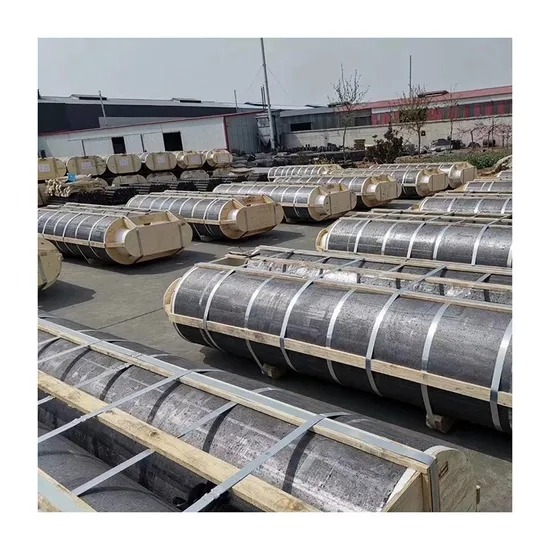
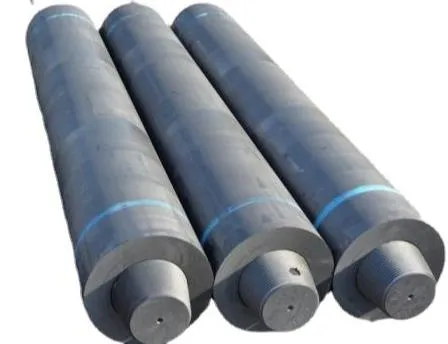
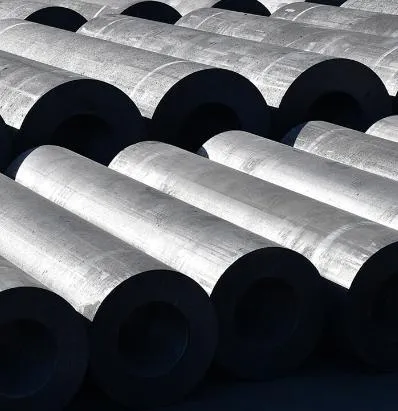
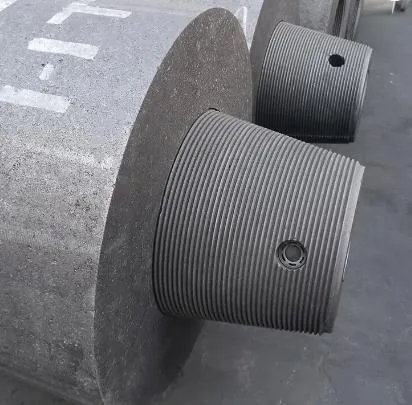
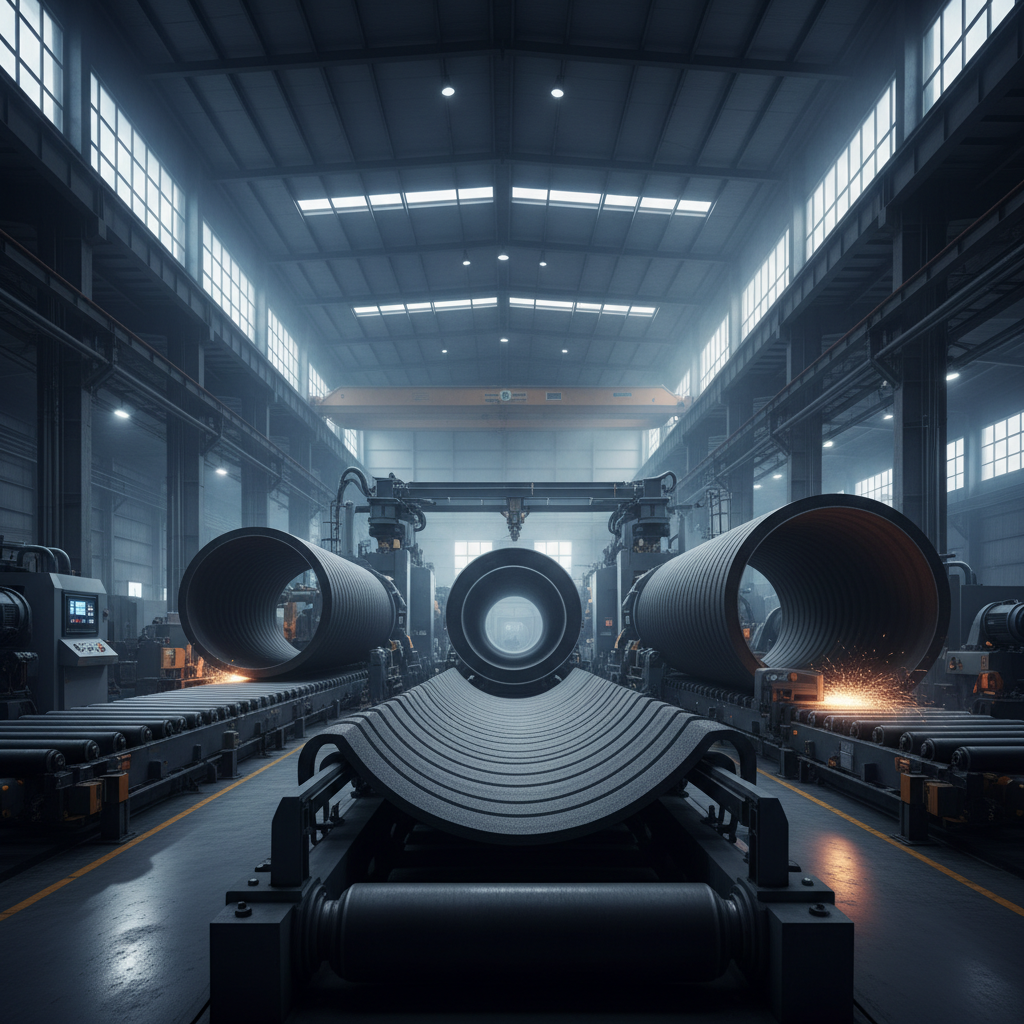
At its core, a tube of graphite is a hollow cylindrical piece made from crystallized carbon arranged in a layered lattice. This structure gives graphite its trademark strength, heat tolerance, and electrical conductivity. Picture it as a heat-resistant pipe that can channel either electrical currents or hot gases without degrading.
More than just pipes, these tubes support modern industry’s demand for durable and reliable components. They’re integral in equipment where metal tubes would fail — think thermal processing in metallurgy, or precision coating in technology manufacturing.
The Key Properties of Graphite Tubes That Drive Their Use
- High Thermal Stability: Graphite tubes tolerate temperatures beyond 3000°C in inert atmospheres, making them ideal for furnace linings and high-heat environments.
- Excellent Electrical Conductivity: Useful in electrodes and high-temperature electrical components.
- Chemical inertness: Resistant to most chemicals and corrosive gases, extending lifespan in harsh applications.
- Lightweight yet Durable: Weighing less than comparable metal tubes, they reduce system load while maintaining strength.
- Customizable Dimensions: Available in various diameters and wall thicknesses, enabling tailored solutions for niche industrial needs.
Mini takeaway: These traits collectively position graphite tubes as indispensable in industries where durability and precision meet challenging operating conditions.
Global Applications of Graphite Tubes: Where and How They Shine
Industrially, graphite tubes find a diverse range of uses:
- Semiconductor Manufacturing: Used in chemical vapor deposition (CVD) processes to produce extremely pure silicon wafers in East Asia’s tech hubs.
- Energy Sector: In fuel cells and battery technology, notably in Japan and South Korea, graphite tubes serve as durable, energy-efficient components.
- Metallurgical Furnaces: Europe’s steel plants use graphite tubes as heating elements to achieve precise temperature control during smelting.
- Scientific Research: Universities and labs employ these tubes in high-temperature experiments or vacuum chambers.
One interesting case: During post-disaster recovery phases, equipment using graphite tubes offers faster restoration of essential manufacturing lines due to reduced maintenance needs, enhancing community resilience.
Advantages & Lasting Value of the Tube of Graphite
Tangibly, the benefits stack up:
- Cost-efficiency: Longer lifetime and lower failure rates reduce downtime and replacement expenses.
- Sustainability: Graphite is naturally abundant and recyclable — a boon to environmental ambitions.
- Reliability: Consistency in performance means safer processes and higher product quality.
- Innovation enabler: Their properties open doors to advanced manufacturing techniques and new applications.
On a more human note, workers gain a measure of safety knowing their equipment won’t unexpectedly fail under extreme conditions. Plus, industries that innovate — with graphite tubes at their heart — fuel economic growth, delivering dignity and opportunities to communities worldwide.
Product Specification Table: Typical Tube of Graphite
| Specification | Value / Range |
|---|---|
| Diameter | 10 mm - 500 mm |
| Wall Thickness | 2 mm - 20 mm |
| Max Operating Temperature | Up to 3000°C (in inert atmosphere) |
| Density | 1.7 - 1.9 g/cm³ |
| Electrical Conductivity | ~1.6 × 10^4 S/m |
| Chemical Resistance | High (resistant to acids, alkalis) |
Vendor Comparison: Leading Suppliers of Graphite Tubes
| Supplier | Product Range | Custom Sizing | Price Level | Global Shipping |
|---|---|---|---|---|
| NL Graphite | Extensive (10-500 mm) | Yes (fast turnaround) | Moderate | Worldwide |
| GraphiteCo | Medium (20-300 mm) | Limited | High | Regional (Asia/Europe) |
| CarboTech | Wide (5-450 mm) | Yes | Competitive | Global |
Looking Ahead: Future Trends & Innovations
Graphite tubes aren’t standing still. Frankly, the integration of nanotechnology and the push for greener manufacturing is accelerating the development of ultra-pure, more durable graphite materials. Researchers at institutions such as MIT and Tsinghua University are working on coatings that further reduce oxidation — extending tube life in oxygen-rich environments.
Meanwhile, the rise of electric vehicles, hydrogen fuel cells, and renewable energy storage means demand will only rise. Automated manufacturing using AI-driven quality control promises even more consistent graphite tubes. In addition, increasing recycling initiatives reflect the material’s sustainable potential.
Common Challenges and How Experts Overcome Them
Graphite’s porous nature sometimes leads to mechanical fragility under shock or vibration — a problem especially in aerospace or automotive uses. But solutions include impregnating tubes with resin or silicon carbide coatings.
Supply chain disruptions, ironically, can delay procurement, but partnered vendors like NL Graphite offer inventory buffering and customized logistics to keep projects on track.
FAQ: Your Questions About Tube of Graphite, Answered
- What makes graphite tubes better than metal tubes for high-temperature use?
- Graphite tubes resist temperatures up to 3000°C without melting or losing structural integrity, unlike metals which often oxidize or deform at lower temps. This makes them ideal for furnace linings and electrode applications where extreme heat is routine.
- Can graphite tubes be customized to specific sizes or wall thicknesses?
- Yes. Suppliers like NL Graphite provide tailored sizing with quick turnarounds to meet precise industrial requirements, ensuring exact fits for specialized equipment.
- Are graphite tubes sustainable and recyclable?
- Graphite is naturally abundant and recyclable through thermal treatment processes. Using graphite tubes can reduce reliance on scarce metals, aligning well with environmental sustainability goals.
- How long do graphite tubes typically last in industrial settings?
- Durability varies, but with proper maintenance and operating conditions, graphite tubes can last several years—often longer than comparable metal alternatives—reducing downtime and replacement costs.
- Is shipping graphite tubes internationally complicated?
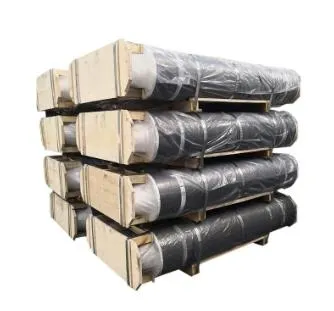
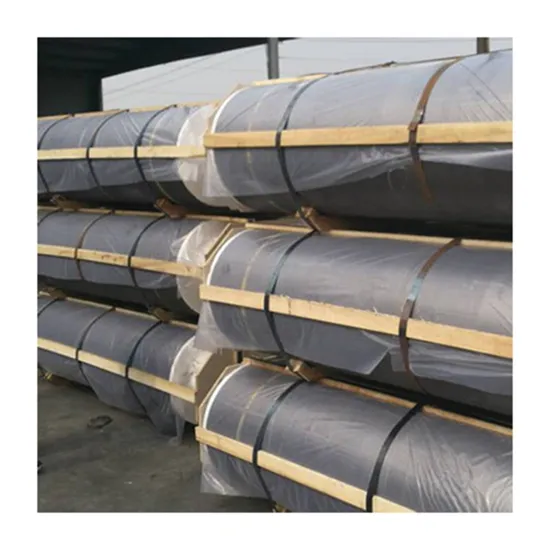
- Not necessarily. Thanks to robust packaging and supply chain expertise, many vendors including NL Graphite handle global shipping smoothly, even amid current logistical challenges.
Conclusion: Why Embracing the Tube of Graphite Pays Off
In summary, the humble tube of graphite is no mere commodity — it’s a linchpin of modern industry, quietly enabling innovation, sustainability, and high-performance manufacturing worldwide. From semiconductor fabs in Asia to steel plants in Europe and clean energy hubs worldwide, its benefits are tangible and lasting.
If you’re curious to explore the full range of graphite tubes or seek expert guidance on your next industrial project, I’d urge you to visit NL Graphite. Frankly, understanding and leveraging this material intelligently could be a game changer for your operations.
Takeaway: Sometimes, it’s the simplest forms of carbon that forge the future’s most complex tech.
References:
1. Wikipedia: Graphite
2. ISO Standards and Graphite Materials
3. World Bank Energy Sector Data
 Pervious
 Next
Next