

- Englist



Graphite Tube Manufacturer: Essential Guide to Industrial Innovations & Applications

Understanding the Graphite Tube Manufacturer: Backbone of Advanced Industrial Solutions
In an era where industries relentlessly push for materials that are both high-performing and sustainable, the role of a graphite tube manufacturer can hardly be overstated. Oddly enough, while often overshadowed by flashier tech, graphite tubes quietly underpin crucial sectors — from high-temperature furnaces to aerospace engineering. Grasping what these manufacturers do, why their products matter globally, and the benefits they bring can open a window into a fascinating intersection of materials science, manufacturing, and global economic trends.
Introduction: The Global Context of Graphite Tube Manufacturing
Graphite components rank among the essential industrial materials worldwide due to their unique properties like thermal conductivity, chemical resistance, and electrical conductivity. According to ISO standards and market reports, the demand for advanced graphite products has grown by nearly 5% annually over the past decade, driven by sectors such as electronics, steel production, and renewables. Yet, the worldwide graphite supply chain faces challenges, including resource scarcity and environmental concerns.
Here’s where the expertise of graphite tube manufacturers shines: they don’t just craft a product, but help solve high-temp material challenges while adapting to more sustainable, efficient processes. This balance is critical when industries require durable yet eco-conscious solutions. For instance, the growing push for green energy technologies also fuels demand for high-quality graphite tubes used in components like fuel cells and solar power equipment.
What is a Graphite Tube Manufacturer?
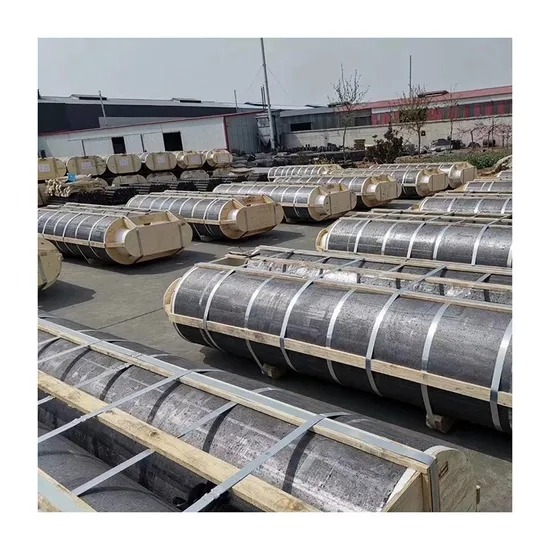
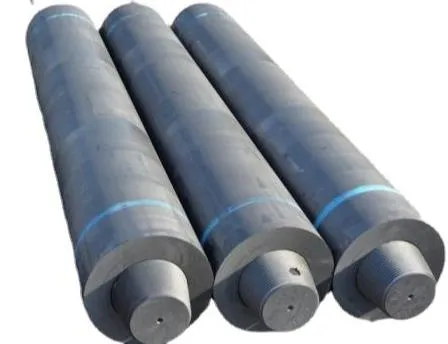
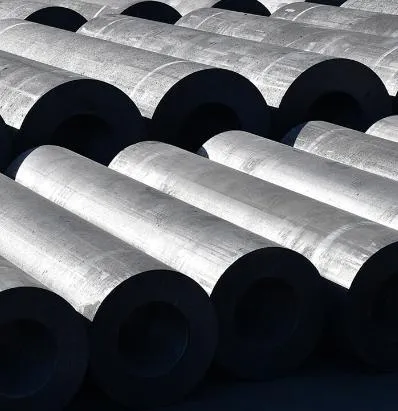
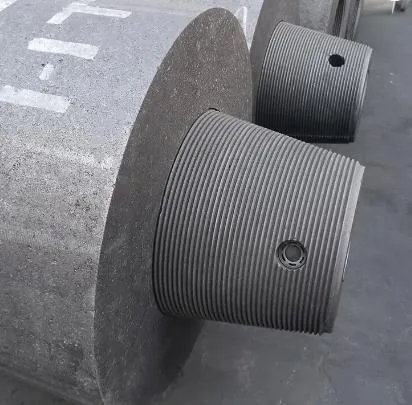
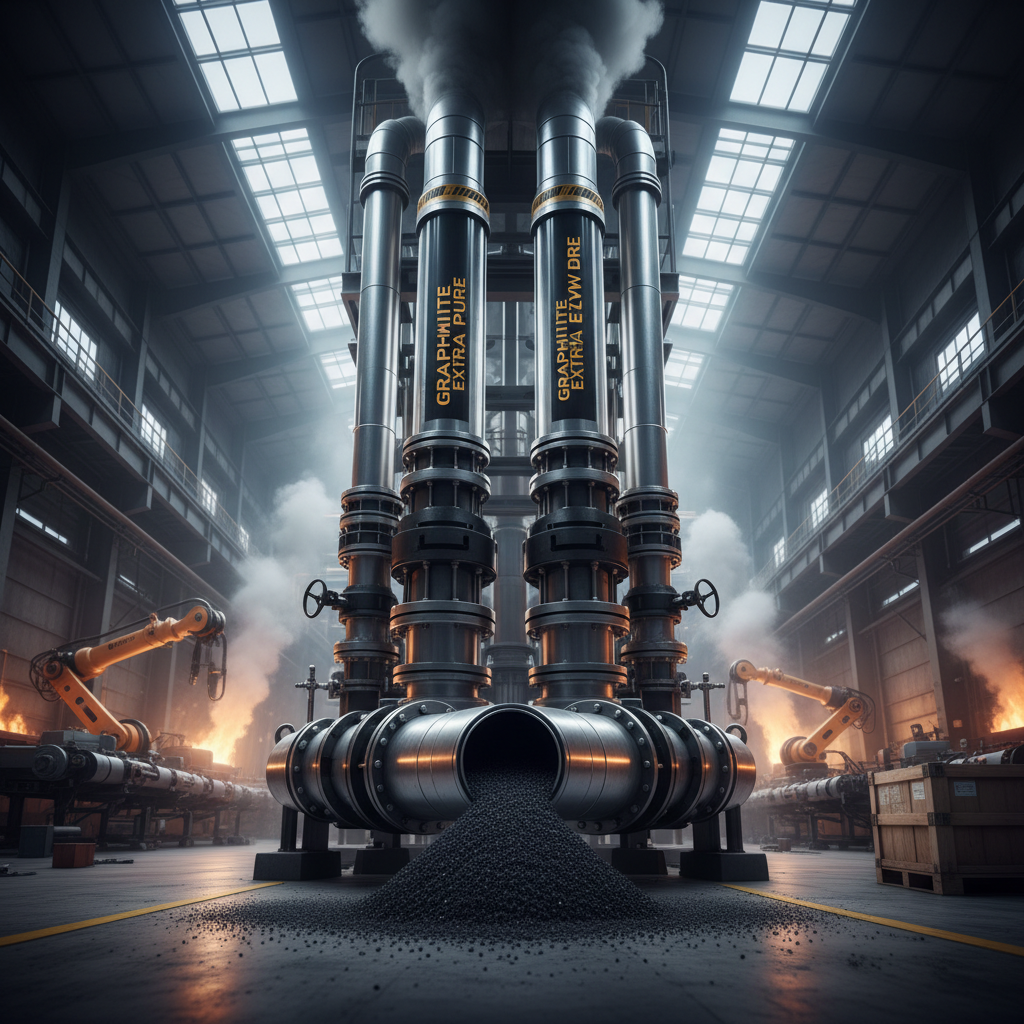
A graphite tube manufacturer is a specialized company or entity that designs, fabricates, and supplies tubes made from graphite—a form of carbon known for extraordinary thermal and chemical properties. These tubes are integral in environments demanding exceptional heat resistance, electrical conductivity, and inertness. Think of them as the silent workers inside electric arc furnaces, semiconductor equipment, or research labs.
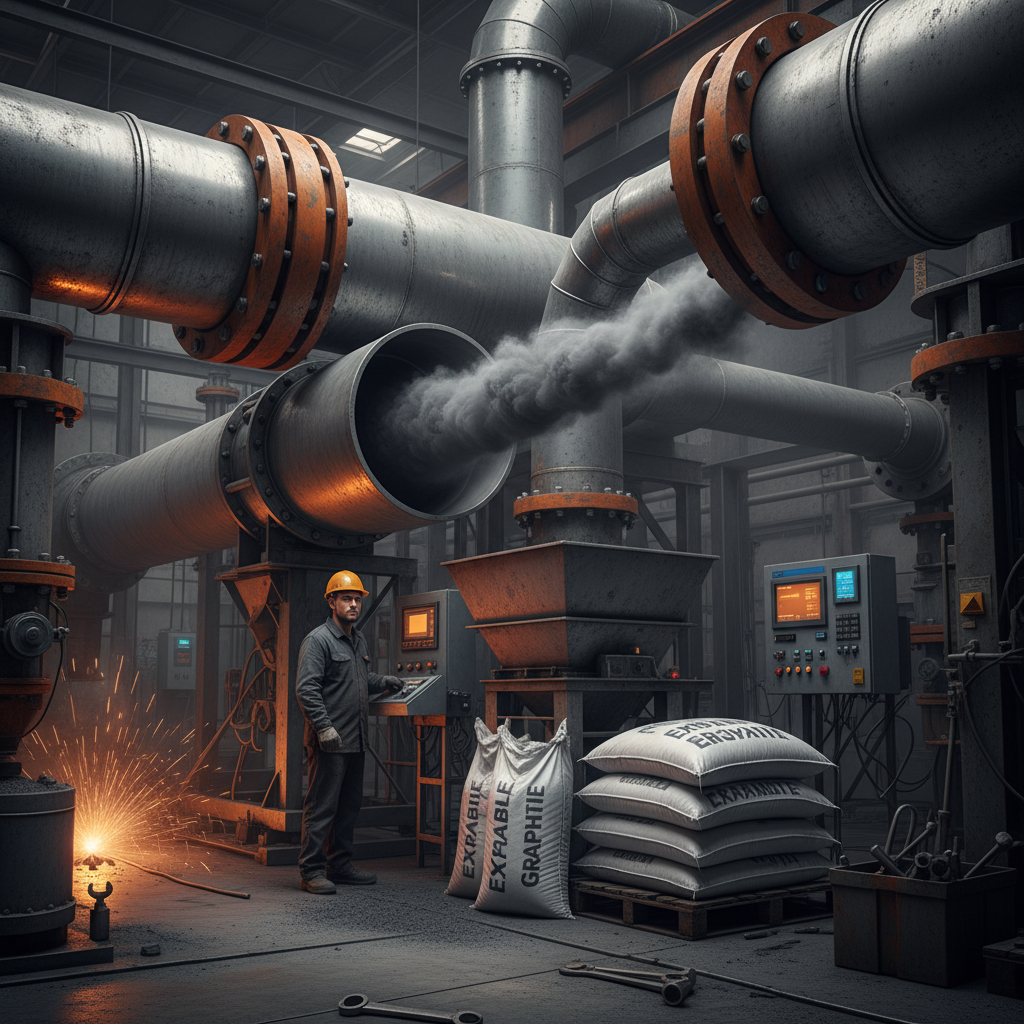
These manufacturers oversee everything from selecting raw graphite material, machining precise dimensions, to quality assurance and sometimes bespoke engineering for client-specific applications. Their work bridges raw carbon materials and the highly technical industries that rely on precision-engineered graphite tubes.
Key Factors Behind Graphite Tube Manufacturing
1. Material Purity and Quality
The purity of graphite used directly impacts thermal and mechanical performance. Top-tier manufacturers source ultra-pure, fine-grain graphite to ensure heat resistance and minimal contamination.
2. Durability and Thermal Resistance
Graphite tubes must withstand extreme temperatures — often exceeding 2,000°C — without deforming or reacting chemically. Effective manufacturers optimize thermal expansion properties and structural integrity.
3. Precision Engineering & Scalability
Clients demand tubes with tight tolerances and consistency. Automating processes and investing in CNC machining enable manufacturers to scale production without compromising quality.
4. Cost Efficiency
Balancing quality with cost is tricky; manufacturers implement lean production and optimize material usage to remain competitive, especially given global pressures on raw graphite pricing.
5. Customization Capabilities
Graphite tubes often must fit highly specialized equipment. Flexible design services—from various diameters to unique lengths and coatings—stay vital.
Mini Takeaway:
Graphite tube manufacturers merge deep material expertise with engineering precision, enabling high-performance, reliable products that meet rigorous industrial standards.
Global Applications & Use Cases
The reality is, graphite tubes find themselves at the heart of many industries but in places you might not expect. For example:
- High-Temperature Furnaces: Steel, glass, and semiconductor industries rely heavily on graphite tubes to line furnace chambers.
- Aerospace & Defense: Specialized graphite tubes are used in heat shields, inert gas delivery, and advanced propulsion systems.
- Renewable Energy: Fuel cells and solar thermal systems use graphite components to improve efficiency and lifespan.
- Research Labs & Electronics: Precision graphite tubes moderate vacuum and chemical environments in sensitive equipment worldwide.
In regions like East Asia, Europe, and North America, industrial zones often collaborate with local manufacturers to customize tubes for cutting-edge applications—tight integration encouraging innovation.
Advantages & Long-Term Value of Graphite Tube Manufacturing
Beyond the obvious technical durability, investing in products from reputable graphite tube manufacturers carries several enduring benefits:
- Cost-effectiveness: Long lifespan under extreme conditions reduces replacement frequency and downtime.
- Sustainability: Graphite’s recyclability and less energy-intensive manufacturing offer an eco-friendly edge compared to metals.
- Reliability & Safety: Consistent quality ensures operational safety in critical environments, protecting human lives and assets.
- Innovation Catalyst: Their adaptability supports rapid prototyping and new technology adoption, fostering industry evolution.
Product Specifications of Typical Graphite Tubes
| Specification | Typical Value | Units |
|---|---|---|
| Purity | 99.8 | % |
| Max Operating Temp. | 2500 | °C |
| Thermal Conductivity | 150-200 | W/m·K |
| Density | 1.75 | g/cm³ |
| Typical Length Range | 100 - 2000 | mm |
Comparing Leading Graphite Tube Manufacturers
| Manufacturer | Production Capacity | Customization | Lead Time | Sustainability Focus |
|---|---|---|---|---|
| NL Graphite | High | Extensive | 4-6 Weeks | Strong |
| Furnax Corp. | Medium | Moderate | 6-8 Weeks | Moderate |
| CarbonX | Low | Selective | 8-10 Weeks | Emerging |
Future Trends & Innovations in Graphite Tube Manufacturing
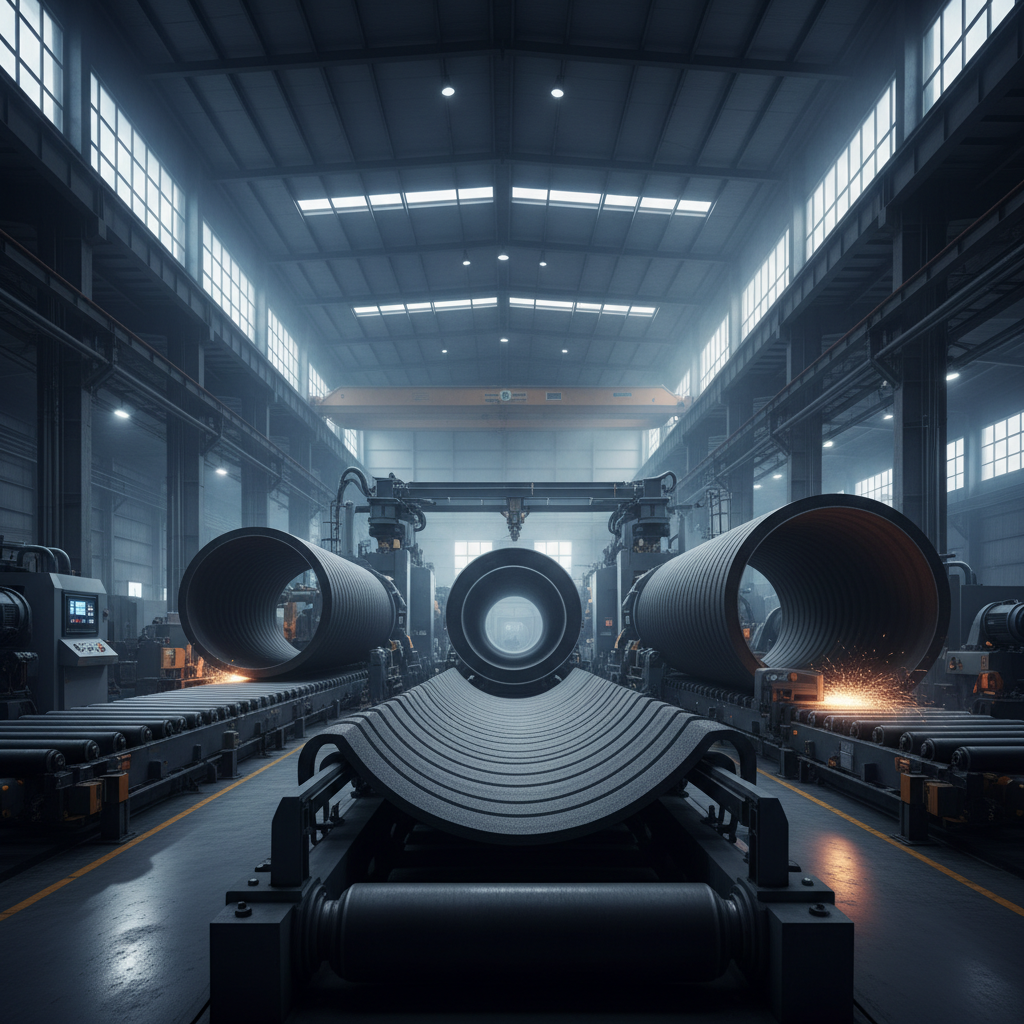
We’re entering an age that demands not just better, but smarter and greener products. Digitization is reshaping graphite tube manufacturing — automated CNC machining, real-time quality control with AI-based sensors, and 3D printing experimentation are starting to emerge. The integration of nanomaterials and coatings to enhance oxidation resistance also promises to push product lifetimes even further.
Moreover, the ongoing global focus on sustainability goals means manufacturers are increasingly pressured to source graphite ethically and reduce carbon footprints. Some pioneers in the field are partnering closely with mining companies to ensure responsible graphite sourcing, while improving energy efficiency during production — a win-win for industry and planet.
Challenges & How Manufacturers Address Them
There’s no hiding the hurdles, though. Key challenges include:
- Raw Material Volatility: Fluctuations in graphite supply can strain production schedules and cost management.
- Environmental Regulations: Graphite powder dust and emissions require strict controls, increasing operational complexity.
- Customization Demands: Increasingly complex customer needs strain the limits of traditional manufacturing lines.
To overcome these, savvy graphite tube manufacturers innovate their supply chains, adopt cleaner tech, and invest heavily in R&D for modular machine tooling that handles design variations more fluidly. Frankly, it feels like the companies that master digital transformation while keeping a keen eye on sustainability will lead the pack.
Frequently Asked Questions About Graphite Tube Manufacturers
- What makes graphite tubes superior for high-temperature applications?
- Graphite’s intrinsic thermal stability, high melting point (over 3,600°C), and low thermal expansion enable tubes to operate reliably under extreme heat, where metals often fail or oxidize.
- How do graphite tube manufacturers ensure product quality?
- They employ rigorous quality control measures, including material purity verification, dimensional accuracy using CNC systems, and stress testing under simulated operating conditions.
- Can graphite tubes be customized for specific industrial needs?
- Absolutely. Most manufacturers offer tailored dimensions, coatings (like silicon carbide), and treatments to meet precise customer specifications, enhancing performance in various environments.
- Is sourcing graphite tubes globally complicated?
- Sourcing involves logistics and compliance challenges, but trusted manufacturers cooperate with international distributors and provide technical support to simplify global procurement.
- What sustainability practices exist in graphite tube manufacturing?
- Users can expect recycled graphite use, energy-efficient processes, emission controls, and ethical sourcing standards to minimize environmental impact.
Conclusion & Call to Action
The world’s industries silently lean on the expertise of graphite tube manufacturers more than most people realize. They’re critical enablers of progress — from steelmaking and electronics production to green energy innovations — all while adapting to the evolving demands of sustainability and precision engineering. In real terms, choosing the right manufacturer means investing in reliability, cost efficiency, and forward-thinking craftsmanship.
If you’re interested in exploring high-quality graphite tube solutions crafted with decades of expertise, visit https://www.nlgraphite.com. Discover how innovation and tradition combine to power your performance needs.
Reflection
Graphite tube manufacturing, while niche, is a fascinating example of how material science quietly propels so many major industries forward. The blend of old-school craftsmanship with cutting-edge automation, wrapped in sustainability concerns, offers a glimpse into the future of manufacturing itself.
References
 Pervious
 Next
Next