

- Englist



Comprehensive Guide to Water Soluble Graphite Powder for Industry & Innovation

Water Soluble Graphite Powder: Unlocking New Possibilities Globally
If you’ve never stumbled upon water soluble graphite powder before, don’t worry — it's one of those subtly powerful materials quietly shaping industries worldwide. From improving manufacturing processes to enabling innovations in sustainable technology, its global relevance is surprisingly broad. Understanding what this powder is, and why it matters now, equips engineers, environmentalists, and industry leaders to tackle some age-old problems with fresh solutions.
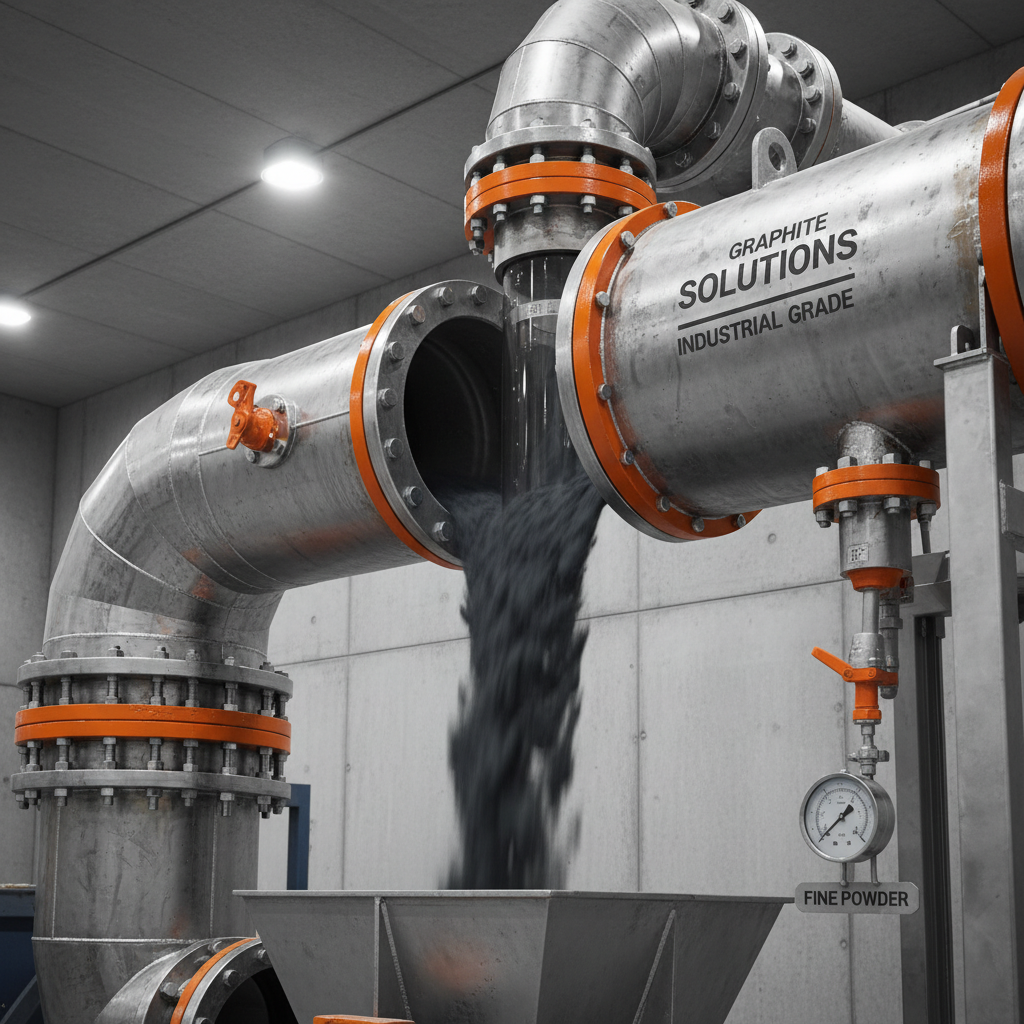
In essence, water soluble graphite powder offers a fluid-friendly, fine-grained form of graphite that disperses easily in liquids. This characteristic unlocks applications where traditional graphite’s hydrophobic nature would simply not work well — think lubricants, conductive inks, or even cutting-edge battery technologies.
Mini takeaway: Water soluble graphite powder is a unique form of graphite accelerating innovation by blending durability with aqueous compatibility, a key stepping stone for many modern industries.
Why Water Soluble Graphite Powder Matters Globally
Globally, industrial processes increasingly lean on sustainable and efficient materials. According to the International Graphite Association and the latest ISO standards, the demand for cost-effective and ecologically friendly conductive materials has risen steadily — roughly 4.5% CAGR in graphite powders over the last five years. And this growth is set to continue as sectors like electronics, energy storage, and lubrication push the limits of traditional materials.
Yet many industries face a challenge: how to incorporate graphite without the mess or incompatibility posed by its dry, flake-like form. Water soluble graphite powder elegantly solves this by dispersing readily in water, reducing waste, improving process control, and even cutting emissions indirectly by facilitating better manufacturing techniques.
Frankly, I've noticed that companies adopting this powder praise how it simplifies logistics and handling, making their processes not only more robust but also cleaner.
Understanding Water Soluble Graphite Powder
Put simply, water soluble graphite powder is a form of graphite engineered to be finely ground and chemically treated or coated so it dissolves or uniformly disperses in water-based systems. Unlike standard graphite powder, it doesn’t clump and repels moisture poorly — it embraces it.
This distinction has made the powder a staple in various critical modern applications — from enhancing the lubricity of aqueous fluids to acting as a conductive agent in printing inks or batteries, where water-based systems are preferred for environmental reasons.
In humanitarian terms — you might wonder why graphite at all? Well, many emergency energy storage solutions and water purification methods increasingly rely on graphite’s unique properties, now made accessible thanks to water solubility.
Core Aspects of Water Soluble Graphite Powder
1. Dispersion & Stability
At the heart of its use is how easily it mixes in water without sedimentation. This keeps applications consistent, especially when automated systems expect uniform fluid properties over extended periods.
2. Conductivity
Graphite’s natural electrical conductivity is pivotal, especially in developing flexible electronic components or conductive coatings that rely on water-based carriers to meet environmental regulations.
3. Lubrication Efficiency
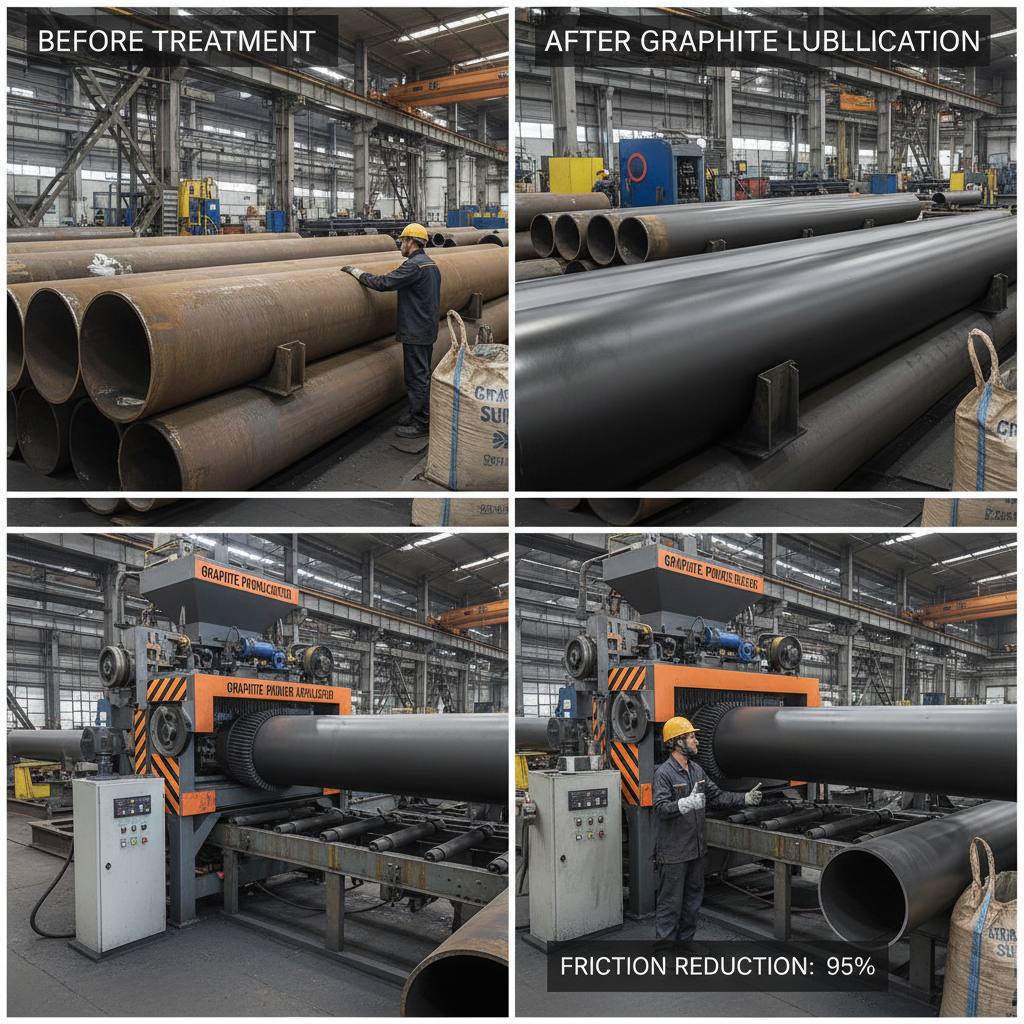
Integrated in water-based lubricants, this powder reduces friction and wear admirably, crucial in machinery or transportation sectors aiming for longer service life with minimal oil use.
4. Environmental Compatibility
Being water soluble means it sidesteps many disposal issues linked to oil-based additives. This makes cleanup easier and reduces pollutant risk in aquatic environments.
5. Cost & Scalability
Though slightly pricier than some raw graphite powders, the overall process savings and performance boost often justify the cost, especially when scaled in industrial volumes.
Mini takeaway:
- Dispersion ensures consistent quality.
- Conductivity opens doors to electronics & energy.
- Lubrication and eco friendliness align with modern sustainability goals.
Global Applications and Real-World Scenarios
Industries in Europe, North America, and Asia are increasingly adopting water soluble graphite powder. For instance, in Japan’s automotive sector, it improves water-based lubricants used in assembly lines, reducing oil smoke and maintenance downtime.
In post-disaster zones — say after a major flood or earthquake — water soluble graphite aids in rapid, mobile energy storage setups for medical or communication devices, where dry powders couldn’t be administered easily. NGOs appreciate its safe handling and reliable performance.
Meanwhile, in industrial regions of Germany and South Korea, firms utilize it for conductive inks in printed circuit boards (PCBs), balancing performance and eco compliance.
| Property | Value | Units |
|---|---|---|
| Particle Size (D50) | 5-10 | microns |
| Purity | 99.5 | % |
| Solubility in Water | Excellent | Qualitative |
| Electrical Conductivity | 1500 | S/m |
| Moisture Content | 0.2 | % |
Advantages & Long-Term Value
What truly sets water soluble graphite powder apart — apart from its high-tech sheen — is how it fits into broader efforts at sustainability and innovation. First, its integration into water-based solutions drives down reliance on petroleum-derived lubricants and chemicals, promising cleaner factory floors and waterways. This aligns nicely with the UN’s Sustainable Development Goal 12, responsible consumption and production.
The powder’s consistent performance also reassures companies aiming for reliability and innovation without compromise — factors that directly relate to customer trust and product longevity. And on the social side, its use in emergency solutions fosters safety and dignity, two intangible but critical assets for communities recovering from crises.
Looking Ahead: Future Innovations
Innovation never sleeps. Research labs are now exploring hybrid graphite powders that combine water solubility with enhanced thermal stability or bio-based coatings to improve environmental profiles even more. Automation in mixing and application processes stands to get faster and smarter, leveraging AI to tune dosing for maximum effect.
There’s also a buzz around integrating water soluble graphite powder in green energy storage — think scalable supercapacitors or next-generation batteries built efficiently with aqueous electrolyte systems. All in all, we’re on a trajectory where this adaptable material lands at the nexus of technology, ecology, and economics.
Challenges and Ingenious Workarounds
Of course, no material is perfect. Water soluble graphite powder can occasionally present hurdles, like sensitivity to extreme pH conditions or challenges in drying processes without clumping. Cost surprises also emerge when scaling for smaller companies.
Industry experts recommend thorough testing under real-application conditions to find the sweet spot between concentration and performance. Meanwhile, vendors are improving functional additives that boost powder stability and reduce aggregation — clever tweaks that push the material’s boundaries even further.
Vendor Comparison: Who's Leading the Pack?
| Vendor | Purity (%) | Particle Size (µm) | Price Range (per kg) | Special Features |
|---|---|---|---|---|
| NL Graphite Co. | 99.7 | 5-8 | $40 - $60 | Eco-friendly processing, customized dispersions |
| GraphiTech Solutions | 99.5 | 6-10 | $35 - $55 | Fast shipping, bulk order discounts |
| EcoMinerals Ltd. | 99.3 | 7-9 | $38 - $58 | Sustainably sourced, biodegradable packaging |
Frequently Asked Questions About Water Soluble Graphite Powder
- What are the main benefits of using water soluble graphite powder over traditional graphite?
- Water soluble graphite powder disperses evenly in water-based systems, enabling more consistent and environmentally friendly applications. It reduces dust and handling risks typical of dry powders while enhancing process control, especially in lubricants and conductive inks.
- How does water soluble graphite powder improve the sustainability of manufacturing processes?
- By enabling the use of water-based instead of oil-based carriers or additives, it cuts reliance on petrochemicals and lessens waste water toxicity. This shift helps industries meet stricter environmental standards and lower their carbon footprint.
- Can this powder be used in battery technology?
- Yes, many innovative battery manufacturers use water soluble graphite powders to improve the dispersion of conductive additives in aqueous electrolytes, leading to safer, cheaper, and more sustainable batteries.
- Is water soluble graphite powder safe to handle and store?
- Generally, yes. It poses minimal inhalation risks compared to dry powders since it disperses in liquid form. However, proper storage away from extreme moisture and contaminants is recommended to preserve quality.
- Where can I find bulk suppliers of water soluble graphite powder?
- Several industry leaders like NL Graphite Co. specialize in bulk supply with customization options to meet your exact specs, ensuring reliable sourcing and support.
Wrapping It Up: Why Water Soluble Graphite Powder Is Worth Your Attention
As industry, environment, and technology march forward, materials like water soluble graphite powder quietly become the backbone of smarter, cleaner, and more efficient solutions. Its unique blend of conductivity, ease of use, and sustainability mean it’s no longer just an intriguing powder — it’s a key ingredient in tomorrow’s innovations.
Interested? Dive deeper into the world of advanced graphite solutions by visiting NL Graphite’s website and discover how water soluble graphite powder can boost your projects today.
References
 Pervious
 Next
Next