

- Englist



Ultra Fine Graphite Powder – Essential Material for Advanced Industry & Clean Energy

Ultra Fine Graphite Powder: The Small Particle Making a Big Impact
Ultra fine graphite powder might sound like something reserved for lab coats and industrial labs, but it’s quietly revolutionizing sectors from electronics to renewable energy worldwide. In an era where precision, sustainability, and efficiency matter more than ever, understanding this tiny yet powerful material is sort of like unlocking a secret ingredient that boosts innovation.
Why Should We Care Globally?
Graphite’s unique properties — electrical conductivity, thermal resistance, and chemical stability — have placed it front and center in global challenges. For instance, the International Organization for Standardization (ISO) notes the rising demand for materials that support clean energy tech, like lithium-ion batteries and fuel cells. Graphite powder, especially in ultra-fine form, fulfills exactly that need.
However, the industry isn’t without hurdles. Supply-chain volatility and quality inconsistencies have posed challenges, making the mastering of graphite powders a critical step toward a greener, more tech-driven future.
Defining Ultra Fine Graphite Powder
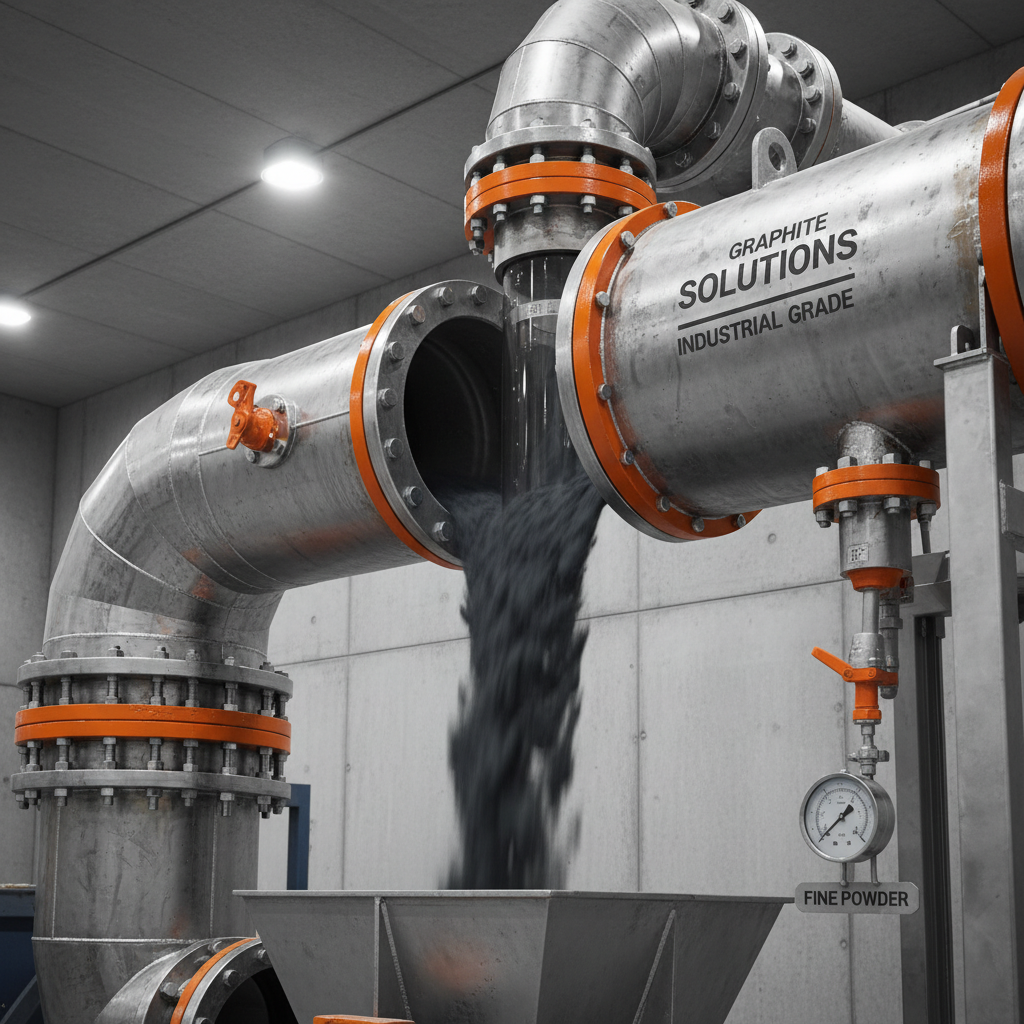
Simply put, ultra fine graphite powder is graphite ground into particles typically smaller than 20 microns, sometimes even down to sub-micron levels. But these tiny particles pack big technological punch. Because of their high surface area and purity, they enhance things like conductive inks, brake linings, lubricants, and advanced energy storage devices.
In humanitarian or industrial contexts alike, from making rugged electronics in harsh environments to supporting lightweight, flexible energy storage, it’s a cornerstone material. Think about it — the stuff inside your smartphone’s battery that keeps it going or the material that improves heat dissipation in critical parts — ultra fine graphite plays a starring role.
Core Aspects of Ultra Fine Graphite Powder
Particle Size & Distribution
The finer the particles, the better the packing density and conductivity. Many engineers stress that ensuring a consistent particle size range improves reliability across different industries, especially high-end electronics and precision lubrication.
Purity & Chemical Stability
Impurities can lead to performance drops, so ultra fine graphite powder is often refined to 99.9%+ purity, meeting strict ISO standards for sensitive applications. This chemical stability also means resilience in harsh chemical environments, ideal for aerospace or automotive sectors.
Electrical & Thermal Conductivity
Because graphite is an exceptional conductor, these micro-sized particles aid in applications requiring heat dissipation and efficient electrical pathways. This is essential in growing fields like electric vehicle (EV) batteries and flexible printed circuits.
Cost Efficiency & Scalability
While producing ultra fine powders can be resource-intensive, advancements in milling technologies and sourcing strategies have made it increasingly scalable and cost-effective. That’s vital for industries aiming for large production volumes without sacrificing quality.
Environmental Impact
Interestingly, graphite mining isn’t the most eco-friendly process. So many companies invest in synthetic alternatives or recycling graphite to mitigate environmental footprints, especially given the UN’s push for sustainable manufacturing methods tied to green energy goals.
Mini takeaway:
Ultra fine graphite powder's success hinges on precise control over size, purity, and conductivity while balancing cost and sustainability.
Global Applications: From Electronics Labs to Disaster Zones
Regions like East Asia, the US, and Europe lead in utilizing ultra fine graphite powder, though demand in emerging economies is surging. Here’s a quick tour of where this stuff really counts:
- Electric Vehicles (EVs): Batteries and fuel cells in EVs demand ultra fine graphite for improved performance and longevity.
- Renewable Energy: Solar cells and wind turbines incorporate graphite powders to enhance efficiency and thermal management.
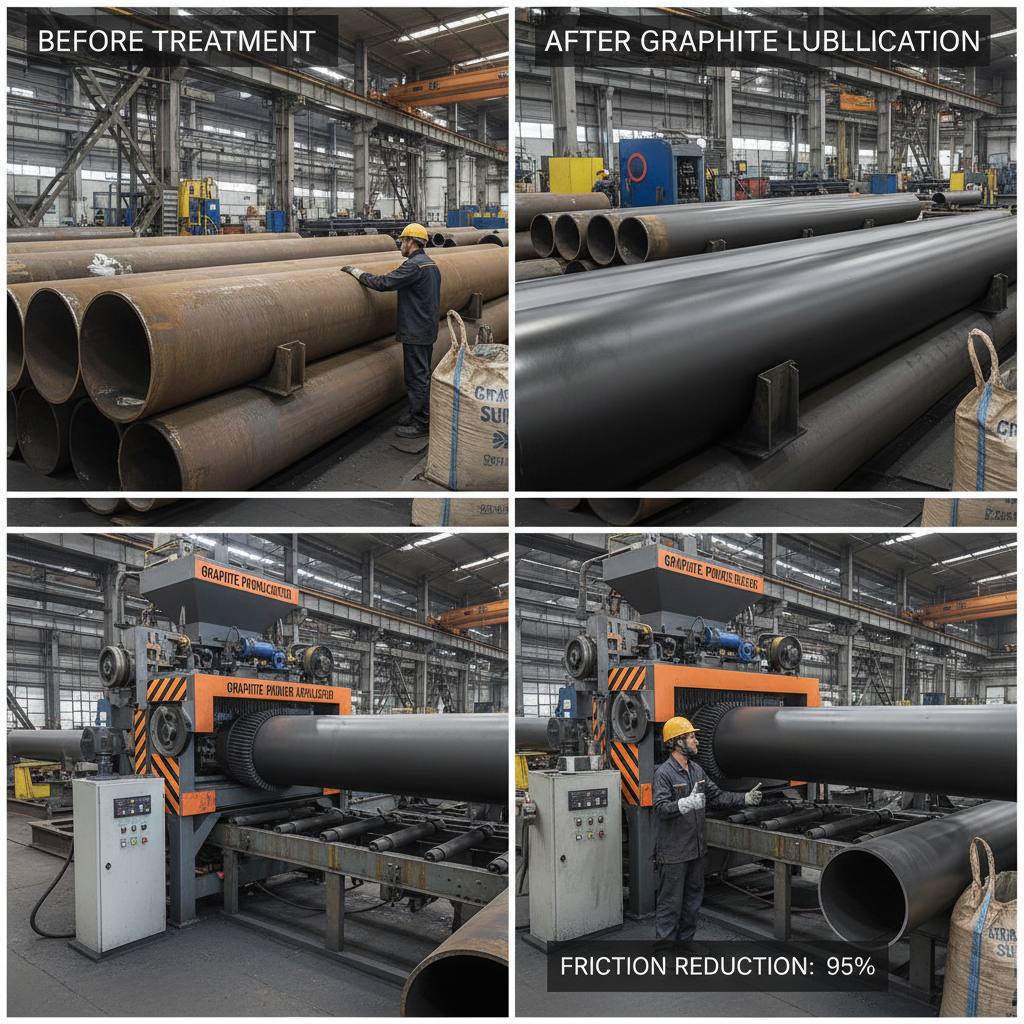
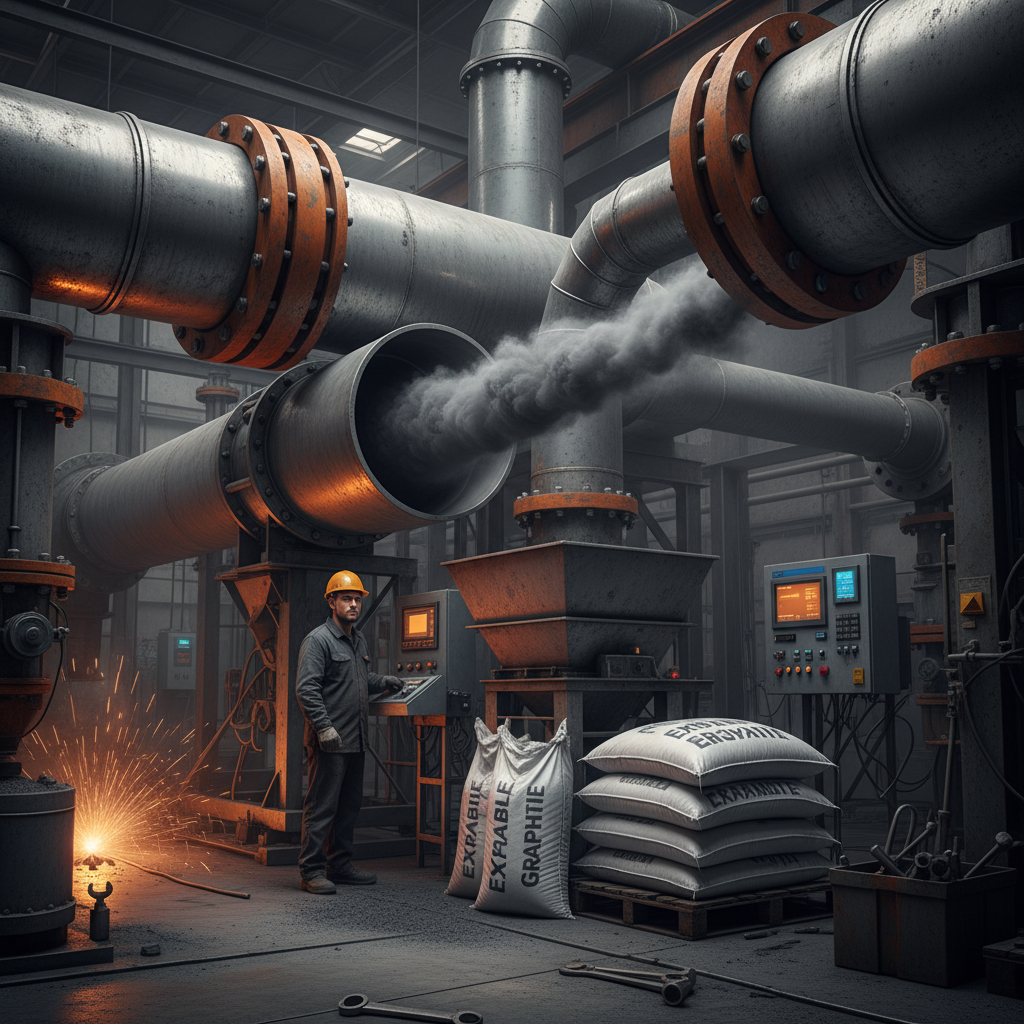
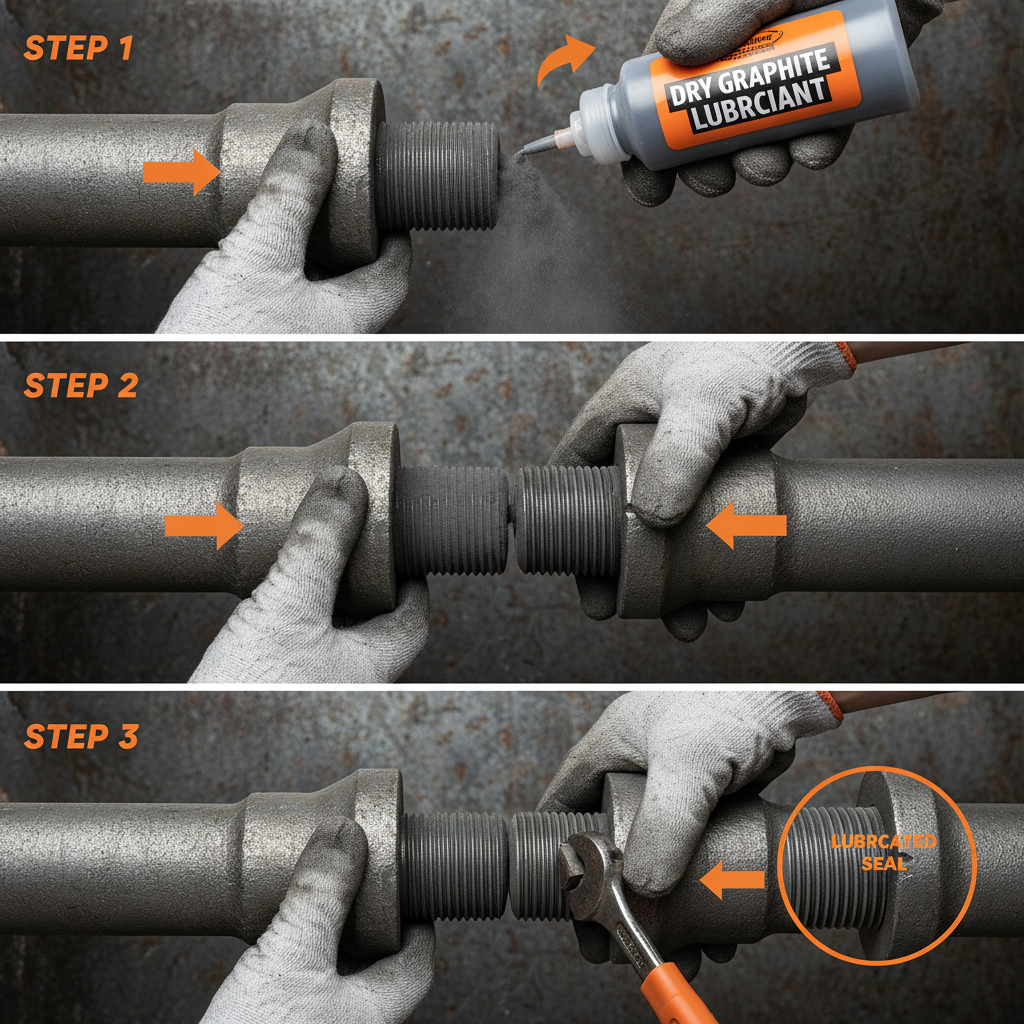
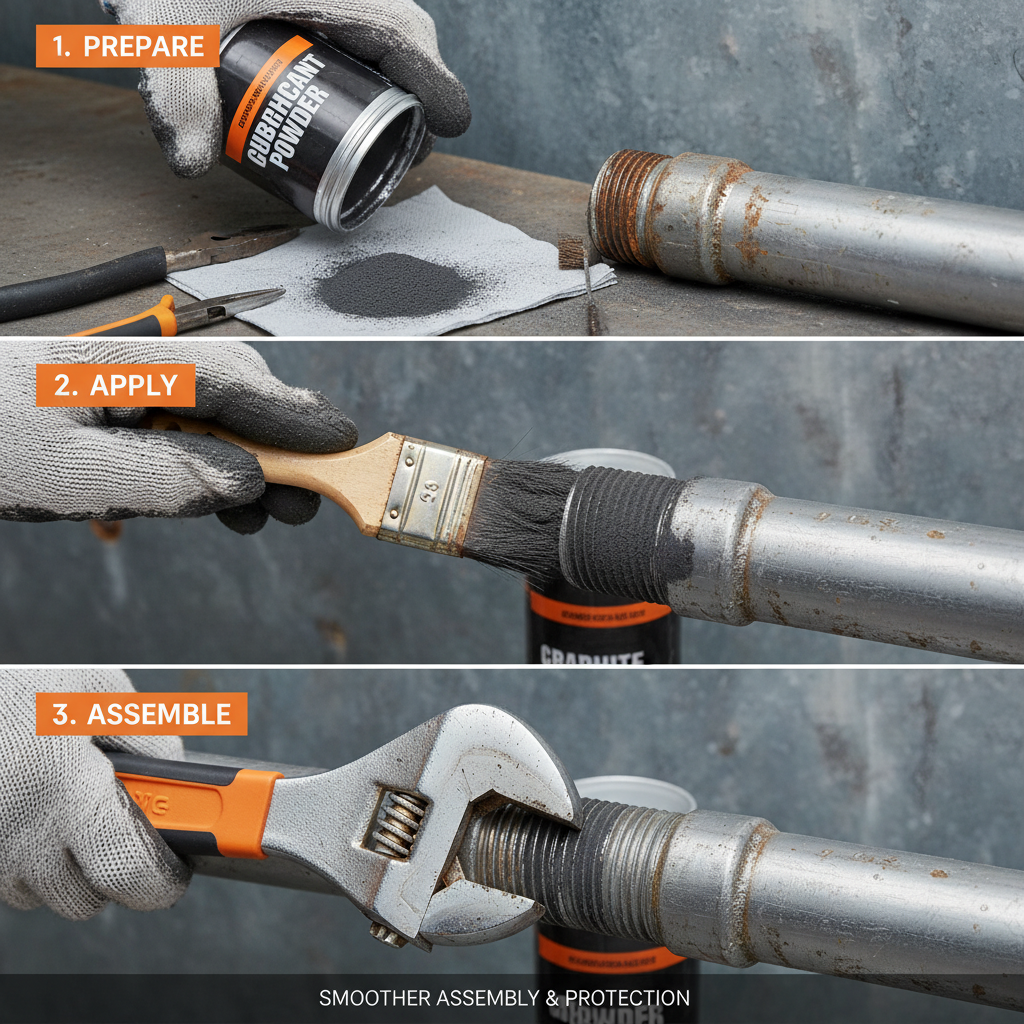
- Industrial Lubricants: Lubricants in heavy machinery, especially in mining or construction zones, depend on graphite powder's excellent friction-reducing properties.
- Post-Disaster Relief Tech: Portable energy storage devices and robust electronics in relief operations often rely on this material for reliability under stress.
- Advanced Manufacturing: From aerospace coatings to 3D printing powders, ultra fine graphite’s niche is broadening rapidly.
Mini takeaway:
Ultra fine graphite powder is a quiet workhorse in high-tech and high-stress environments worldwide.
Advantages and Long-Term Value
When you think about investing in materials, you want a mixture of safety, innovation, and trust. Ultra fine graphite powder offers exactly that:
- Cost Savings: Better efficiency in batteries means longer lifespan and fewer replacements.
- Sustainability: Advances in synthetic graphite and recycling are easing ecological concerns.
- Reliability: High purity and stability ensure trust in critical applications.
- Safety & Innovation: The material’s inherent qualities support safer, more cutting-edge tech solutions.
Here’s a quick product specification table for typical ultra fine graphite powders:
| Specification | Typical Value | Unit |
|---|---|---|
| Average Particle Size | 5-15 | Microns (µm) |
| Purity | ≥ 99.9 | % |
| Bulk Density | 0.5 – 0.7 | g/cm³ |
| Electrical Resistivity | ~10⁻⁵ | Ω·m |
| Moisture Content | ≤ 0.5 | % |
Choosing the Right Supplier: A Quick Vendor Comparison
| Feature | Vendor A | Vendor B | Vendor C |
|---|---|---|---|
| Particle Size Range | 3–12 µm | 5–15 µm | 2–10 µm |
| Purity Level | 99.95% | 99.9% | 99.99% |
| Sustainability Certifications | ISO 14001 | None | ISO 9001, ISO 14001 |
| Typical Delivery Time | 2 weeks | 3–4 weeks | 1 week |
| Price Per Kg | $30 | $28 | $35 |
Future Trends in Ultra Fine Graphite Powder
Frankly, the field is evolving quickly. The surge in electric vehicles means demand for ultra fine graphite will keep climbing — roughly doubling over the next decade according to the World Bank. But it’s not just volume; quality improvements, such as doping graphite with nitrogen or boron, create powders with enhanced conductivity or other properties.
Green energy policies worldwide push for cleaner battery materials, so expect synthetic and recycled ultra fine graphite powders to become more mainstream. Digital manufacturing and automation are also allowing for finer control during powder production, reducing waste and improving batch consistency.
Challenges and How to Overcome Them
One of the ongoing niggles is balancing ultra fine particle size with production costs and environmental impact. Since mining natural graphite can be rough on ecosystems, many companies are investing heavily in synthetics or closed-loop recycling.
Another challenge is consistent quality at scale — variability in particle size or purity can throw off sensitive electronics or battery performance. Here, automated real-time quality control and improved milling tech are stepping up to the plate.
Frequently Asked Questions
- What industries benefit the most from ultra fine graphite powder?
- The main industries include electric vehicles (batteries), electronics, lubricants, aerospace, and renewable energy technologies. The powder’s unique conductivity and stability make it essential for many high-tech applications.
- How does particle size impact performance?
- Smaller particles mean higher surface area, improving packing density and electrical conduction. However, ultra fine particles also require precise handling to avoid agglomeration and maintain consistent quality.
- Is ultra fine graphite powder environmentally sustainable?
- Mining natural graphite poses environmental challenges, but synthetic production and recycling efforts lessen the impact. Many suppliers are moving toward eco-certifications to meet demand for greener materials.
- Can I customize the powder for my application?
- Absolutely. Suppliers usually offer tailored particle size distributions, purity levels, and even surface coatings to meet specific industrial or scientific needs.
- Where can I find reliable suppliers of ultra fine graphite powder?
- Consider vendors certified with ISO quality and environmental standards; also look for companies with transparent sourcing and scalable production capabilities. For starters, visit ultra fine graphite powder options from established providers.
Wrapping Up: Why Ultra Fine Graphite Powder Will Remain Essential
Looking ahead, as energy needs become more complex and technology demands more precision, ultra fine graphite powder is poised to remain a cornerstone material. It’s a fascinating mix of old-world carbon and cutting-edge tech — humble yet indispensable.
If you’re curious to explore our carefully crafted range of ultra fine graphite powders designed for optimal performance and environmental consciousness, feel free to visit our website.
References
 Pervious
 Next
Next