

- Englist



Conductive Graphite Powder for Industrial and Sustainable Innovations

The Role of Conductive Graphite Powder: An Overlooked Industrial Essential
Conductive graphite powder might not be the flashiest material in today’s tech-driven world, but understanding it opens a door to innovations that power everything from batteries to electronics. Globally, this humble powder is quietly solving challenges in energy, sustainability, and manufacturing. Knowing why it matters could be a game changer if you’re involved in any sector reliant on conductivity, heat dissipation, or wear-resistant coatings.
Introduction: Why Conductive Graphite Powder is a Global Game Changer
The demand for reliable, efficient conductive materials is soaring. According to the International Organization for Standardization (ISO), the global graphite market is expected to grow around 4.5% annually through the next decade. This growth is driven largely by expanding electric vehicle (EV) production, renewable energy storage, and consumer electronics.
Traditional metals like copper and silver handle conductivity well but stumble on cost and weight. Graphite powder offers a lighter, more scalable alternative, especially in advanced composites and coatings. Plus, its thermal stability matters in high-temp industrial settings. The challenge? Producing reliable, high-purity conductive graphite powder at scale without huge environmental costs.
Mini takeaway: Conductive graphite powder sits at the crossroads of performance, cost, and sustainability, making it vital for future-proof industrial growth.
Defining Conductive Graphite Powder: What’s in the Mix?
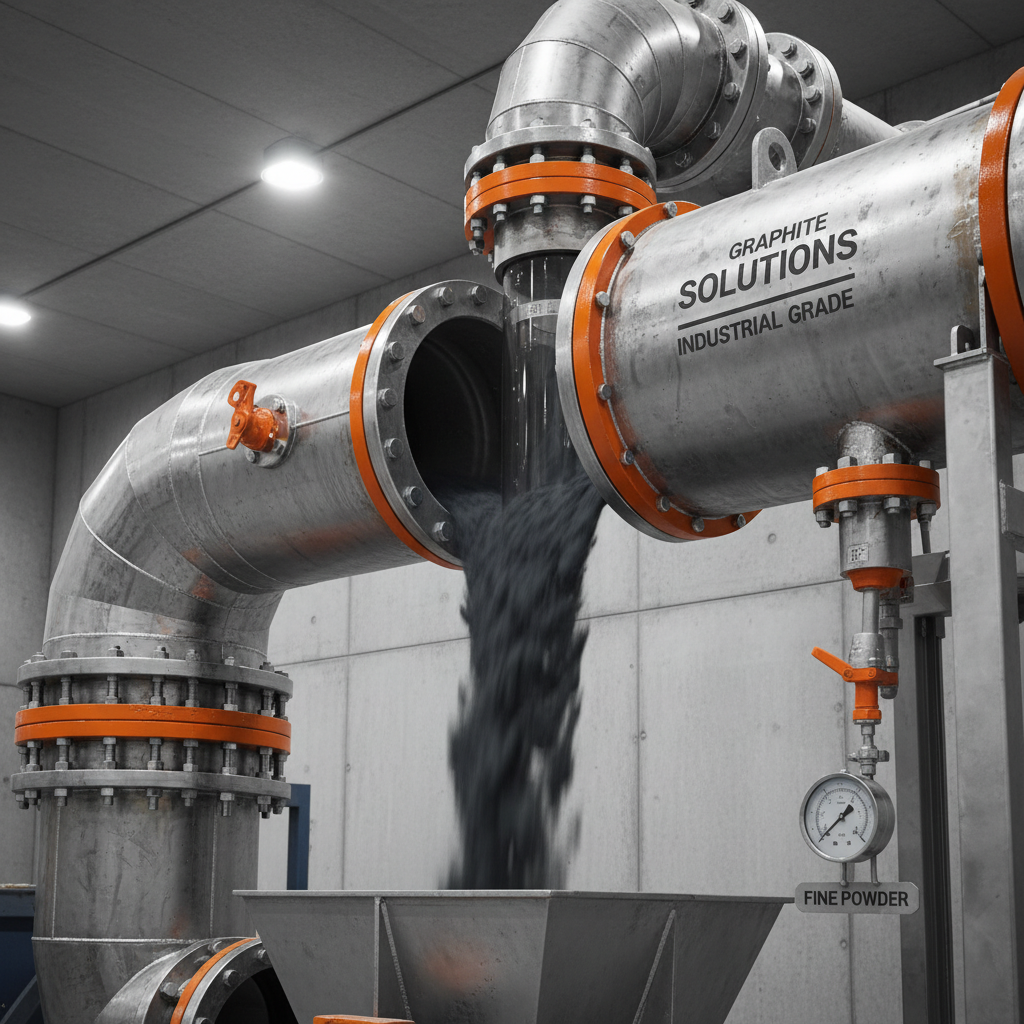
Put simply, conductive graphite powder consists of finely milled particles of graphite designed to facilitate electrical conductivity. Graphite itself is a crystalline form of carbon arranged in layers, which easily allow electrons to travel. Unlike bulk graphite blocks, powder form enables integration into coatings, plastics, and batteries in a flexible way.
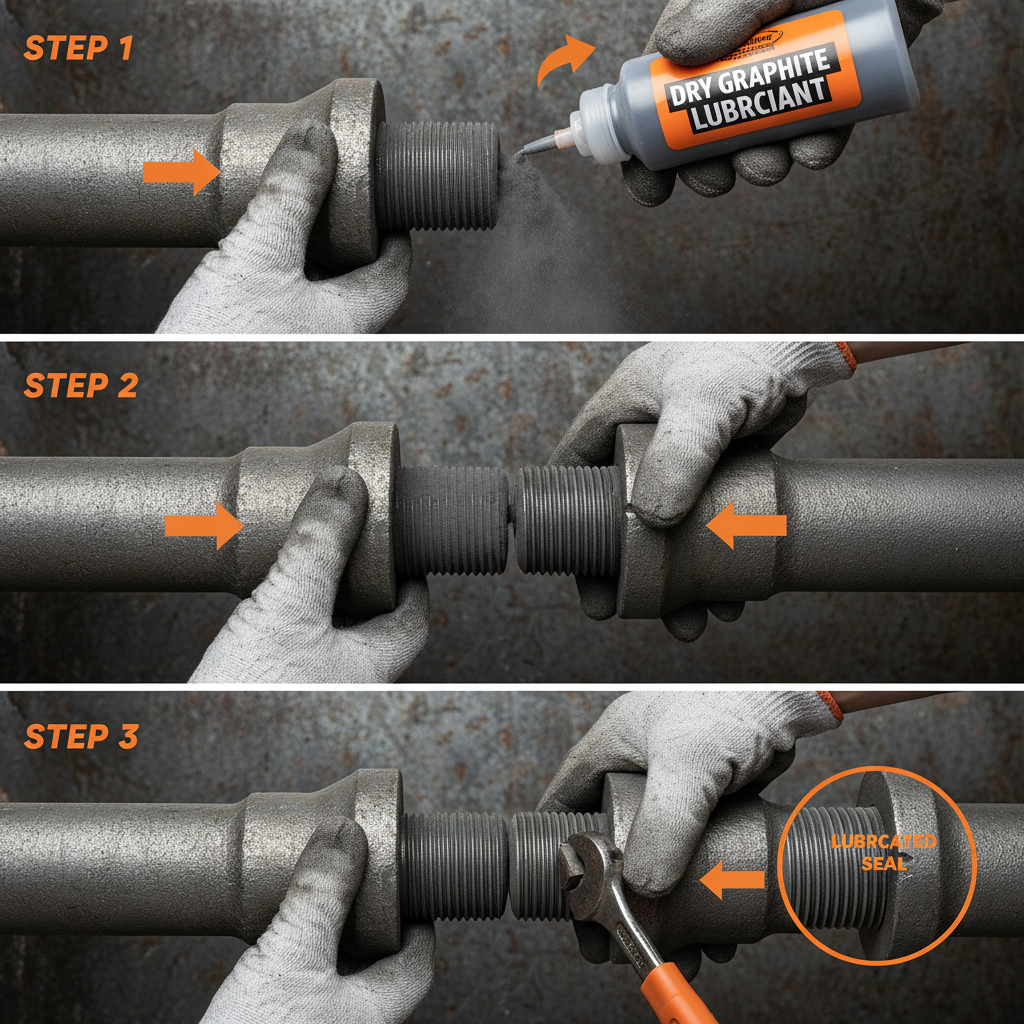
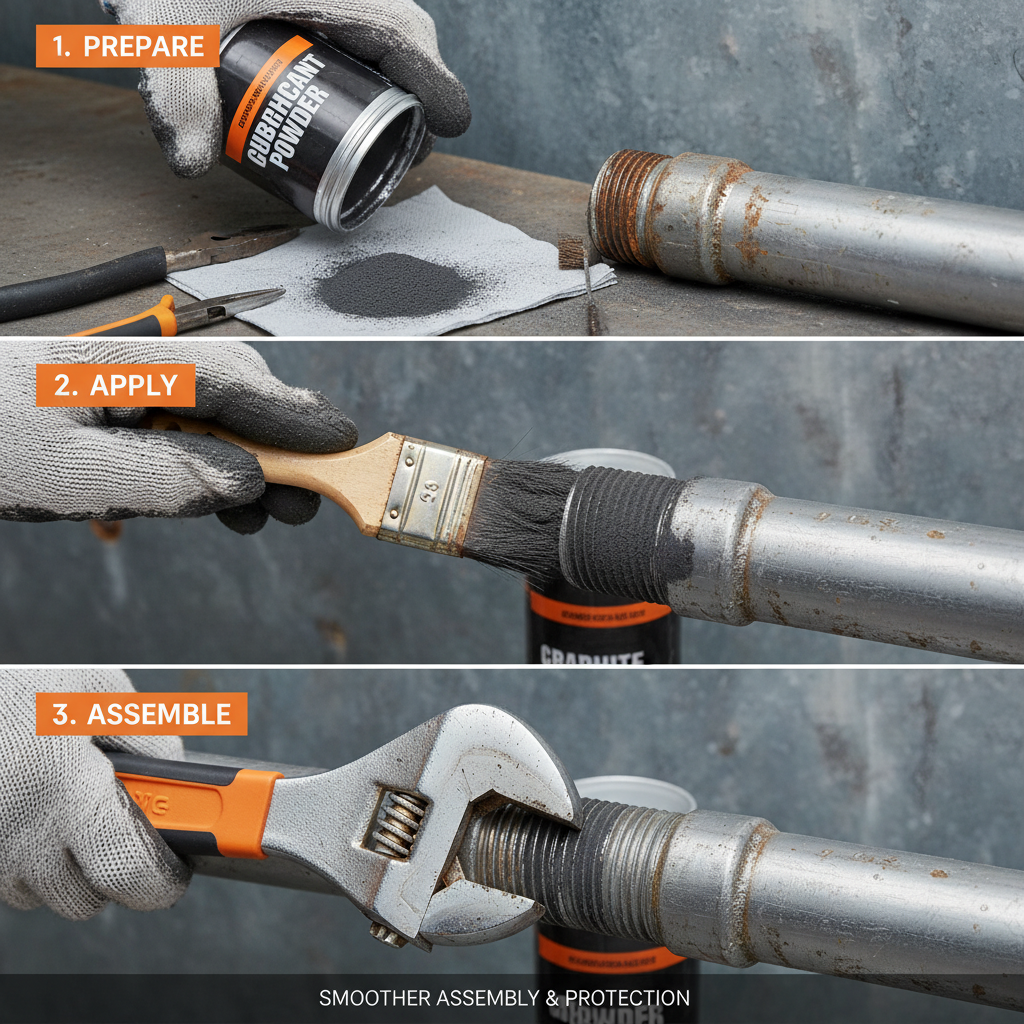
Its role extends beyond just conductivity: graphite powder is often used to improve heat dispersion, provide lubrication, or serve as a corrosion-resistant layer — features highly prized in modern infrastructure, military hardware, and even humanitarian tech solutions where reliability under stress is critical.
Key Factors That Define Value in Conductive Graphite Powder
Purity & Particle Size
Graphite powder’s conductivity directly relates to its purity and granularity. Impurities can block electron flow, while the size determines how well it mixes with binders or polymer matrices.
Thermal Stability
Industries using conductive graphite powder need it to resist high temperatures without degradation. This factor is essential in aerospace and automotive applications where heat builds up fast.
Cost Efficiency
While graphite is abundant, processing to high purity is costly. An ideal powder balances affordability with performance — a tricky tightrope manufacturers must walk.
Environmental Impact & Sustainability
Extracting and refining graphite can be resource-intensive. Leading suppliers are now adopting greener methods, including recycling and renewable energy use, to stay competitive.
Scalability & Supply Chain Reliability
Mass adoption means steady and timely supply — especially as demand spikes for EV batteries and industrial electronics. Regions like China, Brazil, and Canada dominate graphite mining, influencing global availability.
Mini takeaway: Manufactures and end-users weigh purity, thermal performance, cost, and sustainability when choosing conductive graphite powder — these factors are intertwined.
Global Applications: Where Conductive Graphite Powder Shines
From Osaka to Oslo, conductive graphite powder is silently powering modern life.
- Electric Vehicles (EVs): Used in battery anodes and conductive coatings to improve energy density and battery life.
- Consumer Electronics: Enhances touchscreens, printed circuit boards, and wearables by providing flexible conductive paths.
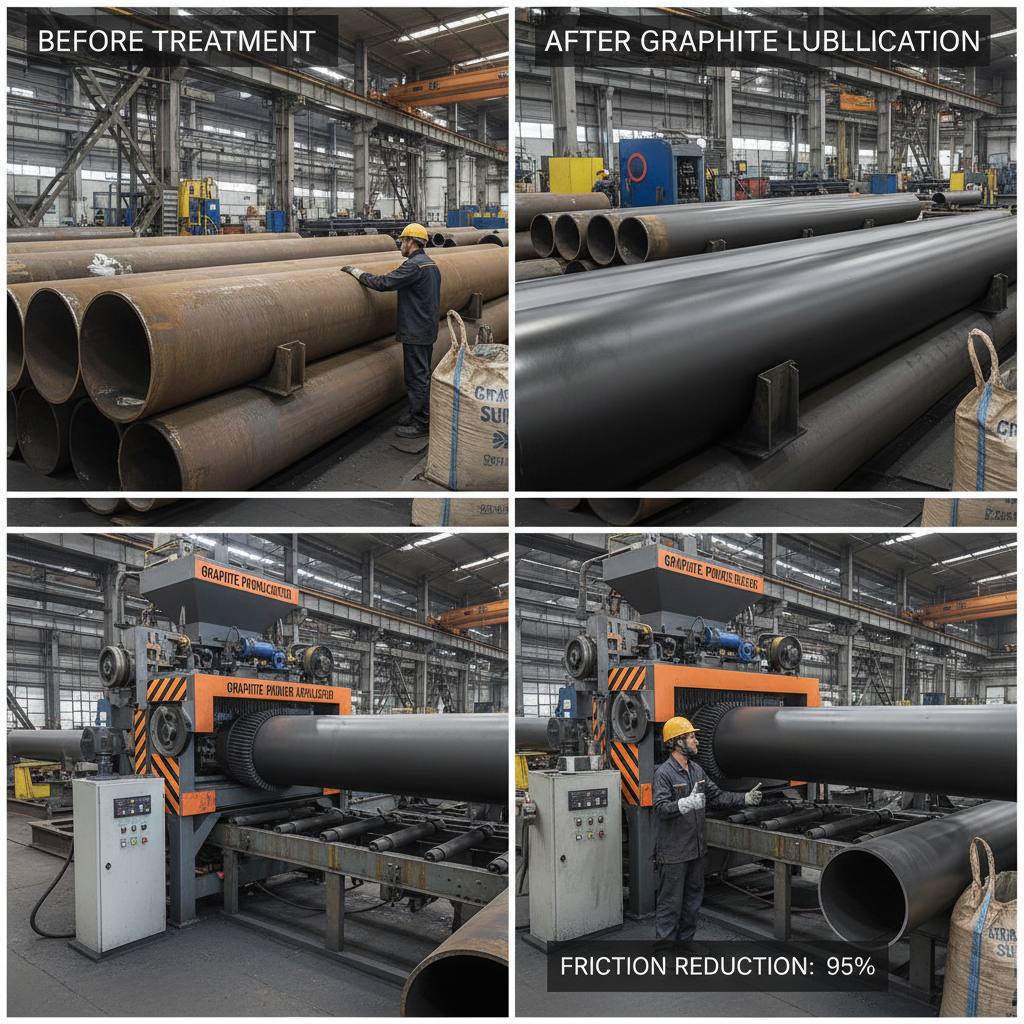
- Industrial Machinery: Applied in lubrication and heat dissipation layers to improve machine lifespan and efficiency.
- Disaster Relief Technology: In remote zones, conductive graphite powder helps create lightweight, durable solar panels powering temporary shelters.
Notably, NGOs providing tech in developing regions benefit from low-cost, durable graphite-based materials that are easier to transport and install than heavier metals.
Advantages and Long-Term Value of Conductive Graphite Powder
What’s so great about conductive graphite powder that it’s gaining worldwide traction? For starters:
- Cost Savings: Cheaper raw material and processing costs compared to silver or copper.
- Eco-Friendly: Potentially less harmful extraction processes, especially when recycled graphite is used.
- Durability & Safety: Resistant to corrosion, heat, and mechanical wear — meaning long-lasting components and safer products.
- Social Impact: Enables power solutions in underserved regions, improving lives and economic opportunities.
Beyond cold efficiency, graphite powder feels like the bridge between innovation and responsibility, something engineers and CEOs alike appreciate.
Product Specifications: A Typical Conductive Graphite Powder Profile
| Parameter | Value | Notes |
|---|---|---|
| Purity | >99.5% | Ensures optimal conductivity |
| Particle Size | 5-20 microns | Balances flow & mixing |
| Bulk Density | 0.3 - 0.5 g/cm³ | Affects packing & transport |
| Electrical Resistivity | Low value is better | |
| Thermal Stability | Up to 600°C | Suitable for harsh environments |
Leading Vendors Compared: Choosing the Right Source
| Supplier | Purity Range | Sustainability | Price Range (USD/kg) | Lead Time |
|---|---|---|---|---|
| GraphiteCo, Canada | 99.7% - 99.9% | ISO14001 certified, green mining | $15 - $22 | 3-4 weeks |
| ChinaGraphite Ltd. | 99.5% - 99.8% | Data limited, some pollution concerns | $12 - $19 | 4-6 weeks |
| EcoGraphite Solutions, Brazil | 99.8% | Renewable energy powered production | $17 - $23 | 5-7 weeks |
Future Trends & Innovations in Conductive Graphite Powder
Looking ahead, the intersection of conductive graphite powder with green energy and digital transformation is fascinating. Innovations focus on:
- Nanostructuring: Increasing conductivity and surface area via graphene-enhanced powders.
- Bio-based Production: Using biomass precursors to lower environmental footprint.
- Recycling: Circular economy models for batteries and electronics recovering graphite.
- Hybrid Materials: Combining graphite with polymers for flexible electronics and smart wearables.
The pace of automation and smart manufacturing also means less waste and better traceability — something many companies crave.
Challenges & Solutions in the Graphite Powder Sector
A few hurdles remain:
- Supply Chain Volatility: Political or mining disruptions can pinch availability.
- Purity vs. Cost: Achieving ultra-high purity without breaking budgets is tricky.
- Environmental Concerns: Mining impacts and waste water disposal require tight regulations.
Experts suggest diversifying sourcing regions and investing in technological R&D for cleaner, cheaper refinement methods. Plus, partnerships with environmental agencies are becoming standard practice.
FAQs about Conductive Graphite Powder
Q: What industries benefit most from conductive graphite powder?
A: Industries like electric vehicles, electronics manufacturing, aerospace, and renewable energy all rely heavily. The powder’s conductivity, heat resistance, and lightweight nature make it a go-to material in these fields.
Q: How pure does conductive graphite powder need to be for battery applications?
A: Battery-grade graphite often demands purities higher than 99.5% to ensure efficient electron flow and long cycle life, but exact specs depend on the technology used.
Q: Is conductive graphite powder environmentally safe?
A: While graphite is a natural mineral, extraction can impact ecosystems. Choosing suppliers with sustainable certifications and recycling initiatives improves safety and reduces footprint.
Q: Can conductive graphite powder be mixed easily with polymers?
A: Yes — but particle size and surface treatment affect dispersion. Proper processing ensures uniformity in composites, crucial for device reliability.
Q: How quickly can conductive graphite powder shipments be arranged globally?
A: Depending on supplier location and demand, lead times range from 3 to 7 weeks. Planning ahead is essential for supply chain continuity.
Wrapping It Up: Why Conductive Graphite Powder Matters for Tomorrow
Truth be told: conductive graphite powder flies under the radar but is foundational to many innovations shaping our energy and tech future. From inexpensive, sustainable power solutions to enabling digital devices and automotive progress, its role grows every day.
Feeling inspired? Dive deeper and explore your options by visiting https://www.nlgraphite.com. You might find that conductive graphite powder is just the material your next project needs.
References:
 Pervious
 Next
Next