

- Englist



Comprehensive Guide to Carbon Graphite Powder – Uses, Benefits & Suppliers

Understanding Carbon Graphite Powder: What It Is and Why It Matters
If you’re reading this, chances are you’ve stumbled across carbon graphite powder in some industrial or technological context. But what exactly is it, and why should anyone beyond the lab coat-wearing crowd care? Well, this unassuming black powder has quietly but steadily become a cornerstone of modern industry, powering everything from battery technology to high-performance lubricants. In a world increasingly driven by sustainable energy and lightweight materials, grasping the value of carbon graphite powder is not just academic — it’s essential.
To put it bluntly, carbon graphite powder offers a sustainable, efficient, and remarkably versatile material solution in many sectors. Its growing significance reflects the broader global push towards greener technologies, advanced manufacturing, and reliable industrial components.
The Global Context: Why Carbon Graphite Powder Is Gaining Momentum
Global production of natural and synthetic graphite is booming — the International Graphite Association estimates demand will double in the next decade. The World Bank similarly flags graphite among “critical minerals” necessary for energy transition technologies. This is largely because carbon graphite powder serves as a fundamental base in lithium-ion batteries, fuel cells, and even in emerging hydrogen storage solutions.
But the challenge remains: sourcing and processing graphite in a cost-effective, environmentally sound manner isn’t straightforward. Mines are geographically concentrated, often in remote or politically sensitive regions, making reliable supply chains complex and sometimes unstable.
As industries push for electric vehicles, renewable energy, and innovations in electronics, carbon graphite powder becomes a linchpin — yet supply challenges and quality demands keep manufacturers constantly evolving their approaches.
What Exactly Is Carbon Graphite Powder?
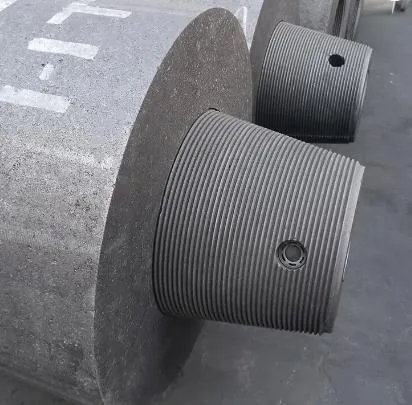
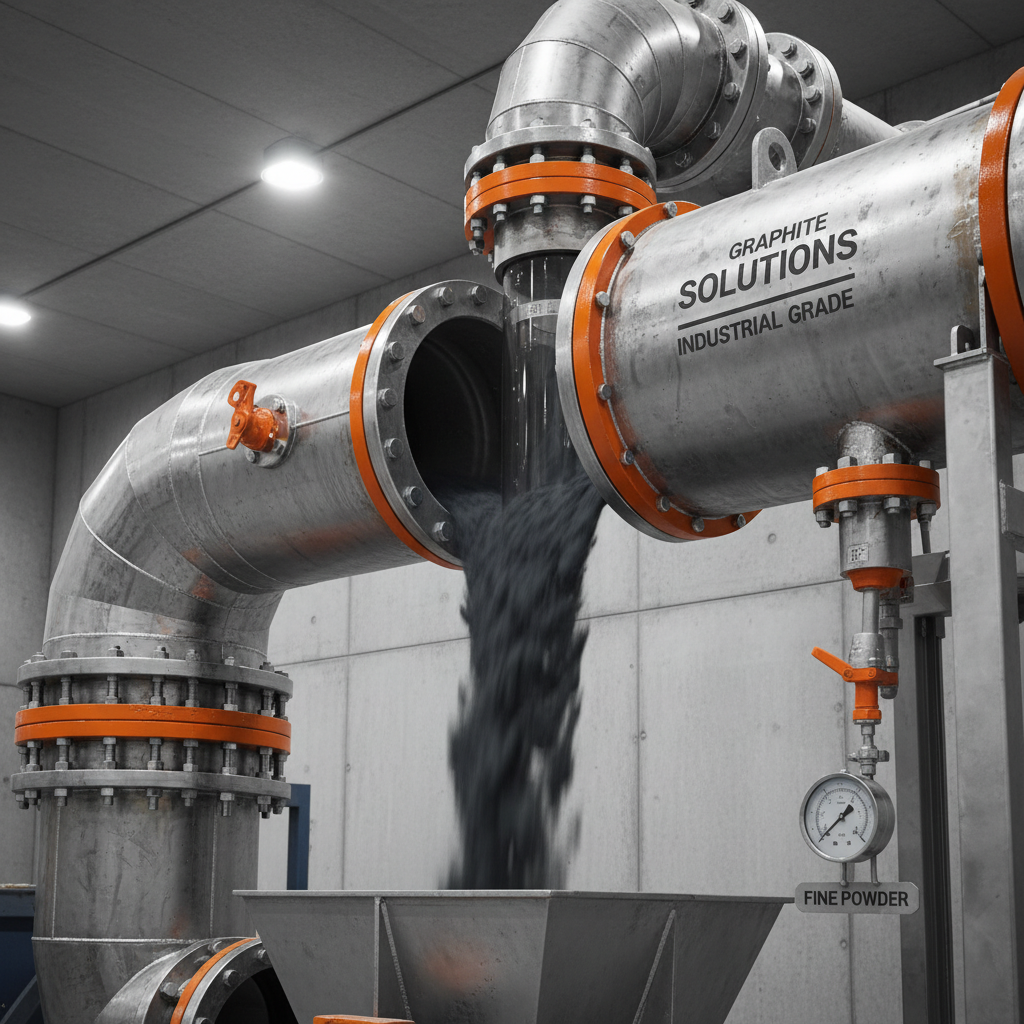
Simply put, carbon graphite powder is a fine, black powder made of pure or nearly pure graphite, a form of carbon known for its layered crystal structure. Its layers slide over each other, giving it excellent lubricating properties, something that immediately sets it apart from many other materials.
Graphite itself is a naturally occurring mineral and can also be synthetically produced to exacting specifications. When ground down into powder, it becomes mega-versatile — you’re looking at a material that’s electrically conductive, thermally stable, resistant to chemical attack, and lightweight.
Modern industries rely on graphite powder not just because it’s abundant, but because it enables new technologies — for example, the electrodes in high-performance batteries, brake linings in automotive parts, and seals in machinery that can tolerate extreme conditions.
Core Aspects That Make Carbon Graphite Powder Indispensable
1. Durability and Thermal Stability
Graphite powder withstands temperatures upwards of 3,000°C in inert atmospheres, something few materials can claim. This makes it ideal for industries like metallurgy, aerospace, and advanced electronics. The material doesn’t easily oxidize (under proper conditions), ensuring reliability in harsh environments.
2. Electrical Conductivity
Its excellent conductivity means carbon graphite powder often replaces metals in electrodes, conductive coatings, and sensors. That leads to lighter products that use less energy — a huge advantage in portable devices and electric vehicles.
3. Lubrication Qualities
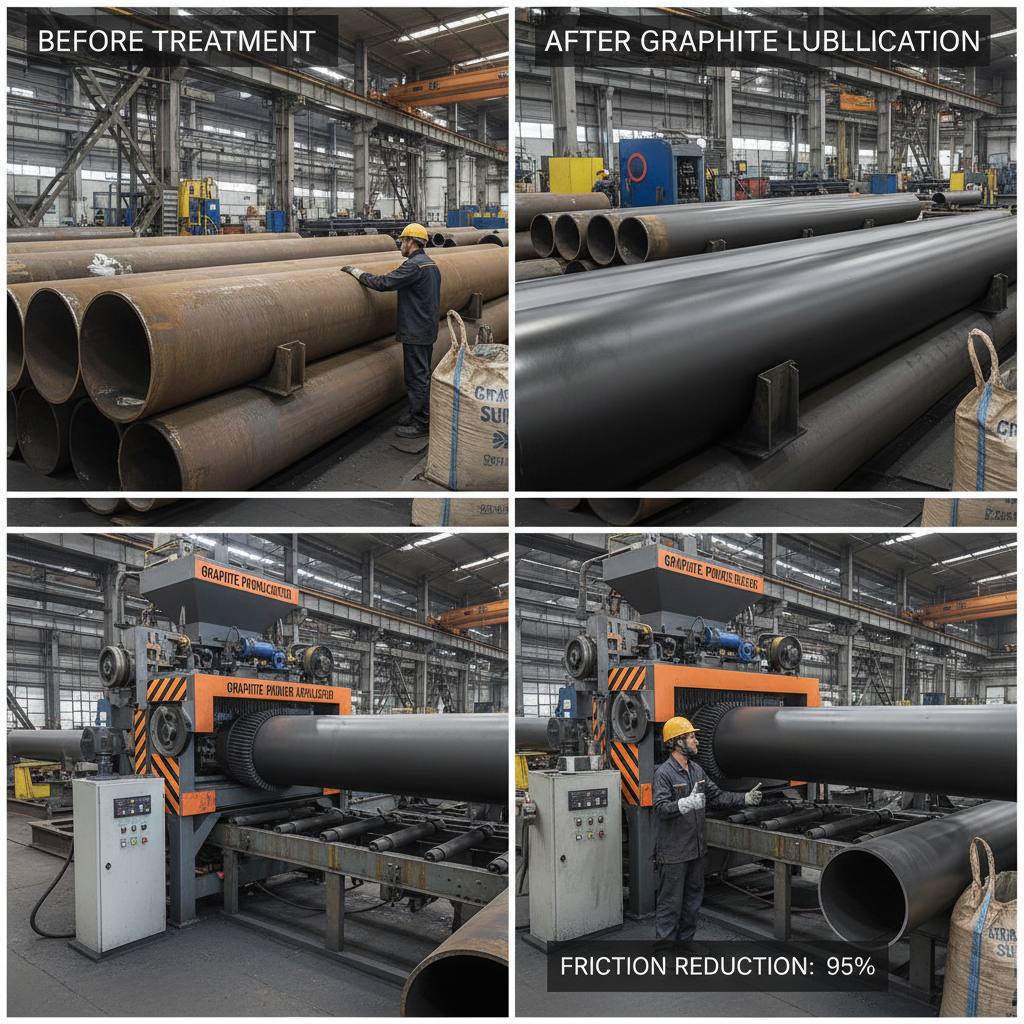
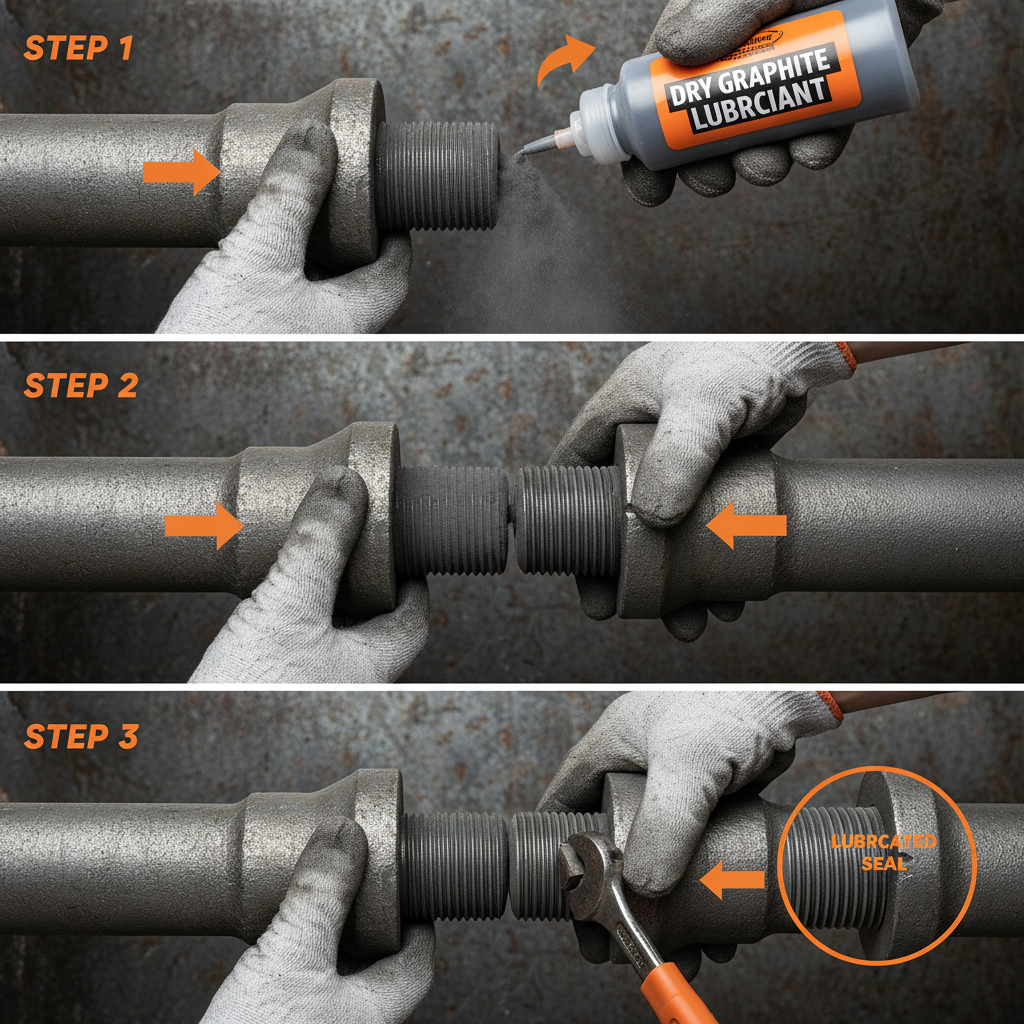
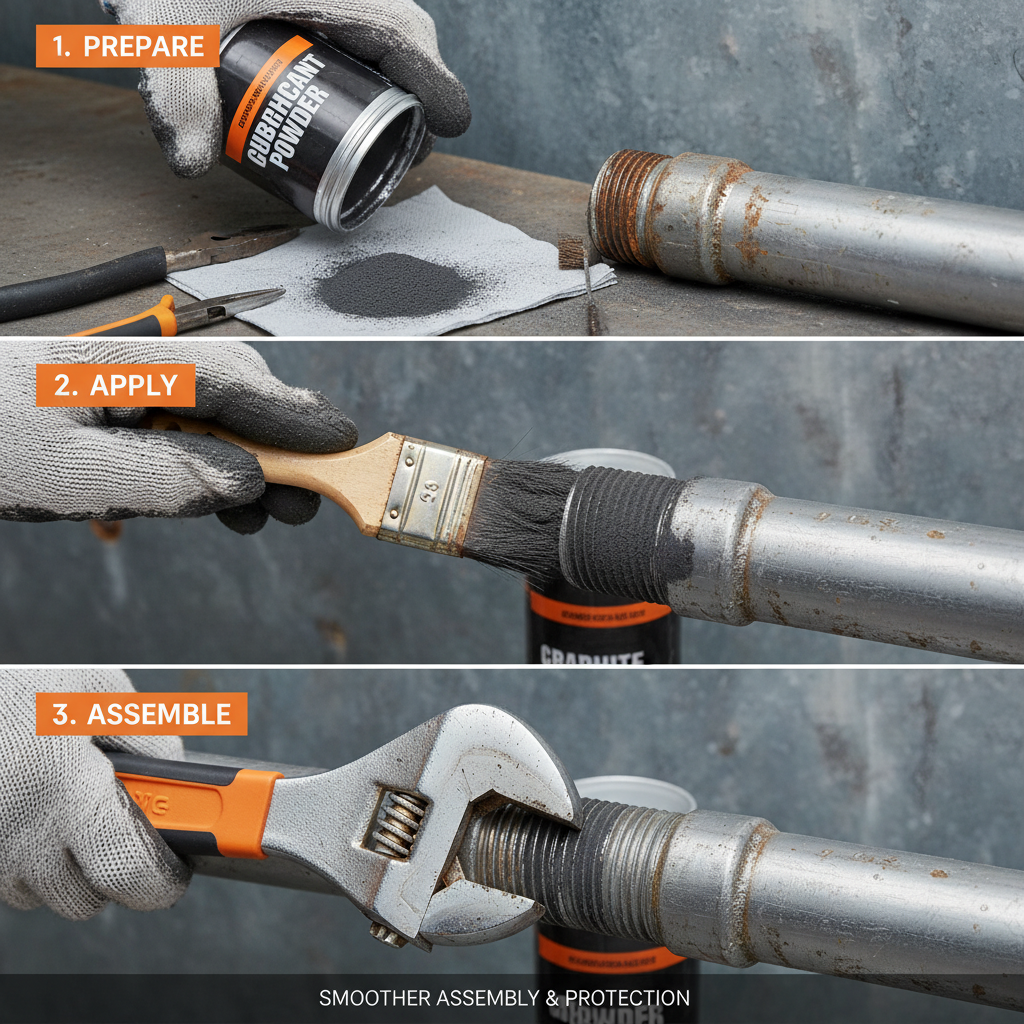
Ever wonder how machines running under high pressure avoid metal-on-metal friction? Graphite powder is often responsible. It provides dry lubrication, which is especially precious in vacuum or extreme temperature conditions where oil-based lubricants fail.
4. Cost Efficiency and Scalability
While synthetic graphite powder can be pricey, natural graphite sources often deliver scalable and affordable supply. Advances in purification and milling mean cost-effective, consistent powders for manufacturers, helping industries scale their products efficiently.
5. Environmental Compatibility
Unlike asbestos-based materials or heavy metal lubricants, graphite powder is relatively benign, and its mining footprint is manageable when sourced responsibly. Many companies are adopting sustainable sourcing practices in line with ISO standards.
Real World Applications & Who’s Using It
From Silicon Valley startups to steel plants, carbon graphite powder is everywhere. Here’s a quick glimpse beyond the technical jargon:
- Battery Manufacturers: The electric vehicle boom has catapulted graphite powder into the limelight as the anode material in lithium-ion batteries worldwide.
- Steel and Metallurgical Industry: As a refractory material, graphite powder increases furnace efficiency and lifespan.
- Aerospace & Defense: Used in seals and thermal shielding, it helps airplanes and spacecraft handle extreme environments.
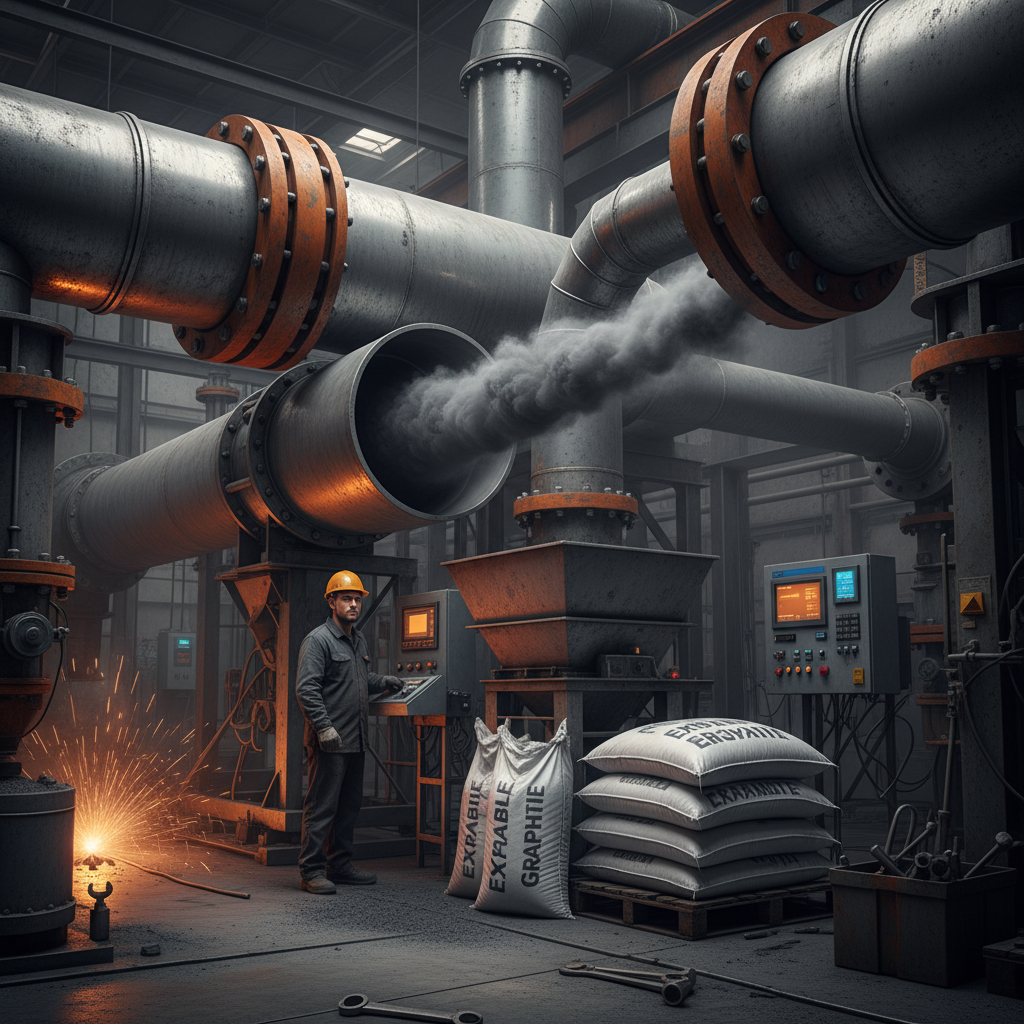
- Lubrication in Machinery: Industries from paper production to automotive rely on graphite for maintenance and extended equipment life.
- Emerging Green Energy Sectors: Fuel cells and hydrogen storage often utilize graphite-based components to improve system performance.
Oddly enough, some humanitarian operations also benefit. In remote or disaster-affected regions, durable machinery lubricated or sealed with graphite powder can operate longer in challenging conditions, reducing downtime when it’s needed most.
Specification Snapshot: Typical Carbon Graphite Powder Grade
| Specification | Value | Unit |
|---|---|---|
| Carbon Content | > 99.5 | % |
| Particle Size (median) | 5–10 | microns |
| Bulk Density | 0.3–0.6 | g/cm³ |
| Ash Content | % | |
| Surface Area (BET) | 5–15 | m²/g |
| Electrical Resistivity | μΩ·m |
Comparing Leading Carbon Graphite Powder Suppliers
| Supplier | Product Range | Global Reach | Sustainability Practices | Average Lead Time |
|---|---|---|---|---|
| NL Graphite | Natural & Synthetic Grades | Europe, Asia, NA | ISO 14001 Certified | 2–4 Weeks |
| CarbonTech Ltd. | High Purity Synthetic | Global | Renewable Energy Usage | 3–5 Weeks |
| GrapheneWorks | Graphene & Graphite Powders | North America, Europe | Waste Reduction Programs | 4–6 Weeks |
Long-Term Value: Why Invest in Carbon Graphite Powder?
Looking past just immediate costs and specs, the long-term benefits of carbon graphite powder are compelling. First, it significantly boosts product lifespan by improving mechanical reliability — a feature many engineers swear by. Secondly, when included in green energy products, it’s part of a much bigger story about securing the planet’s future.
Emotionally, companies and end users find comfort in using materials that contribute to safer, cleaner, and more innovative products. Whether it’s the reassuring feeling of a car battery lasting longer or industrial equipment that breaks down less often, carbon graphite powder quietly builds trust.
Emerging Trends: The Future of Carbon Graphite Powder
The next few years are shaping up to be pretty exciting. We’re seeing innovations around nano-structured graphite powders and hybrid composites that integrate graphite with other advanced carbons like graphene. These upgrades enable lighter, stronger, and more conductive materials.
Additionally, emphasis on sustainable mining and processing techniques — along with recycling spent graphite from batteries — is gaining traction. The digital transformation of supply chains and Industry 4.0 automation are also making it easier to guarantee consistent quality and traceability.
Facing the Challenges: Quality Control and Supply Chain Solutions
Of course, it’s not all smooth sailing. Variability in graphite source and particle size can cause headaches in applications requiring ultra-high purity or consistency. Logistics bottlenecks and fluctuating raw material costs also test manufacturers’ resilience.
Experts recommend partnering closely with trusted, certified suppliers who invest in quality controls like laser particle sizing and impurity analysis. Many companies are also adopting hybrid sourcing strategies—combining synthetic and natural graphite—to balance cost and specs effectively.
FAQ: Answers to Common Questions on Carbon Graphite Powder
-
Q: How does carbon graphite powder improve battery performance?
A: Carbon graphite powder forms the primary anode material in lithium-ion batteries, enabling efficient lithium-ion intercalation. This results in higher capacity, faster charging, and improved cycle life. -
Q: Is natural graphite powder better than synthetic?
A: It depends on the application. Natural graphite is typically more cost-effective and scalable, while synthetic graphite offers superior purity and consistency for demanding uses. -
Q: Can graphite powder be safely handled in industrial settings?
A: Yes, but standard safety precautions like masks and ventilation should be used to avoid inhalation. Graphite is non-toxic but fine powders can irritate respiratory systems. -
Q: How can companies ensure sustainable sourcing of graphite powder?
A: Look for suppliers committed to ISO 14001 environmental management, transparent traceability, and community engagement in mining regions. -
Q: What’s the typical shelf life of carbon graphite powder?
A: When stored in a dry, stable environment and sealed properly, graphite powder can last many years without degradation.
Wrapping Up: Why Carbon Graphite Powder Will Keep Shaping Our Future
In real terms, carbon graphite powder may not always steal the spotlight, but it is foundational to many innovations and industrial essentials we often take for granted. As society leans into sustainability and technology leaps forward, this simple black powder’s relevance will only deepen.
Curious to explore a trusted source of high-quality carbon graphite powder? Visit NL Graphite for detailed info, specs, and industry support tailored to your needs.
Sometimes, it’s the small things — a powder, a particle — that hold the key to large, complex challenges. And that’s kind of beautiful, isn’t it?
References:
1. Wikipedia: Graphite
2. ISO 14001 Environmental Management
3. International Graphite Association reports, 2023
 Pervious
 Next
Next