

- Englist



Durable High Density Graphite Rods for Industrial Applications | NL Graphite

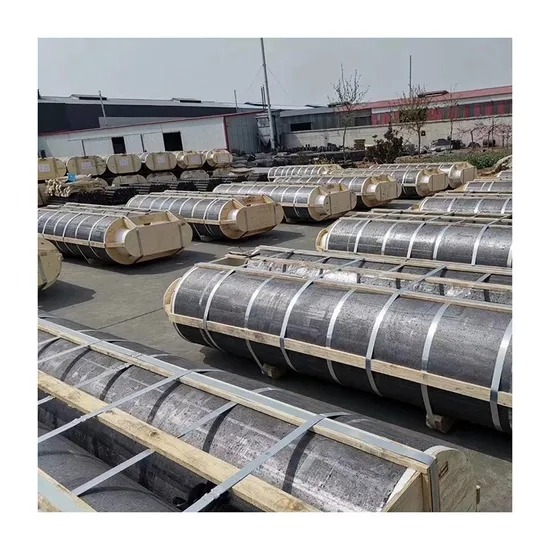
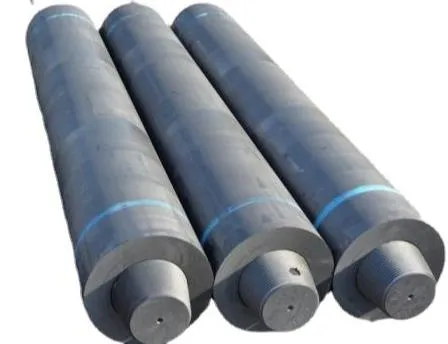
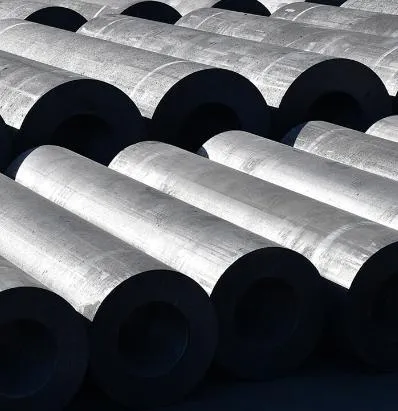
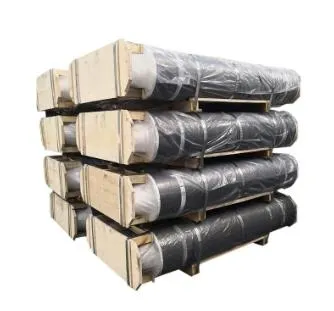
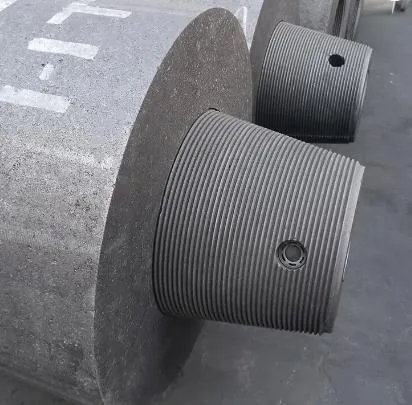
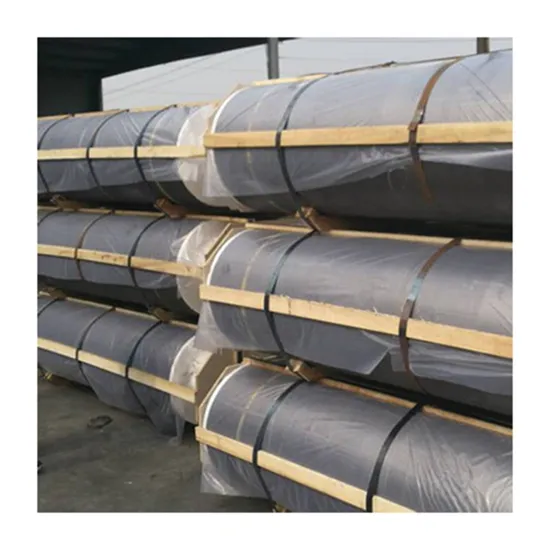
High Density Graphite Rod: Durable Solutions for Industrial Needs
Having spent over a decade working directly with industrial materials and equipment, I can honestly say a good high density graphite rod is one of those unsung heroes in manufacturing and heavy industry. It’s one of those products you don’t often think about until you’re knee-deep in a project and realize everything else depends on this little cylindrical piece performing flawlessly.
High density graphite rod is prized mainly because of its unique combination of mechanical strength, thermal conductivity, and remarkable chemical inertness. What that means in real terms is that it can handle extreme temperatures, resist corrosion in harsh environments, and still keep its shape under significant stress—not always easy to find in industrial materials.
Oddly enough, despite graphite’s fragile image (I confess I used to think of it as just pencil “lead”), when it’s made dense and pure, its mechanical properties improve drastically—something many engineers who have worked with metals and ceramics notice right away.
For example, in high-temperature electrochemical cells or semiconductor manufacturing, a high density graphite rod often serves as an electrode or a heating element component. Because it doesn’t oxidize easily and can tolerate rapid temperature swings, downtime due to part failure drops, which is crucial in nonstop production lines.
A Quick Look at Key Product Specs
| Specification | Typical Range / Value |
|---|---|
| Density | 1.75 to 1.9 g/cm³ |
| Flexural Strength | 50 – 80 MPa |
| Thermal Conductivity | 100 – 200 W/m·K |
| Operating Temperature | Up to 3000°C (in inert atmosphere) |
| Coefficient of Thermal Expansion | ~4–8 ×10⁻⁶ /°C |
Over the years, what really stood out to me is customization. Not every project calls for the same graphite grade or shape. Some customers needed rods with specific tolerances for precision machining, while others wanted a more rugged “workhorse” rod for thermal shielding. The manufacturers who can tailor pore size, purity, or even rod length and diameter tend to win repeat business.
Comparing Leading Vendors in High Density Graphite Rods
| Vendor | Density (g/cm³) | Max Operating Temp | Customization Options | Lead Time |
|---|---|---|---|---|
| NL Graphite | 1.85 | 3000°C (inert) | Pore size & shape, tolerances | 2-4 weeks |
| CarbonTech Co. | 1.78 | 2800°C | Standard sizes only | 1-3 weeks |
| GraphiMax Ltd. | 1.80 | 3200°C (inert) | Custom shapes, grades | 3-5 weeks |
One project that stays with me involved a large manufacturer tweaking their heat treatment line. They struggled with rod degradation under cycling heat, which forced frequent costly maintenance. After switching to a high density graphite rod from NL Graphite — specifically tailored for their process — they saw a clear drop in replacement frequency. It was a small change with a surprisingly big impact on uptime and costs.
Frankly, it feels like the right high density graphite rod is one of those quiet investments, but it tends to pay off handsomely if you ask me. And in an industry where reliability is king, that’s a win worth working towards.
Before wrapping up, note that quality testing—like measuring flexural strength, thermal conductivity, and dimensional tolerance—is critical. You want to avoid surprises on the shop floor. Reputable suppliers provide certifications and inspection reports. Don’t skip this step; the difference between “okay” and “great” rods often lies in those small numbers.
So, if your applications require rods that can stand the heat and keep their integrity, it’s worth diving into high density graphite rods as a solution. They might just be the humble component that holds your operation together — literally.
Sources:
- NL Graphite Technical Data Sheet and Industry Case Studies
- "Graphite Materials in Industrial Applications", Journal of Materials Engineering, 2021
- Personal field experience over 12 years in industrial equipment sectors
 Pervious
 Next
Next